
Assessing the Competencies of Nurses in Using Telemedicine
A Comprehensive Exploration of Telemedicine Nursing Competencies and Evaluation Methods
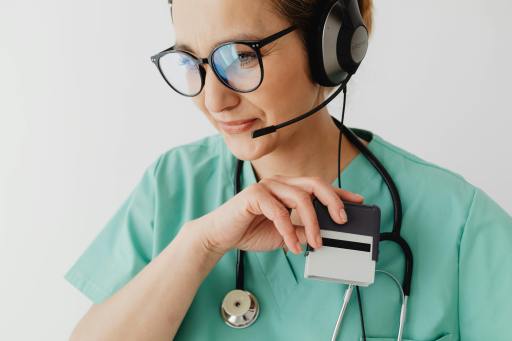
Key Highlights
- Communication and Interpersonal Skills – Effective verbal and nonverbal communication is critical for ensuring clear patient interactions in a remote setting.
- Technical Proficiency and Adaptability – Nurses must master various telemedicine tools and digital platforms to deliver quality care.
- Clinical Judgment and Ethical Awareness – Strong clinical assessment combined with ethical considerations ensures safety and integrity in remote health services.
Introduction to Telemedicine Competencies
The rapid evolution of telemedicine, accelerated by global health challenges, has transformed traditional healthcare models. Telehealth has become an essential component in reaching patients across diverse geographical areas while offering convenience and increased access to care. As this modality has grown, so has the need for comprehensive competency assessments for nurses working in telemedicine. Such evaluations ensure that the nursing workforce is well-prepared to provide high-quality patient care in a digital landscape.
Competency assessment in telemedicine is multifaceted, integrating technical skills, clinical judgement, communication abilities, and an understanding of ethical and safety considerations. These elements are not only important for nurses at the start of their careers or when transitioning into telehealth but also through continuous professional development and specialized training programs.
Core Competency Domains
1. Communication and Interpersonal Skills
In telemedicine, effective communication is the cornerstone of quality care. Unlike in traditional face-to-face consultations, nurses rely on digital platforms where nonverbal cues such as body language may be limited. Therefore, a heightened focus on clear, empathetic, and concise verbal interactions is essential.
Key Communication Strategies
- Verbal clarity when describing assessments and instructions.
- Active listening practices ensuring that patient concerns are addressed.
- Ability to convey clinical information in a non-alarming, reassuring manner.
- Utilizing digital tools to enhance patient engagement.
It is important that nurses are trained to modify their communication style to suit each patient's unique needs, especially when language barriers or cultural differences further complicate virtual interactions.
2. Technical Skills and Digital Proficiency
Nurses in telemedicine must develop strong technical capabilities to efficiently operate various digital health tools. Competency in using video conferencing software, remote monitoring tools, and other digital platforms is crucial. These technical skills ensure that patient interactions occur without interruption and that any potential technical issues are swiftly addressed.
Essential Technical Competencies
- Proficiency with videoconferencing tools and digital communication platforms.
- Familiarity with electronic health records (EHRs) and remote data management systems.
- Troubleshooting basic technical issues that may occur during a remote session.
- Understanding and ensuring cybersecurity measures and data protection during patient interactions.
As the deployment of telemedicine technologies continues to evolve, nurses must be open to ongoing learning and adapt to new digital innovations. This continuous technological adaptation should be a part of regular training programs and professional development initiatives.
3. Clinical Assessment and Decision-Making Skills
Conducting clinical assessments in a virtual environment poses distinct challenges compared to conventional methods. Nurses are required to perform assessments based on visual and auditory clues rather than physical examinations, which necessitates a strategic approach.
Remote Assessment Techniques
- Guiding patients through self-assessment techniques, ensuring they understand how to measure vital signs accurately.
- Using digital tools and applications to collect patient data for analysis.
- Evaluating patient symptoms through visual observation and patient-reported data.
- Integrating remote diagnostic tools while ensuring the accuracy of assessments.
A successful telemedicine nurse combines traditional clinical judgment with innovative approaches tailored to remote assessments. This balance is essential for diagnosing and managing patient care effectively, even when physical examinations are not possible.
4. Ethical, Cultural, and Safety Considerations
Ethical considerations in telemedicine play a significant role in maintaining patient trust and ensuring quality care. Nurses must be knowledgeable about patient confidentiality, consent, and the ethical use of digital data.
Key Ethical Components
- Maintaining patient confidentiality and adhering to health information privacy laws.
- Ensuring informed consent is obtained before telemedicine sessions.
- Applying cultural competence in all interactions to respect the diverse backgrounds of patients.
- Implementing guidelines for appropriate professional boundaries in a digital environment.
In addition to ethics, ensuring safety during remote consultations is paramount. Nurses must be trained in recognizing when a telemedicine encounter might require in-person follow-up, prioritizing patient safety above all. This includes awareness of the technological limitations and potential cybersecurity risks associated with digital health platforms.
5. Continuous Education and Adaptability
The dynamic nature of telemedicine demands that nurses engage in continuous education to remain proficient in emerging technologies and remote care practices. Lifelong learning is integral to adapting to the evolving landscape of healthcare.
Training and Development Strategies
- Regular training sessions and workshops focused on new telehealth technologies.
- Simulation-based training that mimics real-world patient interactions in a virtual setting.
- Peer reviews and performance appraisals that provide constructive feedback.
- Integration of telehealth curricula in nursing education to prepare future professionals.
Continuous education programs should be institutionally supported, ensuring that nurses are always updated on best practices and innovations in digital healthcare.
Assessment Frameworks and Methodologies
To systematically evaluate the competencies of nurses using telemedicine, various assessment frameworks have been developed. Such frameworks ensure that the key domains are covered comprehensively and that evaluations are standardized across different organizations.
Standardized Evaluation Methods
Many healthcare institutions adopt frameworks that include a mix of formative and summative evaluations. Some of the common methodologies include:
Performance Appraisals
These appraisals involve direct observation of telemedicine interactions. Supervisors and peers review a nurse’s performance during simulated or live sessions, focusing on communication efficiency, technical aptitude, and clinical judgment.
Simulation-Based Training
Simulation scenarios allow nurses to experience realistic telemedicine challenges in a controlled environment. By assessing responses to simulated emergencies or complex cases, educators can identify areas where further training is needed.
Self-Assessment and Peer Reviews
Incorporating self-assessment tools alongside peer reviews encourages reflective practice. Nurses are required to critically analyze their own performance, fostering a culture of continuous improvement and professional growth.
Competency-Based Certifications
Some institutions and professional bodies offer certification programs that validate telemedicine competencies. Such credentials often require a combination of practical assessments and theoretical knowledge.
Table of Competency Domains and Assessment Tools
| Competency Domain | Key Elements | Assessment Methods |
|---|---|---|
| Communication Skills | Verbal clarity, active listening, empathy | Observation, peer reviews, simulation exercises |
| Technical Proficiency | Use of digital tools, troubleshooting, data security | Hands-on training, performance appraisals, technical tests |
| Clinical Assessment | Remote patient evaluation, digital diagnostics, self-assessment guidance | Simulation scenarios, case studies, real-world evaluations |
| Ethical and Safety Awareness | Patient confidentiality, informed consent, cultural competence | Ethical training modules, scenario-based assessments, peer reviews |
| Continuous Education | Ongoing skills updates, adapting to new technology | Certification programs, continuing education courses, workshops |
Challenges and Opportunities in Competency Assessment
Addressing Evaluation Gaps
While the frameworks for telemedicine competency assessment are robust, several challenges persist. One of the main challenges is the standardization of assessment criteria across different institutions. Without standard criteria, ensuring consistency in performance evaluations can be difficult. This situation calls for universally accepted benchmarks that can serve as a guide for both educators and practitioners.
Another challenge is the unpredictable nature of technological advancements. As digital tools continue to evolve, assessment frameworks must adapt accordingly to remain relevant. Consequently, institutions must be proactive in integrating new technologies into their training modules while ensuring rigorous evaluation standards.
Leveraging Opportunities for Improvement
Despite the challenges, the adoption of competency assessments offers several opportunities to enhance nursing practice. Continuous feedback mechanisms, supported by technology-driven evaluation platforms, enable nurses to refine their skills. Moreover, the integration of simulated scenarios, remote assessments, and advanced monitoring techniques has the potential to significantly improve clinical outcomes.
Organizations that invest in robust telehealth training and evaluation programs not only enhance patient safety but also foster professional development among nurses. These strategies contribute to higher standards of care and improved patient satisfaction in the increasingly digital healthcare environment.
Best Practices for Implementing Telemedicine Competency Assessments
Developing a Structured Competency Framework
To effectively assess the competencies of nurses in telemedicine, it is essential to develop a structured competency framework. This framework should integrate multiple domains and identify specific skill sets required for success in a remote care setting. A well-structured framework helps in mapping out the necessary technical, clinical, and interpersonal skills while outlining measurable outcomes.
Framework Components
- Competency Domains: Clearly define the core domains such as communication, technical proficiency, clinical assessment, ethical standards, and continuous education.
- Performance Indicators: Establish quantitative and qualitative indicators that assess the achievement of each competency.
- Feedback and Review: Implement regular performance reviews and feedback loops to promote continuous learning.
- Simulation Integration: Utilize telehealth simulations to mimic real-world scenarios, thus enabling risk-free assessment and learning.
Strategies for Continuous Improvement
Success in telemedicine depends on the commitment to continuous improvement. Healthcare organizations are increasingly integrating advanced evaluation technologies that facilitate real-time monitoring and feedback. Regular workshops, training sessions, and updates to the competency framework ensure that nursing staff remain proficient in new tools and emerging best practices.
Encouraging a culture of learning and adaptation, coupled with rigorous assessment practices, empowers nurses to overcome challenges and deliver care that meets the highest standards of quality. Organizations that embrace these strategies not only advance their service provisions but also set new benchmarks in patient care.
Future Directions in Telemedicine Competency Assessment
Innovative Technologies and Data-Driven Approaches
Looking ahead, the integration of artificial intelligence and big data into telemedicine assessments holds promise. AI-driven analytics can evaluate large volumes of data to identify trends, potential gaps, and opportunities for personalized training interventions. As these technologies mature, they will enable more precise and tailored competency evaluations.
Data-driven insights will support the development of predictive models that can offer real-time feedback on a nurse's performance during telemedicine sessions. Such models will be instrumental in enhancing training modules, refining assessment criteria, and ultimately fostering an environment of continuous quality improvement.
Interdisciplinary Collaborations
Collaborations between educators, healthcare institutions, and technology developers are key to advancing competency assessment strategies. By sharing insights, best practices, and innovative methodologies, stakeholders can collectively enhance the standards of telehealth service delivery. Interdisciplinary cooperation also facilitates the development of unified competency frameworks that can be adopted on a wider scale.
As remote care becomes increasingly integrated into mainstream healthcare systems, such collaborations will play a critical role in shaping the future of nursing education and competency assessment.
References
- Telehealth Competencies - AAMC
- How to Assess Patients Using Telehealth - Daily Nurse
-
Assessing Telemedicine Competencies: Simulation and Evaluation - PMC
-
Competencies in Telemedicine Nursing - ScienceDirect
-
Telehealth Clinical Competence - PubMed
-
Telehealth Competencies for Nursing Education - PMC
-
Ethical Guidelines in Telehealth - PubMed
-
Remote Clinical Assessment Techniques - NCBI
- Integrating Telemedicine into Nursing Curricula - AAMC
- Strategies for Telemedicine Training - Daily Nurse
Related Queries for Further Exploration
Last updated March 2, 2025