
Overview of Tennessee Hemp Legislation
Understanding Hemp Bills: A Clear Guide for 9th Graders
Key Highlights
- Product Regulation and Restrictions: Several bills aim to ban or restrict certain hemp-derived products, especially those containing THCa and THCp.
- Licensing and Definition: New proposals focus on setting clear definitions for hemp and introducing licensing programs for farmers to ensure safety through regulated cultivation.
- Market Impact and Legal Challenges: Some bills involve new rules or taxes on hemp products, which have sparked debates about economic effects and public health concerns.
Introduction to Hemp Legislation
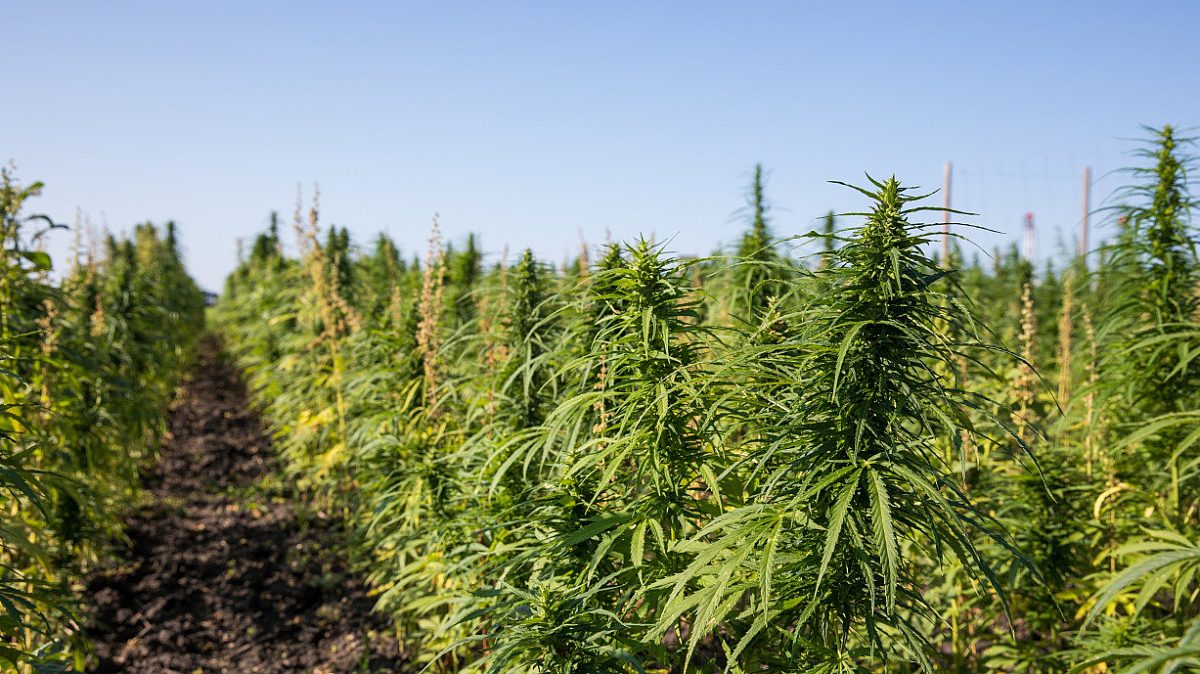
In Tennessee, lawmakers are addressing how hemp products are grown, sold, and used. Hemp is a type of cannabis plant that is legally different from marijuana because it contains very little of the chemical that makes people feel "high." Instead, hemp is used for making clothes, food, medicine, and other products. The current legislative session has introduced several bills to regulate hemp, making sure that the products are safe and that the industry is well-managed. This guide explains these bills in a way that’s easy to understand for a 9th grader.
Detailed Summary of the Bills
Here we summarize the main bills proposed in this session, along with what they mean for the industry and consumers:
Bills Targeting Hemp-Derived Products Containing THCa and THCp
Bill Proposals on Banning Specific Chemicals
Two significant bills introduced during this session focus on hemp-derived products that contain chemicals known as THCa and THCp. These chemicals are naturally found in hemp, but they have the potential to affect the mind. The main points of these bills include:
- House Bill (HB) 962 and Senate Bill (SB) 1236:
These bills propose changing the laws around hemp products by making it illegal to manufacture, sell, or distribute items containing THCa and THCp. The reason behind this is that the lawmakers believe these substances might play a role in leading to more harmful drug use. Since a large part of the hemp market involves products like THCa flower, which is very popular in Tennessee's hemp sales, these bills are especially significant. Supporters of the bans argue that removing these products from the market would help prevent potential health issues.
- House Bill (HB) 1148:
This bill specifically calls for removing THCp from the list of substances that are legally allowed in hemp products. By doing so, it would be illegal to incorporate THCp in any hemp-derived items. Under this bill, any involvement in manufacturing, distributing, or selling products with these chemicals could be treated as a misdemeanor offense. This is done with the intention of preventing misuse and reducing the risk of hemp products acting as a gateway to more dangerous substances.
Bills Focused on Licensing and Market Regulation
Licensing Requirements for Hemp Cultivation
Another set of proposals during this session is aimed at ensuring that hemp is cultivated safely and responsibly. These bills are particularly focused on providing a clear structure for the hemp industry. They include:
- Establishing a Licensing Program:
One of the bills proposes a formal licensing system for hemp growers. Just like how you need a license to drive a car, hemp farmers would need to prove that they understand how to grow hemp according to the state’s established guidelines. This includes several specific requirements:
- Farmers must ensure that the hemp they grow has a THC level below the legal limit of 0.3%, so that the crop is not mistakenly categorized as marijuana.
- They must follow stringent testing procedures to show that the plants meet state safety standards.
- Proper records must be maintained regarding the growing process, including details about where and how the hemp is produced.
- Clarification of Hemp Definition:
Another bill focuses on making sure that everyone – from farmers to retailers and law enforcement – understands exactly what constitutes hemp. This involves establishing a clear legal definition, distinguishing hemp from marijuana. The legal definition typically states that hemp is a type of cannabis that contains no more than 0.3% Delta-9 THC. This clarity helps avoid any confusion and ensures that hemp products, like CBD oils or hemp-based clothing, adhere to safe production standards.
Bills Impacting Sales and Taxation
Introducing New Taxes on Hemp Products
Legislation has also looked at ways to manage how hemp products are sold to consumers. One of the important measures proposed involves a sales tax on certain hemp products:
- House Bill (HB) 1243:
This bill proposes adding a 6% sales tax on hemp products that are meant to be smoked. In practice, this means that if someone buys a hemp product costing $100, they would need to pay an extra $6 as tax. Beyond taxation, this bill also outlines additional guidelines for distributing and selling hemp items. The intent is to ensure that all parts of the hemp market—from production to sale—are regulated in a way that keeps consumers safe and supports a fair business environment.
In-Depth Look at Each Proposed Bill
Understanding THCa and THCp Bans
Let's explore in more depth what the bills targeting THCa and THCp mean and why they have generated so much discussion:
What are THCa and THCp?
THCa (tetrahydrocannabinolic acid) and THCp (tetrahydrocannabiphorol) are naturally occurring cannabinoids found in the hemp plant. While they are not the same as the psychoactive THC found in marijuana, they can still have mildly potent effects on the body if consumed in larger quantities. Because of this, some lawmakers worry that these substances could contribute to a public health issue, especially when used in products that are smoked or ingested casually.
The proposals to ban these chemicals in hemp products are largely driven by concerns over potential misuse and the possibility that these products might serve as a stepping stone to more harmful substances. Supporters of these bills believe that restricting these components will make the hemp market safer and reduce any risk to consumers, especially younger people.
Licensing and Regulation of Hemp Cultivation
A robust regulatory framework for hemp growers is crucial to ensure that the industry expands in a responsible manner. By requiring growers to obtain a license, the state can:
- Ensure that farmers adhere to best practices and maintain the hemp crop within legal THC limits.
- Monitor and manage the distribution channels so that hemp products cannot be misused or mistakenly integrated with other higher-risk cannabis products.
- Establish a system where accountability and routine testing make it easier to trace any problems back to their source.
The licensing process is similar to other regulated activities, such as driving or operating a business, where proof of knowledge and adherence to safety standards is required. For a 9th grader, you might think of it like earning a badge or certificate by showing that you understand the rules before you can continue to participate.
These protocols are not meant to discourage hemp farming but to ensure that the products that reach consumers are within the legal and safe boundaries defined by the state. This is especially important when there is a potential mix-up between hemp and marijuana, which have very different legal statuses.
Sales Regulations and Economic Impact
The proposed 6% sales tax on hemp products aimed at smokers is another significant aspect of the legislative session. The introduction of this tax serves multiple purposes:
Regulation Through Taxation
Tax measures such as the proposed 6% sales tax help to:
- Generate additional revenue for the state, which can be used to enforce regulations and support public health initiatives.
- Deter excessive or unregulated consumption of hemp products perceived as potentially harmful.
- Ensure a level playing field among businesses by standardizing compliance costs across the hemp market.
While some in the hemp industry have expressed concern that these new taxes and restrictions might hurt business growth, the legislators argue that such measures are necessary to protect public safety and maintain market integrity.
With the potential banning of certain products and the imposition of new taxes, the economic impact on hemp businesses has become a point of heated debate. Advocates for the hemp industry argue that these rules could reduce consumer choice and hurt small businesses. In contrast, proponents of the legislation maintain that strict controls are essential for consumer safety and align Tennessee’s regulations with those in other states.
Comparative Analysis Through a Data Table
To better understand how these legislative proposals differ and what common themes they share, the table below offers a side-by-side analysis:
| Bill/Proposal | Main Focus | Key Provisions | Potential Impact |
|---|---|---|---|
| HB 962 / SB 1236 | Regulation on THCa and THCp | Ban on manufacture, sale, distribution of THCa & THCp in hemp products | Reduced availability of popular hemp products; potential public health benefits |
| HB 1148 | Removal of THCp | Prohibits THCp in hemp products; criminalizes involvement with THCp-containing items | Legal implications; may affect how companies formulate products |
| HB 1243 | Taxation and distribution | Introduces a 6% sales tax on smoked hemp products and sets additional sale rules | Increased cost to consumers; industry adjustments to pricing strategies |
| Licensing Proposal | Safe hemp cultivation | Mandates licensing for hemp growers and rigorous testing for THC levels (less than 0.3%) | Enhanced safety and regulatory compliance in hemp agriculture |
This table shows that while some bills target the chemical components in hemp products to prevent public health risks, others focus on the economic aspects and the need for clear regulatory oversight through licensing and taxation.
How Do These Bills Affect Everyday People?
For a 9th grader or any member of the public, these legislative changes might seem distant. However, they have real-world implications:
Consumer Safety and Trust
These bills are designed to make sure that every product made from hemp is safe for use. Whether it’s a CBD oil used by adults to help with anxiety, a hemp-based fabric in clothing, or even something used in cooking, available products will follow strict rules to ensure there’s no risk of accidentally consuming something that has a higher level of chemicals that might cause harm.
By banning certain substances like THCa and THCp, lawmakers are trying to prevent any potential misuse. With clear definitions and testing protocols, consumers can feel more confident that what they’re buying is both legal and safe.
Economic Impact and Local Businesses
On the economic side, these bills have a two-fold effect:
- Boosting Regulatory Oversight: With strict regulations, it becomes easier for the government to monitor and control the hemp market. This can help establish Tennessee as a state that values safety and quality, which may attract more business in the long run as consumers trust the products more.
- Challenges for the Industry: On the other hand, hemp farmers and companies argue that increased restrictions and additional taxes could hurt small businesses and limit consumer choice, especially if popular products are banned. These companies worry about the economic damage if they lose a significant share of the market.
The balance between consumer protection and fostering a healthy market is one of the main reasons these bills are heavily debated. Lawmakers must consider how to support both public health and economic stability while staying in tune with trends in other states.
Legal Process and Ongoing Challenges
It is important to note that many of these bills are still under discussion. For example, temporary legal orders have sometimes allowed current hemp businesses to continue operating while challenges to these proposed rules are being heard in courts. This means that while the laws may be set to change, businesses on the ground are still adapting to the current legal framework.
Such temporary measures are common in legislative processes, where a judge or legal body may put a hold on new restrictions until the courts can decide on the matter. For everyday people, this means that while new rules could be coming soon, there is often a period of time during which existing practices continue while the higher authorities deliberate.
The Broader Context of Hemp Regulation in Tennessee
Understanding the bigger picture is important. Historically, hemp in Tennessee has been viewed differently from marijuana because its low THC content renders it non-intoxicating. However, the products made from hemp sometimes push the boundaries of what is considered “safe” or “legal” due to emerging research and consumer trends.
Historical Background and Past Legislation
Previously, the state has enacted laws that have paved the way for a regulated hemp industry. These regulations were designed to support agriculture while making sure that the hemp plant, even when processed into various products, stayed within safe limits of THC levels. Over time, as technology advanced and more products were developed from hemp, lawmakers have had to update these regulations to reflect new challenges.
As the industry grew, hemp became an important agricultural product, used in everything from textiles to nutritional supplements. That evolution naturally led to more detailed regulations on production standards, testing, and product sales. The recent legislative session aims to build on this foundation, modernizing rules to keep pace with changes in how hemp products are used and marketed.
Balancing Safety with Innovation
For many legislators, the primary goal is to ensure that consumer products are not only legal but also safe. Banning or strictly regulating components like THCa and THCp is seen as a way to avoid potential public health issues. Such measures, while they might slow down some parts of the industry, are expected to increase overall trust in hemp products.
On the other hand, business owners and hemp advocates emphasize the potential economic growth and innovation that a well-regulated hemp industry can foster. The licensing proposed for hemp farmers ensures that only those who meet strict safety and knowledge criteria participate in the market, which in turn can improve overall standards and reputation.
Educational and Social Implications
For students and the community, understanding these bills is important as it demonstrates how laws evolve with industry needs and public health considerations. It shows the practical side of how legislative processes work and the balance lawmakers must find between regulation and freedom of commerce.
Why Learning About Hemp Legislation Matters
Education about topics like hemp legislation helps in understanding broader issues such as:
- Legal Distinctions: Why hemp and marijuana are treated differently in the law.
- Consumer Protection: How regulations can protect people from potentially harmful products.
- Economic Effects: How local businesses and overall market health can be influenced by government policies.
When you learn about this process at school or through community discussions, you see that even laws about plants can affect not just farmers and businesses, but also everyday consumer choices and public safety. It puts a human face on what might seem like dry legislative details.
Community and Consumer Roles
For community members, being informed means having the power to participate in public debates, vote on referendums, and communicate with elected representatives about what rules should apply to industries that impact daily life. Understanding how such bills progress in the General Assembly allows citizens to engage with topics directly affecting local economics and health.
Additionally, as consumers, people have more reason to pay attention to the ingredients and production methods in the products they use. With clearer definitions and enforced regulations, it becomes easier to determine which products are safe. This literacy contributes to a more informed public, which can then make better choices and demand higher standards.
Legislative Outlook and Future Considerations
The current legislative session highlights a turning point in hemp regulation as Tennessee navigates a rapidly evolving industry. The debates reflect broader concerns about public health, economic growth, and maintaining clear legal boundaries. As these proposals move through various committees and possibly face judicial reviews, the outcome will likely set precedents for future regulations.
Anticipated Debates and Discussed Challenges
As these bills are discussed in legislative committees and sometimes even in courts, several challenges are anticipated:
- Clarifying Definitions: A major challenge is ensuring that everyone—farmers, law enforcement, retailers, and consumers—has a consistent understanding of what qualifies as hemp versus marijuana.
- Economic Viability: Bills that impose taxes or restrict popular hemp products may pressure local businesses, prompting debates on whether such measures will stifle innovation or protect consumers.
- Public Health Concerns: As new products emerge, regulators continually assess emerging data to determine if particular substances like THCa or THCp present unforeseen risks. These debates involve public health experts, industry advocates, and lawmakers all weighing evidence from similar rules in other states.
The ongoing dialogue between lawmakers and industry stakeholders indicates that any final legislative outcome will be a compromise designed to maximize safety and economic opportunity.
Potential Impact on Future Legislations
With these bills as a reference point, Tennessee might adjust its policies based on outcomes seen in nearby states and evolving scientific evidence. For example, if regulations prove effective in improving safety without unduly harming business, similar approaches might be adopted nationwide. Conversely, if significant economic damage is observed or legal challenges lead to policy reversals, revisions in the legislative process may occur.
The evolution of hemp regulation in Tennessee serves as a microcosm of the broader debate over how best to manage emerging industries while safeguarding public health, illustrating the interplay between law, economics, and societal values.
Conclusion and Final Thoughts
In conclusion, the current legislative session in Tennessee has seen the introduction of several significant bills aimed at regulating the hemp industry. These proposals address multiple aspects of hemp production and sale, including:
- The prohibition of hemp products containing THCa and THCp which, according to lawmakers, pose potential public health risks.
- The establishment of strict licensing requirements to ensure that hemp is cultivated safely and within legal THC limits.
- The introduction of a 6% sales tax on smoked hemp products and additional rules aimed at standardizing the retail landscape.
For a 9th grader, think of these legislative bills as similar to rules in school: just as your school sets guidelines to keep everyone safe and ensure fair play, these bills are designed to ensure that hemp products are produced and sold in a secure, clearly defined, and fair manner. They aim to protect consumers, maintain public health, and ensure that businesses operate according to strict standards. With clear guidelines, everyone knows what to expect—whether you are a farmer, a retailer, or simply a consumer.
As these bills undergo further discussion, review, and possibly legal challenges, their final form could significantly impact not only Tennessee's hemp industry but also set a model for future legislation in other states. It is a balancing act between fostering an innovative and economically vibrant industry and ensuring that products reaching the public do not compromise on safety standards.
Overall, the legislative journey of these hemp bills reflects the dynamic interplay between science, industry, politics, and public welfare. For readers, especially young students, this is an excellent example of how laws are drafted, debated, and refined with the intention of benefiting society as a whole.
References
- HB0962 - Legiscan
- Tennessee Republicans File Legislation - The Marijuana Herald
- HB1148 - BillTrack50
- HB1243 - FastDemocracy
- Bill Would Ban Most Popular Hemp Products - Times Free Press
- Hemp Products Stay Legal for Now - WSMV
Recommended Related Queries
Last updated February 20, 2025