
How tall are the Terracotta Warriors?
Unveiling the Stature and Significance of Ancient Clay Guardians
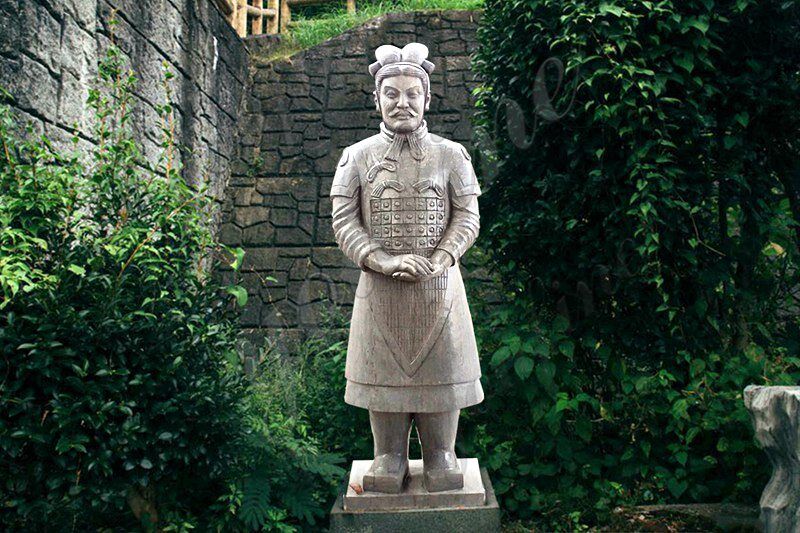
Key Takeaways
- Average Heights: Terracotta Warriors stand approximately between 170 cm to 190 cm, surpassing the average Qin Dynasty height.
- Rank Variations: Higher-ranking officers, such as generals, are taller, emphasizing military hierarchy.
- Symbolic Significance: The varying heights symbolize the emperor's power and the grandeur of his army.
Introduction to the Terracotta Warriors
The Terracotta Warriors are an extraordinary collection of life-sized clay soldiers discovered in the mausoleum of China's first emperor, Qin Shi Huang, in Xi'an. This archaeological marvel comprises thousands of meticulously crafted statues, each varying slightly in appearance to reflect the diversity of the ancient Qin army. One of the most fascinating aspects of these warriors is their height, which not only showcases the artistry of the craftsmen but also provides insights into the military structure and societal norms of the Qin Dynasty.
Average Height of the Terracotta Warriors
The average height of the Terracotta Warriors ranges between 170 cm and 190 cm (approximately 5 feet 7 inches to 6 feet 3 inches). This measurement places them above the average height of individuals during the Qin Dynasty, which was approximately 166 cm (5 feet 5 inches). The elevated stature of the warriors was intentional, serving both practical and symbolic purposes.
Height Measurement Details
Detailed archaeological studies have provided precise measurements of the warriors. When excluding foundation elements such as bases and headdresses, the net height of the warriors typically falls between 170 cm and 181 cm, with an average net height of around 178.5 cm (5 feet 10 inches). These figures highlight the deliberate choice to depict the soldiers as taller than the average populace, thereby enhancing their imposing presence.
Comparison to Qin Dynasty Population
During the Qin Dynasty, the average male height was approximately 166 cm. The decision to create warriors that stand significantly taller than the contemporary population was a strategic one. Taller figures in military contexts often convey strength, authority, and intimidation, which were essential attributes for maintaining the emperor's dominance both in life and in the afterlife.
Variations in Height Based on Rank and Role
The Terracotta Army is not monolithic; the soldiers vary in height according to their military rank and specific roles within the army. This variation underscores the hierarchical nature of the Qin military structure and reflects the real-world organization of Qin Shi Huang's forces.
Generals and High-Ranking Officers
The tallest figures in the Terracotta Army are the generals, who can reach heights of up to 2.5 meters (8.2 feet). These imposing statues were crafted to represent the authority and importance of military leadership. The increased height of these leaders signifies their elevated status and the critical role they played in the command structure of the Qin army.
Infantry, Cavalry, and Specialized Soldiers
Most of the Terracotta Warriors fall within the average height range of 170 cm to 190 cm. Within this range, infantry soldiers, cavalry warriors, and specialized personnel such as archers and charioteers exhibit slight variations in height. Infantry soldiers typically stand around 170-180 cm, while cavalry figures may be slightly taller to reflect their mobility and combat roles. Specialized soldiers, including charioteers, often have unique height adjustments to accommodate their specific equipment and functions.
Symbolic and Practical Significance of Height Variations
The deliberate variation in the heights of the Terracotta Warriors serves both symbolic and practical purposes, intertwining artistic expression with military functionality.
Symbolism of Authority and Power
The increased height of higher-ranking officers symbolizes their authority and the emperor's overarching power. In ancient Chinese culture, physical stature was often associated with leadership qualities and dominance. By creating taller generals, the artisans emphasized the importance of these figures within the military hierarchy, reinforcing the emperor's command over his forces.
Enhancing Military Presence in the Afterlife
Beyond symbolism, the imposing heights of the warriors were intended to project strength and intimidate potential afterlife adversaries. The grandeur of the Terracotta Army reflects Qin Shi Huang's desire to maintain his empire's might beyond death, ensuring that his legacy of power and conquest would endure eternally.
Artistic and Technical Aspects of Sculpting Heights
The process of creating the Terracotta Warriors involved sophisticated artistic and technical methodologies to achieve the desired variations in height and detail.
Craftsmanship and Mold Techniques
Each warrior was assembled from multiple clay pieces—heads, arms, legs, and torsos—crafted individually before being combined. This method allowed for intricate detailing and slight height variations. Artisans employed different molds and hand-finishing techniques to ensure that while the warriors shared common features, each one retained unique characteristics, including their stature.
Attention to Detail in Accessories
The heights of the warriors include their base elements and accessories such as helmets and armor. When these are removed, the net height decreases by approximately 10-20 cm, bringing the figures closer to the average stature of the time while still maintaining their impressive presence. This distinction is crucial for accurately representing both the warriors and the historical population metrics.
Practical Implications for Visitors
Understanding the heights and variations of the Terracotta Warriors enhances the visitor experience, providing deeper insights into this historical marvel.
Visualizing the Scale and Grandeur
Visitors to the Terracotta Warriors Museum can better appreciate the scale and grandeur of the exhibit by recognizing the deliberate height variations. The towering generals standing among the soldiers create a sense of depth and hierarchy, allowing observers to visualize the extensive reach of Qin Shi Huang's army.
Guided Tours and Informational Displays
Engaging in guided tours offers visitors detailed explanations of the height significance and the underlying symbolism. Informational displays often highlight the measurements and rank-based variations, enriching the overall understanding of the military organization and the emperor's intentions.
Comparative Analysis with Modern Military Statues
The Terracotta Warriors can be compared to modern military statues and memorials, which also utilize height and scale to convey strength and respect.
Symbolic Representation in Modern Monuments
Similar to the Terracotta Warriors, modern military monuments often feature larger-than-life statues to honor leadership and valor. This practice underscores the timeless human desire to immortalize military prowess and leadership through monumental art.
Differences in Artistic Intent
While both ancient and modern statues serve symbolic purposes, the Terracotta Warriors were created for the afterlife, intended to protect and accompany the emperor beyond death. In contrast, modern military statues are primarily commemorative, honoring past heroes and inspiring current and future generations.
Preservation Efforts and Future Research
Ongoing preservation efforts ensure that the Terracotta Warriors remain accessible to future generations, while continuous research provides deeper insights into their construction and significance.
Conservation Techniques
Advanced conservation techniques, including climate-controlled environments and chemical treatments, protect the delicate clay from degradation. These efforts are crucial for maintaining the structural integrity and aesthetic qualities of the warriors.
Archaeological Research and Discoveries
Continuous archaeological research uncovers new aspects of the Terracotta Army, including previously unknown sections of the mausoleum and insights into the workers who created these masterpieces. Height measurements and variations are meticulously documented to further understand the artistic and military strategies employed during the Qin Dynasty.
Conclusion
The height of the Terracotta Warriors plays a pivotal role in understanding the military sophistication and cultural values of the Qin Dynasty. These life-sized and varied statues not only reflect the meticulous craftsmanship of ancient Chinese artisans but also serve as a testament to the enduring legacy of Emperor Qin Shi Huang. By surpassing the average height of contemporary populations, the warriors embody both the physical and symbolic strength of the emperor's reign, ensuring that his power and authority are perpetuated into the afterlife. For travelers and history enthusiasts alike, the Terracotta Warriors offer a profound glimpse into the past, showcasing the intricate blend of art, military strategy, and cultural symbolism that defines one of China's most significant archaeological treasures.
References
For more detailed information, please visit the following resources:
Last updated February 14, 2025