
Mastering Terraform: Your Ultimate Guide to Infrastructure as Code Excellence
Unlocking the Power of Automated Infrastructure Deployment and Management
Key Insights for Your Terraform Learning Journey
- Hands-On Practice is Paramount: The most effective way to learn Terraform is through practical application, deploying and managing real infrastructure. Many top courses and tutorials emphasize this by providing labs and coding exercises.
- Diverse Learning Paths Available: Whether you prefer structured courses, official documentation, video tutorials, or community-driven roadmaps, a wealth of resources exists to cater to various learning styles and experience levels.
- Certification Boosts Credibility: Pursuing the HashiCorp Certified: Terraform Associate certification can validate your skills and significantly enhance career opportunities in DevOps, cloud engineering, and related fields.
Terraform, an open-source infrastructure as code (IaC) tool developed by HashiCorp, has become indispensable for modern cloud and DevOps practices. It enables you to define, provision, and manage infrastructure resources across various cloud providers (like AWS, Azure, GCP) and on-premises environments using a consistent, declarative language. This guide will navigate you through the best training materials and approaches to master Terraform, from foundational concepts to advanced deployment strategies, ensuring you gain practical, job-ready skills.
Understanding Terraform's Core Value: Infrastructure as Code
The Transformative Power of IaC
Before diving into specific training materials, it's crucial to grasp why Terraform, as an Infrastructure as Code tool, is so vital. IaC fundamentally changes how infrastructure is managed, moving from manual configurations to automated, version-controlled deployments. This approach brings numerous benefits, including:
- Consistency: Ensures infrastructure is provisioned identically every time, reducing human error and configuration drift.
- Reproducibility: Allows for easy replication of environments (development, staging, production) or disaster recovery setups.
- Version Control: Infrastructure configurations can be stored in source control systems (like Git), enabling tracking of changes, collaboration, and rollbacks.
- Efficiency and Speed: Automates provisioning, significantly accelerating deployment times and enabling rapid scaling.
- Cost Optimization: Helps manage resources more effectively, preventing over-provisioning and idle resources.
Terraform stands out because it is cloud-agnostic, meaning it can interact with a multitude of cloud providers and services through its extensive provider ecosystem. This versatility makes it a highly sought-after skill for professionals in DevOps, cloud engineering, and site reliability engineering roles.
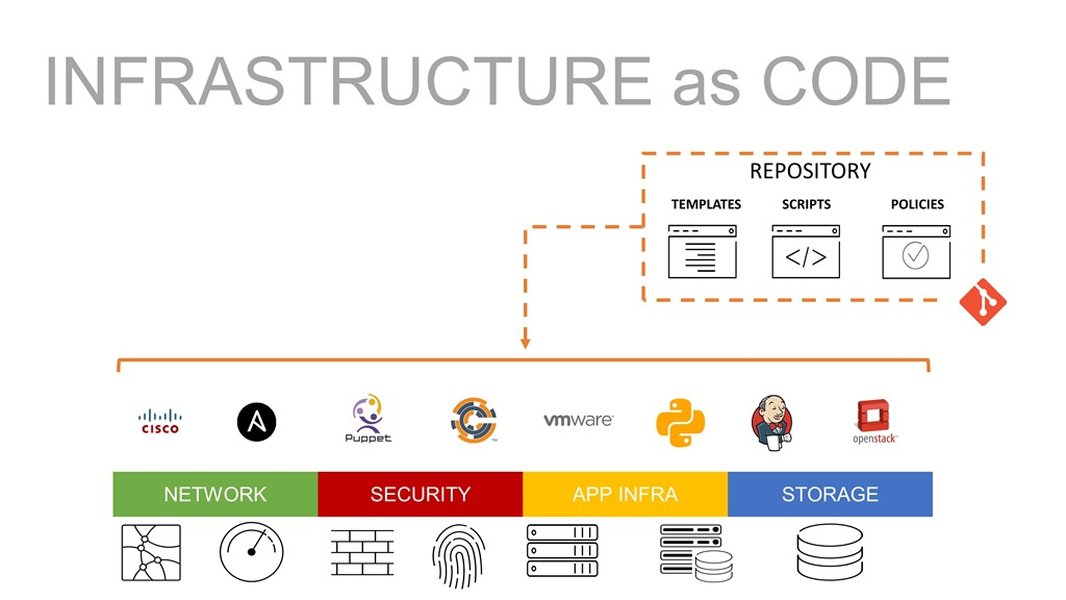
A visual representation of the Infrastructure as Code concept, highlighting its role in automating infrastructure management.
Top Resources for Learning Terraform
Structured Learning Paths and Platforms
The best training material often depends on your current experience level, preferred learning style, and specific goals (e.g., certification, hands-on project work). Here's a breakdown of highly recommended resources:
Official Documentation and Tutorials (HashiCorp Developer)
The official HashiCorp Developer website is an invaluable starting point. It offers a comprehensive set of tutorials, guides, and documentation that are consistently updated. These resources cover everything from basic installation and workflow to advanced topics like modules, state management, and custom provider development.
- Get Started Tutorials: Excellent for absolute beginners to understand the core workflow of
init,plan,apply, anddestroyfor various cloud providers (AWS, Azure, GCP, Docker). - Use Cases and Best Practices: Provides guidance on real-world scenarios, such as managing multiple environments with workspaces and deploying multi-tier applications.
- Certification Prep Materials: Specifically designed learning paths to help prepare for the HashiCorp Certified: Terraform Associate exam.
Online Course Platforms (Udemy, Coursera, Pluralsight, LinkedIn Learning)
These platforms host a vast array of courses, often taught by industry professionals, that cater to different skill levels and focus areas (e.g., Terraform on AWS, Azure, or GCP). Many courses offer hands-on labs and practical projects.
- Udemy: Known for its practical, project-based courses. Highly-rated options include "HashiCorp Certified: Terraform Associate 2025," "Terraform for Absolute Beginners," and courses specifically for AWS or Azure integration. KodeKloud's Terraform courses are also frequently recommended for their hands-on labs.
- Coursera: Offers structured specializations and professional certificates, often from universities or leading companies, providing a more academic but practical approach. Look for courses like "Introduction to Terraform."
- Pluralsight: Provides a wide range of Terraform tutorials and learning paths, including hands-on labs that allow you to practice in real environments without setting up your own.
- LinkedIn Learning (formerly Lynda.com): Features courses that cover Terraform fundamentals, writing and applying Terraform code, and integrating with cloud services.
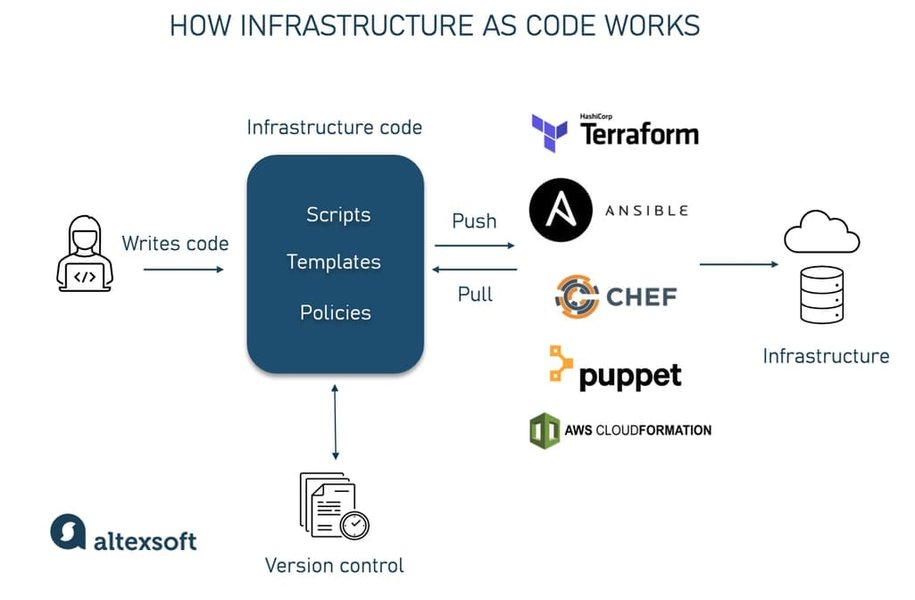
An illustration showcasing various tools and processes involved in Infrastructure as Code, with Terraform as a central component.
YouTube Tutorials and Crash Courses
For visual learners or those seeking quick overviews, YouTube offers a wealth of free content. Many channels provide comprehensive crash courses, project-based tutorials, and deep dives into specific Terraform features.
- Channels like TechWorld with Nana, KodeKloud, and other DevOps-focused educators offer excellent free content.
- These videos often walk you through setting up a project from scratch, deploying resources, and explaining key concepts step-by-step.
A Deep Dive into a Recommended Video Tutorial
One highly recommended video for beginners and those looking for a practical overview is the "Terraform Tutorial for Beginners | FULL COURSE in 1 Hour" by freeCodeCamp.org. This video is excellent because it condenses essential Terraform concepts into a digestible format, making it perfect for quickly grasping the fundamentals. It covers basic setup, resources, providers, and a complete practice project, illustrating how Terraform interacts with major cloud providers like AWS, GCP, and Azure.
The video serves as a strong foundation, demonstrating Terraform's declarative nature and its ability to manage infrastructure across multi-cloud environments. It's a great starting point before delving into more specialized or advanced topics, as it provides a solid mental model of Terraform's workflow and capabilities.
Key Concepts to Master in Terraform
Building a Solid Foundational Knowledge
Regardless of the resource you choose, ensure your learning covers these fundamental Terraform concepts:
- Infrastructure as Code (IaC): Understand the core principles and benefits.
- HashiCorp Configuration Language (HCL): Learn Terraform's declarative syntax for defining infrastructure.
- Providers: How Terraform interacts with different cloud services (e.g., AWS, Azure, GCP, Kubernetes, Docker).
- Resources: Defining and managing individual infrastructure components (e.g., EC2 instances, S3 buckets, virtual networks).
- Variables: Parameterizing configurations for reusability and flexibility.
- Outputs: Extracting and displaying information about deployed resources.
- Modules: Reusable, encapsulated collections of Terraform configurations for complex architectures.
- State Management: Understanding the Terraform state file, its importance, and how it tracks your real infrastructure.
- Terraform Workflow: The
init,plan,apply, anddestroycommands. - Workspaces: Managing multiple environments (dev, staging, prod) with the same configuration.
- Automation: Integrating Terraform into CI/CD pipelines.
Choosing the Right Path: Tailoring Your Learning
Consider Your Goals and Learning Style
To help you decide on the best training materials, here's a comparative analysis based on common learning preferences and objectives:
| Learning Style/Goal | Recommended Resources | Key Benefits |
|---|---|---|
| Absolute Beginner, Hands-On | HashiCorp Get Started Tutorials, Udemy's "Terraform for Absolute Beginners," KodeKloud courses, YouTube crash courses. | Step-by-step guidance, immediate practical application, visual explanations. |
| Structured Learning, Certification Focus | HashiCorp Certification Prep Materials, Coursera Specializations, dedicated Udemy certification courses (e.g., "HashiCorp Certified: Terraform Associate 2025"), Whizlabs. | Comprehensive curriculum, exam-aligned content, practice tests. |
| Deep Dive, Best Practices | Official HashiCorp documentation, Reddit communities (r/Terraform, r/devops), articles on Medium and Dev.to, Pluralsight courses with labs. | In-depth explanations of concepts, exposure to real-world scenarios, community insights. |
| Specific Cloud Provider Focus (AWS, Azure, GCP) | Udemy courses tailored for AWS/Azure/GCP Terraform, Microsoft Learn's "Fundamentals of Terraform on Azure," Pluralsight's cloud-specific Terraform training. | Directly applicable to your target cloud environment, specialized examples. |
| Career Advancement (DevOps, Cloud Engineer) | Combination of certified courses, practical projects, contributions to open-source Terraform modules, real-world scenario challenges. | Builds a strong portfolio, demonstrates practical expertise, prepares for interviews. |
This table helps categorize resources based on typical user needs, providing a clearer path to selecting the most appropriate learning material.
Self-Assessment: Charting Your Terraform Proficiency
How Different Resources Shape Your Skills
Different training materials contribute to various aspects of your Terraform proficiency. This radar chart illustrates how different learning approaches might impact key skill areas. The scores are indicative of the typical emphasis of each resource type, based on common learning outcomes.
As you can see, a balanced approach combining official documentation for foundational understanding and best practices, online courses for structured learning and hands-on projects, and community resources for troubleshooting and advanced insights often yields the most comprehensive skill set. Remember that the best approach is often a blended one.
Practical Application and Continuous Learning
Beyond the Tutorials: Real-World Experience
Learning Terraform is not just about consuming content; it's about applying it. Here are strategies for continuous improvement:
- Personal Projects: Set up a free tier account on AWS, Azure, or GCP and start deploying simple infrastructure. Build a static website, a small API, or a serverless application.
- Contribute to Open Source: Explore existing Terraform modules on GitHub or the Terraform Registry. Understanding how others structure their code is a great learning experience.
- Stay Updated: Terraform is constantly evolving. Follow HashiCorp blogs, join relevant communities (Reddit, Stack Overflow), and keep an eye on new provider features and best practices.
- Read Blog Posts and Articles: Platforms like Medium and Dev.to have many insightful articles on specific Terraform use cases, troubleshooting, and advanced patterns.
Frequently Asked Questions (FAQ)
What is Terraform used for?
Do I need coding experience to learn Terraform?
How long does it take to learn Terraform?
Is Terraform certification worth it?
Can I learn Terraform for free?
Conclusion
Learning Terraform is a strategic investment for anyone involved in cloud computing, DevOps, or infrastructure management. By embracing a combination of structured courses, hands-on practice, official documentation, and community engagement, you can build a robust skill set that is highly valued in today's technological landscape. Remember that continuous learning and practical application are key to truly mastering Infrastructure as Code with Terraform.
Recommended Further Exploration
- Explore advanced Terraform modules and best practices for large-scale deployments.
- Discover how to integrate Terraform into continuous integration and delivery pipelines.
- Understand different strategies for managing Terraform state in team environments.
- Investigate career paths and job roles that heavily utilize Terraform skills.
Referenced Search Results
 javarevisited.blogspot.com