
Text Rewrite in Styles
A dual rewriting showcase: Ava Reid & David Foster Wallace
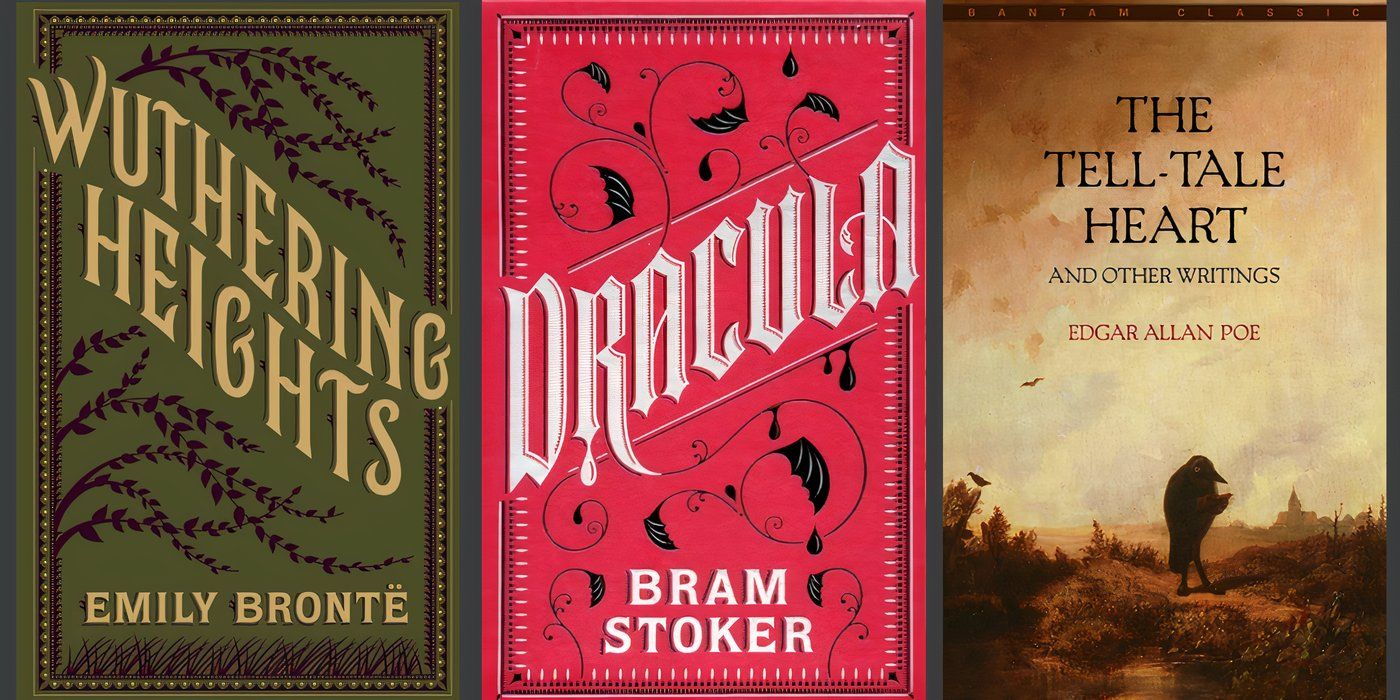
Highlights
- Evocative Imagery: Both styles enrich the original text with vivid descriptive language, but Ava Reid emphasizes a gothic, atmospheric quality, while David Foster Wallace layers complexity and philosophical humor.
- Thematic Depth: Ava Reid’s version leans into dark, folkloric nuances and evocative, melancholic imagery; David Foster Wallace’s approach critically examines the mundane, transforming it into a canvas of existential reflection.
- Stylistic Techniques: Ava Reid’s narrative employs poetic rhythm and immersive details, whereas David Foster Wallace infuses the text with intellectual digressions, self-aware irony, and intricate sentence constructions.
Introduction
In this comprehensive guide, we take an ordinary sentence and elevate its narrative quality by rewriting it in two distinct, highly evocative literary styles. The original sentence—"The quick brown rabbit jumps over the lazy frogs with no effort."—serves as the starting point for two creative interpretations. On one hand, we have the style of Ava Reid, noted for its atmospheric, dark, and deeply descriptive imagery often tied to gothic and folkloric themes. On the other, we explore the approach of David Foster Wallace, whose work is recognized for its complex sentence structures, intellectual digressions, and postmodern self-awareness. Through this dual rewriting, the same text transforms into distinct moods and readings, each engaging the reader in unique ways.
The task not only demonstrates the power of stylistic choices in literature but also provides a practical look at how descriptive language and narrative structure can be tuned to convey different tones and depths. This guide is structured to provide an in-depth analysis of the rewriting process, comparative insights into each style, and relevant stylistic markers that define each approach.
Section 1: Rewrite in the Style of Ava Reid
Evoking a Gothic Atmosphere
Ava Reid’s style is deeply immersed in evocative imagery and atmospheric narrative. Her writing is characterized by rich, descriptive language that conjures the sensory details of a scene, steeped in gothic undertones. When rewriting the original sentence in her voice, we focus on transforming the landscape and the characters into elements of a wider, enigmatic narrative. Here, nature is not merely a setting; it is imbued with mystical qualities that echo the characters’ inner worlds.
The Scene Redesigned
Imagine a twilight marsh, shrouded in a lingering mist that softens the hard edges of reality and time. In this re-imagined scene, the quick brown rabbit transforms into a creature emblematic of restless wanderers—a subtle yet powerful symbol of untamed energy and ephemeral beauty. Its lithe form moves with an elegance that hints at secrets from forgotten shadows. This is not a simple jump; it is an ethereal ballet against a tapestry of decay and mystery.
The lazy frogs, reinterpreted under Ava Reid's pen, embody the weight of forgotten memories and the inertia of existence. They lie in a languid pose, their dull eyes and softened forms speaking of an eternal slumber. The effortless jump of the rabbit over these frogs becomes a metaphor for the transient, yet potent, bursts of clarity that tear through the stagnant veil of routine despair.
A Revised Text in Ava Reid’s Style
"In the twilight of a murky marsh, where the air murmurs secrets of decay and the earth clings to ancient sorrows, a swift, tawny rabbit bounded effortlessly over a congregation of languid frogs. These amphibious silhouettes, entrenched in the poison of time and neglect, barely stirred in their repose, their eyes like pools of forgotten lore reflecting the spectral glow of a waning day. With each graceful leap, the rabbit stitched fleeting fragments of defiant new life against the charred shawl of oblivion."
Dissecting the Gothic Aesthetic
Atmosphere and Tone
Ava Reid’s rewrite heavily employs setting as a character in itself. The marsh is described in haunting, sensory terms—its "murky twilight," "murmuring air," and "charred shawl of oblivion" evoke a sense of decay and wistfulness that permeates every word. The choice of words such as "tawny" for the rabbit and "languid" for the frogs carefully injects an ancient, mythic quality into the narrative.
Emotional Underpinnings
Beyond surface details, the rewriting taps into deeper emotions. The effortless jump of the rabbit over the frogs is likened to a sudden burst of life or possibility amidst entrenched inertia. Through phrases like “defiant new life” and “forgotten lore,” the text invites readers to explore themes of rebirth against the backdrop of decay—a recurring motif in gothic and fantasy literature.
Section 2: Rewrite in the Style of David Foster Wallace
Dissecting Narrative Complexity
David Foster Wallace is renowned for his intricate narrative style, characterized by multi-layered sentences, intellectual rigor, and self-reflexive commentary. To rewrite the original sentence in his style, the plain and simple act of a rabbit jumping over frogs becomes a multi-faceted event laden with philosophical inquiry. In Wallace’s rendition, even an effortless action is scrutinized in relation to broader concerns about existence, awareness, and the unavoidable interplay of chaos and order.
The Cognitive Reframing
Wallace’s version of the scene does not simply present an event as a static occurrence; instead, it actively deconstructs the act. The rabbit’s jump, described with a lexicon that hints at deeper existential currents, serves to question the very nature of perception and effort. In doing so, the narrative unfolds layers of interpretative possibilities, inviting readers to consider the metaphysical implications of what might otherwise be dismissed as a trivial moment.
Consider the reworked text: It introduces notions of time, fleeting existence, and the paradox of effortless action, all while interweaving humorous asides and digressions about the absurdity of over-analyzing simple motions. This approach forces the reader to confront their inherent tendency to seek meaning in every concrete detail.
A Revised Text in David Foster Wallace’s Style
"So, here's the scene: a rabbit—brown, yes, quick in a way that might suggest an almost imperceptible alignment with the capricious dictates of fate—jumps, almost negligibly, over a set of frogs that, let’s be honest, seem caught in a persistent and profoundly calculated inertia. And yet, there's something unsettling here: the utter lack of effort, the way it appears as if the laws of physics have conspired, in the most mundane fashion, to render an act so simple that we only glimpse its true absurdity when we start to read into it—think, for instance, how our own labor is laden with meaning or the lack thereof, echoing that perennial human struggle against the ceaseless tide of mediocrity. One might even, if one is so inclined, see this as a microcosm of life's larger, often paradoxical narrative: a small, biophysical event that mirrors the existential dance between the apparent randomness of nature and the weighty demands we impose on it."
Layered Symbolism and Self-Reflexivity
Narrative Digressions
A hallmark of Wallace’s style is his use of extensive, sometimes circuitous narrative digressions that explore broader philosophical or even mundane issues as footnotes to the primary narrative. In the revision, the discussion of the rabbit’s jump transforms into a reflective commentary on the nature of effort, existence, and the often-overlooked minutiae of life. These digressions serve to complicate what might seem straightforward, suggesting that even the "no effort" act might be an illusion orchestrated by layers of cosmic irony.
Integrative Complexity
Wallace’s version is replete with integrative complexity—a narrative that compels readers to question and interpret every facet of the scene. Here, simplicity is subverted by intellectual and existential inquiry. The text is layered with hypothetical references, subtle humor, and self-aware commentary, forcing us to consider the absurdity of human perception. Each clause is constructed to guide the reader through varied intellectual landscapes, from casual observation to deep philosophical rumination, all bundled within the confines of a seemingly trivial motion.
Comparative Analysis Table
| Aspect | Ava Reid Style | David Foster Wallace Style |
|---|---|---|
| Imagery | Rich, gothic, atmospheric; imbued with shadows and faded lore | Complex imagery that interrogates simple acts through philosophical layering |
| Language | Poetic and descriptive with an emphasis on sensory details | Verbose, layered with self-reflexive commentary and digressions |
| Tone | Emotional, melancholic, mythical | Analytical, ironic, existential |
| Narrative Depth | Builds a vivid setting that is almost a character in itself | Transforms a simple act into a multifaceted exploration of being and nothingness |
| Reader Engagement | Immersive and evocative, stirring deep emotional responses | Invites intellectual analysis and challenges readers to question ordinary perceptions |
Further Discussion on Stylistic Transformations
Impact of Descriptive Techniques
Both rewriting styles illustrate the transformative power of careful descriptive techniques. Ava Reid’s version focuses on harnessing sensory details that evoke a torrent of imagery—the interplay of light and dark, vivid descriptions of natural landscapes, and an almost palpable presence of past trauma and myth. Her approach effectively turns a mundane sentence into a narrative that weaves emotional undercurrents with stark visual details.
In contrast, David Foster Wallace’s version elevates the mundane by deconstructing it. The effortlessness of the rabbit’s jump becomes a doorway to a deeper conversation about the nature of effort, the subtle intricacies of existence, and the way seemingly effortless actions are often laden with layers of meta-narrative and existential humor. This interplay of complexity and subjectivity mirrors Wallace’s signature style, where every description opens up multiple avenues for reader interpretation.
Technique Integration as a Literary Tool
The dual rewriting demonstrates that literary style is not merely about word choice—it involves an integration of tone, structure, imagery, and deeper cognitive layers. Ava Reid’s gothic influence intertwines the physical description with emotional and symbolic weight: every detail carries the echo of historical decay and haunted beauty. Conversely, Wallace’s postmodern approach deconstructs the narrative methodically, often inserting meta-commentary that draws attention to the act of storytelling itself.
Integrating these techniques allows writers to not only tell a story but also to challenge the reader’s perceptual framework, compelling an interaction that is as much an intellectual exercise as it is an emotional journey. Both rewrites, though divergent in style, highlight how varying literary techniques can reshape an ostensibly simple idea into profound art.
The Role of Context in Interpretation
Another crucial aspect evident in both stylistic approaches is how context transforms the meaning of a narrative. In Ava Reid’s version, the context of a gloomy, decaying marsh amplifies the ephemeral beauty of the rabbit’s action, turning it into a symbolic gesture against the backdrop of neglect and despair. In Wallace’s adaptation, the context is less about setting and more about introspection—a scene prompting the reader to delve into the latent cultural and existential commentary embedded within ordinary actions.
This differentiation highlights a key element of literary transformation: context dictates the narrative lens through which a story is told and understood. The environment and reader expectations shape how descriptive choices are interpreted, allowing multiple versions of the same text to evoke entirely different responses.
Conclusion
In conclusion, rewriting a simple sentence in the styles of Ava Reid and David Foster Wallace illustrates the extraordinary impact that literary technique can have on narrative composition. Ava Reid’s re-imagined text draws the reader into a vividly gothic world, where even a small animal’s action becomes a profound symbol of life's ephemeral beauty against a backdrop of decay. Her rich, cinematic language transforms the ordinary into an evocative tapestry of atmosphere and emotion.
On the other hand, David Foster Wallace’s version transforms a mundane leap into a layered, intellectual exploration of existence. By deconstructing the narrative into a series of reflective observations, his rewrite challenges readers to re-examine the meaning behind simple actions, viewing them as microcosms of broader existential dilemmas wrapped in self-aware humor.
Both rewrites demonstrate that style is not merely an accessory to content—it is integral to how meaning is generated and experienced. Whether through the poetic, immersive landscapes of gothic prose or the rigorous, self-reflexive complexity of postmodern narrative, literature offers numerous pathways to reinterpret even the simplest of statements. This exercise stands as a testament to the vibrancy and versatility of creative writing, emphasizing that every word carries the potential for depth and resonance when approached with intention and artistry.
References
- An Ava Reid Essay - Charlotte Kersten
- Ava Reid - Wikipedia
- David Foster Wallace - The Creative Echo
- David Foster Wallace - Fiveable Library
- David Foster Wallace Glossary - Ultius
Recommended
 richardgilbert.wordpress.com
Last updated February 23, 2025