
Textiles: A Comprehensive Exploration
Discover the History, Types, and Innovations in the Textile Industry
Highlights
- The evolution and diversity of textile materials and manufacturing processes
- Detailed breakdown of natural, synthetic, and blended fibers with various applications
- Environmental impacts and sustainable innovations shaping the modern textile industry
Introduction to Textiles
Textiles have been an intrinsic part of human civilization—from the earliest woven fabrics to today’s high-tech innovations. The term "textile" originates from the Latin word textilis, meaning "woven." Originally associated solely with woven materials, the definition now embraces an extensive variety of fabrics, yarns, fibers, and non-woven materials. This comprehensive exploration dives deep into the origins of textiles, how they are produced, their diverse classifications, and their importance within both consumer and industrial domains.
The textile industry not only includes the materials themselves, but also the processes that transform raw fibers into finished products. From the cultivation of natural fibers like cotton and wool to the chemical synthesis of materials such as polyester and nylon, textiles are at the crossroads of art, science, technology, and environmental stewardship. Modern advances have prompted a rethinking of traditional methods, emphasizing both sustainability and innovation.
Historical Overview and Evolution
From Ancient Weaves to Modern Textiles
The history of textiles spans millennia. Early humans used natural fibers and rudimentary weaving techniques to create garments for protection and ornamentation. As civilizations advanced, the art of weaving, knitting, and other fabric creation techniques developed significantly. Ancient cultures from Egypt to China showcased intricate looms and even documented methodologies that have influenced contemporary textile production.
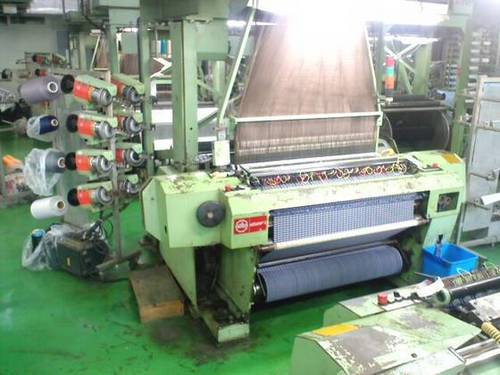
The industrial revolution marked a radical transformation in textile manufacturing. Mechanization and the introduction of powered looms facilitated mass production, meeting growing consumer demands. This era not only boosted economies but also laid the groundwork for the eventual development of synthetic textiles. Today, the integration of digital technologies and automation continues to transform the textile landscape, ensuring higher quality standards and innovative capabilities.
Types of Textiles and Fiber Sources
Natural Fibers
Natural fibers are derived from organic sources. They include:
Plant-Based Fibers
Cotton, flax, hemp, and jute are all derived from plants. Cotton remains one of the most widely used fibers because of its softness, breathability, and versatility. Flax, used to produce linen, offers durability and a natural luster. Hemp and jute are known for their strength and eco-friendly properties, making them popular choices for both functional and decorative textiles.
Animal-Based Fibers
Wool and silk are prime examples of animal-based textiles. Wool, sourced from sheep and other animals, is prized for its insulation and resilience. Silk, produced by silkworms, is valued for its smooth texture and luster. These fibers not only embody a rich tradition of textile craftsmanship but also serve various applications where performance and elegance are equally important.
Synthetic and Blended Fibers
Synthetic fibers, such as polyester, nylon, acrylic, and spandex, are engineered using chemical processes. They provide a range of benefits including increased strength, durability, and elasticity. Their production typically involves polymerization, creating fiber structures that mimic or enhance the qualities of natural fibers.
Additionally, blended fibers combine the best attributes of both natural and synthetic types. These blends can be formulated to optimize the tactile experience, durability, and moisture-wicking properties of fabrics. By integrating different fiber types, manufacturers create textiles that meet specialized needs in performance and comfort.
Manufacturing Processes
Overview of Production Methods
The journey from raw fiber to finished textile product involves several intricate processes. The manufacturing route varies depending on the desired end use of the fabric. The main stages include fiber production, yarn formation, fabric creation, and finishing.
Fiber Production and Preparation
Natural fibers are harvested from their sources and require cleaning and treatment before they can be spun into yarn. Synthetic fibers, conversely, begin with chemical processes that produce polymers, which are then extruded into fibers.
Yarn Formation
Once the fibers are ready, they are spun into yarn through twisting, drawing out, and sometimes blending different fiber types. This step is crucial as it determines the strength, thickness, and texture of the final yarn.
Fabric Creation Methods
The primary methods used in fabric construction are weaving, knitting, felting, and non-woven techniques. Weaving involves interlacing two sets of yarns at right angles, resulting in a fabric that can vary in texture and durability. Knitting creates fabrics through interlocking loops of yarn and typically offers more stretch and flexibility. Felting is a process where fibers are entangled to form a dense fabric without a traditional weave, and non-woven techniques rely on chemical or mechanical means to bond fibers together.
Finishing Processes
Finishing processes such as dyeing, printing, and chemical treatments enhance the appearance and functional properties of textiles. Dyes add color while treatments can improve water resistance, flame retardancy, or stretchability. Innovations in finishing are increasingly focused on reducing environmental impact while delivering high-quality products.
Table of Textile Production Processes
| Stage | Description | Example Techniques |
|---|---|---|
| Fiber Production | Harvesting natural fibers or synthesizing polymers | Cotton picking, Polymer extrusion |
| Yarn Formation | Spinning fibers into yarns with desired properties | Ring spinning, Open-end spinning |
| Fabric Creation | Constructing fabric via interlaced or entangled yarns | Weaving, Knitting, Felting |
| Finishing Processes | Enhancing appearance, durability, and functionality | Dyeing, Printing, Chemical treatments |
Applications of Textiles in Various Sectors
Consumer Versus Technical Textiles
Textiles can broadly be categorized into consumer and technical textiles based on their intended usage and performance requirements.
Consumer Textiles
Consumer textiles are primarily designed for domestic purposes such as clothing, bedding, and upholstery. In these products, aesthetics and comfort are key considerations. The focus is on tactile qualities, colorfastness, and overall design appeal. Consumer textiles often reflect cultural significance and traditional craftsmanship.
In addition to fashion, these materials are also widely used in home furnishings. Innovations in fabric treatments have led to materials that are easier to clean, more durable, and environmentally friendly, responding to the evolving demands of consumers.
Technical Textiles
On the other hand, technical textiles are engineered for specific functional properties rather than aesthetics. They are utilized in areas where performance is critical such as in medical devices, industrial applications, and geotechnical engineering. Technical textiles cover a broad spectrum that includes:
- Geotextiles used in civil engineering for soil stabilization and structural reinforcement
- Medical textiles that offer sterile or barrier properties suitable for healthcare environments
- Automotive textiles, contributing to both safety and comfort in vehicles
- Protective clothing and sportswear designed with high-performance materials for durability and flexibility
The continuous evolution of technical textiles is driven by research, advanced materials, and interdisciplinary collaborations that seek to marry functionality with innovative design.
Market Dynamics and Economic Impact
Global Industry Trends
The textile industry remains one of the world's largest industrial sectors, with global market projections indicating sustained growth. The emergence of sustainable production practices, coupled with continuous innovation, has spurred the market toward more eco-friendly and efficient processes. Analysts project that market sizes will continue to expand as consumers demand not only diverse product offerings but also materials produced through responsible methods.
Economic contributions from the textile sector are significant. Major producing countries invest heavily in research and technology to improve manufacturing efficiency and explore new frontiers such as smart textiles, which integrate electronic functionalities into fabric. These smart textiles have applications in health monitoring, adaptive clothing, and various safety devices.
Emerging Challenges and Opportunities
Despite its impressive contributions to global economies, the textile industry faces numerous challenges, including:
- Environmental concerns arising from dyeing, chemical treatments, and resource-intensive processes
- Labor practices that demand improved working conditions and fair wages
- Rapid technological advancements that require training and infrastructure updates
To address these challenges, the sector is increasingly turning to sustainability initiatives. These initiatives include:
- Adoption of organic and recycled fibers
- Investment in water-saving and energy-efficient processing technologies
- Research in biodegradable and eco-friendly dyes and finishes
By integrating these practices, the textile industry is poised to balance economic growth with environmental stewardship, ensuring that future production aligns with global sustainability goals.
Innovations and Future Directions in Textiles
Technological Advancements
Innovation is at the heart of today’s textile evolution. Advances in materials science and digital manufacturing have paved the way for textiles that are not only aesthetically appealing but also technologically sophisticated. Examples include smart textiles, which incorporate sensors and responsive materials capable of monitoring health, adapting to environmental conditions, or providing interactive functionalities.
Moreover, developments in nanotechnology are leading to textiles with enhanced properties such as improved water repellency, stain resistance, and even self-cleaning capabilities. This merging of technology with traditional textile manufacturing opens up exciting prospects in diverse fields ranging from fashion to aerospace.
Sustainable Practices and Industry Innovations
Sustainability has become a cornerstone of modern textile production. With growing awareness about the environmental impacts of textile manufacturing, many companies are adopting green technologies that minimize water usage, reduce chemical waste, and lower energy consumption. Sustainable innovations include:
- Utilizing renewable energy for production facilities
- Advancing recycling technologies for polyester and other synthetic fibers
- Implementing closed-loop systems that significantly cut down on water and chemical waste
These practices not only help in reducing the ecological footprint of the industry but also drive positive change in consumer behavior by encouraging the purchase of eco-friendly products. The intersection of economic viability and environmental responsibility is increasingly recognized as a key competitive advantage.
Detailed Comparison of Textile Categories
Summary Table of Textile Categories
| Category | Fiber Source | Common Applications | Key Manufacturing Techniques |
|---|---|---|---|
| Natural Textiles | Cotton, Linen, Wool, Silk | Clothing, Home Furnishings, Cultural Garments | Weaving, Knitting, Felting |
| Synthetic Textiles | Polyester, Nylon, Acrylic, Spandex | Sportswear, Industrial Applications, Technical Products | Extrusion, Spinning, Non-Woven Bonding |
| Blended Textiles | Combination of Natural and Synthetic | Optimized Wear, Enhanced Durability, Specialized Applications | Hybrid Spinning, Composite Weaving |
| Technical Textiles | Various; tailored for functional properties | Geotextiles, Medical Textiles, Automotive Fabrics | Specialized Weaving, Coating, Digital Integration |
Cultural and Societal Influence of Textiles
The Art and Craft of Textiles
Beyond their practical applications, textiles carry immense cultural and historical significance. Throughout history, fabrics have told stories—representing regional identities, religious beliefs, and social status. Traditional weaving techniques, unique designs, and intricate patterns are often passed down through generations, becoming symbols of cultural heritage.
In many communities around the world, handmade textiles continue to be a vibrant expression of local art. Whether it is the vivid motifs in South American textiles, the intricate embroidery of South Asia, or the minimalist elegance seen in Scandinavian designs, each piece is a reflection of history, skill, and the aesthetic values of its makers.
Economic and Social Impact
The textile sector has a profound economic impact, providing employment to millions worldwide. From large-scale industrial production to artisanal weaving, this diverse field supports countless livelihoods and contributes to economic development across both emerging and developed economies. The ripple effects of textile production extend into various other sectors including fashion, transportation, and interior design.
Textiles also serve as a catalyst for social change. Initiatives aimed at ensuring ethical labor practices and fair trade are increasingly important as consumers become more socially conscious. Educational programs and local cooperatives work to preserve traditional techniques, empowering communities to sustain and celebrate their cultural legacies while integrating modern innovations.
Environmental Considerations and the Path Forward
Environmental Impacts of Textile Production
It is widely acknowledged that the textile industry is among the major contributors to environmental pollution. Chemical dyes, water usage, and waste generation are persistent concerns. Addressing these issues requires a concerted effort from producers, governments, and consumers alike. Processes such as water recycling, the use of biodegradable chemicals, and the development of eco-friendly raw materials are steadily being integrated into the production cycle.
Despite the challenges, the textile industry is at a critical juncture where sustainable practices are not only feasible but also economically advantageous. Research into environmentally sustainable fibers and green finishing processes is paving the way for a cleaner, more responsible industry model.
Forward-Looking Innovations
The promise of technology and sustainability lies at the core of the future textile landscape. Advances in material science are enabling the creation of textiles that are not only functional and durable but also environmentally benign. For instance, innovations in nanotechnology offer self-cleaning surfaces and improved stain resistance while reducing the need for harmful chemicals. Smart fabrics, integrated with sensors and adaptive features, are set to revolutionize sectors such as healthcare and sportswear.
Additionally, the circular economy is gaining traction within the textile industry. By embracing recycling, upcycling, and mindful consumption practices, manufacturers are working to create closed-loop systems that minimize waste and resource consumption. This progressive shift underscores the global commitment to ensuring that textile production is both socially responsible and ecologically sustainable.
References
- Textile industry - Wikipedia
- Textile Market Size, Share & Growth Analysis Report, 2030 - Grand View Research
- Textile Industry Report - Mordor Intelligence
- Textile - Britannica
- Understanding the Types of Textiles - Swavelle
Recommended Queries for Further Exploration
Last updated March 15, 2025