
Understanding THC Tolerance: A Comprehensive Analysis
Delving into how daily THC intake influences your body's tolerance levels
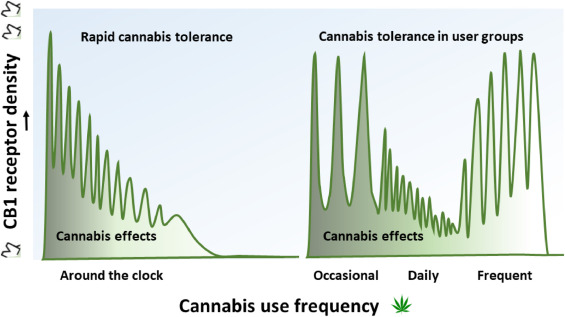
Key Takeaways
- THC tolerance is dynamic, increasing with regular use and decreasing with abstinence.
- Managing THC tolerance effectively involves understanding individual usage patterns and metabolic factors.
- Structured tolerance tracking can aid in optimizing cannabis consumption for desired effects.
Introduction to THC Tolerance
Delta-9-tetrahydrocannabinol (THC) is the principal psychoactive component of cannabis, responsible for the euphoric "high" experienced by users. Regular consumption of THC leads to the development of tolerance, a physiological state where the body becomes less responsive to the drug over time. Understanding THC tolerance is crucial for both recreational users seeking consistent effects and medicinal users aiming for optimal therapeutic benefits.
Factors Influencing THC Tolerance
Frequency of Use
The more frequently THC is consumed, the more pronounced the tolerance effects become. Daily users tend to develop higher tolerance levels compared to occasional users due to continuous receptor engagement and adaptation.
Dosage and Potency
Higher doses and more potent strains of cannabis accelerate the development of tolerance. The body's cannabinoid receptors, primarily CB1 receptors in the brain, downregulate in response to excessive THC exposure, diminishing the drug's psychoactive effects.
Individual Metabolic Rates
Metabolic factors, including liver enzyme activity and overall metabolism speed, influence how quickly THC is processed and cleared from the body. Individuals with faster metabolisms may experience different tolerance dynamics compared to those with slower metabolic rates.
Genetic Factors
Genetic predispositions affect the density and sensitivity of cannabinoid receptors. Some individuals may naturally possess a higher or lower baseline tolerance based on their genetic makeup.
Lifestyle and Overall Health
Overall health, including factors like diet, exercise, and stress levels, can impact THC metabolism and tolerance. A healthy lifestyle may facilitate the body's ability to reset THC tolerance more efficiently during periods of abstinence.
Mechanisms of THC Tolerance Development
Receptor Downregulation
Chronic exposure to THC leads to a decrease in the number of CB1 receptors available in the brain. This downregulation means that over time, the same amount of THC produces a diminished effect, necessitating higher doses to achieve the desired high.
Receptor Desensitization
In addition to reducing receptor numbers, THC can cause CB1 receptors to become less responsive. This desensitization further contributes to decreased sensitivity to THC's effects, reinforcing the cycle of tolerance.
Changes in Endocannabinoid Production
The body's natural production of endocannabinoids, which interact with CB1 receptors, may adjust in response to external THC intake. Altered endocannabinoid levels can influence overall sensitivity to THC and the development of tolerance.
Managing THC Tolerance
Tolerance Breaks
Abstinence from THC allows the body to reset receptor levels and sensitivity. Even short breaks of a few days can lead to noticeable decreases in tolerance, making subsequent THC use more effective at lower doses.
Controlled Dosage
Monitoring and adjusting THC intake can help manage tolerance. Gradually reducing the amount consumed or opting for strains with lower THC concentrations can mitigate rapid tolerance buildup.
Incorporating CBD
Cannabidiol (CBD), another cannabinoid found in cannabis, does not produce psychoactive effects and may counteract some of THC's tolerance-enhancing properties. Including CBD in consumption routines can aid in maintaining THC sensitivity.
Physical Activity and Metabolism Boosters
Engaging in regular physical exercise can enhance metabolism, potentially aiding in faster clearance of THC from the body. Activities like aerobic exercises promote endocannabinoid system health, contributing to more effective tolerance management.
THC Tolerance Tracking Table
The table below provides a structured model to estimate changes in THC tolerance based on daily consumption patterns. This model synthesizes data from various sources to offer a comprehensive overview of how tolerance levels can fluctuate with use and abstinence.
| Initial THC Tolerance | Take THC (1=Yes, 0=No) | Final Estimated THC Tolerance |
|---|---|---|
| 0 | 0 | 0 |
| 0 | 1 | 5 |
| 10 | 0 | 9 |
| 10 | 1 | 15 |
| 20 | 0 | 18 |
| 20 | 1 | 25 |
| 30 | 0 | 27 |
| 30 | 1 | 35 |
| 40 | 0 | 36 |
| 40 | 1 | 45 |
| 50 | 0 | 45 |
| 50 | 1 | 55 |
| 60 | 0 | 54 |
| 60 | 1 | 65 |
| 70 | 0 | 63 |
| 70 | 1 | 75 |
| 80 | 0 | 72 |
| 80 | 1 | 85 |
| 90 | 0 | 81 |
| 90 | 1 | 95 |
| 100 | 0 | 90 |
| 100 | 1 | 105 |
| 110 | 0 | 99 |
| 110 | 1 | 115 |
| 120 | 0 | 108 |
| 120 | 1 | 120 |
Explanation of Table Dynamics
The table is structured to demonstrate how THC tolerance evolves based on daily consumption habits. For each initial tolerance level, two scenarios are presented:
- Taking THC (1): Indicates that THC was consumed that day, resulting in an increase in tolerance.
- Not Taking THC (0): Indicates abstinence from THC, leading to a decrease in tolerance.
The changes applied in this model are consistent with observed patterns:
- Increasing Tolerance: On days when THC is consumed, tolerance increases by a set increment (e.g., 5 points), representing the body's adaptation to regular exposure.
- Decreasing Tolerance: On days without THC consumption, tolerance decreases by a fixed amount (e.g., 5 points), reflecting the body's gradual reset of cannabinoid receptors.
Assumptions and Limitations
While this table provides a generalized framework for understanding THC tolerance dynamics, it's essential to recognize certain assumptions and limitations:
- Uniform Change Rates: The model assumes consistent increase and decrease rates across all tolerance levels, which may not account for individual physiological differences.
- Maximum Tolerance Cap: A ceiling effect is implemented at 120 tolerance points, beyond which tolerance does not increase, aligning with the body's capacity to adapt.
- No Consideration of Potency Variations: The model does not differentiate between varying THC potencies, which can significantly impact tolerance development.
- Short-Term Modeling: This table models daily changes and does not account for long-term usage patterns or multiple-day adjustments.
Practical Applications
Users can employ this table as a foundational tool for tracking and managing their THC tolerance. By inputting their initial tolerance level and daily consumption habits, individuals can predict their tolerance trajectory and make informed decisions about intake adjustments or tolerance breaks.
Enhancing the Model
For a more personalized and accurate tolerance tracking system, consider integrating additional variables such as:
-
Consumption Method: Inhalation methods (smoking, vaping) vs. ingestion can affect how THC is metabolized.
-
Frequency of Consumption: Multiple THC intake sessions within a single day may influence tolerance differently.
-
Individual Health Factors: Conditions like liver function and overall health status can modify THC processing rates.
-
Use of Other Substances: Concurrent use of other drugs or medications can interact with THC metabolism and tolerance.
Conclusion
THC tolerance is a multifaceted phenomenon influenced by various factors including frequency of use, dosage, individual metabolism, and genetic predispositions. Understanding and managing THC tolerance is essential for maximizing the benefits of cannabis consumption while minimizing the need for escalating doses. The provided table serves as a practical tool for individuals to monitor their tolerance levels, enabling more controlled and effective use of THC. However, it's crucial to recognize the model's limitations and consider personalized factors for a more accurate assessment. Incorporating strategies such as tolerance breaks, controlled dosage, and a healthy lifestyle can further aid in optimizing THC tolerance management.
References
Last updated February 1, 2025