
Exploring the Diverse World of Theatre and Performance
A Journey Through Traditional, Experimental, and Contemporary Forms
Key Takeaways
- Comprehensive Diversity: Theatre and performance art include a vast range of genres from classical tragedies and comedies to innovative immersive and digital experiences.
- Interdisciplinary Evolution: Many contemporary forms blend multiple artistic disciplines, enriching storytelling through movement, multimedia, interaction, and narrative experimentation.
- Cultural and Social Engagement: Performance frequently reflects societal issues, cultural heritage, political movements, and personal narratives, making it a dynamic and ever-evolving art form.
Introduction
Theatre and performance are dynamic and multidimensional fields that have evolved over centuries. Their evolution mirrors the changing sensibilities of society, and they continue to push creative boundaries. This comprehensive overview examines the various types of theatre and performance arts, exploring traditional genres, contemporary experimental forms, interdisciplinary hybrids, and culturally significant practices. By understanding this diversity, audiences and practitioners alike can appreciate the unique contributions each form makes to the broader artistic landscape.
Traditional theatre, rooted in ancient practices, has given rise to numerous established genres such as tragedy, comedy, and drama. Over time, these genres have merged with modern techniques and trends, resulting in innovative forms that incorporate music, dance, digital media, and audience interaction. This synthesis not only honors history but also embraces novel methods of storytelling and performance. The following sections detail the evolution and characteristics of these varied performance types.
Traditional Theatre Forms
Drama, Tragedy, and Comedy
Traditional theatre has its origins in ancient cultures, particularly within Greek and Roman contexts. Tragedy and drama are hallmarked by their exploration of deep moral issues, human suffering, and existential dilemmas. Originating from the religious festivals of ancient Greece, tragedy evolved to incorporate complex narratives that examine the human condition. The dramatic structure in these forms is characterized by a progression from rising action to a cathartic climax, culminating in a resolution that often leaves audiences with profound reflections.
Comedy, on the other hand, is designed to evoke laughter while often offering a critique of societal norms. Classical comedies by playwrights such as Aristophanes and later by Shakespeare utilized wit, satire, and farce to entertain and provoke thought. These forms contrast with the more solemn nature of tragedies, providing balance in theatrical storytelling.
Musical Theatre
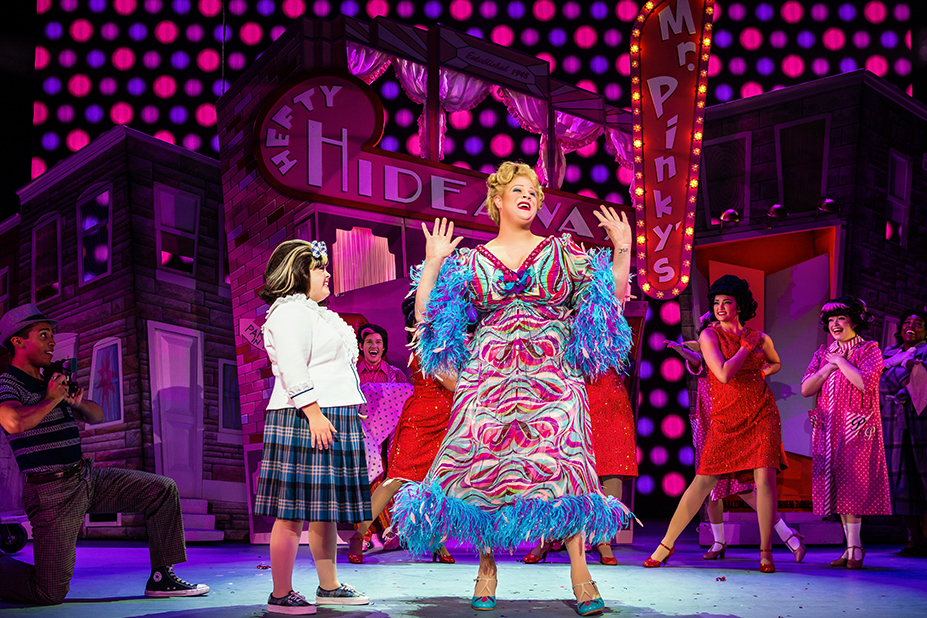
Musical theatre is an amalgamation of acting, spoken dialogue, music, and dance. Emerging strongly in the 20th century, musical theatre has become a popular form of entertainment in Broadway, West End, and regional theaters around the world. It blends narrative storytelling with the emotional power of music to create memorable and immersive experiences. Whether it is a story told entirely through song or the integration of complex choreography and dialogue, musical theatre captivates diverse audiences through its multi-layered approach.
The hybrid nature of musical theatre allows it to draw from a wide range of stylistic elements, making the experience accessible and engaging for a varied demographic. By combining traditional narrative structures with innovative musical scores and dynamic visual presentations, this genre continues to evolve while retaining its core appeal.
Historical and Epic Theatre
Another notable strand of traditional theatre is historical or epic theatre, wherein performances are often inspired by real historical events or figures. Epic theatre, popularized by figures such as Bertolt Brecht, focuses on encouraging audiences to think critically about social and political issues. These performances often break the fourth wall and employ techniques that remind spectators they are watching a constructed narrative, thereby inspiring broader reflections on society and history.
Historical plays engage audiences by presenting dramatized reenactments of past events, allowing for a reinterpretation of cultural narratives. This form not only serves as a medium for entertainment but also as a tool for education and collective memory.
Contemporary and Experimental Theatre
Experimental/Avant-Garde Theatre
Avant-garde theatre represents the cutting edge of performance, challenging traditional notions of narrative structure, staging, and audience interaction. This form of theatre is characterized by its innovative use of space, form, and material. It frequently involves non-linear storytelling and unconventional techniques that disrupt the audience's expectations.
Experimental theatre often touches upon themes and styles that are not typically explored in classical forms. Artists in this genre have embraced multimedia, technology, and abstract symbolism to convey their messages. By breaking away from conventional storytelling, avant-garde productions provide fresh perspectives on familiar themes, thereby invigorating the theatre arts.
Improvisational Theatre
Improvisational theatre is an art form where performers create scenes and narratives spontaneously without a rigid script. This spontaneous storytelling relies heavily on the creativity of the performers and their ability to interact with each other and the audience. One of the key elements of improv is the incorporation of audience suggestions, which can significantly influence the direction of the performance.
The fluid and dynamic nature of improv encourages a high level of collaboration and trust among performers. It also makes each performance unique, with unpredictable outcomes that add to its charm and relevance. This form of theatre is celebrated for its flexibility and emphasis on creativity, often serving as an incubator for innovative theatrical techniques.
Immersive Theatre
Immersive theatre aims to disrupt the traditional barrier between audience and performance by inviting spectators to become part of the narrative themselves. In such productions, the physical space of the performance is transformed into an interactive environment where audiences can freely explore or even participate in the storyline. This method transforms passive viewers into active participants, often resulting in a highly personalized experience.
This genre often employs non-traditional, site-specific venues that add depth and context to the performance. Audiences may navigate through multiple rooms or outdoor settings, with each space offering distinct parts of the story. Immersive theatre is particularly popular in contemporary artistic circles where breaking down the traditional fourth wall is seen as a method to intensify emotional and sensory engagement.
Documentary and Verbatim Theatre
Documentary or verbatim theatre draws directly from real-life events and testimonies to create performances that are striking in their authenticity. This form of theatre is often used to address social issues, explore human rights topics, or memorialize historical events through the use of recorded interviews and factual narratives. By grounding performances in reality, such work fosters a powerful connection between the narrative and current social contexts.
The meticulous research that underpins documentary theatre ensures that the performances are not only artistically compelling but also socially relevant. This genre continues to be a vital tool for social commentary and activism, impacting audiences on both an emotional and intellectual level.
Physical and Movement-based Theatre
Physical Theatre and Movement-centric Performances
Physical theatre emphasizes the body as a primary instrument of storytelling, relying on movement rather than dialogue to express ideas and emotions. This form of theatre can often be seen in productions that incorporate dance, mime, acrobatics, and even elements of circus arts. Companies and practitioners specializing in physical theatre challenge traditional narrative conventions, allowing the body to communicate what words may not fully capture.
Movement-based performances create a visual vocabulary that speaks to universal human experiences. They are particularly effective in conveying themes of emotion, conflict, and transformation through expressive choreography and bodily presence. Physical theatre has significantly influenced contemporary performance practices, providing a foundation for experimental and interactive works.
Dance Theatre
Dance, as a standalone performance art, transcends the need for spoken language by using the universal language of movement. Dance theatre blends the techniques and storytelling elements of dance with the dramatic structures of theatre. Whether in the form of classical ballet, modern dance, or experimental choreography, dance theatre is celebrated for its expressive power and ability to visually articulate complex narratives.
These performances can range from highly structured ballets with a predetermined narrative arc to free-form improvised pieces that celebrate spontaneity and creative expression. Dance theatre continues to evolve by incorporating contemporary music, digital effects, and even interactive components that invite audience participation.
Other Forms of Performance Art
Performance Art
Performance art occupies a unique niche that often transcends the boundaries of traditional theatre. In this domain, the act of performing itself is considered art. Performers may use a combination of actions, improvisation, scripted dialogue, and even audience interaction to present ephemeral pieces that challenge conventional notions of art and performance. This broad category is highly diverse, sharing commonalities with both visual arts and theatre, and often focuses on conveying conceptual ideas or social critiques.
Performance art is frequently characterized by its use of unconventional spaces, non-linear narratives, and its focus on the present moment. This form has a rich historical context, emerging in the 20th century as artists began to explore the limits of traditional media and sought to create more experiential and participatory forms of expression.
Digital and New Media Performance
As technology continues to transform every facet of society, the realm of performance has witnessed the emergence of digital and new media forms. These performances incorporate the latest in technology – including video projections, interactive digital platforms, and virtual reality – to create experiences that are both immersive and innovative. By leveraging digital tools, modern performances can transcend the limitations of physical space and offer a global reach.
New media performances are marked by their experimental nature. They often blur the lines between digital art, theatre, and installation art. These presentations are designed to engage audiences in nuanced ways, challenging them to consider the interplay between technology, narrative, and human interaction.
Street and Community Theatre
Street theatre is characterized by its accessibility and spontaneity. Performers bring art directly to public spaces, making theatre available to a broader audience. This form often relies on minimal staging, props, and dialogue, instead harnessing raw energy, humor, and physicality to captivate passers-by. In many urban centers, street theatre is a vibrant part of the cultural fabric, offering both entertainment and a platform for social commentary.
Community and participatory theatre further expand this concept by involving audiences not just as spectators but as active contributors to the performance. Often rooted in social activism or education, these forms encourage dialogue and collective engagement. Such performances allow communities to reclaim public spaces and create narratives that reflect their lived experiences and cultural identities.
Specialized and Thematic Forms
Beyond the general categories, there exists a range of specialized and thematic performance forms that have carved out their distinct niches. For instance, pantomime is a popular tradition in some regions, particularly within the United Kingdom, where it serves both as a festive entertainment and a form of family theatre. Similarly, dinner theatre combines culinary experiences with live performance, enhancing the sensory dimension of storytelling.
Other specialized forms include cabaret and variety shows. Cabaret typically offers more intimate settings with a blend of music, comedy, and dance, while variety shows present multiple acts that may involve magic, acrobatics, or short skits. Such forms maintain an emphasis on entertainment and often thrive on the element of surprise, continually evolving to reflect current social trends.
Integrating Spaces and Stage Types
Traditional Stage Configurations
The staging of a performance plays a crucial role in how the narrative is delivered and perceived. Traditional stage configurations include the proscenium stage, which presents a “picture frame” through which the audience views the performance. With its clear separation between performer and spectator, the proscenium stage remains the most commonly used format in conventional theatre.
In contrast, the thrust stage extends into the audience, creating a more intimate dynamic as spectators are placed on three sides of the performance area. Meanwhile, arena or in-the-round stages ensure that the performance is viewed from every direction, calling for innovative stagecraft and choreography.
Table: Common Stage Types and Their Characteristics
| Stage Type | Description | Audience Arrangement |
|---|---|---|
| Proscenium Stage | Traditional “picture frame” setup; clear separation between audience and performers. | Facing one direction |
| Thrust Stage | Extends into the audience; allows more interaction and intimacy. | Spectators on three sides |
| Arena/In-the-Round Stage | Performance area is centrally located with audience all around. | 360-degree viewing |
| Flexible/Black Box Theatre | Adaptable setups with customizable seating and staging arrangements. | Varied audience arrangements |
This table summarizes the key configurations that impact the dynamics between the performance and the audience, influencing how narratives are constructed and delivered.
Innovative and Non-traditional Spaces
Modern performances frequently extend beyond traditional theatre spaces. Many productions now occur in unconventional settings such as warehouses, public parks, or digital environments. These non-traditional venues invite new ways of engaging audiences and allow for the integration of environmental factors into the performance itself. For example, immersive theatre may require audiences to navigate multiple spaces where different parts of the narrative unfold. With such innovations, the boundary between performance space and everyday life is continuously blurred.
Digital performances, including live-streamed theatre and virtual reality experiences, have introduced another layer of interactivity. Utilizing cutting-edge technology, these formats allow for real-time audience engagement and expand the geographic reach of productions. The versatility of contemporary platforms underlines the adaptability of performance art in response to technological advances and changing audience habits.
Cultural Impacts and Social Engagement
Cultural Relevance and Heritage Performance
Theatre and performance have long served as mirrors of culture, reflecting the values, conflicts, and aspirations of societies throughout history. Heritage theatre, which includes historical reenactments and traditional storytelling, is deeply embedded in the cultural identities of communities. These performances often celebrate cultural myths and legends, preserving traditions for future generations. By connecting contemporary audiences with their cultural roots, heritage performances contribute to a sense of continuity and collective memory.
Beyond heritage, minority theatre plays a vital role in providing platforms for underrepresented voices. These performances address the stories and experiences of minority groups, challenging dominant cultural narratives and fostering inclusivity. By giving a voice to the marginalized, minority theatre helps reshape cultural perceptions and encourages a more diverse representation in the arts.
Political and Social Commentary
The realm of performance art has frequently intersected with political and social activism. Political theatre harnesses the stage as a forum for debate and social critique. Productions in this genre often tackle pressing issues such as inequality, injustice, and conflict, urging audiences to reflect on their societal roles and responsibilities. Forum theatre, a form of applied theatre, actively involves audiences in discussing and even altering the outcome of a scene, thereby becoming a catalyst for social change.
This interactive approach not only breaks down traditional barriers between performers and viewers but also transforms theatre into a space for dialogue and communal problem-solving. As society faces ongoing challenges, political and social commentary through performance art remains an influential tool for advocacy and change.
Interdisciplinary Hybrids and Emerging Trends
Blurring Boundaries: Cross-disciplinary Collaborations
One of the most striking developments in contemporary performance is the merging of artistic disciplines. Today’s performances often embody elements of theatre, dance, music, visual arts, and digital media, creating hybrid experiences that challenge traditional categorizations. These interdisciplinary collaborations have broadened the scope of what theatre can achieve by incorporating diverse techniques and narrative strategies, further enriching the audience’s experience.
Such collaborations are evident in productions that integrate dance with narrative-based theatre, or those that use live projections and soundscapes to augment the storytelling process. In forming these hybrid productions, artists merge aesthetics to produce layered, complex experiences that communicate on multiple sensory levels. This convergence of disciplines not only reinvents how stories are told but also expands the ways in which audiences engage with art.
Technological Innovations and Digital Performance
The infusion of technology into performance art has redefined the boundaries of the genre. Digital performances harness tools such as augmented reality, interactive media, and virtual reality to offer immersive experiences that are both innovative and accessible. These technologically enhanced performances challenge traditional notions of stage and audience, allowing for a reimagined interaction that is responsive to real-time inputs.
For instance, in digital theatre, interactive components might allow the audience to determine the course of a narrative using their smartphones or other digital interfaces. Such innovations highlight the adaptability of performance art in the face of rapid technological progress, ensuring its ongoing relevance and ability to resonate in an increasingly digital world.
A Closer Look: Comparative Analysis
Comparison of Key Theatre Forms
To better illustrate the variety within theatre and performance, the following table provides a side-by-side comparison of several key forms across different dimensions such as narrative style, audience engagement, and typical performance settings.
| Performance Type | Narrative Style | Audience Interaction | Performance Setting |
|---|---|---|---|
| Tragedy | Linear, emotionally charged, focus on existential themes | Passive; spectator reflection encouraged | Traditional proscenium or classical venue |
| Comedy | Humorous, often satirical, with social commentary | Engages through laughter, may include audience cues | Traditional stage to modern cabaret settings |
| Musical Theatre | Multi-faceted narrative combining dialogue, song, and dance | Varies; sometimes interactive, sometimes narrative-driven | Theatre halls, Broadway stages, adaptable venues |
| Immersive Theatre | Non-linear, experiential, often segmented by space | Highly participatory, direct engagement with narrative | Non-traditional spaces: warehouses, public areas |
| Performance Art | Conceptual, focus on process over traditional narrative | Engages intellectually and emotionally, sometimes interactive | Non-conventional spaces, galleries, outdoor areas |
| Digital Performance | Non-traditional, adaptive, interactive digital narratives | Often remote, via digital devices or VR interfaces | Digital platforms, virtual spaces |
This comparative overview underscores the rich texture and versatility inherent in the world of theatre and performance. Each form offers a unique set of experiences and methodologies, appealing to different audience sensibilities while continually pushing the boundaries of artistic expression.
Conclusion
Theatre and performance art represent a vast and evolving spectrum of creative expression. From the ancient traditions of tragedy, comedy, and drama to the innovative realms of immersive, digital, and interdisciplinary performances, each form contributes uniquely to our cultural landscape. The interplay of tradition and innovation in theatre reflects broader societal trends, as artists continually experiment with form, narrative, and audience engagement. By understanding the historical roots, diverse methodologies, and evolving trends, one gains a richer appreciation of how these art forms speak to both individual experiences and collective cultural identities.
The ongoing evolution of theatre and performance highlights their enduring importance as platforms for cultural expression, social commentary, and artistic reinvention. Whether through conventional narratives on a proscenium stage or through groundbreaking interactive digital performances, theatre remains a dynamic arena where creativity thrives and audiences are continually invited to explore new worlds.
References
- Encyclopedia of Theatre Styles and Genres - The Drama Teacher
- Forms of Theatre - Theatre Crafts
- What Are the Different Types of Theater Events? - Broadway World
- Genres and Styles - Humanities LibreTexts
- Performance Art - Art in Context
More
Last updated February 19, 2025