
Pre-Rehearsal Planning for Theatre Directors
Comprehensive strategies for successful production setup
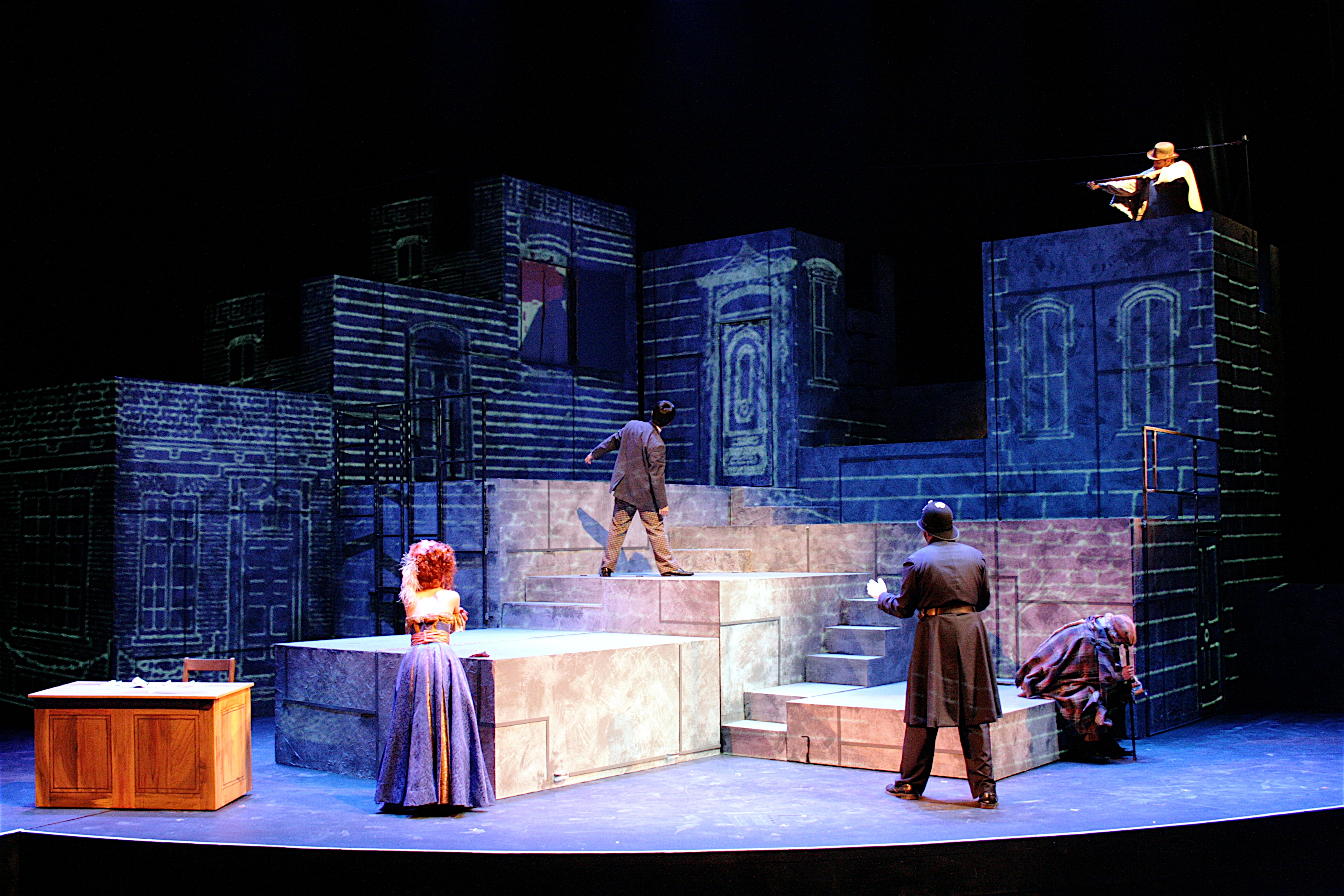
Key Takeaways
- Script Analysis & Concept Development: Deeply understanding the script and forming a creative vision.
- Team Coordination & Scheduling: Detailed pre-production meetings, collaborative design planning, and rehearsals scheduling.
- Logistical and Operational Preparation: Managing budgeting, venue logistics, audition planning, and technical groundwork.
Introduction
Before stepping into the rehearsal process, theatre directors devote significant time and effort to meticulously plan and prepare a robust foundation for the upcoming production. This comprehensive planning phase is integral to ensuring the entire creative process is aligned, efficient, and coherent. It involves multifaceted activities ranging from deep script analysis to practical logistical arrangements that collectively shape the creative vision and operational blueprint for the production.
The pre-rehearsal phase is not just about laying out a schedule—it is an interdisciplinary endeavor where artistic interpretation meets organizational strategy. Directors must explore the thematic layers of the script, develop a unique concept, coordinate with a diverse creative team, and address logistical complexities. This extensive preparation minimizes uncertainties and helps in clearly communicating the vision to all involved, thereby enhancing overall production quality.
1. Script Analysis and Concept Development
A cornerstone in a theatre director’s pre-rehearsal planning is the thorough analysis of the script. This analysis serves as the intellectual and creative soil from which the production’s vision will sprout. The director must immerse themselves in the text to extract essential themes, character arcs, dramatic moments, and underlying subtexts.
1.1 Deep Reading and Annotation
The director begins the process by reading the script multiple times. This deep reading allows them to identify the nuances in dialogue, subtle emotional changes, and pivotal moments in the narrative. During these readings:
- Critical annotations and notes are made to capture significant themes, mood shifts, and dramatic tension.
- The director identifies scenes requiring extra emphasis during rehearsals, such as complex character interactions or intricate stage dynamics.
- The narrative structure, pace, and genre are carefully deconstructed to understand the balance between exposition, climax, and resolution.
1.1.1 Identifying Key Elements
Through careful script analysis, the director determines:
- Character Trajectories: Revealing the journey of each character, their motivations, and their relationships with others.
- Thematic Elements: Underlying themes, such as power dynamics, love, betrayal, or social commentary, that need to be highlighted on stage.
- Dramatic Complexities: Moments that require heightened emotional or spatial staging, which often dictate the pace of rehearsals.
1.2 Conceptual Vision
Based on their deep engagement with the text, theatre directors develop a cohesive concept that serves as the production's emotional and visual backbone. This creative vision informs every technical and artistic decision throughout the production process.
- Interpretative Approach: The director defines how they intend to interpret the narrative and its thematic undertones. This can involve modern, abstract, or period-specific approaches that breathe new life into the story.
- Aesthetic Choices: Decisions regarding the set, costumes, lighting, and sound are directly influenced by the director’s concept, ensuring a unified aesthetic that complements the narrative.
- Audience Experience: By articulating a clear vision, the director decides what emotions and thoughts the audience should experience during performances.
This vision is often communicated through preparatory materials such as mood boards, sketches, or annotated scripts. These visual and written references become crucial tools for aligning the entire creative team.
2. Pre-Production and Team Coordination
Pre-production planning extends beyond the creative realm, requiring extensive collaboration and logistical planning. The theatre director must coordinate with various members of the production team to create a unified and efficient plan that preempts potential challenges.
2.1 Meetings with Creative and Technical Teams
Directors typically hold a series of meetings with the core creative group, which includes:
- Set, Costume, and Lighting Designers: These discussions are aimed at aligning the visual and spatial aspects with the director’s conceptual vision. It is essential to establish early on how set pieces, lighting cues, soundscapes, and costumes will work in tandem to support the narrative.
- Sound Designers: Sound plays a crucial role in setting the tone and improving the emotional impact of scenes. Sound designers collaborate to establish the auditory atmosphere and ensure sensitive integration of musical cues.
- Stage Managers: Coordination with the stage manager is fundamental to establish a detailed timeline and ensure that all creative decisions translate seamlessly into the physical production.
2.1.1 Collaborative Brainstorming
The initial creative meetings are intense brainstorming sessions where the director’s vision starts taking a tangible form. These collaborative sessions enable the creative team to:
- Share preliminary ideas and inspirations that may refine the director’s concept
- Discuss technical possibilities and constraints imposed by the performance space or budget
- Establish roles, project timelines, and deliverables for each team member
2.2 Pre-Production Scheduling
Detailed scheduling is another vital aspect of the pre-rehearsal process. A comprehensive schedule includes:
- Rehearsal Timetable: A breakdown of the rehearsal process, starting with table reads and progressing through blocking sessions, run-throughs, and culminating in a dress rehearsal. This timetable includes specific time slots dedicated to character work, scene transitions, and technical runs.
- Resource Scheduling: Aligning the availability of actors, designers, and technical crew. Directors often need to adjust plans to meet the availability constraints of key personnel.
- Buffer Times: Including extra slots to accommodate unforeseen delays or necessary revisits to particularly challenging scenes.
The rehearsal plan is usually documented in detailed production calendars and logs, serving as a roadmap that everyone on the team refers to throughout the production cycle.
2.3 Audition Planning and Casting Considerations
While auditions may formally occur after the pre-rehearsal phase, planning for auditions is a critical component of early preparations. Directors outline:
- Criteria for casting that aligns with the characters and overall concept
- Initial notes on the traits and dynamics expected from each role
- Scheduling auditions and arranging logistics such as locations, timings, and requirements for the actors
This pre-casting preparation ensures that the director is ready to move quickly once auditions begin, reducing downtime and streamlining the onboarding of talent.
3. Detailed Logistical and Operational Preparations
Operational logistics provide the framework that holds the creative process together. Directors must deal with practical considerations that directly impact rehearsal efficiency and overall production management.
3.1 Venue and Technical Set-up
Securing the performance and rehearsal spaces is essential. Key factors include:
- Location Logistics: The director must confirm that the chosen spaces are suitable in terms of size, acoustics, backstage facilities, and overall ambiance that fits the production’s needs.
- Technical Arrangements: Detailed planning regarding the technical setups necessary for lighting, sound, and set changes. This includes coordinating with technical directors and ensuring equipment is available and scheduled.
- Accessibility: Ensuring that the venue and rehearsal spaces accommodate both the creative team’s needs and safety/personal requirements of the cast and crew.
3.1.1 Technical Rehearsals
Apart from the running of lines and blocking during rehearsals, technical rehearsals specifically focus on aligning technical elements with the performance schedule. The director coordinates with different departments to rehearse:
- Lighting cues and transitions
- Soundtracks and effects
- Scene changes and set-piece movements
These rehearsals are essential for ensuring that the final performance proceeds smoothly with all technical components synchronized.
3.2 Budgeting and Resource Management
A successful production is often as reliant on financial planning as it is on creative vision. The director’s planning phase includes:
- Budget Finalization: Setting a firm budget that covers all aspects of the production including costumes, set construction, technical equipment, and personnel payments.
- Resource Allocation: Determining where to allocate resources and identifying cost-effective alternatives without compromising the artistic quality.
- Monitoring Expenditures: Establishing methods for tracking expenditures and adjusting plans in real time when budgetary constraints change.
This level of financial planning ensures that creative possibilities are maximized without exceeding budgetary limits.
3.3 Production Documents and Contracts
An important aspect of pre-rehearsal planning involves the preparation of various production documents that outline expectations and responsibilities. These documents include:
- Scene-by-Scene Breakdown: An in-depth document detailing the production’s structure, highlighting key moments, transitions, and technical requirements.
- Contact Sheets and Schedules: Detailed rosters including contact information for every cast and crew member, as well as planned session dates.
- Company Contracts: Agreements between the director and the company, establishing roles, responsibilities, and legal considerations to protect all involved parties.
Through careful documentation and contractual agreements, the production admits clarity and accountability to its process.
4. Finalizing Plans Through Pre-Rehearsal Meetings
Once initial drafting of creative and technical plans is complete, the theatre director organizes pre-rehearsal meetings. These meetings help finalize logistics and ensure that everyone is aligned with the production’s overarching vision.
4.1 Interdepartmental Communication
Pre-rehearsal meetings bring together diverse members of the production team—creative minds as well as logistical experts—to discuss and iron out the finer nuances of the plan. Discussion areas in these meetings include:
- Rehearsal Roadmap: A step-by-step outline of the rehearsal process, detailing the phases from table reads and blocking to technical and full dress rehearsals.
- Responsibilities and Deadlines: Clear delineation of tasks for designers, technicians, and actors, ensuring every team member understands their contribution and timeline.
- Contingency Plans: Discussions on backup options in case technical issues or creative disagreements arise, ensuring that the schedule can adapt as needed.
4.1.1 Streamlining the Workflow
These pre-rehearsal meetings reinforce communication channels and help in developing a shared understanding of the production’s priorities. By establishing:
- Regular check-ins and updates with all departments
- Strategic delegation of tasks based on expertise
- Integrated timelines that balance creative exploration and technical execution
The director ensures that the workflow remains smooth and efficient as the project moves from the planning stage to active rehearsals.
5. Additional Preparation Strategies
Beyond the primary components of script analysis, team coordination, and logistical planning, several additional strategies enrich the pre-rehearsal process.
5.1 Developing Rehearsal Conventions
Effective rehearsals rely on the establishment of ground rules and conventions. In advance of rehearsals, the director may:
- Create a set of guidelines for stage movement, interaction, and improvisation among actors.
- Set expectations for punctuality, engagement, and feedback during rehearsal sessions.
- Plan ice-breaker activities or team-building exercises to foster ensemble cohesion, facilitating smoother on-stage dynamics during performances.
5.2 Contingency Planning and Flexibility
Since artistic endeavors are inherently subject to change as actors and designers collaborate, flexibility is key. Directors plan:
- Backup Ideas: Alternative staging and design solutions in case initial plans do not yield the intended results.
- Adaptive Scheduling: Opportunities for revisiting and reworking challenging scenes or technical issues during the rehearsal process.
- Feedback Loops: Structured systems to collect input from cast and crew, enabling iterative improvements to the overall production.
5.3 Controlling Production Rights and Legalities
Especially in professional theatre, legal and financial aspects are integral to pre-rehearsal planning. Directors must ensure:
- All necessary performance rights for the chosen script are secured, and that all contractual obligations are satisfied.
- Royalties and licensing fees are managed properly to avoid legal complications.
- Any legal documentation, including company or union contracts, are prepared and agreed upon by all parties prior to stepping into rehearsals.
Handling these legal aspects early in the planning process avoids potential disruptions later on.
6. Visualizing the Production: The Role of Design and Aesthetics
The pre-rehearsal phase is also where the director’s visual interpretation of the production starts to take energy-backed form. A significant part of the design process involves:
6.1 Collaborating on Design Elements
In close collaboration with set, costume, lighting, and sound designers, the director works to ensure that the envisioned concept is reflected in every visual aspect of the production:
- Set Design: Decisions on spatial layout, backdrop, props, and stage configurations that visually narrate the story.
- Costume Design: Choices that communicate character identities, periods, or cultural contexts, giving visual cues to the audience.
- Lighting and Sound: The use of lighting stratagems and soundscapes to underscore mood, time of day, and dramatic shifts in the narrative.
These elements are discussed in design meetings, where preliminary sketches, models, and digital renderings may be used to illustrate ideas.
6.2 Integrating Aesthetic Choices into Rehearsals
Visualizing the production goes beyond static design elements—it directly affects the dynamics of rehearsals. A dedicated table summarizes the main components of aesthetic design and their impact on rehearsal planning:
| Design Component | Primary Impact on Rehearsals | Key Considerations |
|---|---|---|
| Set Design | Determines blocking and movement | Space utilization, scene transitions |
| Costume Design | Influences character portrayal | Mobility, visual storytelling |
| Lighting | Sets mood and focus areas | Cue timing, intensity adjustments |
| Sound | Enhances atmosphere and emotional dynamics | Sound effects, musical scores |
The table above encapsulates how each design decision feeds back into the rehearsal process, ensuring that every artistic choice is timed and executed with precision.
7. Final Implementation and Transition to Rehearsals
Once thorough planning and pre-production activities are complete, the theatre director is well-equipped to transition into the active rehearsal phase with confidence. The groundwork laid during pre-rehearsal ensures:
- A detailed roadmap that facilitates smooth conversion from planning to execution.
- A cohesive vision that is shared clearly among all departments, from actors to technical crew members.
- Built-in flexibility allowing adjustments based on rehearsals’ outcomes or unforeseen challenges.
Beginning rehearsals with a well-documented plan minimizes confusion and maximizes efficiency. Directors can now focus on refining performances, exploring innovative staging solutions, and ensuring that technical cues are seamless to the narrative’s emotional rhythm.
With all elements of pre-rehearsal planning in place—from creative inspiration and script breakdown to collaborative meetings and logistical setup—the transition into the dynamic phase of rehearsals becomes a process of iterative refinement rather than a scramble for direction. The director’s vision remains at the center of every decision, guiding the ensemble through a structured yet flexible creative journey that ultimately leads to a unified and impactful performance.
Conclusion
In summary, theatre directors must engage in a multifaceted pre-rehearsal planning process that encompasses in-depth script analysis, cohesive concept development, and meticulous logistical preparation. From coordinating with creative and technical teams to planning detailed rehearsal schedules and managing budgets, every element plays a critical role in laying the foundation for a successful production. This advanced level of preparation not only helps in mitigating unforeseen challenges but also ensures that the entire production process is aligned with the director's artistic vision, reducing ambiguity and enhancing overall performance coherence.
Ultimately, the pre-rehearsal phase is about transforming creative ideas into actionable plans. It is in these preparatory steps where the framework for an exceptional theatrical performance is built—one that is both thoughtfully conceptualized and pragmatically executed.
References
- Mastering Theater Schedules for Directors and Dramaturgs - Captitles
- Pre-Production Planning Tips from a Veteran Theatre Teacher - On The Stage
- How to Master Your Theatre Rehearsal Schedule - On The Stage
- Intro to Directing Unit 8 – Directing: Rehearsal Processes & Strategies - Fiveable
- Director Rehearsal Process - Twisted Plays
- Creating a Rehearsal Schedule - Theatre Folk
More
Last updated February 19, 2025