
Exploring Thematic Analysis: A Comprehensive Guide
Uncover the qualitative insights step-by-step with rigorous methodology
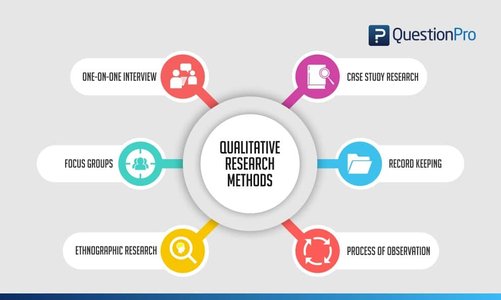
Key Takeaways
- Immersion in Data: Familiarizing yourself with qualitative data forms the backbone of a thorough analysis.
- Coding & Theme Development: Systematic coding leads to organizing data into meaningful patterns and themes.
- Iterative Refinement: Reviewing, refining, and naming themes ensures rigor and relevance to the research questions.
Introduction
Thematic analysis is a highly effective qualitative research method that enables researchers to identify, analyze, and report patterns or themes within data. Whether you are analyzing interviews, focus groups, documents, or survey responses, the process allows you to render complex data into coherent patterns or themes which capture the essence of the research subject.
The method is valued for its flexibility and its applicability across different theoretical frameworks. By following a systematic step-by-step process, you can ensure that the analysis is rigorous, transparent, and reproducible.
Step-by-Step Process for Thematic Analysis
Step 1: Familiarization with the Data
Immersion and Preliminary Observation
This initial phase involves immersing yourself in the data: reading and re-reading transcripts, interviews, or collected texts to develop an overall understanding of the content. Crucial activities in this step include:
- Transcribing recorded audio or video materials when necessary.
- Noting initial impressions or ideas while reading the data multiple times.
- Journaling or making preliminary notes regarding recurring patterns, nuances, or surprising observations.
The aim is to ground the subsequent stages of analysis with a deep, contextual understanding of the material.
Step 2: Generating Initial Codes
Systematic Coding of the Data
Once you have familiarized yourself with the data, the next step is to start coding. Coding entails labeling segments of the data that appear significant with custom codes that represent key ideas, concepts, or observations. The process often involves:
- Identifying important phrases, terms, or expressions that are relevant to the research questions.
- Assigning descriptive labels (codes) which capture the meaning of the text excerpts.
- Utilizing qualitative data analysis tools if available, to systematically organize and manage these codes.
This coding process is iterative, meaning initial codes might be adjusted or added to as you delve deeper into the data.
Step 3: Searching for Themes
Aggregating Codes into Broader Themes
Once you have a comprehensive list of initial codes, start organizing these codes into potential themes. Themes are broader patterns that capture something significant about the data in relation to the investigated research question. Key considerations in this stage include:
- Collating related codes that appear to share a common feature or meaning.
- Looking for overarching patterns or concepts that connect the grouped codes.
- Maintaining a balance between staying true to the data and making interpretative insights that broaden the understanding of the data.
This stage sets the foundation for deeper data interpretation by establishing preliminary thematic frameworks.
Step 4: Reviewing Themes
Refining Themes for Coherence and Relevance
After generating potential themes, it is crucial to review and refine them. This step ensures that the themes accurately reflect the data and are coherent:
- Examine each theme to ensure that it consistently represents the coded data extracts.
- Adjust the boundaries of the themes by merging similar themes, dividing themes that appear too broad, or discarding themes that are not well-supported by the data.
- Cross-check themes with the entire dataset to confirm that no significant patterns are overlooked.
This critical evaluation process strengthens the credibility of your analysis by confirming that the themes are grounded in the data.
Step 5: Defining and Naming Themes
Finalizing Theme Definitions
Once the themes are reviewed, the next step is to clearly define and name them. This finalization process involves:
- Providing a detailed definition for each theme, explaining what it encompasses and how it relates to the research questions.
- Choosing concise, descriptive names that encapsulate the essence of the theme.
- Ensuring that each theme is distinct from others, minimizing overlap and ambiguity.
Clear definition and naming of themes facilitate effective communication of your findings, making it easier for others to understand and evaluate your analysis.
Step 6: Writing Up the Analysis
Developing a Coherent Narrative
The final stage involves compiling your analysis into a well-structured report. This report should narrate the story of your data, outlining the analysis process and the themes identified. Consider the following elements:
- Introduction: Present the research question and provide context for the study.
- Methodology: Describe the steps you followed, from familiarization to theme development and review.
- Results: Detail the themes, providing quotes or excerpts to illustrate each theme and explain its significance.
- Discussion: Interpret the themes in relation to existing literature, theory, or the broader research field.
This comprehensive narrative not only presents your findings but also demonstrates the rigorous process behind your thematic analysis, ensuring transparency and reproducibility.
Summary Table of Thematic Analysis Process
| Step | Description | Key Activities |
|---|---|---|
| Familiarization | Immerse in the data to understand its depth. | Transcribing, reading, note-taking, recording initial impressions. |
| Coding | Systematically label significant parts of the data. | Assigning descriptive codes, organizing data excerpts. |
| Searching for Themes | Group codes into potential broader themes. | Collating codes, identifying pattern overlaps, brainstorming theme titles. |
| Reviewing Themes | Refine and validate themes for coherence. | Comparing themes with data, merging or discarding as needed. |
| Defining & Naming Themes | Clarify what each theme represents. | Providing definitions, naming themes succinctly, ensuring distinctiveness. |
| Writing Up Analysis | Prepare a comprehensive report of the analysis. | Introduction, methodology, results presentation, interpretative narrative. |
Additional Insights
Flexibility of Thematic Analysis
Thematic analysis is inherently flexible. It accommodates both inductive approaches, where themes emerge directly from the data without predetermined notions, and deductive approaches, where existing theories and frameworks guide the analysis. This flexibility is beneficial when dealing with diverse types of qualitative data across various research disciplines.
Role of Qualitative Software Tools
Computer-Assisted Qualitative Data Analysis Software (CAQDAS) such as NVivo, Delve, and ATLAS.ti can significantly streamline the process of coding and theme organization. These tools help manage large datasets, making it easier to track code frequencies, link data excerpts with respective themes, and ultimately refine the thematic structure with systematic rigor.
Documentation and Transparency
Documenting your analysis process is crucial. Keeping a detailed audit trail—from initial coding decisions to theme refinements—increases the credibility and reproducibility of your research. Transparency about the steps, challenges, and decisions made throughout the analysis can establish methodological integrity and foster confidence in your findings among other researchers.
References
- Scribbr - Methodology
- Simply Psychology - Thematic Analysis Guide
- SAGE Journals - Thematic Analysis
- Dovetail - Research on Thematic Analysis
- ATLAS.ti - Thematic Analysis Guide
Recommended Related Queries
Last updated March 27, 2025