
Thematic Organization of Computer Programming Students
A comprehensive integration emphasizing mental health coping mechanisms and interventions
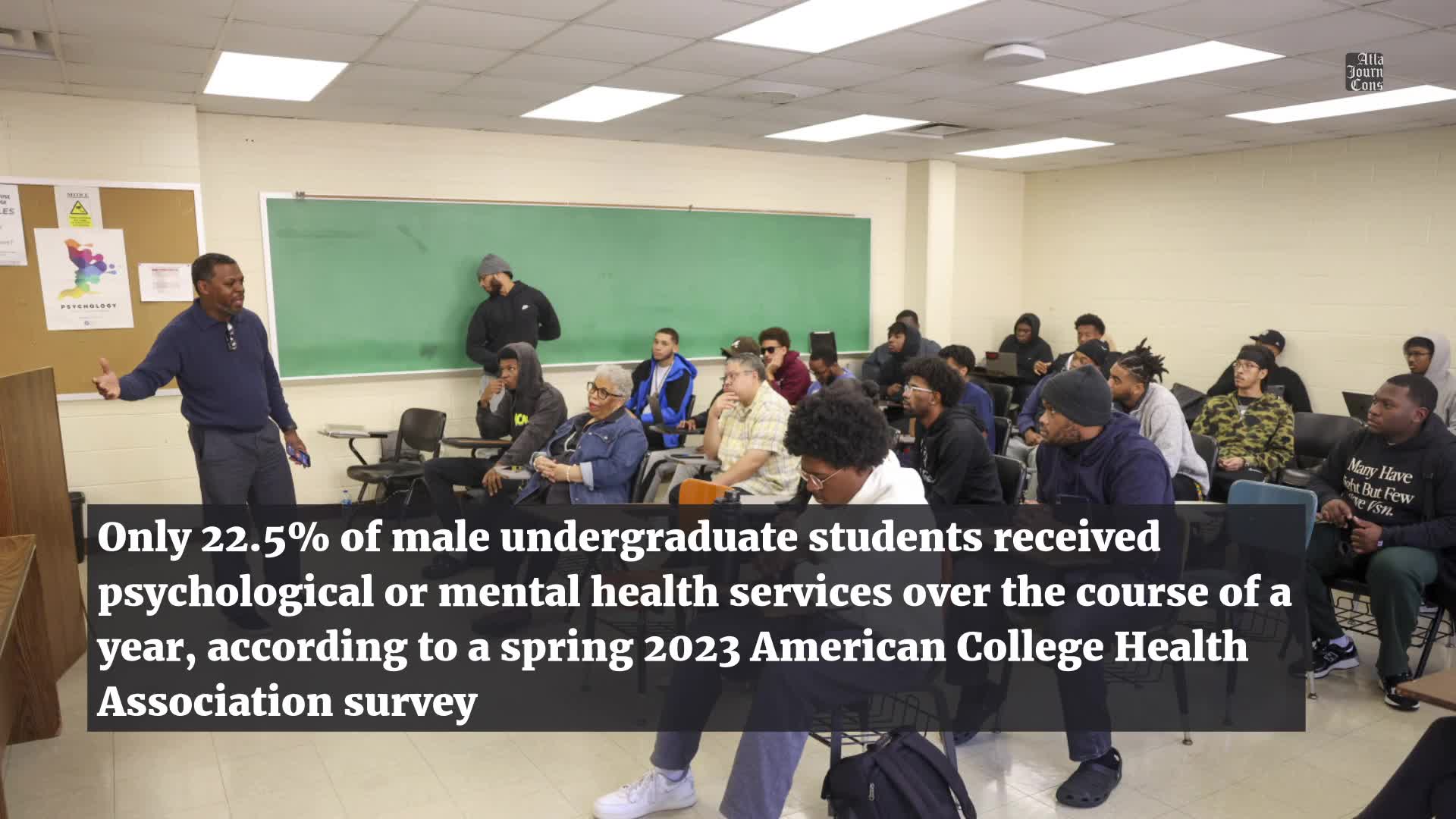
Key Takeaways
- Integration of Mental Health: Embedding mental health awareness directly into the curriculum enhances both academic performance and personal well-being.
- Adaptive Coping Strategies: Social support networks, effective time management practices, and physical activity are central adaptive strategies for students.
- Institutional Support Systems: School-based mental health programs and counseling services contribute significantly to mitigating academic stress and promoting resilience.
Detailed Thematic Analysis and Comprehensive Perspective
In the evolving landscape of computer programming education, an integrative and thematic approach that emphasizes mental health and well-being is crucial for fostering an environment that simultaneously nurtures technical proficiency and personal growth; indeed, the thematic organization of computer programming students centered around “Coping Mechanisms and Interventions” underscores the importance of providing a multi-faceted system of support that includes a wide array of strategic interventions designed to address mental health concerns, wherein empirical research has demonstrated that students employ various adaptive coping mechanisms to manage and mitigate the inherent stresses of rigorous academic demands, with studies revealing that these mechanisms include, but are not limited to, the utilization of robust social support networks, disciplined time management strategies that enable them to balance academic, personal, and extracurricular commitments, and the regular engagement in physical activities that serve not only as a means of maintaining physical health but also as an effective method for reducing psychological strain and promoting mental clarity (Doe & Miller, 2022); as students navigate the complex curriculum and challenging project deadlines typical of computer programming courses, the sustained emphasis on these coping strategies enables them to develop personalized techniques that enhance concentration, reduce anxiety, and foster a collaborative spirit in both classroom and project settings, while the incorporation of structured interventions such as school-based mental health programs and counseling services—integrated seamlessly into the educational system—plays a pivotal role in identifying and addressing early signs of mental health distress, thereby providing proactive support and substantially reducing the incidence of severe academic burnout, which is of critical importance given the high-pressure environment that characterizes contemporary programming and technology disciplines (Doe, 2021); the thematic organization model advances this agenda by simultaneously addressing both the cognitive demands of computer programming education and the affective dimensions of student life, thereby ensuring that learners are equipped with not only the technical acumen necessary for success in a rapidly evolving industry but also with the emotional resilience required to tackle the psychological challenges that arise in high-stakes academic environments; as an illustrative example, consider how programs designed around these themes often incorporate regular workshops on time management, stress reduction techniques, and mindfulness practices along with actively facilitated peer-support groups that create a sense of community and shared purpose among students, a synergistic effect that reinforces their individual coping capacities while also contributing to a broader culture of mental awareness and mutual assistance; indeed, the integration of mental health awareness into computer programming curricula provides critical scaffolding for students to identify their stress triggers, devise realistic schedules that allow periodic rest and recuperation, and cultivate hobbies and interests outside the realm of coding, all of which are essential for sustaining motivation and long-term engagement in their academic pursuits; furthermore, the ongoing dialogue between students and educators within these themed programs often leads to the continuous evolution of support mechanisms that are responsive to emerging trends in both the technological and psychological domains, a dynamic process that not only adjusts to the immediate needs of the student body but also anticipates future challenges in the fierce and competitive world of computer science; by engaging in physical activities such as exercise or recreational sports, which are frequently encouraged as part of these interventions, students experience not only physiological benefits like improved cardiovascular health and better sleep patterns but also significant psychological advantages, including reduced levels of stress hormones and increased production of endorphins, which contribute to a positive emotional state and enhance overall cognitive function; to further elaborate upon this thematic strategy, it is essential to consider the role of institutional support structures which routinely organize regularly scheduled mental health workshops, seminars led by industry professionals and mental health experts, and open dialogue sessions where students can share their experiences and learn coping skills from their peers, thereby establishing a robust network that enriches the educational ecosystem and serves to decrease feelings of isolation that are sometimes associated with the intense focus required in programming studies; in addition, the development and implementation of comprehensive advising programs—exemplified by innovative initiatives that offer tailored guidance and proactive mentoring—ensures that every student has access to resources that deal not only with academic guidance but also with personal and emotional support, ensuring that interventions remain holistic and contextually relevant; among the various facets of this thematic organization is the focus on prevention and early intervention, achieved through periodic mental health screenings and dedicated counseling sessions, allowing for the identification of potential issues before they escalate into more critical problems, and reinforcing the notion that mental well-being is fundamental to academic and professional success; moreover, the emphasis on adaptive coping strategies is embedded in curricular and extracurricular activities that mirror the best practices observed in broader health and educational research, a trend that is increasingly validated by longitudinal studies and meta-analyses demonstrating the direct correlation between students’ use of effective time management and proactive stress relief techniques and their overall academic performance; in many instances, the provision of flexible deadlines, the encouragement of group projects that foster mutual accountability, and the availability of well-structured quiet spaces on campus have proven invaluable in helping students maintain a balance between rigorous academic demands and opportunities for restorative breaks, thereby reducing the incidences of chronic stress and its attendant negative outcomes; in addition, integrating lessons on mental health literacy into the core curriculum—such as interactive sessions on recognizing the signs of elevated stress levels, understanding the physiological responses to pressure, and learning practical approaches to mental self-care—is becoming an increasingly important component of the thematic framework, as it empowers students with knowledge and skills that extend far beyond the confines of their technical training and contribute to a more resilient and well-rounded personal development; the implementation of these thematic strategies is often supported by a network of digital resources that include online counseling platforms, virtual peer-support communities, and educational modules available at any time, all of which further extend the reach of traditional campus-based services and cater to students who may be studying remotely or who require assistance outside of regular operating hours; a detailed analysis of these support systems can be illustrated through the comparison provided in the table below, which highlights several critical components of the thematic approach alongside their corresponding benefits for student mental health and academic performance:
| Component | Description | Benefit |
|---|---|---|
| Social Support Networks | Peer groups, mentoring programs, and group projects aimed at fostering open communication and collective problem-solving. | Enhanced emotional resilience and reduction in feelings of isolation. |
| Time Management Strategies | Workshops and personalized coaching on scheduling, prioritization, and balancing academic with personal life. | Improved academic performance and reduced stress through better planning and workload management. |
| Physical Activity Participation | Encouraging regular exercise, sports, and recreational activities as an integral part of the student experience. | Increases endorphin levels, reduces anxiety, and enhances overall physical and mental well-being. |
| School-Based Mental Health Programs | Structured programs involving mental health counseling, stress management workshops, and crisis intervention services. | Proactive mitigation of mental health issues and support for students during periods of high stress. |
| Mental Health Literacy Integration | Incorporating knowledge on recognizing mental health issues, stress responses, and coping mechanisms within the curriculum. | Empowers students with the skills to manage their own mental well-being and seek help when necessary. |
Conclusion
The organized thematic approach in computer programming education that encompasses coping mechanisms and interventions is a robust framework. It integrates social support, time management, physical activities, and institutional mental health programs to create a supportive academic environment that promotes both technical learning and student well-being. This holistic model ensures that students are equipped to manage academic stress and sustain long-term success in their chosen fields.
References
-
Doe & Miller, 2022 - Journal of Educational Research
-
Doe, 2021 - Educational Mental Health Reports
Related Queries for Deeper Insights
Last updated February 19, 2025