
Connecting Main Theories to Sub-Theories
A practical guide to creating a robust theoretical framework
Key Highlights
- Systematic Identification: Define your main theories clearly and choose relevant sub-theories that naturally emerge from or extend these core ideas.
- Conceptual Linkages: Establish clear, logical relationships by mapping core concepts and showing how sub-theories refine, detail, or complement the primary frameworks.
- Iterative Integration: Use concept mapping, literature reviews, and empirical evidence to iteratively refine and justify the connections between your theories.
Defining the Foundations
Understanding Main Theories
The first step in building a comprehensive theoretical framework is to clearly define the main theories that underpin your study. Main theories serve as the primary lens through which you understand your research problem—they provide foundational insights and a broad framework for analysis. Begin by identifying the key elements of each main theory:
Core Components
List and describe the important constructs, assumptions, and limitations of your main theories. For instance, if your research is grounded in Self-Determination Theory (SDT), outline its core components — autonomy, competence, and relatedness — and how these constructs explain intrinsic motivation. A deep understanding of these foundational ideas sets the stage for integrating additional concepts.
Identifying Sub-Theories
Sub-theories provide a more granular look at particular phenomena or address specific aspects that the main theories might only broadly cover. Identifying sub-theories involves:
Steps to Choose Sub-Theories
- Break Down Major Concepts: Analyze the components of the main theory to see which aspects warrant a deeper examination. For example, if addressing motivation, sub-theories such as Goal Orientation Theory might help explain how individuals set and pursue different types of goals.
- Relevancy: Ensure that the selected sub-theories are relevant to the research questions that you intend to explore, thereby providing specific details or addressing gaps in the main theory.
- Interdisciplinary Approach: Sometimes sub-theories may originate from different academic disciplines, offering complementary perspectives that enrich your primary theoretical framework.
Establishing Conceptual Relationships
Mapping Connections
Once you have identified your main and sub-theories, mapping the connections between them is crucial. This process involves:
Using Concept Maps and Diagrams
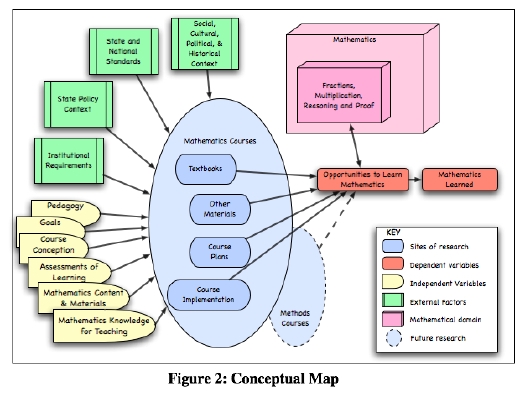
Concept maps or mind maps are excellent tools to visually represent the relationships. These diagrams illustrate how the core concepts of your main theories link to the more detailed elements found in sub-theories. For example, by drawing arrows between constructs like autonomy in SDT and corresponding elements in sub-theories that explore goal-setting behaviors, you create a visual framework that emphasizes the interdependencies of these ideas.
Integrative Narrative in Literature Reviews
Your literature review or theoretical framework section is the perfect place to articulate these connections. Here’s how to build an integrative narrative:
Creating a Logical Flow
Start by explaining the main theories and then progress to how specific sub-theories provide nuance or address limitations in your broader framework. Establish a coherent narrative that explains how each sub-theory either expands on or refines the ideas of the main theory. This logical progression reinforces the robustness of your overall framework and clearly demonstrates the interconnectedness of your chosen theories.
Practical Strategies for Integration
Step-by-Step Approach
Below is a comprehensive guide on how to integrate main theories with their relevant sub-theories effectively:
| Step | Description | Key Considerations |
|---|---|---|
| 1. Define Main Theories | Identify and outline the primary theories that form the basis of your research. | Clarity of assumptions, key constructs, and relevance to the overall research problem. |
| 2. Identify Relevant Sub-Theories | Break down main theories to discover specific aspects that sub-theories can address. | Ensure sub-theories are directly related to the questions you are investigating. |
| 3. Map Conceptual Linkages | Visually and narratively connect main theory components to sub-theoretical insights. | Use diagrams, mind maps, or tables to illustrate relationships clearly. |
| 4. Incorporate Empirical Evidence | Support theoretical connections with research findings and case studies. | Empirical validation enhances the credibility of the integrated framework. |
| 5. Address Theoretical Gaps | Identify any limitations in the main theories and show how sub-theories fill those gaps. | Critical analysis and acknowledgment of limitations strengthen your argument. |
| 6. Articulate a Unified Narrative | Present an integrated argument that details how sub-theories enhance the explanatory power of the main theories. | Logical flow and coherence throughout the theoretical framework section. |
Detailed Case Example
Consider a research study on educational motivation. Your primary theory might be Self-Determination Theory (SDT), which posits that autonomy, competence, and relatedness are essential for fostering intrinsic motivation.
Sub-Theory Integration: Goal Orientation Theory (GOT)
To delve deeper, you choose to integrate Goal Orientation Theory as a sub-theory. GOT focuses on the specific types of goals—mastery versus performance—that students set within an educational context. Here is how the connection might be structured:
- Begin by outlining the basic premises of SDT.
- Discuss how autonomy in SDT enables students to set personal learning goals, linking to how Goal Orientation Theory categorizes these as mastery or performance-oriented.
- Articulate how the interplay between autonomy and a student's choice of goals creates a more nuanced understanding of motivation that neither theory can fully capture on its own.
- Support these conceptual linkages with empirical studies that validate the impact of goal orientation on learning outcomes, thereby showing the practical relevance of the integrated framework.
By integrating sub-theories like GOT into the broader framework provided by SDT, you address both the macro-level constructs (such as the need for autonomy) and micro-level behaviors (like goal setting) that drive educational outcomes.
Bringing It All Together
Iterative Process of Integration
Connecting main theories to sub-theories is not a one-time event—it is an iterative process that evolves as you engage more deeply with the literature and empirical studies. Each stage of integration should be revisited and refined:
Review and Refinement
As you explore further research and receive feedback from peers or advisors, revisit your theoretical framework. Adjust the connections between main and sub-theories based on new data or emerging trends in your field. An iterative approach ensures that your framework remains dynamic and robust, capable of accommodating new insights without losing coherence.
Philosophical Underpinnings and Justification
When presenting your integrated framework, it is important to provide a clear justification for why and how the selected sub-theories complement your main theories. Consider discussing the philosophical assumptions underlying the theories—whether they lean towards positivism, constructivism, or even a pragmatic synthesis. A critical evaluation of theoretical assumptions enhances the credibility of your combined framework.
Using Empirical Evidence
Strengthen your narrative by integrating empirical evidence. Data from previous studies, case examples, and statistical analyses can be powerful in demonstrating the utility of your theoretical framework. For instance, a meta-analysis on educational interventions might show how autonomy (from SDT) is linked with higher academic achievement when mediated by the choice of mastery goals (from GOT). Empirical evidence thus serves as the backbone that validates the relationships posited between main and sub-theories.
Advanced Techniques in Theoretical Integration
Interdisciplinary Approaches
In many complex research domains, drawing on interdisciplinary theories can provide a more holistic picture of the phenomenon under study. This method allows researchers to:
- Combine Perspectives: Use insights from psychology, sociology, economics, or cultural studies to enrich your main theory.
- Address Multifaceted Issues: Explain different dimensions of your research problem by showing how various theoretical approaches interlink.
- Foster Innovation: Innovative research often comes from synthesizing ideas across disciplines, leading to novel ways of understanding established concepts.
Practical Applications
Beyond academic theory, connecting main theories to sub-theories can have practical implications in applied research. For example, in designing a curriculum or intervention program, understanding how broad motivational theories are supported by specific sub-theories can help in tailoring effective strategies that address both general principles and particular nuances of behavior.
Step-by-Step Checklist
- Clearly define the main theory with its core constructs and limitations.
- Identify potential sub-theories that either extend or elaborate on aspects of the main theory.
- Map out the conceptual linkages using diagrams or tables to visualize relationships.
- Integrate empirical evidence and case studies that support the connection between these theories.
- Iteratively refine the framework based on feedback and emerging research trends.
- Include a reflective discussion on the philosophical underpinnings that justify your integrated approach.
References
- Connecting Research Elements - LinkedIn
- Theoretical Research Framework - Aithor Blog
- Theory Building Chapter - Andrews University
- Linking Theory with Research - Raul Pacheco
- Sacred Heart Library Resource - Research Methods
Recommended Queries
Last updated March 12, 2025