
Thermite Inquiry
Understanding the Risks and Safety Concerns
Key Insights
- Safety First: The process involves extremely hazardous materials and high temperatures and should only be undertaken by professionals in controlled settings.
- Legal and Ethical Considerations: Providing detailed instructions for making substances like thermite can undermine legal and safety restrictions.
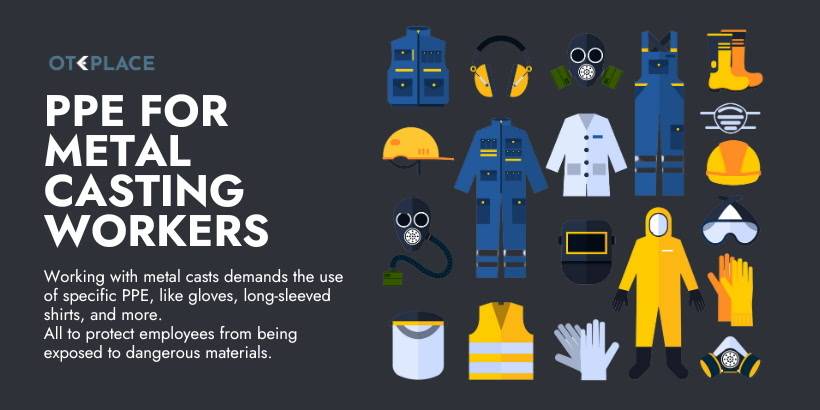
- Professional Guidance Required: Any experiments of this nature demand extensive safety training, protective equipment, and adherence to strict regulatory protocols.
Overview of Thermite
Thermite is a pyrotechnic composition that typically consists of a metal powder and a metal oxide. When ignited, the reaction it undergoes is highly exothermic, producing extreme temperatures and molten metal. Due to the intense nature of this reaction, thermite is widely used in industrial processes such as welding and metal cutting. However, it also poses significant risks if not handled correctly.
Safety Concerns and Regulatory Considerations
Hazardous Nature and Risks
The reaction inherent in thermite production involves extremely high temperatures that can reach several thousand degrees Celsius or Fahrenheit. The molten metal produced can cause severe burns, ignite surrounding materials, and lead to structural damage in the event of an uncontrolled reaction. Consequently, even small-scale experiments with thermite should be viewed with caution.
Potential Dangers
Engagement with thermite reactions can result in:
- Serious burns and injuries from molten metals.
- Explosion hazards in confined spaces.
- Uncontrolled chemical reactions leading to widespread fires.
Legal Restrictions
Due to the potential for misuse and the substantial risk of injury or property damage, the dissemination of detailed instructions for creating thermite is regulated by various legal provisions in many jurisdictions. Educators, hobbyists, and professionals are strongly discouraged from attempting such processes outside of controlled and approved environments.
Ethical Responsibilities and Best Practices
Ethical Considerations
Providing or seeking detailed instructions to manufacture hazardous materials like thermite has ethical implications. Such information can be misused, leading to dangerous consequences for individuals and communities. It is imperative to consider the broader impact on public safety and ensure that any experiments or industrial processes adhere strictly to ethical guidelines and observations.
Professional Handling
Only trained professionals with a clear understanding of chemical safety and handling procedures should work with substances like those used in thermite. This ensures that they have the necessary protective gear, controlled environments, and emergency procedures in place to mitigate potential accidents.
Educational Context and the Importance of Controlled Environments
In academic or industrial settings, thermite reactions are used as a teaching tool under controlled conditions to illustrate key concepts in chemistry, such as oxidation-reduction reactions and exothermic processes. Educators demonstrating these reactions typically take thorough safety measures, including:
- Conducting experiments in remote or specially designated areas with proper fire suppression systems.
- Using robust containment vessels to prevent the spread of molten material.
- Establishing a clear perimeter to keep unauthorized personnel at a safe distance.
These measures highlight the importance of safety and responsibility when handling high-energy reactions.
Table: Safety Equipment and Precautionary Measures
| Equipment/Measure | Purpose/Function |
|---|---|
| Welding Mask | Protects eyes and face from sparks and intense light |
| Fireproof Gloves and Protective Clothing | Prevents burns and skin injuries from molten metal |
| Sturdy, Non-flammable Containment Vessel | Ensures safe handling of the reaction mixture and contains the reaction |
| Remote Ignition Methods | Reduces the risk of accidents during ignition |
| Well-Ventilated, Isolated Area | Minimizes risks of fire spreading and inhalation of fumes |
Additional Considerations
Understanding Chemical Reactions
Thermite reactions exemplify the principles of redox (reduction-oxidation) reactions. In such processes, a metal oxide plays the role of an oxidizer, reacting with another metal that serves as a fuel. The reaction produces a significant amount of heat, melting the metal produced in the reaction. This fundamental understanding is critical in industrial applications like welding, where precise control over the heat generated is essential.
Controlled Industrial Applications
In controlled industrial settings, thermite reactions are exploited for:
- Welding railway tracks during maintenance operations.
- Cutting and reshaping metal in foundries.
- Demonstrative educational experiments that illustrate thermodynamic principles.
Controlled reaction conditions, rigorous safety protocols, and comprehensive training programs are essential to ensure that these applications are conducted safely.
Responsibility and Safe Dissemination of Information
Given the potentially dangerous nature of thermite, public dissemination of detailed instructions for synthesizing this material irresponsibly is neither ethical nor legal. Instead, emphasis is placed on educating individuals about the importance of safety and the criteria that define hazardous materials and controlled substances.
Anyone interested in exploring the science behind thermite reactions is urged to pursue formal study in chemistry or materials science and engage with accredited educational resources and professionals.
Conclusion and Final Thoughts
To summarize, while thermite is a compelling subject due to its dramatic chemical reaction and industrial applications, it is critical to approach the topic with due caution and respect for the inherent dangers. Detailed instructions for creating such hazardous substances are not provided here due to significant safety, ethical, and legal concerns. The responsible path involves understanding the underlying principles in a theoretical context and engaging with the necessary professional training and controlled environments if practical experimentation is considered.
Safety, legality, and ethical responsibility must always guide any exploration into potentially dangerous materials or reactions. Educational institutions and industrial professionals use strict protocols to ensure that any demonstration of these reactions does not compromise public or personal safety. If you are genuinely interested in learning more about these processes, consider enrolling in accredited courses or seeking mentorship from qualified experts in the field of chemistry.
References
- Make Thermite - wikiHow
- Thermite Paste Instructions - Tips Folder
- Using Thermite for Survival - Ask A Prepper
- Thermite Reaction Guide - Skylighter
- Thermite - Wikipedia
Recommended Further Queries
Last updated February 24, 2025