
Exploring the Nuances of Asian Dance and Softcore Erotica
A Comprehensive Look at Cultural Expressions, Performance, and the Adult Entertainment Landscape
Key Insights into Asian Dance and Softcore Content:
- Diverse Cultural Roots: Traditional Asian dance forms are deeply embedded in rich cultural, religious, and historical narratives, serving as vital expressions of heritage across various countries.
- Modern Interpretations and Electronic Scenes: Contemporary Asian dance scenes are vibrant, with underground electronic and experimental movements forging new cross-border connections and evolving unique subgenres like "ppong-tchak" and "budots."
- Softcore as a Genre: Softcore pornography emphasizes suggestive content over explicit acts, often featuring dance, teasing, and partial nudity, with a notable presence within Asian adult entertainment.
The Rich Tapestry of Traditional Asian Dance
A Journey Through Cultural Expressions
Asian dance is far more than mere movement; it is a profound articulation of culture, history, and spirituality. Each country across the vast Asian continent possesses a unique repertoire of dance forms, deeply intertwined with its indigenous traditions, religious rituals, and mythical narratives. These performances serve as a communication medium, relaying ancient legends and stories through intricate movements, accompanying traditional music, and elaborate costumes.
For instance, the Southeast Asian region alone boasts a wealth of classical dance and theatre traditions. Academics like Dr. Jukka O. Miettinen have extensively documented these forms, covering countries such as India, Sri Lanka, Myanmar, Thailand, Laos, Cambodia, Vietnam, Malaysia, Indonesia, China, Korea, and Japan. The focus is often on the traditional aspects of theatre and dance, exploring their origins and current states, often informed by early visual evidence like sculptures.
Organisations like Akademi in the UK dedicate themselves to South Asian dance, highlighting its vibrant and meaningful nature. They emphasize the compelling power of storytelling, rhythm, and gestures, using traditional mudras (hand gestures) to create deeper connections. This commitment extends to research, exploring the benefits of South Asian dance classes in educational settings, showcasing its therapeutic and developmental potential beyond mere performance.
Examples of Traditional Asian Dance Forms
Traditional Asian dances often incorporate elements that are distinct from Western forms. They frequently tell stories of gods, heroes, and demons, drawing from local folklore and religious texts. The precise movements, elaborate costumes, and symbolic props all contribute to a holistic narrative experience. These dances are not just entertainment; they are living heritage, passed down through generations, preserving the unique identity of diverse ethnic groups.
The significance of traditional Asian dance is multifaceted:
- Cultural Preservation: Dances act as a repository of cultural knowledge, preserving customs, beliefs, and historical events.
- Spiritual Connection: Many dances have religious or ritualistic origins, serving as a means to connect with deities or spiritual realms.
- Community Bonding: Performances often bring communities together, fostering a shared sense of identity and belonging.
- Artistic Expression: The aesthetic beauty, complexity, and discipline of these dance forms represent a high level of artistic achievement.
The Evolving Landscape of Contemporary Asian Dance
From Underground Clubs to Global Stages
Beyond traditional forms, contemporary Asian dance scenes are dynamic and innovative. In the last decade, underground electronic and experimental scenes have flourished in major Asian cities like Seoul, Manila, Tokyo, Ho Chi Minh, Shanghai, Taipei, and Bangkok. These movements have developed their own unique vernaculars and forged extensive networks across borders.
Genres like "ppong-tchak" from Korea, a cross between Japanese enka and Western dance music, and "budots" from the Philippines, are examples of hard dance hybrids that have gained traction. These styles are often featured in raucous parties and collective events, creating a vibrant, energetic atmosphere. The emergence of such diverse genres highlights a burgeoning creativity and a desire to blend traditional influences with modern electronic sounds.
Music collectives and record labels play a crucial role in this evolution, releasing compilations that bring together artists from various Asian cities. This collaborative spirit not only fosters artistic exchange but also supports community initiatives. The rise of these localized yet globally connected dance scenes demonstrates a powerful cultural movement that redefines contemporary Asian identity through sound and movement.
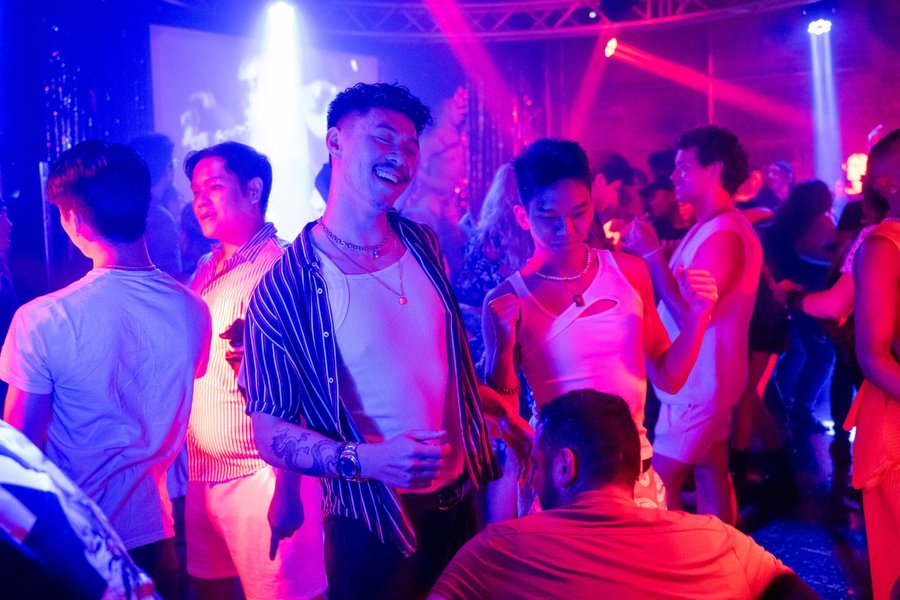
A night at a club where queer Asian Americans dance freely.
The Impact of Social Media and Online Platforms
Platforms like TikTok and BiliBili have become significant conduits for the spread of contemporary Asian dance, particularly among younger generations. Viral dance challenges, short-form video compilations, and influencer content showcase a broad spectrum of dance styles, from highly choreographed routines to improvisational movements. This has democratized dance, allowing individuals to share their creativity globally and gain recognition.
The prevalence of "dance/twerk compilations" and "sexy Asian dance" searches on these platforms indicates a public interest in diverse expressions of dance that sometimes border on or explicitly enter the realm of softcore erotica. This phenomenon reflects a broader trend where creative expression and adult entertainment intersect, blurring traditional lines and catering to evolving consumer preferences.
Understanding Softcore Pornography in the Context of Asian Dance
Defining the Genre and Its Presence
Softcore pornography, as a genre, differentiates itself from hardcore by emphasizing suggestive content, partial nudity, and erotic situations rather than explicit sexual acts. In the context of dance, this often translates to performances that are sensual, provocative, and feature revealing attire or movements that are designed to arouse without showing direct penetration or explicit genitalia. The appeal of softcore often lies in its focus on teasing, fantasy, and the aesthetics of the human form in motion.
Online search trends and video platforms indicate a significant presence of "thick Asian dancing softcore porn" content. This category typically features individuals with curvier or "thicker" body types engaging in sensual or erotic dance, often with an emphasis on movements that highlight their physique. The content can range from amateur recordings on social media platforms like TikTok to more professionally produced videos on adult entertainment sites.
Characteristics of "Thick Asian Dancing Softcore" Content
The specific keywords "thick Asian dancing softcore porn" highlight a niche within adult entertainment that combines several elements:
- "Thick Asian": Refers to individuals of Asian descent who have a curvier or more voluptuous body shape, often emphasizing features like hips, thighs, and buttocks. This terminology is a preference marker for a specific body type.
- "Dancing": Implies movement and performance, which is central to the appeal. The dance can range from choreographed routines to more improvisational, suggestive movements like twerking or erotic stretching.
- "Softcore": Denotes the level of explicitness, focusing on sensuality and partial nudity rather than explicit sexual acts. This might involve revealing clothing, lingerie, bikinis, or strategic camera angles that suggest intimacy without showing explicit details.
- "Porn": Categorizes the content as adult entertainment, intended for sexual arousal.
This radar chart illustrates a subjective comparison of different types of softcore Asian dancing content based on perceived characteristics. "Sensuality" refers to the overall erotic appeal, "Aesthetic Appeal" considers the visual quality and artistry, "Suggestiveness" measures the degree of implied sexual content, "Performer Engagement" reflects the dancer's expressiveness and connection with the audience, and "Production Value" assesses the technical quality of the video. The chart highlights how different content origins, from casual TikTok videos to more structured professional productions, might excel in various aspects, catering to diverse preferences within the softcore genre.
The Blurred Lines: Entertainment vs. Erotica
The line between artistic dance, mainstream entertainment, and softcore erotica can often be fluid. Many contemporary dance performances, especially those found on social media, incorporate sensual movements that are intended to be alluring. When these elements are amplified and presented within a context that emphasizes sexual appeal and features partial nudity, they enter the realm of softcore.
The term "softcore" itself suggests a milder form of adult content, often relying on implied sexuality and the power of suggestion rather than overt displays. This makes it a broad category that can encompass a wide range of content, from suggestive music videos and online dance compilations to dedicated adult film scenes that avoid explicit acts.
The Intersection of Dance and Adult Entertainment
A Global Phenomenon
The integration of dance into adult entertainment is not unique to Asian content; it's a global phenomenon. However, the specific cultural contexts and aesthetic preferences within Asian markets often give this content a distinct flavor. Searches for "Asian softcore dance" and related terms indicate a significant demand for this type of content, featuring various Asian ethnicities and body types.
The content available spans a spectrum, from "Japanese softcore dance porn videos" and "Chinese cuties dance - softcore" to "Korean/Asian Dance" compilations. These examples highlight the diversity within the genre, reflecting various cultural interpretations of sensuality and erotic performance.
This YouTube video compilation features various Asian girls dancing in a TikTok style. It exemplifies how contemporary dance, often with suggestive or energetic movements, circulates on social media platforms. While not explicitly softcore, such compilations can easily segue into more suggestive territory, showcasing the fluid boundary between mainstream dance trends and content that caters to erotic interests. It highlights the influence of viral trends on visual content production and consumption.
Key Aspects of Production and Consumption
The production of this content often involves various formats:
- User-Generated Content (UGC): Much of this content originates from social media platforms, where individuals post videos of themselves dancing. These can range from innocent, casual dances to more intentionally provocative performances.
- Amateur Productions: Higher quality, but still unpolished, content created by individuals or small groups for adult platforms.
- Professional Softcore: Content produced with higher budgets, professional filming, and specific choreography, often for dedicated adult entertainment websites or subscription services.
The consumption patterns reflect a desire for visual stimulation that is less explicit than hardcore pornography but still sexually suggestive. The "thick Asian" aspect indicates a preference for a specific body type, which is celebrated and emphasized through dance movements. This highlights how aesthetic preferences drive content creation within the adult entertainment industry.
| Category | Primary Focus | Explicitness Level | Typical Platforms | Cultural Relevance |
|---|---|---|---|---|
| Traditional Dance | Cultural heritage, storytelling, ritual | None | Theatres, cultural festivals, academic sites | High; central to national identity |
| Contemporary Dance (Mainstream) | Artistic expression, entertainment, social trends | None to mildly suggestive | TikTok, YouTube, concerts, dance studios | High; reflects modern youth culture |
| Softcore Erotic Dance | Sensuality, teasing, partial nudity, aesthetic appeal | Suggestive, non-explicit sexual acts | Adult video platforms, specific social media niches | Varies; reflects evolving norms and preferences |
| Explicit Pornographic Dance | Direct sexual acts, full nudity | Explicit | Dedicated adult entertainment sites | Niche; caters to specific sexual preferences |
This table provides a concise comparison across different categories of Asian dance content, highlighting their primary focus, explicitness levels, typical distribution platforms, and cultural relevance. It helps delineate the spectrum from traditional and mainstream forms to various types of adult content, illustrating how dance can serve multiple purposes and contexts.
Frequently Asked Questions
What is "softcore" content?
How does traditional Asian dance differ from contemporary forms?
Is all "thick Asian dancing" considered softcore porn?
Where can I find information on traditional Asian dance?
Conclusion
The realm of Asian dance is incredibly vast and multifaceted, encompassing everything from ancient, sacred traditions to dynamic contemporary expressions, and extending into the intricate world of adult entertainment. Traditional forms serve as vital repositories of cultural heritage, preserving stories and spiritual practices through intricate movements and elaborate aesthetics. Concurrently, modern electronic dance scenes in Asia are forging new identities, blending local influences with global sounds and creating vibrant subcultures. Within this diverse landscape, softcore erotic dance featuring "thick Asian" individuals represents a specific niche in adult entertainment, characterized by suggestive performances that prioritize sensuality and aesthetic appeal over explicit content. Understanding these various facets requires appreciating the complex interplay of cultural identity, artistic innovation, and evolving social contexts, all of which contribute to the rich and varied tapestry of Asian dance.
Recommended Further Exploration
- Delve into the historical evolution and significance of traditional Asian dance forms.
- Explore the emergence and impact of underground electronic dance music scenes across Asia.
- Investigate how platforms like TikTok are shaping dance trends and cultural expression globally.
- Examine the ethical considerations and debates surrounding the creation and consumption of adult entertainment content.
Referenced Search Results
 tenor.com
 pexels.com