
Tile Roof Longevity Analysis
In-depth Insights on Roof Lifespan at 500 Osprey Ct, Redwood City, CA
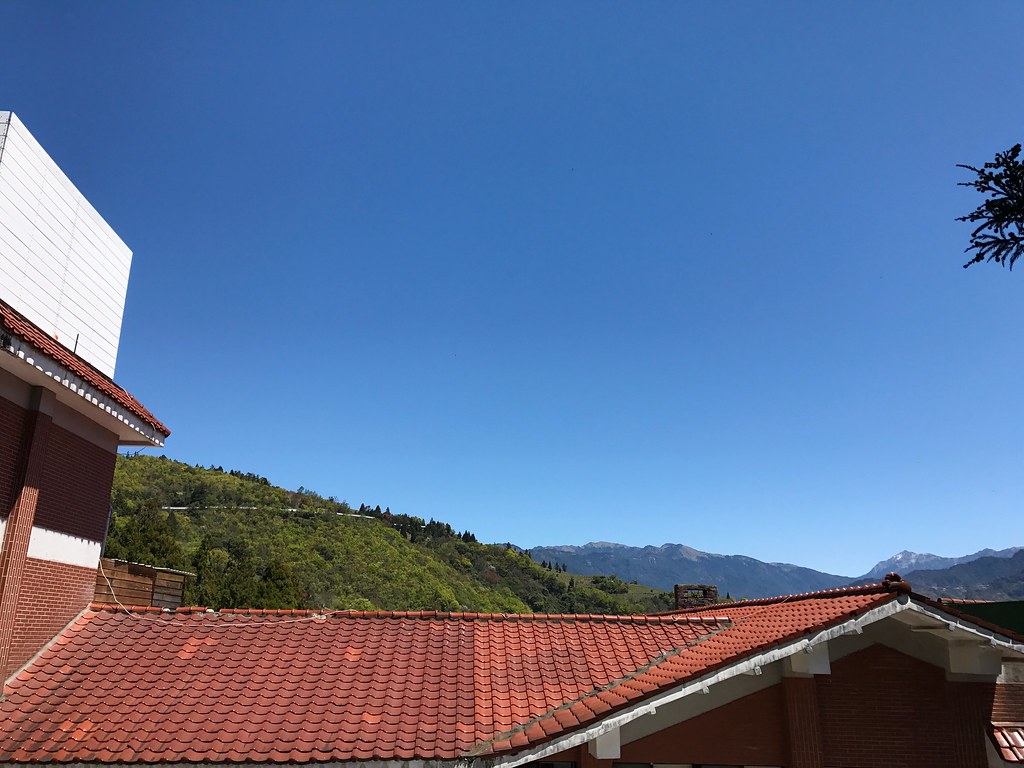
Key Highlights
- Durability Varies by Material: Clay, concrete, and slate tiles offer different lifespans.
- Maintenance is Essential: Regular inspections and repairs extend the roof's life.
- Climate Impact: Local weather and installation quality significantly influence longevity.
Overview of Tile Roof Longevity
The lifespan of a tile roof, particularly at the address 500 Osprey Ct in Redwood City, CA 94065, is influenced by several factors that combine to determine longevity. Tile roofs are celebrated for their durability and aesthetic appeal, offering homeowners excellent weather resistance and a sophisticated touch. In general, well-maintained tile roofs in Redwood City can potentially last between 50 and 100 years, with some high-quality materials, such as clay or slate, exceeding these ranges.
It is important to understand that multiple factors contribute to how long a tile roof lasts, including the type of tile installed, the quality of installation, routine maintenance practices, and the local environmental conditions. Each of these aspects comes together to create an overall performance profile for a tile roof. As a homeowner or potential buyer, acquiring a comprehensive evaluation of these factors can inform your decisions about maintenance schedules, repair strategies, and even material selection when looking at future upgrades.
Factors Affecting Tile Roof Lifespan
1. Material Type
Clay Tiles
Clay tiles are highly regarded for their longevity. They are known to withstand the test of time, with many installations lasting well over 100 years when properly maintained. Their natural composition makes them resistant to extreme weather conditions, including heavy rains and temperature fluctuations. In addition, clay tiles are celebrated for their aesthetic appeal, providing a distinctive look that improves property values.
Concrete Tiles
Although concrete tiles generally have a slightly shorter lifespan compared to clay, they remain a reliable and popular option in many regions. Typically, a properly installed and maintained concrete tile roof can last around 50 to 100 years. The versatility and cost-effectiveness of concrete tiles make them a common choice for homeowners looking to balance durability and budget.
Slate Tiles
Slate tiles represent the pinnacle of roofing durability, with lifespans that can extend up to 150 years in some cases. While slate is often more expensive than clay or concrete, its natural elegance combined with outstanding longevity makes it a favored option for luxury properties and historic restorations. However, the installation of slate requires skilled professionals due to its unique properties.
2. Quality of Installation
The workmanship involved in installing a tile roof is critical in determining its overall lifespan. Proper installation techniques ensure that the tiles sit correctly, avoid water pooling, and resist shifting during high winds or earthquakes. A roof that is not installed according to the best practices may face premature deterioration regardless of the tile quality. Professional roofing companies with a solid reputation and experienced installers are essential to maximize the longevity of your tile roof.
3. Maintenance Practices
Regular inspections and timely repairs play a pivotal role in extending the life of a tile roof. Over time, factors such as cracked or broken tiles and deterioration of the underlayment (the moisture barrier beneath the tiles) can compromise a roof's integrity. Professional maintenance should involve:
- Periodic cleaning to remove debris and prevent algae growth
- Replacing or repairing damaged tiles
- Checking and renewing underlayment as needed, typically every 20 to 40 years
- Inspecting flashing and gutters to prevent water ingress
Even the most robust tile roof will benefit significantly from a consistent, proactive maintenance schedule. Homeowners are advised to engage with roofing professionals at regular intervals to identify and address potential issues before they evolve into costly repairs.
4. Environmental Conditions
The specific geographical and climatic conditions at Redwood City, CA, also have a pronounced impact on tile roof longevity. Redwood City experiences a coastal climate, which can introduce elements such as humid air and salt-laden winds that might slowly erode materials over extended periods. However, tile roofs—particularly those made from clay, concrete, or slate—have proven largely resilient in such environments.
The region’s weather conditions might necessitate certain adjustments or maintenance considerations. For example, areas closer to the coast may require more frequent inspections to ensure that salt deposits are not compromising the materials. Similarly, damage from occasional high winds or heavy rainfall should prompt immediate repairs to prevent water damage that could shorten the roof's lifespan.
5. Roofing Underlayment
Underlayment is a critical yet often overlooked aspect of any tile roof system. Acting as the second line of defense against moisture, the underlayment can significantly influence the overall effectiveness and longevity of the roof. While the tiles themselves remain the visible protective layer, the underlayment usually requires replacement more frequently than the roof tiles—typically every 12 to 30 years depending on the materials and local environmental conditions. Maintaining a sound underlayment is essential to prevent leaks, particularly in regions that receive regular rainfall.
Specific Considerations for 500 Osprey Ct, Redwood City, CA
For the property at 500 Osprey Ct, several unique factors should be considered when evaluating the roof's lifespan. Redwood City’s climate, characterized by relatively mild winters and warm summers, contributes to the longevity of well-maintained tile roofs. However, coastal influences introduce specific challenges, such as increased humidity and salt exposure, which underscore the importance of regular upkeep.
Homeowners or potential buyers at this address should prioritize the following:
- Engaging reliable roofing professionals to conduct routine inspections
- Ensuring that both the visible tile layers and the underlying waterproofing components are in excellent condition
- Adopting proactive maintenance measures to preclude small issues from evolving into larger, costly problems
- Reviewing the installation history, particularly if the roof was installed several decades ago
Through these efforts, the tile roof at 500 Osprey Ct can be expected to reliably last between 50 to 100 years, provided that every component of the roofing system is subject to timely care and relevant local adaptations.
Summary Table: Factors Influencing Tile Roof Lifespan
| Factor | Description | Expected Impact |
|---|---|---|
| Material Type |
|
Determines inherent durability and lifespan |
| Quality of Installation | Proper installation ensures effective water shedding and longevity. | Improper installation can lead to early roof failure |
| Maintenance | Regular cleaning, inspection, and repair; underlayment replacement every 12-30 years. | Critical for avoiding leaks and prolonging roof life |
| Environmental Conditions | Coastal moisture, salt exposure, and temperature fluctuations typical of Redwood City. | Can accelerate wear if not properly managed |
| Underlayment | Acts as a secondary waterproof barrier; lifespan typically shorter than tile. | Essential for preventing moisture ingress and subsequent damage |
In-Depth Analysis of Maintenance and Installation
Maintenance Practices
Regular maintenance of a tile roof is pivotal in ensuring its longevity. Older roofs might exhibit minor cracks or broken tiles that, if left unattended, could lead to water leakage and further deterioration of the underlayment. The maintenance process should include:
- Visual Inspections: Checking for visible signs of damage on the roof surface.
- Cleaning: Removing debris, leaves, and moss that might accumulate over time.
- Underlayment Checks: Inspecting the moisture barrier, which is crucial for preventing leaks, and replacing it as needed.
- Inspection of Flashing: Ensuring that areas around chimneys, vents, and skylights are properly sealed.
Professional roofing contractors typically recommend an annual inspection to catch any emerging issues. Furthermore, for homeowners in Redwood City, addressing problems early can mitigate the adverse effects of local environmental factors such as coastal humidity.
Installation Quality
The methods used during installation can significantly affect a roof's performance over time. For example, tiles must be laid in a fashion that promotes effective water runoff. Misaligned or improperly sealed tiles can trap moisture and lead to degradation of the underlying structure. This makes it especially important to hire experienced tile roof installers when dealing with premium materials such as clay or slate. In addition, ensuring that proper flashing and ventilation systems are in place can enhance the roof’s resilience even in severely fluctuating weather conditions.
A high-quality installation not only affects the durability of the materials but also the overall efficiency of the roof's ability to shield the home against environmental stressors. The right balance between aesthetics and technical performance necessitates attention to every detail during installation.
Environmental Adaptation and Local Climate
Local Climate Influences
Redwood City's climatic conditions are characterized by a coastal influence that brings higher levels of moisture, occasional salt exposure from nearby water bodies, and mild temperature variations across seasons. While these conditions are generally favorable for tile roofing systems, they impose additional responsibilities on homeowners to adapt their maintenance schedules. For instance, after periods of heavy rain or wind, it is advisable to inspect the roof for loose or damaged tiles. Such proactive measures can help maintain the protective barrier that the tile roof offers.
Moreover, construction materials may be subject to slight weathering effects. Although high-quality tiles like clay and slate are designed to handle these pressures, periodic reassessment of the roof's integrity is beneficial. This is particularly true for roofs built several decades ago, where aging may have gradually reduced the performance of the underlayment.
Adaptation Strategies
Homeowners can adopt several strategies to optimize the longevity of their tile roofs in Redwood City:
- Regular Professional Inspections: Engage with roofing experts to catch any potential issues early and adjust maintenance strategies based on the roof’s current condition.
- Prompt Repairs and Replacements: Replace broken tiles or damaged underlayment quickly to avoid more severe water damage or structural stress.
- Proper Ventilation and Insulation: Ensure that your roof is well ventilated to avoid excessive heat buildup that could affect both tiles and underlying components.
These strategies are not only critical for extending the lifespan of the roof but also for protecting the overall investment in your property.
Financial Considerations and Long-Term Investment
Financial Benefits
Investing in a high-quality tile roof pays off over the long term. A durable roof reduces the frequency of complete replacements and minimizes repair costs. Moreover, properties with well-maintained tile roofs often command higher resale values owing to the aesthetics and long-term reliability offered by this type of roofing system. Homeowners may even consider the potential energy efficiency benefits derived from reflective tile surfaces that reduce cooling costs during the warmer months.
In Redwood City, where real estate values are closely tied to the quality of property construction and maintenance, a roof that can last anywhere from 50 to 100 years represents a wise financial decision. Paying attention to maintenance schedules and ensuring that all aspects of the roofing system are in good shape will yield significant returns in terms of both safety and property valuation.
Cost Analysis
While the initial cost of a tile roof can be higher than that of other roofing materials, the long lifespan of tile roofs results in reduced costs over time. Here is an illustrative financial overview:
| Aspect | Description | Potential Impact |
|---|---|---|
| Initial Installation Cost | Higher for premium tiles such as clay or slate | Upfront investment with long-term benefits |
| Maintenance Costs | Regular inspections, underlayment replacement, tile repair | Minimized through proactive care |
| Energy Efficiency | Reflective surfaces may reduce cooling costs | Lower energy bills over the life of the roof |
| Resale Value | High-quality roof increases property value | Long-term return on investment |
This table illustrates that while initial costs may be substantial, the long-term benefits, particularly in terms of reduced maintenance expenditures and increased property value, contribute to the overall financial viability of a tile roof.
Additional Insights
A few additional aspects deserve mention when considering the longevity of the tile roof at 500 Osprey Ct:
- Inspection Reports: Regular professional evaluations are crucial in identifying not only cosmetic issues but also underlying structural concerns. Detailed reports can guide future maintenance.
- Warranty Considerations: When the roof was originally installed, warranties on both materials and workmanship may play a role in guiding expected longevity.
- Local Expertise: Consulting local roofing professionals is beneficial since they possess firsthand knowledge of regional conditions and the best practices to mitigate local environmental challenges.
- Technological Advancements: Newer roofing systems may incorporate advanced materials that further prolong lifespan. Staying informed about these developments can offer opportunities for retrofitting or upgrading components of older roofs.
It is recommended to maintain a comprehensive and updated record of all inspections, repairs, and maintenance activities. Such documentation not only assists in planning future work but also provides valuable details if you ever decide to sell the property.
References
- How Long Do Tile Roofs Last in California? - Roof Repair Specialist
- How Long Do Roof Tiles Last? - Dabella
- How Often Should You Replace Your Tile Roof? - Atlas Roofing Anaheim
- How Long Does a Tile Roof Last? - Global Roofing Group
- How Long Do Clay Tile Roofs Last in California? - San Diego County Roofing
Recommended Related Queries
Last updated March 19, 2025