
Unraveling the Vision of Tim Burton's Unmade Batman Continues
Exploring the concepts and reasons behind the cancellation of Tim Burton's planned third Batman film.
Key Insights into Batman Continues
- "Batman Continues" was the intended title for Tim Burton's third Batman film, a direct sequel to "Batman Returns".
- The film was planned to feature iconic villains like Two-Face and the Riddler, with Michael Keaton reprising his role as Batman.
- Warner Bros. ultimately decided to move in a lighter, more family-friendly direction with "Batman Forever," leading to Burton's departure as director and the shelving of his vision.
While the world received Joel Schumacher's "Batman Forever" in 1995, a different Caped Crusader adventure was originally intended to grace the screen: Tim Burton's "Batman Continues." This unmade film represents a fascinating chapter in the cinematic history of the Dark Knight, offering a glimpse into a darker, more gothic continuation of the universe established in Burton's critically acclaimed "Batman" (1989) and "Batman Returns" (1992). The journey of "Batman Continues" from concept to cancellation reveals much about the creative tensions and commercial pressures surrounding Hollywood blockbusters in the 1990s.
The Genesis of Batman Continues
Following the success of "Batman" and "Batman Returns," a third film in Tim Burton's series seemed like a natural progression. The title "Batman Continues" itself suggested a direct narrative follow-up, building upon the characters and themes explored in the previous installments. Michael Keaton was expected to return as Batman, continuing his portrayal of the brooding vigilante.
Proposed Villains and Storylines
"Batman Continues" was poised to introduce prominent villains from Batman's rogues' gallery to Burton's distinctive Gotham. Two primary antagonists heavily rumored for the film were Harvey Dent, the district attorney who transforms into the disfigured criminal mastermind Two-Face, and the enigmatic genius known as the Riddler. There were ideas of incorporating Billy Dee Williams' Harvey Dent, who appeared briefly in the 1989 film, and depicting his tragic transformation into Two-Face. For the Riddler, actors like Robin Williams were reportedly considered, although claims of Dourif's involvement have been debunked. The inclusion of these characters suggested a potential for exploring themes of duality, intellect, and psychological breakdown within Burton's gothic framework.
The film was intended to be a direct sequel to "Batman Returns," potentially addressing the fate of Catwoman, played by Michelle Pfeiffer. While details on her potential return in "Batman Continues" are scarce, a standalone Catwoman spin-off was also in development around this time, with Burton potentially attached as director. This indicates a desire to further explore the unique characters introduced in "Batman Returns."
While specific plot details of "Batman Continues" remain largely in the realm of speculation and rumor, the general consensus points to a narrative that would have continued the darker, more character-driven approach of the previous films. Unlike the more overtly campy direction the franchise would later take, Burton's third film would likely have delved deeper into the psychological complexities of Batman and his adversaries.
Why Batman Continues Never Came to Be
The primary reason "Batman Continues" was never realized was a shift in creative direction mandated by Warner Bros. "Batman Returns," while critically praised by some for its artistic vision, was also met with criticism for its darker tone and violence, which was perceived as less family-friendly and detrimental to toy merchandising opportunities. McDonald's even recalled their Happy Meal tie-in due to the film's content.
Warner Bros.' Desire for a Lighter Tone
Following the reaction to "Batman Returns," Warner Bros. sought to steer the franchise towards a more mainstream, commercially viable direction. They envisioned a film that would appeal to a broader audience, including children, and be more conducive to tie-in merchandise. This led to the decision to move away from Tim Burton's signature gothic and often unsettling aesthetic.
The Transition to Batman Forever
Instead of "Batman Continues," Warner Bros. opted for "Batman Forever," bringing in Joel Schumacher to direct. While Tim Burton remained on as a producer, the directorial reins were handed over, signaling a significant departure in tone and style. "Batman Forever" embraced a more colorful, fantastical, and overtly campy approach, drawing inspiration from the Dick Sprang era of Batman comics and the 1960s television series.
The change in direction also led to Michael Keaton's departure from the role of Batman. Despite being offered a substantial sum to return, Keaton reportedly disagreed with the new creative vision for the character and the franchise, choosing not to participate in "Batman Forever." Val Kilmer was subsequently cast as the Caped Crusader.
This shift is clearly visible in the aesthetic differences between the films:
| Characteristic | Tim Burton's Batman Films | Joel Schumacher's Batman Films |
|---|---|---|
| Tone | Dark, gothic, psychological | Colorful, campy, fantastical |
| Gotham City Aesthetic | Grim, expressionistic, Art Deco inspired | Bright, stylized, elaborate sets |
| Focus | Character development, psychological depth | Action, visual spectacle, merchandising appeal |
| Villain Portrayal | Complex, often tragic figures | Exaggerated, theatrical |
The decision to prioritize merchandising and a broader audience appeal ultimately meant that Tim Burton's intended darker narrative and character explorations for "Batman Continues" were set aside in favor of a new direction for the franchise.
Legacy and What Could Have Been
Despite never being produced, the concept of "Batman Continues" has continued to intrigue fans and fuel discussions about what a third Tim Burton Batman film might have looked like. The idea of seeing Burton's take on Two-Face and the Riddler, with Michael Keaton's portrayal of Batman, remains a compelling "what if" in superhero cinema history.
Influence on Other Batman Media
While "Batman Continues" as a film was canceled, some of its conceptual elements have found their way into other Batman media. The "Batman '89" comic book series, a comic continuation of Burton's films that ignores the Schumacher movies, explores a storyline featuring Billy Dee Williams' Harvey Dent becoming Two-Face and introduces a version of Robin and Barbara Gordon into this universe, incorporating elements reportedly considered for Burton's third film.
Additionally, the general interest in exploring unmade Batman projects has led to discussions and fan-created content imagining "Batman Continues." The provided YouTube links offer examples of fans creating trailers and discussions around this unmade film, showcasing the enduring interest in Burton's potential third installment.
Exploring the concept of Tim Burton's "Batman Continues"
This video delves into the rumored details and possibilities surrounding Tim Burton's unmade third Batman film, highlighting the fan interest and the enduring mystery of "Batman Continues."
The visual style of Burton's Batman films, particularly the gothic architecture of Gotham City, has had a lasting impact on subsequent interpretations of the character, including the acclaimed "Batman: The Animated Series," which adopted a distinct Art Deco inspired aesthetic.
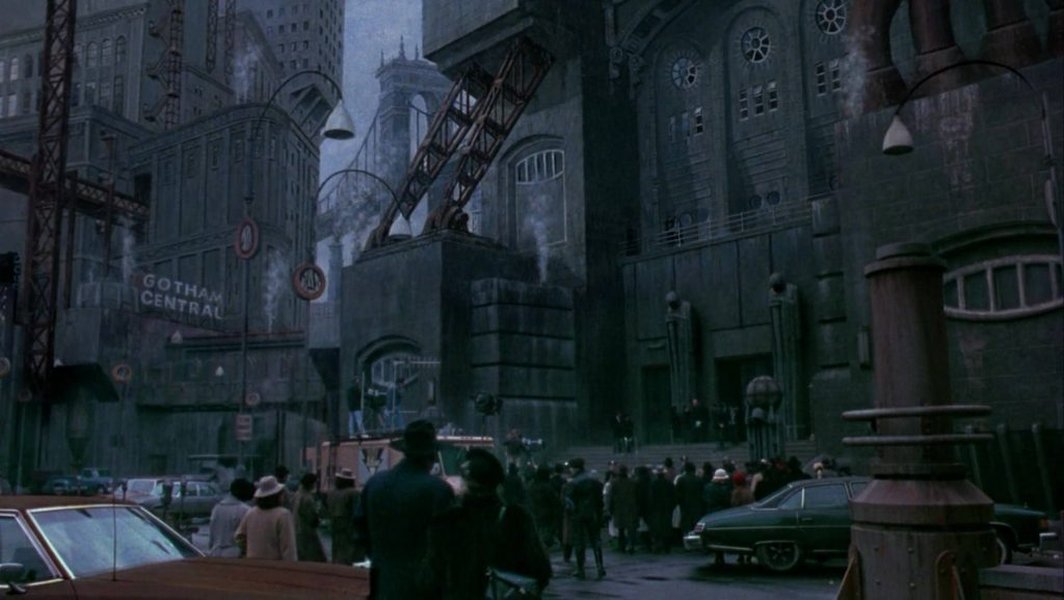
The distinctive gothic architecture of Gotham City, a hallmark of Tim Burton's vision.
Return of Michael Keaton's Batman
Interestingly, Michael Keaton has recently reprised his role as Batman in the DC Extended Universe film "The Flash" (2023), providing a form of continuation for his iteration of the character, albeit in a different context than originally planned for "Batman Continues." There have also been reports of further explorations of Keaton's Batman in other media, demonstrating the lasting appeal of his portrayal.
Unmade Batman Projects Throughout History
"Batman Continues" is not the only Batman film that never made it to the screen. The history of Batman in cinema is filled with fascinating unproduced projects, ranging from early concepts like "Batman vs. Godzilla" to later attempts like Darren Aronofsky's "Batman: Year One" and Joel Schumacher's planned fifth film, "Batman Unchained," which would have featured Scarecrow and potentially Harley Quinn.
These unmade films highlight the constant evolution of how filmmakers and studios have approached the character of Batman and the various creative and commercial factors that influence which projects get greenlit and which are ultimately abandoned.
Frequently Asked Questions About Batman Continues
What was the planned title for Tim Burton's third Batman film?
The planned title for Tim Burton's third Batman film was reportedly "Batman Continues."
Why was Batman Continues canceled?
"Batman Continues" was canceled primarily because Warner Bros. wanted to move the franchise in a lighter, more family-friendly direction following the darker tone of "Batman Returns." This creative difference led to Tim Burton's departure as director.
Who was expected to star in Batman Continues?
Michael Keaton was expected to reprise his role as Batman in "Batman Continues."
Which villains were planned for Batman Continues?
Two-Face and the Riddler were the villains most commonly associated with the plans for "Batman Continues."
Did any elements of Batman Continues appear in later films or media?
While the film itself was not made, some conceptual elements, such as the inclusion of Two-Face and Robin in the Burton universe, have been explored in the "Batman '89" comic series, a continuation of Burton's films.
References
Last updated April 23, 2025