
The Role of Time Management in Reducing Academic Anxiety: A Quantitative Study Among Grade 10 Students
Examining how structured planning can alleviate stress and boost performance
Highlights
- Reduced Anxiety: Effective time management is linked to lower levels of both state and trait anxiety among students.
- Enhanced Academic Performance: Organized study schedules and proper planning contribute to improved grades and confidence.
- Practical Strategies: Simple techniques such as planners, to-do lists, and balance in lifestyle can significantly help manage academic responsibilities.
Introduction
Academic anxiety is a pervasive challenge that affects students at multiple levels, often hindering academic performance and overall well-being. Within the high-pressure environment of Grade 10, students are particularly vulnerable to stress arising from a myriad of academic demands. One effective mechanism to combat this anxiety is through the development and implementation of robust time management strategies. This quantitative study examines the role of time management in reducing academic anxiety among Grade 10 students, exploring quantitative correlations, effective techniques, and practical implications for educators and students alike.
Effective time management entails more than simply scheduling tasks; it is an intricate skill that involves prioritizing assignments, allocating sufficient periods for study, managing deadlines, and ensuring a balanced lifestyle that includes self-care practices. As Grade 10 students navigate an increasingly complex academic landscape, strengthening these skills can lead to reduced anxiety, enhanced productivity, and improved educational outcomes.
Understanding the Link Between Time Management and Academic Anxiety
Conceptual Framework
The research on time management reveals a significant negative correlation between effective time management skills and academic anxiety. Students who plan their schedules meticulously and adhere to structured routines are often less overwhelmed by academic workload, leading to lower levels of anxiety. This relationship is typically quantified through surveys and assessments that evaluate both time management practices and anxiety measures, using statistical techniques to establish valid correlations.
Underlying Psychological Mechanisms
Several psychological mechanisms underlie the benefits of time management:
- Sense of Control: When students feel that they can control their schedules and meet deadlines, they tend to experience a significant reduction in anxiety. This sense of control builds self-efficacy, which is critical for managing stress.
- Reduced Procrastination: By allocating specific time slots for tasks and adhering to a schedule, students minimize procrastination. Procrastination often leads to last-minute rushes and heightened anxiety.
- Balanced Academic and Personal Life: Time management encourages students to balance academic work with physical activities and leisure, contributing to overall mental well-being.
The structured approach to time management not only prepares students to handle academic responsibilities but also equips them with essential life skills. By consistently developing these practices, Grade 10 students can establish a positive and productive relationship with both their academic and personal lives.
Quantitative Analysis and Research Design
Methodological Approach
A quantitative study examining time management’s impact on academic anxiety among Grade 10 students typically involves the following stages:
Survey Design and Data Collection
Researchers can employ standardized questionnaires to assess perceived time management skills and levels of academic anxiety. Key variables include:
- Time Management Skills: Measured by questions regarding planning, prioritization, and scheduling habits.
- Academic Anxiety Levels: Evaluated using scales that distinguish between state anxiety (temporary situational anxiety) and trait anxiety (long-term anxiety predispositions).
- Academic Performance: Often monitored through grades and self-reported academic achievements.
A representative sample of Grade 10 students is critical to generalize findings. Data collection methods can include online surveys or in-person assessments conducted in a controlled environment to ensure the reliability and validity of responses.
Statistical Analysis
Researchers use statistical tools, such as correlation analysis and regression models, to analyze the data. The aim is to identify:
- Correlation Coefficients: To establish the strength and direction of the relationship between time management and academic anxiety.
- Regression Analysis: To determine how much variation in academic anxiety can be explained by differences in time management skills.
- Mediating Variables: To explore additional factors such as academic motivation, self-efficacy, and burnout, which might influence the primary relationship.
Expected Outcomes
Studies in this domain consistently indicate that effective time management is associated with significant reductions in academic anxiety. Outcomes include:
- Decreased Anxiety Levels: Enhanced time management skills lead to lower scores of both state and trait anxiety, providing students with a calmer academic experience.
- Improved Academic Performance: Students who effectively manage their time tend to achieve better results due to minimized stress and enhanced focus on studies.
- Greater Academic Motivation: By creating a well-planned study routine, students report increased motivation and engagement with their academic tasks.
Illustrative Data Table
| Time Management Skill Level | Average State Anxiety Score | Average Trait Anxiety Score | Average Academic Grade |
|---|---|---|---|
| High | 32 | 30 | A |
| Moderate | 45 | 44 | B |
| Low | 60 | 58 | C |
This table succinctly illustrates that higher proficiency in time management is associated with lower anxiety scores and higher academic grades, reflecting the potential benefits of structured planning in academic settings.
Practical Strategies for Effective Time Management
Organizational Tools and Techniques
There are numerous tools and techniques that Grade 10 students can adopt to better manage their time and reduce academic anxiety:
Planners and Calendars
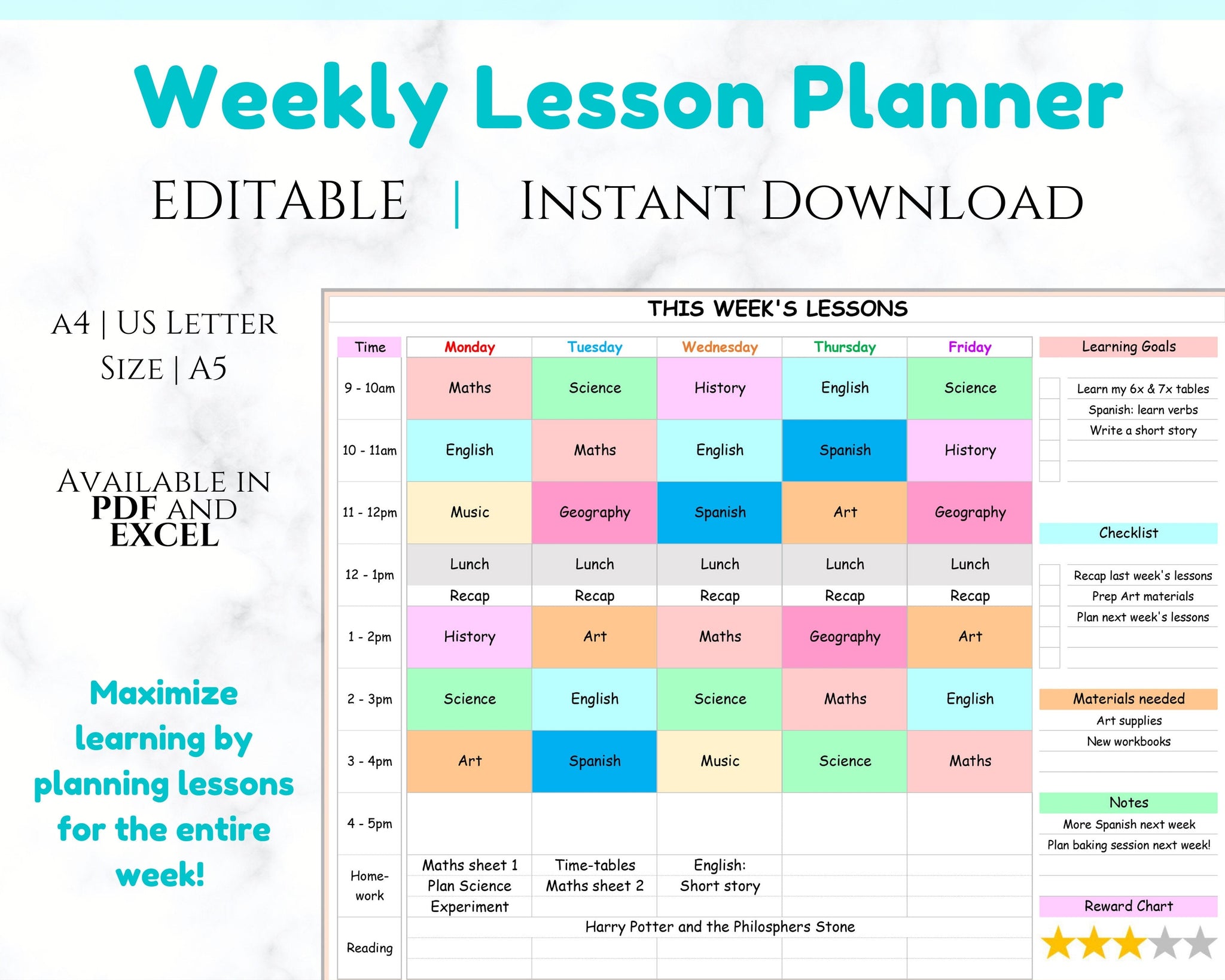
Utilizing digital or paper-based planners can help students develop a clear overview of their assignments and deadlines. Monthly calendars can be used to track important dates, while weekly schedules allow for detailed planning of study sessions, extracurricular activities, and personal time.
To-Do Lists
Maintaining an accessible to-do list helps prioritize tasks and provides a sense of accomplishment as tasks are checked off. This simple strategy can break down overwhelming projects into manageable components.
Prioritization Techniques
Effective prioritization is crucial. Students are encouraged to assess which tasks carry the most weight in terms of grades or deadlines, and then to allocate time accordingly. Techniques such as the Eisenhower Matrix can help distinguish between urgent/important tasks and those that can be scheduled for later.
Integrating Self-Care and Balanced Lifestyle
Time management is not solely about academic work. Incorporating regular breaks, physical exercise, and leisure activities can help maintain mental health and reduce anxiety. A well-balanced schedule prevents burnout and creates a sustainable cycle of productivity.
In addition, adopting mindfulness practices and positive thinking can further enhance the benefits of time management. Such practices promote a clear mind, enabling students to focus better during study sessions.
Developing Customized Strategies
It is important for students to tailor time management techniques to their personal needs and academic demands. While some might prefer structured digital planning tools, others may find that a handwritten journal offers the necessary flexibility. Experimenting with different strategies will enable students to identify the methods that best reduce their anxiety and enhance their productivity.
Implications for Educators and Policy Makers
Supporting Curriculum Development
Educators can play a pivotal role in mitigating academic anxiety by integrating time management training into the curriculum. Workshops, seminars, and dedicated courses on planning and prioritization can be highly beneficial. By embedding these skills into everyday learning, schools can prepare students not only for academic challenges but also for life beyond the classroom.
Tailored Interventions
Policy makers and school administrators are encouraged to implement targeted interventions aimed at bolstering time management skills. This can include:
- Structured Guidance: Offering regular counseling and support services to help students plan their schedules and manage stress.
- Resource Allocation: Ensuring students have access to time management tools, such as planners, digital resources, and organizational apps.
- Monitoring and Feedback: Conducting periodic assessments to measure progress and adjust teaching methods to best serve the students’ needs.
Broader Educational Impact
The benefits of effective time management extend beyond academic anxiety reduction. Students who master these skills are more likely to experience improved academic performance, enhanced self-efficacy, and overall better mental health. Initiatives driven by educators and policy makers will not only alleviate immediate anxiety but also instill habits that contribute to long-term success.
Innovative Research Directions
Expanding Study Parameters
Future research in this area could explore multifaceted dimensions of time management and its long-term effects on academic success and mental health. Longitudinal studies that follow students over several academic years could provide insights into how early training in time management influences future outcomes.
Integrating Technology
With the proliferation of digital tools, it is also worthwhile to examine how technology-enhanced time management aids, such as apps and online planners, compare with traditional methods. Examining the effectiveness of these digital interventions could further refine strategies that are adaptable to individual student needs.
Cross-Cultural Comparisons
Incorporating diverse cultural perspectives might reveal how time management practices vary across different education systems and social contexts. Understanding these differences can lead to more globally relevant strategies for reducing academic anxiety.
Conclusion and Final Thoughts
Effective time management emerges as a critical skill for reducing academic anxiety among Grade 10 students. The quantitative evidence supports the notion that a well-organized schedule is directly linked to decreased stress levels and enhanced academic performance. By empowering students with the tools and techniques needed to manage their time effectively, educators can help foster both a more balanced academic environment and a more resilient approach to life's challenges.
The approach outlined in this study underscores the importance of structured planning and self-care. As students learn to prioritize tasks and maintain a balanced lifestyle, they not only alleviate the pressures associated with academic demands but also develop essential skills that will serve them throughout their academic and professional careers.
Furthermore, by integrating these practices into broader educational strategies and policies, schools and policymakers can ensure that future generations are better equipped to manage stress and excel academically. The research further emphasizes that improved time management leads to increased motivation, a greater sense of control, and ultimately, superior academic outcomes.
In summary, the role of time management in reducing academic anxiety among Grade 10 students is both vital and multifaceted. It encompasses well-planned study schedules, efficient use of digital and traditional planning tools, and the integration of self-care practices into daily routines. As educational institutions continue to recognize the importance of these skills, empowering students with time management strategies will remain a cornerstone of academic success and mental health.
References
- Relationship between time management skills and anxiety and academic motivation of nursing students in Tehran - PubMed
-
Relationship between time management skills and anxiety and academic motivation of nursing students in Tehran - PMC
- The Relevance of Time Management in Academic Achievement: A Critical Review of the Literature - ResearchGate
- Investigating the Relationship of Test Anxiety and Time Management with Academic Procrastination among University Students - Wiley Online Library
- The Relationship between Time Management and Academic Burnout with the Mediating Role of Test Anxiety and Self-Efficacy Beliefs among University Students - ResearchGate
Recommended Further Queries
Last updated February 20, 2025