
Mastering Time Management in the Modern Age
Unlock productivity, reduce stress, and balance life with effective time management strategies
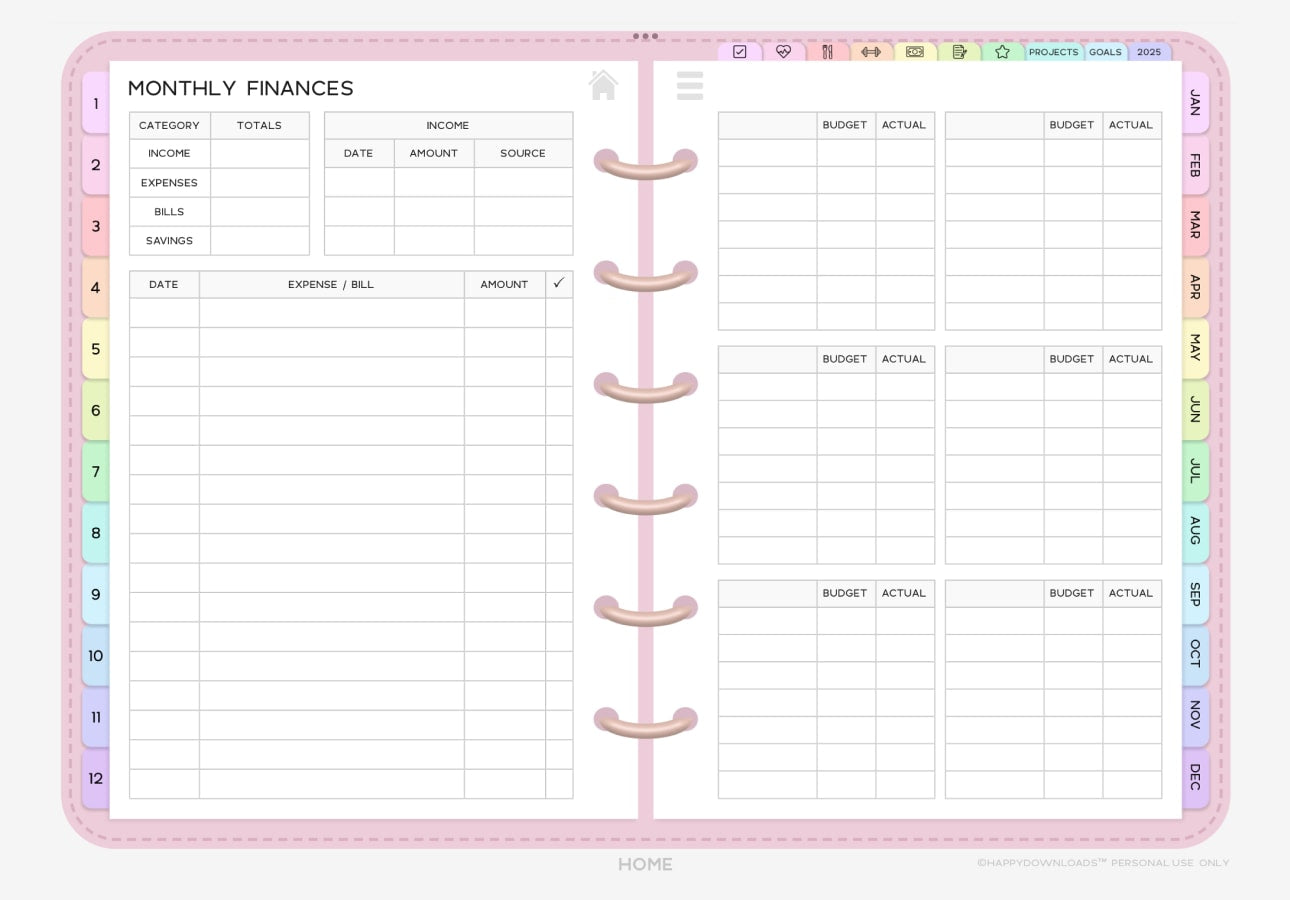
Key Highlights
- Prioritization is Essential: Understand and categorize tasks according to urgency and importance.
- Planning and Tools: Leverage digital calendars, apps, and techniques like timeboxing for efficiency.
- Balance and Self-Care: Incorporate regular breaks, self-care, and flexibility into your schedule.
Understanding Time Management
Time management is a strategic skill that involves planning, organizing, and controlling how you allocate your available time to activities at work, school, or home. In today's fast-paced world, where juggling multiple responsibilities is the norm, mastering the art of time management is not just helpful—it is essential. When you manage your time effectively, you are able to boost productivity, reduce stress levels, maintain better health, and achieve a more balanced lifestyle. Instead of feeling overwhelmed by too many tasks, you will learn to focus on what truly matters.
Effective time management methods are not rigid black-and-white systems—rather, they blend diverse techniques and technologies tailored to individual needs. For example, while methods like the Eisenhower matrix help you differentiate between what is urgent and what is important, modern digital tools can help automate and track your progress, making life much more organized and manageable.
The Core Principles of Time Management
1. Clear Goal Setting
At the heart of effective time management lies the ability to define what you want to achieve. Clear goals provide direction and serve as a lighthouse guiding you through your day-to-day tasks. When goals are specific, measurable, achievable, relevant, and time-bound (SMART), they become even more powerful. Having a clear vision of what you want ensures that every activity is aligned with your broader objectives.
Take time at the beginning of every day, week, or month to outline your goals. Ask yourself what tasks are critical, which can be deferred, and what outcomes are non-negotiable. This proactive approach can help you stay committed and avoid the trap of reacting to every distraction that comes your way.
2. Prioritization Techniques
One of the most commonly recommended strategies for time management is prioritization. Tools like the Eisenhower Matrix are instrumental in identifying which tasks warrant immediate attention. This matrix categorizes tasks into four quadrants:
- Urgent and Important: Handle these tasks immediately.
- Not Urgent but Important: Schedule time for these tasks.
- Urgent but Not Important: Consider delegating these tasks.
- Not Urgent and Not Important: Eliminate any time spent on these activities.
By filtering your tasks through such a framework, you ensure that the most important and impactful activities receive your primary focus—thus significantly boosting overall productivity.
3. Planning Tools and Digital Applications
In the modern technological era, a wide range of digital tools and apps are available to help structure your time more effectively. Calendars, reminders, task lists, and project management software can automate much of the scheduling work. Tools like Asana, Trello, or even a simple digital calendar allow you to set deadlines and reminders, ensuring you do not miss a critical task.
Additionally, strategies like timeboxing—where you allocate specific blocks of time to tasks—can help you stay disciplined and focused. The structure provided by these tools minimizes the risk of procrastination while guiding you to a more consistent and productive daily routine.
4. Breaking Tasks into Manageable Steps
When a project feels overwhelming in its entirety, breaking it down into smaller, more manageable steps can make the task far less daunting. This incremental approach allows you to track your progress and foster a sense of achievement with every small victory. It is the principle behind techniques such as the Pomodoro Technique, where work sessions are divided into short intervals with scheduled breaks.
By partitioning your workload into segments, you not only maintain momentum but also ensure that the overall project remains on schedule. The familiarity of small accomplishments acts as a psychological motivator to keep moving forward.
5. Minimizing Distractions
In today's world, distractions are ubiquitous. Whether it's the constant pings of your smartphone, social media notifications, or ambient noise in your workspace, distractions can severely derail your focus. It is essential to create an environment devoid of such interruptions. Designate specific periods during your day solely for concentrated work—close unnecessary apps, silence notifications, and, if possible, set up a dedicated workspace.
Furthermore, consider using apps that help manage distractions by blocking access to non-essential websites during your high productivity intervals. This proactive approach ensures that your energy is reserved for tasks that align with your broader goals.
Incorporating Self-Care and Flexibility
A common misconception about time management is that it requires an obsessive focus on work at the expense of personal well-being. However, true time management is about balance. Regular breaks, moments of reflection, and self-care are as important as work sessions. Without appropriate intervals for rest, you are likely to face burnout which ultimately harms productivity.
Establish a routine that includes scheduled breaks, physical activities, or mindfulness practices. These breaks provide not only a necessary pause for mental rejuvenation but also keep your creativity and energy levels in check, ensuring that you consistently perform at your best.
Flexibility in Planning
Although planning is key to time management, inflexibility can be your worst enemy. Life is unpredictable, and unexpected challenges will arise. Therefore, it is essential to incorporate flexibility into your schedule. Allow extra time for unforeseen tasks or emergencies. This adaptability prevents your neatly planned schedule from descending into chaos when surprises occur.
A flexible plan still adheres to core principles and objectives, but it recognizes that each day might require adjustments. Whether it is shifting a deadline or reordering tasks, staying flexible while adhering to a structured strategy is the hallmark of a resilient time management system.
Advanced Time Management Techniques and Their Benefits
The Eisenhower Matrix
The Eisenhower Matrix, named after President Dwight D. Eisenhower, is a revolutionary approach to task prioritization. This tool empowers you to classify tasks into four distinct categories based on their urgency and importance:
| Category | Description | Action |
|---|---|---|
| Urgent and Important | Tasks that require immediate attention and are critical to your goals. | Complete these tasks immediately. |
| Not Urgent but Important | Tasks that are vital but do not need to be addressed right away. | Schedule specific times to work on these tasks. |
| Urgent but Not Important | Tasks that demand immediate attention but can often be delegated. | Delegate these tasks to someone else. |
| Not Urgent and Not Important | Tasks that do not contribute significantly to your progress. | Eliminate or postpone these tasks. |
This matrix is a powerful tool that helps you maintain focus on what is truly important, thereby minimizing wasted time and maximizing productivity.
Timeboxing and the Pomodoro Technique
Timeboxing involves dividing your day into blocks of time dedicated to specific tasks. Each timebox has a defined start and end time, allowing you to concentrate on one task at a time without distractions. This method is highly effective in ensuring that tasks don't take longer than they should, as each segment acts as a mini-deadline.
Closely related to timeboxing is the Pomodoro Technique. This technique encourages working in 25-minute focused intervals, each followed by a short break. The frequent breaks help refresh your mind and prevent fatigue over long working periods, ultimately maintaining a high level of concentration throughout the day.
Delegation and Automation
Effective time management also means recognizing when you have too much on your plate. Delegating tasks to others not only helps distribute the workload but also helps build trust and teamwork among colleagues. When delegation is not an option, automation offers a compelling alternative. Many routine tasks are now streamlined through various software solutions that automate mundane processes, freeing you up to concentrate on more critical work.
By automating repetitive tasks, you reduce the cognitive load and ensure that your time is focused on activities that add higher value to your goals. This approach is particularly beneficial in high-demand environments where every minute counts.
The Psychological and Health Benefits of Time Management
Reducing Stress and Anxiety
One of the most immediate benefits of systematic time management is stress reduction. When your tasks are well-organized and spread out over a manageable timeline, you reduce the anxiety often associated with looming deadlines and last-minute rushes. A clear plan provides reassurance by eliminating uncertainty about what needs to be done and when.
Furthermore, when you take proactive steps through self-care—such as incorporating regular breaks, exercise, and leisure into your schedule—you foster mental clarity and emotional stability. This balanced approach leads to not only higher productivity but also improved mental health.
Improving Focus and Decision Making
Efficient time management cultivates a habit of focused work, which in turn enhances decision-making. When you are not constantly distracted by multiple tasks or interruptions, you are better positioned to make thoughtful and informed decisions. This improved focus also allows you to keep your eye on the long-term objectives rather than getting sidetracked by minor details.
Structured routines and clear priorities support a decision-making process that is both rational and effective. Every action becomes a stepping stone to achieving your goals, and this clarity makes it easier to assess which tasks should take precedence over others.
Practical Tips for Building a Sustainable Time Management Routine
Develop Your Daily Plan
Start your day by developing a plan that includes both professional responsibilities and personal commitments. Consider using a planner or an app that helps you visualize your day. This plan should detail your priorities, allocated timeboxes, and flexible slots to accommodate any unexpected events. Effective planning not only structures your routine but also provides a sense of purpose and daily direction.
Remember that the goal of a daily plan is to enable you to smoothly transition between tasks while keeping energy levels high. It is about deliberately aligning your actions with your short-term and long-term goals.
Regularly Reflect and Adjust
Consistent reflection on your performance is a key element of effective time management. Set aside time at the end of each day or week to analyze what worked well and what did not. Reflecting on your productivity allows you to identify patterns, highlight successful strategies, and recognize potential pitfalls.
Use this reflection to adjust your routines. Perhaps certain tasks take longer than expected, or maybe there are recurring distractions you need to address. This process of continual improvement is what transforms good planning into a sustainable habit.
Embrace Technology and Automation
Do not shy away from using digital applications that are specifically designed to make planning, tracking, and reviewing your time easier. Whether it is a dedicated time management app or a simple digital calendar, these tools can help streamline your schedule and improve your efficiency. Embracing technology means you can shift your focus away from the administrative aspects of time management and devote your energy to critical thinking and creative tasks.
The integration of technology into your time management strategy can lead to significant improvements in productivity, as these tools are designed to offer insights, reminders, and automation, keeping you on track throughout the day.
Time Management in the Modern Era: A Holistic Perspective
Modern time management goes beyond simply checking items off a to-do list. It is a holistic strategy that involves understanding personal productivity patterns, leveraging modern technology, maintaining a healthy work-life balance, and continually adapting to change. In a world that is ever-evolving, the ability to effectively manage your time not only boosts professional success but also leads to a more fulfilling personal life.
Whether you are a working professional, a student, or someone looking to keep your personal projects on track, the fundamentals of time management remain the same: set concrete goals, prioritize wisely, plan thoroughly, delegate when necessary, and always allow space for flexibility and rest.
Embracing these principles will not only enhance your productivity but will also empower you to embrace challenges with a clear, focused mind. The tangible results include reduced stress, increased creativity, improved decision-making, and a sense of accomplishment that enriches all areas of life.
References
- Time Management Tips - Asana
- How Busy Professionals Can Better Manage Their Time - Forbes
- Manage Time and Productivity in 2025 - Piplum
- Time Management and Productivity Tips - Women's Health
- Time Management Techniques - Apploye
Recommended Related Queries
Last updated March 11, 2025