
Unveiling Tipo Star: A Multifaceted Approach to Skin Healing Beyond MEBO
Discover how Tipo Star's unique formulation aims to redefine skin recovery and comfort.
When considering topical treatments for skin ailments, understanding the nuances between products is crucial. Both Tipo Star ointment and the well-established MEBO ointment aim to promote skin healing, yet they achieve this through distinct formulations and ingredient philosophies. As a product manager for Tipo Star, this analysis will delve into the specific differences, highlighting Tipo Star's unique selling propositions and advantages.
Key Highlights: Tipo Star's Edge
Essential Takeaways on Tipo Star's Advantages
- Enhanced Antimicrobial Power: Tipo Star incorporates Chlorhexidine Digluconate and Hexamidine Diisethionate, potent antiseptics, alongside natural antimicrobials like Tea Tree Oil, offering a robust defense against infection, a step beyond MEBO's reliance on a hyperosmolar environment and natural herbs.
- Superior Botanical Richness & Synergy: With an extensive blend of 13 distinct botanical oils and extracts (including Myrrh, Boswellia, Calendula, and Panax Ginseng), Tipo Star provides a broader spectrum of anti-inflammatory, nourishing, and regenerative compounds compared to MEBO's primarily sesame oil and limited herbal base.
- Targeted Symptom Relief: The inclusion of Polidocanol in Tipo Star offers direct relief from itching and pain, a specific benefit not explicitly addressed by MEBO's formulation.
Deep Dive: Tipo Star vs. MEBO - An Ingredient Perspective
Comparing the Building Blocks of Healing
Both Tipo Star and MEBO share Beta-sitosterol, a plant sterol known for its anti-inflammatory and skin-healing properties. However, the surrounding cast of ingredients in Tipo Star offers a more comprehensive and multi-targeted approach to skin repair and comfort. MEBO is renowned for its Moist Exposed Burn Therapy (MEBT) principles, primarily using sesame oil, beeswax, and a selection of Chinese herbs to create a moist healing environment and liquefy necrotic tissue. It also contains amino acids, fatty acids, and vitamins.
Tipo Star, while also valuing a supportive healing environment, broadens its therapeutic action through a diverse array of natural oils, potent herbal extracts, and specific active agents. Let's break down the key component categories:
| Ingredient Category | Tipo Star Ointment | MEBO Ointment (Typical Composition) |
|---|---|---|
| Key Active Sterol | Beta-sitosterol | Beta-sitosterol (approx. 0.25%) |
| Base & Carrier Oils | Pumpkin Seed Oil, Linseed Oil, Rosemary Oil, Rice Bran Oil, Castor Oil, Olive Oil, Peanut Oil | Sesame oil, Beeswax |
| Specialty Botanical Oils & Extracts | Myrrh Oil, Boswellia Serrata Oil, Chamomile Oil, Tea Tree Oil, Calendula Officinalis Extract, Aloe Vera Callus Extract, Panax Ginseng Extract | Radix scutellariae, Cortex phellodendri, Rhizoma coptidis (Chinese herbs), Berberine |
| Antimicrobial Agents | Chlorhexidine Digluconate, Hexamidine Diisethionate, Tea Tree Oil | Relies on hyperosmolar environment and natural antimicrobial properties of its herbal components. |
| Anti-inflammatory & Soothing Agents | Boswellia Serrata Oil, Chamomile Oil, Calendula Officinalis Extract, Aloe Vera Callus Extract, Polidocanol (also anti-itch) | Beta-sitosterol, herbal components. |
| Antioxidants & Skin Repair | Tocopheryl Acetate (Vitamin E), Panax Ginseng Extract, various antioxidant-rich oils. | Contains vitamins (including Vitamin E) and polysaccharides. |
| Astringent Agents | Tannic Acid | Not typically highlighted. |
| Other Actives | Polidocanol (local anesthetic/antipruritic) | 18 amino acids, essential fatty acids. |
This table clearly illustrates Tipo Star's more complex formulation, designed to address multiple facets of wound healing and skin discomfort simultaneously.
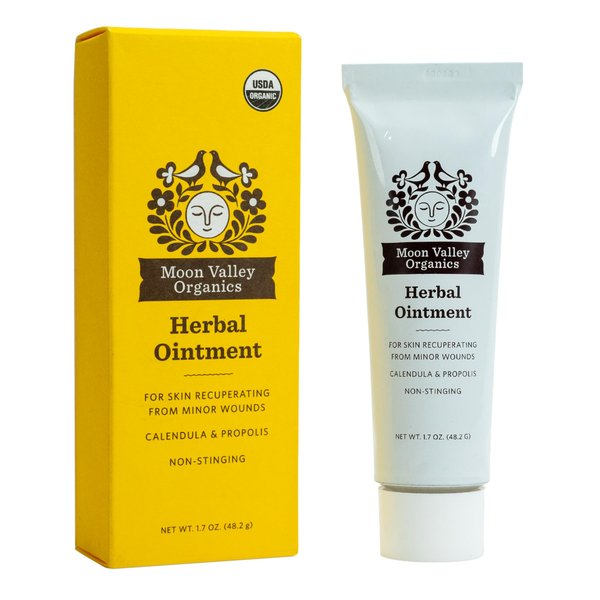
Tipo Star incorporates beneficial botanicals like Calendula Officinalis Extract, renowned for its skin-soothing and healing properties.
Key Differentiators: Why Choose Tipo Star?
Exploring the Unique Advantages
The distinct ingredient profile of Tipo Star translates into several key points of difference and selling propositions when compared to MEBO ointment.
Enhanced and Broader Antimicrobial Shield
MEBO is noted to prevent bacterial growth, largely attributed to its hyperosmolar medium and the natural properties of its herbs. Tipo Star takes a more direct and potent approach to infection control. The inclusion of Chlorhexidine Digluconate and Hexamidine Diisethionate provides broad-spectrum antiseptic action, crucial for preventing or managing infections in various skin injuries. This is further augmented by Tea Tree Oil, a well-known natural antimicrobial and antifungal agent. This multi-pronged antimicrobial strategy is a significant advantage, especially for wounds prone to infection.
Rich Tapestry of Botanical Actives
While MEBO utilizes a selection of Chinese herbs, Tipo Star boasts an extensive collection of botanical oils and extracts, each contributing unique therapeutic benefits:
- Anti-inflammatory Powerhouses: Boswellia Serrata Oil (Frankincense) and Myrrh Oil are famed for their potent anti-inflammatory effects, helping to reduce swelling, redness, and pain. Chamomile Oil and Calendula Officinalis Extract further contribute to soothing inflammation.
- Nourishment and Moisturization: A diverse blend of oils including Pumpkin Seed, Linseed, Rosemary, Rice Bran, Castor, and Olive Oil provides essential fatty acids, vitamins, and antioxidants. This rich emollient base deeply nourishes the skin, supports barrier function, and maintains optimal moisture levels, potentially offering superior skin conditioning compared to MEBO's simpler sesame oil and beeswax base.
- Regeneration and Revitalization: Aloe Vera Callus Extract is renowned for its healing and soothing properties. Panax Ginseng Extract is included for its potential to revitalize skin and support regeneration. Tocopheryl Acetate (Vitamin E) acts as a powerful antioxidant, protecting skin cells from damage and aiding in repair.
Targeted Itch and Pain Alleviation
A significant point of difference is the presence of Polidocanol in Tipo Star. This ingredient functions as a local anesthetic and antipruritic, offering direct relief from itching and minor pain associated with skin conditions and healing wounds. While MEBO provides general analgesic effects, Tipo Star’s Polidocanol specifically targets these common and often distressing symptoms.
Astringent Properties for Wound Care
The inclusion of Tannic Acid in Tipo Star introduces an astringent property. Astringents can help to gently contract tissues, reduce secretions, and form a protective layer over wounds, which can be beneficial in certain types of skin injuries. This offers a different approach to wound environment management compared to MEBO's primary focus on maintaining a constantly moist environment.
Visualizing the Advantages: Tipo Star vs. MEBO
Comparative Profile Radar Chart
To better illustrate the distinct strengths, the radar chart below provides a visual comparison of Tipo Star and MEBO across several key performance attributes. These are conceptual ratings based on their respective ingredient profiles and mechanisms of action, highlighting Tipo Star's multifaceted benefits.
This chart suggests Tipo Star's potential advantages in antimicrobial action, botanical diversity, anti-inflammatory effects, and direct itch/pain relief, while both products are strong in promoting scar reduction and regeneration, with MEBO having a well-established reputation in these latter areas through its MEBT approach.
The Tipo Star Formulation: A Mindmap Overview
Deconstructing the Synergy of Ingredients
The following mindmap illustrates the core components of Tipo Star ointment and their interconnected benefits, showcasing its holistic design for comprehensive skin care and repair.
(Broad Spectrum Antiseptic)"] id2b["Hexamidine Diisethionate
(Antiseptic)"] id2c["Tea Tree Oil
(Natural Antimicrobial & Antifungal)"] id3["Rich Botanical Oil Blend
(Nourishment & Moisturization)"] id3a["Pumpkin Seed Oil"] id3b["Linseed Oil"] id3c["Rosemary Oil"] id3d["Rice Bran Oil"] id3e["Castor Oil"] id3f["Olive Oil"] id3g["Peanut Oil"] id4["Potent Herbal Extracts
(Soothing & Regeneration)"] id4a["Myrrh Oil
(Anti-inflammatory, Healing)"] id4b["Boswellia Serrata Oil
(Anti-inflammatory)"] id4c["Chamomile Oil
(Soothing, Anti-inflammatory)"] id4d["Calendula Officinalis Extract
(Wound Healing, Soothing)"] id4e["Aloe Vera Callus Extract
(Healing, Moisturizing)"] id4f["Panax Ginseng Extract
(Revitalizing, Antioxidant)"] id5["Targeted Symptom Relief"] id5a["Polidocanol
(Anti-Itch, Local Anesthetic)"] id6["Additional Support Actives"] id6a["Tocopheryl Acetate (Vitamin E)
(Antioxidant, Skin Repair)"] id6a["Tannic Acid
(Astringent)"]
This mindmap highlights how Tipo Star integrates multiple active systems – antimicrobial, anti-inflammatory, nourishing, and symptom-relieving – to provide comprehensive care.
Addressing Skin Discomfort: The Importance of Itch Relief
How Tipo Star Tackles a Common Symptom
Itchiness (pruritus) is a common and often highly bothersome symptom accompanying many skin conditions, from minor irritations and insect bites to healing wounds and chronic dermatoses. Providing relief from itch is not just about comfort; it can also prevent further skin damage from scratching, which can introduce infection or prolong healing. Tipo Star specifically includes Polidocanol, an ingredient recognized for its local anesthetic and antipruritic (anti-itch) properties. This offers a direct advantage for users seeking immediate relief from this irritating symptom.
While other ointments, like the Blue Star Ointment mentioned in the video below, also focus on itch relief for various conditions, Tipo Star integrates this benefit within a broader wound healing and skin regenerative formula.
Video discussing an ointment used for itch relief, highlighting the importance of addressing this common skin concern. Tipo Star also aims to alleviate itch with ingredients like Polidocanol.
Main Selling Points of Tipo Star Over MEBO
Key Advantages for the Consumer
Based on its comprehensive formulation, Tipo Star offers several compelling selling points when positioned against MEBO:
- Superior and Broader Antimicrobial Protection: The combination of synthetic antiseptics (Chlorhexidine, Hexamidine) and natural Tea Tree Oil offers more robust and reliable infection prevention than MEBO's more passive mechanisms. This is crucial for compromised skin.
- Comprehensive Botanical Support for Healing: The extensive array of plant oils and extracts in Tipo Star delivers a wider range of phytonutrients that synergistically support anti-inflammatory processes, skin nourishment, antioxidant defense, and cellular regeneration.
- Immediate Itch and Pain Relief: Polidocanol provides targeted relief from itching and pain, enhancing user comfort significantly during the healing process—a feature not explicitly offered by MEBO.
- Enhanced Skin Nourishment and Antioxidant Defense: The rich blend of carrier oils and Vitamin E in Tipo Star provides superior moisturization and protects the skin from oxidative stress, promoting healthier skin recovery and potentially better cosmetic outcomes.
- Versatility for a Wider Range of Skin Issues: Due to its multi-action formula addressing infection, inflammation, itch, pain, and healing, Tipo Star may be suitable for a broader spectrum of skin conditions beyond just burns and wounds, including general skin irritations, minor cuts, and conditions where itching is a primary concern.
- Modern, Multi-Functional Formulation: Tipo Star represents a more advanced approach by combining the best of natural botanicals with proven active pharmaceutical ingredients for a holistic and effective skin treatment.
Frequently Asked Questions (FAQ)
Your Questions About Tipo Star vs. MEBO Answered
1. What is the main difference in how Tipo Star and MEBO fight infection?
MEBO primarily relies on creating a hyperosmolar environment with its sesame oil base and the natural antimicrobial properties of its herbal ingredients to inhibit bacterial growth. Tipo Star incorporates potent, broad-spectrum synthetic antiseptics like Chlorhexidine Digluconate and Hexamidine Diisethionate, along with natural Tea Tree Oil, for a more direct and powerful antimicrobial action against a wider range of microorganisms.
2. Is Tipo Star better for itchy skin conditions than MEBO?
Tipo Star is specifically formulated with Polidocanol, an ingredient known for its anti-itch (antipruritic) and local anesthetic properties. This provides direct relief from itching and minor pain. While MEBO aids in overall healing which can indirectly reduce itch, it does not contain a dedicated anti-itch agent like Tipo Star does, making Tipo Star potentially more effective for conditions where itch is a significant symptom.
3. Which ointment provides more natural oils and botanical extracts?
Tipo Star contains a significantly broader and more diverse range of natural oils and botanical extracts. It includes Pumpkin Seed Oil, Myrrh Oil, Boswellia Serrata Oil, Linseed Oil, Rosemary Oil, Rice Bran Oil, Castor Oil, Olive Oil, Chamomile Oil, Peanut Oil, Tea Tree Oil, Calendula Officinalis Extract, Aloe Vera Callus Extract, and Panax Ginseng Extract. MEBO's botanical profile is primarily based on sesame oil and a few specific Chinese herbal extracts.
4. Can Tipo Star help with scar prevention like MEBO?
Yes, Tipo Star is also designed to support optimal wound healing, which is key to minimizing scarring. Ingredients like Beta-sitosterol, various nourishing oils, Vitamin E, Aloe Vera, and Calendula all contribute to healthy skin regeneration. While MEBO is well-known for its scar-reducing properties in burn treatment, Tipo Star's comprehensive formula aims to achieve excellent healing outcomes and thereby reduce the likelihood and appearance of scars.
5. Are there any ingredients in Tipo Star I should be cautious about?
Tipo Star is formulated with ingredients generally considered safe for topical use. However, as with any topical product, individual sensitivities or allergies can occur. If you have known allergies to any specific botanical ingredients (e.g., Peanut Oil, Asteraceae family plants like Chamomile or Calendula) or to antiseptics like Chlorhexidine, it's advisable to check the full ingredient list and consult with a healthcare professional. A patch test is always recommended if you have sensitive skin.
Recommended Further Exploration
Delve Deeper into Skin Health and Healing
- What are the benefits of Boswellia and Myrrh in topical skin treatments?
- How does Chlorhexidine compare to other antiseptics for wound care?
- The role of Polidocanol in managing itchy skin conditions.
- Understanding the science behind moist wound healing environments.
References
Sources and Further Reading

Last updated May 18, 2025