
Navigating Challenging Interactions with Grace and Resilience
Mastering the Art of Dealing with Difficult People in All Aspects of Life
Key Insights for Effective Engagement
- Prioritize Self-Care and Emotional Regulation: Before engaging with a difficult person, ensure your own emotions are stable and you're not reacting impulsively. Protecting your mental health is paramount.
- Empathy and Active Listening are Powerful Tools: Seek to understand the other person's perspective, fears, or concerns. Listening without judgment can de-escalate tension and open pathways for constructive dialogue.
- Set Clear Boundaries and Be Assertive: While empathy is crucial, it's equally important to establish and maintain firm boundaries. Don't be afraid to assert your needs and communicate how you expect to be treated.
Encountering difficult people is an inevitable part of life, whether in personal relationships, professional settings, or even casual interactions. These encounters can be emotionally draining and mentally taxing, often leaving us feeling frustrated, angry, or even helpless. However, by adopting the right mindset and applying effective strategies, you can transform these challenging situations into opportunities for personal growth, enhanced communication, and a stronger sense of self-control. The key lies not in changing the other person, but in mastering your own reactions and responses.
Understanding the Dynamics of Difficult Interactions
The Root Causes and Your Role
Before diving into specific tactics, it's beneficial to understand why some people act "difficult." Often, challenging behavior is a reflection of an individual's internal struggles, insecurities, inadequacy, or even a lack of social or personal skills. Sometimes, people may not even realize their behavior is perceived as difficult; they might believe their actions are entirely reasonable. Recognizing this can help you approach situations with more empathy and less personalization of their actions.
It's also crucial to self-reflect and consider your own contribution to the dynamic. While you are not responsible for another person's behavior, your reactions can influence the outcome of an interaction. Are you inadvertently fueling the fire? Are your defensiveness or people-pleasing tendencies hindering a resolution? Examining your behaviors and assessing if you're contributing to the problem is a vital step towards finding better outcomes.
The Impact of Difficult Relationships
Difficult relationships, if not handled appropriately, can have a snowball effect on your personal well-being and, in professional contexts, on the entire team or organization. They can lead to increased stress, reduced productivity, conflicts, and a general atmosphere of frustration and resentment. Learning to navigate these challenges is not just about conflict resolution; it's about preserving your peace of mind and fostering healthier environments.
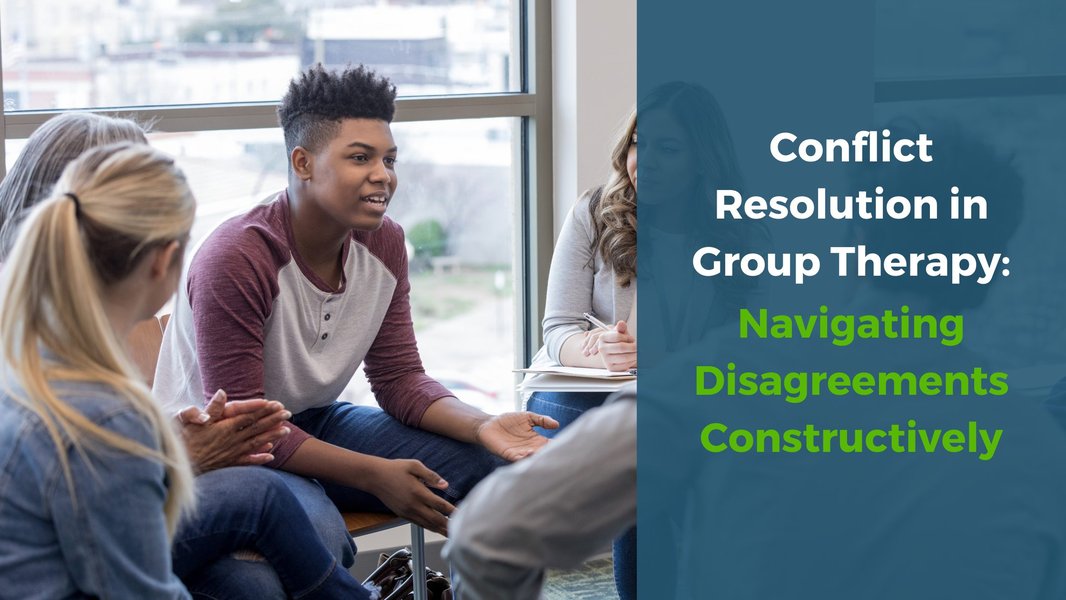
Navigating disagreements effectively is key to maintaining healthy relationships.
Core Strategies for Handling Difficult People
A Holistic Approach to Interaction Management
Maintain Calm and Composure
One of the most critical first steps when facing a difficult person is to remain calm and composed. When confronted with unreasonable behavior, your brain’s "fight-flight-freeze" response can activate, leading to impulsive reactions. Take a moment to pause—count to ten, take deep breaths, or even step away if necessary. Responding while upset only adds fuel to the fire. By practicing self-control, you engage the parts of your brain that enable better problem-solving.
Practice Active Listening and Empathy
Listening is the number one step in dealing with challenging individuals. Instead of immediately formulating a response, focus on understanding their perspective. This doesn't mean you have to agree with them, but showing a basic level of respect can de-escalate tension. Try to put yourself in their shoes, understanding their underlying fears, concerns, or unfulfilled desires. Minimal encouragers, such as calm sounds and neutral body language (like nodding and smiling), can signal you're listening without endorsing their behavior.
Set Clear and Firm Boundaries
Boundaries are essential for protecting your mental health and ensuring you are treated respectfully. Clearly communicate how you expect to be treated and what behavior is unacceptable. If someone is aggressive or uses personal attacks, you have the right to say, "Please don't talk to me like that." If the difficult person uses indirect tactics, bring their actions out into the open by naming the offending comments or actions and directly questioning them.
Focus on What You Can Control
There are many things in life you cannot control, and another person's personality or behavior is one of them. Instead, focus on what is within your control: your reactions, your boundaries, and your communication. By shifting your focus, you empower yourself and prevent their behavior from derailing your goals or peace of mind.
Avoid Taking Things Personally
Often, a difficult person's behavior stems from their own issues rather than anything you've done. If you don't take their rudeness or negativity personally, you can step back and consider the best course of action more objectively. This detachment allows you to choose a productive response instead of reacting defensively.
Advanced Techniques and Strategic Approaches
Tactics for Complex Scenarios
Seek Solutions, Not Blame
When in conflict, steer the conversation towards finding solutions rather than assigning blame. Approach issues as a team, even if the "team" is just you and the difficult person trying to resolve a shared problem. Involve the other person in the problem-solving process by asking for their input on how to move forward. This shifts the dynamic from confrontation to collaboration.
Use Kindness and Humor (Judiciously)
While it might seem counterintuitive, using kindness can be an effective tactic. The "kill them with kindness" approach can disarm a difficult person, as no one appreciates being berated. Humor, when used appropriately and not derisively, can also diffuse tension and create a more relaxed atmosphere. However, be mindful not to use humor to trivialize their concerns or your own.
Know When to Disengage or Seek Support
Sometimes, despite your best efforts, a situation might be beyond resolution. If a relationship is consistently causing stress, suffering, or becoming abusive, it may be time to consider limiting contact or disengaging entirely. Your mental well-being should always be the priority. In professional settings, this might mean involving a supervisor, HR, or a trusted colleague. For personal relationships, seeking advice from a counselor or therapist can provide valuable strategies and support.
The "Let Them Theory" and Radical Acceptance
The "Let Them Theory" suggests that you let people be who they are, without trying to change or control them. This involves accepting the reality of a difficult relationship and recognizing that you cannot force someone to change their behavior. This gentle acceptance doesn't mean resignation to misery, but rather a softening of your own resistance, which can reduce your stress and suffering. Radical kindness, forgiveness, and acceptance, even when faced with difficult behavior, can boomerang back to you, leading to greater peace.
This video from Mel Robbins discusses the "Let Them Theory" as a powerful framework for handling difficult people by releasing the need to control others' behavior and focusing on your own peace.
Strategic Engagement Modalities with Difficult People
Tailoring Your Approach to Different Scenarios
Effectively dealing with challenging individuals often requires a nuanced approach, adapting your strategies based on the context and the specific behaviors you encounter. The following table outlines various modalities and considerations:
| Modality/Context | Key Considerations and Strategies | Potential Benefits |
|---|---|---|
| Workplace Interactions | Maintain professionalism, focus on work-related issues, document interactions if necessary, seek HR or leadership support if behavior is disruptive or hostile. Try to understand if their behavior is situational (e.g., stress, new environment) or intrinsic. | Preserves professional reputation, maintains productivity, prevents escalation of conflict. |
| Family Relationships | Emotional ties make these complex. Prioritize self-protection, set boundaries, communicate needs calmly. Decide when to disengage or limit contact if the relationship is toxic or abusive. | Protects mental health, reduces stress during family gatherings, fosters healthier dynamics. |
| Social/Friendship Dynamics | Evaluate if the friendship is reciprocal and supportive. If a friend is consistently negative or demanding, it might be time to re-evaluate the friendship. Practice assertiveness. | Maintains personal well-being, allows for healthier social connections. |
| Aggressive/Hostile Individuals | Stay calm, do not defend or explain, use verbal de-escalation techniques (e.g., acknowledging their feelings without agreeing), establish immediate boundaries, and be prepared to exit if safety is a concern. | Prevents escalation, protects physical and emotional safety. |
| Passive-Aggressive Individuals | Address misbehavior directly and bring it into the open. Clarify expectations, ask open-ended questions to uncover underlying issues (e.g., "Is there something preventing you from completing this task?"), and focus on behavior rather than intent. | Encourages direct communication, resolves unspoken conflicts, improves clarity. |
Assessing Your Engagement Style
A Self-Reflection on Response Effectiveness
Your ability to deal with difficult people is greatly influenced by your own response patterns and emotional intelligence. This radar chart illustrates different dimensions of an effective response to challenging individuals, based on the strategies discussed. Consider where your strengths lie and where there might be areas for growth.
The radar chart above visualizes different facets of effective interaction, comparing a hypothetical "My Current Approach" against an "Ideal Effective Approach." It helps in identifying personal strengths and areas for development, encouraging a balanced strategy that combines self-awareness, communication skills, and emotional regulation.
Long-Term Resilience and Personal Growth
Building a Mindset for Sustainable Peace
Dealing with difficult people is not a one-time event but an ongoing process that contributes to your personal growth and resilience. Each challenging encounter is an opportunity to practice your skills, deepen your self-awareness, and refine your approach. By consistently applying these strategies, you can reduce stress, build better relationships, and foster a greater sense of control over your emotional landscape.
Developing a mindset that assumes positive intent (having generous assumptions) can also ease your own negative emotions. Assuming that others are trying their best, even if their behavior is difficult, can help you maintain a more compassionate and less reactive stance. Remember that your ultimate goal is not to "win" an argument or "fix" the other person, but to navigate the situation in a way that preserves your peace and promotes constructive outcomes.
Frequently Asked Questions
What is the most important first step when dealing with a difficult person?
Should I always try to be empathetic with difficult people?
When is it appropriate to disengage from a difficult relationship?
Can humor be used to deal with difficult people?
How can I prevent difficult people from affecting my mental health?
Recommended Further Exploration
- Explore effective communication strategies for conflict resolution.
- Learn about building emotional intelligence in various relationships.
- Discover how to set healthy boundaries in both personal and professional contexts.
- Investigate techniques for managing stress that arises from challenging interactions.
References

Last updated May 21, 2025