
Unlocking Your Inner Magnetism: A Comprehensive Guide to Becoming More Charismatic
Discover the actionable strategies and mindset shifts to cultivate compelling charm and influence in any interaction.
Key Insights into Cultivating Charisma
- Charisma is a Learned Skill: Contrary to popular belief, charisma is not an innate trait reserved for a select few. It's a set of behaviors and techniques that can be developed and refined through conscious effort and practice.
- Focus on Others: True charisma stems from making others feel seen, heard, and valued. Shifting your focus from self-preoccupation to genuine interest in others is paramount.
- Beyond Words: The Power of Non-Verbal Communication: Your body language, eye contact, and vocal tone often speak louder than words. Mastering these non-verbal cues is crucial for conveying confidence, warmth, and attentiveness.
Charisma, often described as an enigmatic quality that draws people in, is far from an elusive gift. It's a powerful combination of traits and behaviors that, when cultivated, can significantly enhance your personal and professional interactions. Whether you aim to inspire a team, build stronger relationships, or simply feel more confident in social settings, the journey to becoming more charismatic is accessible to everyone. This guide delves into practical strategies, backed by psychological insights, to help you unlock your innate charm and influence.
The Core Pillars of Charisma: Beyond the Surface
At its heart, charisma is about connection. It's the ability to make others feel good about themselves and to inspire them to engage with your ideas and presence. While there might be an immediate appeal to a charismatic individual, their influence runs deeper, rooted in a genuine interest in others and an authentic expression of self.
Projecting Confidence and Presence
Confidence is a cornerstone of charisma. It's not about arrogance, but rather a secure self-assurance that radiates outwards. When you are confident, you appear more capable, trustworthy, and appealing to others.
Mastering Body Language and Posture
Your physical demeanor plays a significant role in how you are perceived. Open and confident body language signals approachability and self-assurance. This includes:
- Open Posture: Avoid crossing your arms or hunching. Instead, keep your posture open, with your shoulders back and chest slightly out.
- Engaged Gestures: Use your hands naturally to emphasize points while speaking. This makes you appear more animated and passionate, captivating your audience.
- Smiling Authentically: A genuine smile makes you appear more approachable, warm, and attractive. It puts others at ease and encourages positive interaction.
- Eye Contact: Maintain appropriate eye contact to show you are engaged and interested. It conveys attentiveness and builds connection.
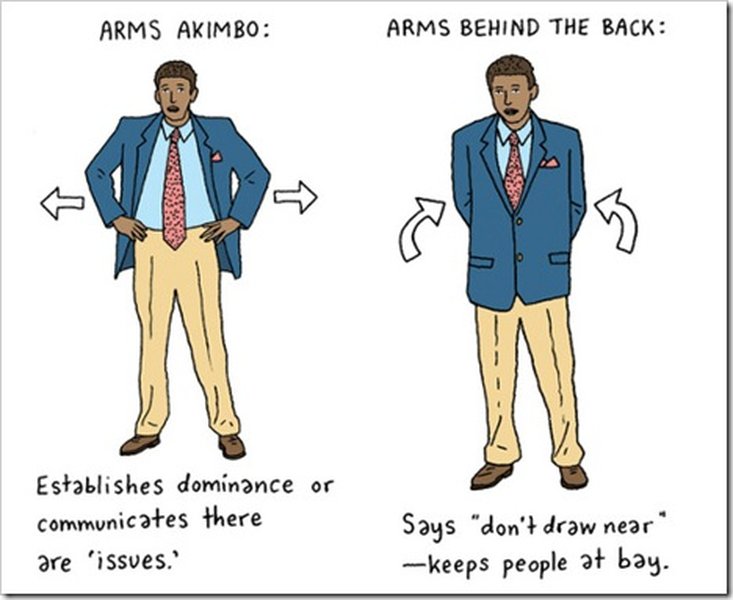
Confident body language includes open posture and engaged gestures, making you appear more approachable and self-assured.
Controlling Your Nerves and Voice
Nervousness can manifest as fidgeting, a shaky voice, or rushed speech, all of which detract from charisma. Learning to manage your nerves is essential.
- Pacing Your Speech: Speak at a consistent and measured pace. Rushing can make you seem anxious or less confident. Pauses can also be incredibly powerful, allowing your words to sink in and adding emphasis.
- Confident Tone: Work on developing a controlled and clear vocal tone. This can be achieved through practice, such as timing yourself while speaking or recording your voice to identify areas for improvement.
- Managing Physical Manifestations: Address physical signs of nervousness, such as sweaty palms, by taking small, discreet actions to mitigate them.
The Art of Connection: Making Others Feel Valued
Truly charismatic individuals excel at making others feel important and understood. This involves shifting the focus from yourself to the person you are interacting with.
Mastering Active Listening and Empathy
Listening is arguably one of the most underrated charismatic traits. Active listening demonstrates genuine interest and respect.
- Undivided Attention: Give the speaker your full attention, putting away distractions.
- Engaging Questions: Ask open-ended questions that encourage elaboration, rather than "yes" or "no" answers. This shows you're invested in their thoughts.
- Validation and Empathy: Summarize and empathize with what you hear. For example, "Wow, that sounds incredibly challenging," or "I can completely understand why you feel that way." This makes the other person feel heard and validated.
- Remembering Names: Repeating a person's name several times during a conversation helps you remember it and makes the other person feel more significant.
Finding Common Ground and Shared Passions
Building rapport is easier when you discover mutual interests. Charismatic people are adept at identifying and discussing shared passions.
- Relatability: Strive to come across as relatable by sharing experiences or interests that resonate with others.
- Genuine Enthusiasm: Talk about things you are genuinely passionate about. Your enthusiasm is contagious and makes you more engaging.
- Avoiding Buzzkill Responses: Maintain a positive and optimistic outlook. Avoid overly critical or negative responses that can deflate the conversation.
Communicating with Impact and Authenticity
Effective communication is a blend of clarity, passion, and authenticity. Charismatic individuals deliver their message in a way that inspires and resonates.
Storytelling and Humor
Humans are wired for stories. A well-told story can captivate an audience and make your message memorable.
- Be a Good Storyteller: Weave narratives into your conversations to illustrate points or share experiences.
- Judicious Use of Humor: A well-placed joke or self-deprecating comment can lighten the mood and make you more likable. However, avoid overdoing it to prevent appearing flippant.
Conveying a Valuable Message and Passion
Beyond the delivery, the content of your message matters. Charismatic people often have a clear purpose or message that they are passionate about.
- Have a Cause: Whether it's a personal belief, a professional goal, or a shared interest, having something you care deeply about can make you incredibly compelling.
- Authenticity: Be genuine. People are drawn to authenticity, and attempting to be someone you're not will likely come across as insincere.
This video explores science-backed habits to boost your charisma, focusing on practical techniques like body language, eye contact, and communication strategies.
Developing Charisma: A Practical Framework
To systematically enhance your charisma, consider a multi-faceted approach that integrates self-awareness, practice, and continuous refinement.
Self-Awareness and Emotional Intelligence
Understanding yourself and your impact on others is the first step towards improvement.
- Manage Your Emotions: Charismatic individuals maintain composure and manage their emotional responses, even in challenging situations. This allows them to think clearly and respond effectively.
- Recognize Microexpressions: Becoming aware of subtle facial expressions can help you better understand others' emotions and respond with greater empathy.
- Avoid Anti-Charismatic Behaviors: Be mindful of behaviors that can push people away, such as overusing personal pronouns (making conversations solely about yourself) or excessive apologies.
Reflecting on Your Interactions
Self-reflection is a powerful tool for growth.
- Record Yourself: Watch videos of yourself speaking or interacting to identify areas for improvement in body language, vocal tone, and conversational habits.
- Seek Feedback: Ask trusted friends or colleagues for constructive feedback on your interactions.
Consistent Practice and Application
Charisma is a skill, and like any skill, it improves with consistent practice.
- Intentional Engagement: Actively seek out opportunities to practice your charismatic behaviors in everyday interactions.
- Set Social Goals: For those who are naturally more introverted, setting small, achievable social goals can help build confidence and momentum.
- Embrace Discomfort: Stepping outside your comfort zone is often necessary for growth. Recognize that initial awkwardness is part of the learning process.
Key Elements of Charisma: A Detailed Breakdown
The following table summarizes key charismatic traits and behaviors, providing a quick reference for your development journey.
| Charismatic Trait | Description | Actionable Tips |
|---|---|---|
| Confidence | Belief in oneself and one's abilities, projected outwardly. | Maintain open posture, use expressive gestures, manage nerves, practice self-affirmation. |
| Warmth/Attentiveness | Making others feel comfortable, valued, and genuinely seen. | Smile authentically, make consistent eye contact, actively listen, ask open-ended questions. |
| Presence | Being fully engaged and present in the moment, giving undivided attention. | Avoid distractions, focus on the speaker, practice mindfulness, regulate speech pace. |
| Passion/Purpose | Conveying genuine enthusiasm and belief in a cause or topic. | Talk about what you love, connect with shared interests, express your convictions authentically. |
| Communication Skills | Articulate and engaging verbal and non-verbal expression. | Practice storytelling, use appropriate humor, vary vocal tone, ensure clear articulation. |
| Empathy | Understanding and sharing the feelings of another. | Validate feelings, summarize what you hear, demonstrate compassion, put yourself in their shoes. |
| Relatability | The ability to connect with others on a personal level. | Find common ground, share personal (but appropriate) experiences, be humble. |
Assessing Your Charisma Profile
To understand your current charismatic strengths and areas for growth, consider how you might score on various dimensions of charisma. This radar chart offers a conceptual self-assessment framework, allowing you to visualize where you might focus your developmental efforts.
This radar chart illustrates a hypothetical comparison between a 'Current Charisma' profile and an 'Ideal Charisma Profile'. Each spoke represents a different dimension of charisma, such as 'Confidence Projection,' 'Active Listening,' or 'Emotional Resonance.' By visualizing these aspects, you can pinpoint areas where you might be strong and identify others that require more attention and development. For instance, if your 'Active Listening' score is lower than desired, it signals a need to focus on techniques like asking open-ended questions and validating others' statements. This tool serves as a dynamic guide, helping you tailor your approach to charisma building. Remember, these are conceptual scores, and real improvement comes from consistent practice and self-reflection.
Frequently Asked Questions About Charisma
How quickly can I become more charismatic?
Do I have to be an extrovert to be charismatic?
Is charisma manipulative?
What if I feel awkward trying new charismatic behaviors?
Conclusion: The Journey to Magnetic Influence
Becoming more charismatic is a transformative journey that empowers you to connect more deeply, influence more effectively, and navigate social landscapes with greater ease. It is a blend of self-awareness, genuine interest in others, and the mastery of both verbal and non-verbal communication. By focusing on building confidence, practicing active listening, radiating warmth, and communicating with authentic passion, you can steadily cultivate your innate magnetism. Remember that charisma is not about being someone you're not, but rather about enhancing the best version of yourself to inspire and engage those around you. With consistent effort and a genuine desire to connect, you can unlock a powerful new dimension in your interactions and relationships.
Recommended Further Exploration
- Explore the psychology behind human attraction and likability.
- Dive deeper into enhancing your nonverbal communication skills for greater impact.
- Learn how emotional intelligence can significantly boost your social success.
- Discover advanced public speaking techniques to deliver your message with more charisma.
