
Tire Chain Installation on Mountain Highways
Mastering Chain Installation for Safe Winter Driving on Mountain Roads
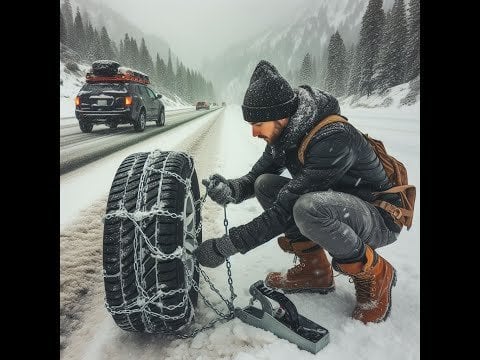
Key Highlights
- Safe Installation Procedures: Steps to ensure your tire chains are properly fitted for optimal traction.
- Regulatory Guidelines: Understanding state-specific rules and signage requirements.
- Practical Preparation and Services: Insights on preparation, installation tools, vendor services, and alternative devices.
Understanding the Importance of Tire Chains
Driving on mountain highways during winter months carries unique challenges. Snow, ice, and unpredictable weather conditions create hazardous road surfaces that can lead to loss of vehicle control. Tire chains are a critical tool to enhance traction, reduce sliding, and ultimately increase overall driving safety. Their use is especially significant in mountainous regions, where steep grades and sharp curves combine with winter weather to produce dangerous conditions.
Why Tire Chains Are Essential
Without proper traction, even vehicles equipped with snow tires or all-wheel drive (AWD) systems can struggle in reduced friction environments. Tire chains offer an immediate boost in grip, allowing the vehicle to accelerate, decelerate, and corner more securely. Their proper use is not only a matter of following legal requirements, as many states mandate their use in specific conditions, but also a key component in preventing accidents.
Step-by-Step Guide to Installing Tire Chains
Preparing for Installation
Choose a Safe Location
Safety is paramount when installing tire chains. The first step is selecting a secure and level area away from active traffic lanes. Look for a pull-off zone or a flat roadside area where you can work without hindering other drivers. Always enable your hazard lights if necessary and, if possible, perform the installation on stationary roads or emergency stopping areas.
Inspecting and Preparing the Chains
Before you even approach the tire, inspect your chains for any damage or entanglement. Lay the chains out on the ground adjacent to the tire, ensuring they are untangled and free of snow. This preparatory step is crucial; a well-laid out chain minimizes confusion during installation and helps you spot any potential issues that might affect its performance during transit.
Installing the Chains on the Tire
Laying the Chains on the Ground
With the chains inspected and ready, place them on the ground next to the tire. Ensure that the section intended to be over the tire is completely straight, reducing the risk of twisting or tangling when draped over the wheel.
Draping the Chain Over the Tire
Once the chains are flatten out, drape them over the tire ensuring that the hooks and clamps (if applicable) are facing outward. The chain should be centered over the tire, with equal lengths hanging on either side. This balanced placement lays the foundation for a secure installation.
Securing the Chains
Begin by connecting the inner side of the chain that touches the vehicle. Often, these come with pre-attached clips or dedicated tensioners. After securing the inner section, go around to the outer side. Pull the chain tightly to ensure that it fits snugly against the tire's surface. Many modern chains have adjustable ratchet systems or tensioners, which can be very helpful in achieving the correct tightness. This step is critical—improperly secured chains can lead to slippage, potential damage to the vehicle, and compromise your safety on steep, icy roads.
Checking the Fit and Final Adjustments
Once the chains are fastened, perform a thorough check by gently shaking the tire. The chain should remain stable and secure on the tire with no noticeable movement. It is recommended that you drive a short distance at a very low speed (typically under 30 mph) and then pull over to inspect the chains once more to confirm that they have maintained their tight fit.
Legal and Regulatory Requirements
Following Chain Laws on Mountain Highways
Tire chain regulations vary from state to state, and it is important for drivers to be aware of the local requirements before embarking on a mountain journey during winter. Road signs along mountain highways often provide guidance, stating "Chains Required" in areas where conditions are particularly treacherous. In these cases, you are expected to install the chains promptly, usually within a specified distance—often around one mile—before encountering checkpoints.
State-Specific Regulations
Different states have different regulations regarding tire chain usage:
| State | Chain Requirements | Additional Guidelines |
|---|---|---|
| Colorado | Commercial vehicles must carry chains from Sept. 1 to May 31. | Drivers must install chains as soon as signs indicate necessity; Senate Bill 69 may introduce vendor services. |
| California | Chains required in designated areas, particularly during winter storms. | Vehicles using snow tires are still required to carry chains in some cases. |
| Washington | Chains often required on major passes such as Snoqualmie and I-90 routes. | Vendors may assist with installation in some regions; reduced installation fees available. |
| Oregon | Chains frequently required on highways like U.S. Highway 26. | Local guidelines may differ—drivers should be prepared for sudden chain control mandates. |
Always check current local weather reports and state department of transportation websites for the most up-to-date information on chain requirements. Failing to comply with these regulations can result in fines and, more importantly, compromised safety.
Additional Techniques and Alternative Options
Exploring Different Types of Traction Devices
Besides traditional tire chains, several alternative products may aid in improving traction. Understanding the differences can help you choose the best option based on your vehicle type, driving conditions, and legal requirements.
Cables
Cable systems offer a lightweight alternative to chains and are generally easier to install. However, they can bend and break more easily, making them a less durable option in extremely icy conditions.
Tire Socks
Made from specialized woven fabric and rubber, tire socks are designed to grip snowy roads. They are an expensive alternative and are not recognized in all states as valid substitutes for chains. As such, while they may work well for individual passenger vehicles, they might not be ideal for commercial applications.
Studded Tires
Studded tires incorporate metal studs for enhanced grip on icy surfaces. While effective, they are subject to strict regional regulations due to concerns over road damage and noise. It is important to verify that studded tires are legally permitted before relying on them as your primary traction method.
Practical Tips for a Successful Installation
Pre-Installation Mentality
Familiarity with the process of installing tire chains is key to a smooth experience when the need arises. It is advisable to practice installing them in a controlled environment before you actually require them on a road trip.
Practice Makes Perfect
Take some time during the off-season or on a day with less traffic to practice installing your tire chains. This proactive approach ensures that you are confident in the procedure when the weather turns harsh and time is of the essence.
Maintain Your Equipment
Regularly inspect your tire chains and traction devices for wear and tear. Proper maintenance includes cleaning off any accumulated salt or debris, ensuring the mechanical parts are in good condition, and storing them correctly during off-season months. A well-maintained chain can be the difference between safely navigating treacherous roads and encountering a roadside emergency.
Utilizing Professional Assistance
In many mountain regions, particularly those traversed by commercial traffic, there are options to enlist the help of private chain installation services. In some states, vendors are authorized to sell, install, and even remove tire chains for a fee. These services can be especially useful for drivers who are unfamiliar with the installation process or who may have difficulty installing the chains on their own due to physical limitations.
Vendor Services and Support
For example, in states like Washington and Colorado, there have been discussions and even legislative proposals, such as Colorado’s Senate Bill 69, to facilitate private vendor services for tire chain installation. While not available in every region, these services offer a convenient alternative to manual installation by trained professionals who ensure that every link and clamp is properly secured.
Emergency Preparedness
Whether you choose to install chains yourself or rely on vendor services, always carry a basic emergency kit. Include essentials such as a flashlight, gloves, chain repair links, and a portable tire inflator. These items can be invaluable should conditions worsen mid-trip or if you encounter unexpected delays.
Additional Considerations for Mountain Highways
Environmental and Roadway Conditions
Mountain highways are known for rapidly changing road conditions. Even on days when snowfall is light, localized conditions such as ice patches or sudden snowfall intensities can make driving extremely hazardous. Always heed the road signage—if you see a “Chains Required” sign, it’s imperative to install the chains as soon as it is safe. Similarly, when you approach areas marked “End of Chain Control,” it is advisable to remove or adjust the chains on a safe offloading area.
Seasonal Variability
Winter driving conditions in mountainous areas can span several months, and protocols may vary accordingly. In early winter, when precipitation starts, transitioning to using tire chains might be less critical. However, as the season progresses and conditions become more persistent, chain control stops and checkpoints become common. Adapt your driving habits to these seasonal variations by staying updated on local weather and road condition reports.
Vehicle Compatibility
Not all chains are created equal; compatibility with your specific tire size and type is crucial. Many manufacturers produce chains in varying sizes, and it is important to ensure that the chains you purchase or use are suited to your vehicle's tires. Incompatible or loose-fitting chains can lead to improper traction and increased risk of accidents.
Table Summary: Key Features and Regulations
The table below summarizes essential information regarding tire chain installation, regulatory requirements across key states, and the types of traction devices available. This provides a quick reference guide for drivers planning their journey on mountain highways.
| Aspect | Details |
|---|---|
| When to Install | Upon encountering "Chains Required" signs; typically allow about a mile before a checkpoint. |
| Safe Installation Location | Pull completely off the road to the right; use designated pull-off zones away from active traffic lanes. |
| Installation Steps |
|
| Regulatory Highlights | States like Colorado, California, Washington, and Oregon have specific rules. Commercial vehicles often face stricter mandates. |
| Alternative Devices | Cables, tire socks, and studded tires offer alternatives with respective pros and cons. |
| Support Services | Vendor installation services available in some states to assist drivers. |
References
- Quality Chain Corp Installation Guides - Quality Chain Corp
- AskMyAuto.com Tire Chain Installation Guide - AskMyAuto.com
- Titan Chain Passenger Link Tire Chain Instructions - Titan Chain
- Caltrans Chain Controls and Installation Information - Caltrans
- Mountain High Road Conditions - Mountain High
Recommended Related Queries
 cdn.wpsstatic.com
Last updated March 6, 2025