
Is Your Ride Ready? Unmistakable Signs Your Tires Are Crying Out for Replacement
A comprehensive guide to identifying when your vehicle's tires are past their prime, ensuring your safety and optimal performance on the road.
Knowing when to replace your vehicle's tires is not just a matter of maintenance; it's a crucial aspect of road safety. Worn or damaged tires can significantly compromise your car's handling, braking ability, and overall stability, especially in adverse weather conditions. This guide will walk you through the essential checks and telltale signs that indicate your tires have reached the end of their service life.
Key Takeaways: When to Act
- Tread Depth is Critical: Tires should be replaced when tread depth reaches 2/32 of an inch. For enhanced safety, especially in wet conditions, consider replacement at 4/32 of an inch.
- Age Matters: Most manufacturers recommend replacing tires 6 years after their production date, and definitely by 10 years, regardless of tread depth, as rubber degrades over time.
- Visible Damage Demands Action: Bulges, blisters, deep cracks, cuts, or any visible internal components (like steel cords) mean the tire is unsafe and needs immediate replacement.
The Telltale Signs: Decoding Your Tire's Health
Regularly inspecting your tires for the following signs can help you determine when they need to be replaced, ensuring your vehicle remains safe and performs optimally.
1. Tread Depth: The Foundation of Grip
Tire tread is designed to grip the road and channel water away from beneath the tire to prevent hydroplaning. As tread wears down, its effectiveness diminishes significantly.
Understanding Tread Depth Minimums
The U.S. Department of Transportation (DOT) mandates that tires be replaced when the tread depth wears down to 2/32 of an inch. However, many automotive safety experts and tire manufacturers recommend replacing tires when the tread depth reaches 4/32 of an inch. At this depth, a tire's ability to perform in wet or snowy conditions is already noticeably reduced.
The Penny Test: A Quick Check
A simple way to check tread depth is using a U.S. penny:
- Insert a penny into several tread grooves across the tire with Abraham Lincoln's head upside down and facing you.
- If you can see all of Lincoln's head, your tread depth is below 2/32 of an inch, and it's time to replace your tires.
- If the tread touches or covers part of Lincoln's head, you have more than 2/32 of an inch of tread remaining.
Example of tire tread wear, which can be checked using methods like the penny test.
Built-in Warnings: Tread Wear Indicator Bars
Most tires have tread wear indicator bars molded into the bottom of the tread grooves. These bars are small, raised sections that become flush with the tire's tread surface when the tread has worn down to 2/32 of an inch. If you see these bars appearing across two or more adjacent grooves, the tire needs replacement.
2. The Age Factor: When Time Catches Up
Tires don't last forever, even if they have ample tread depth. Rubber degrades over time due to exposure to oxygen, sunlight, heat, and road chemicals.
Why Age Matters
As tires age, the rubber becomes brittle and can develop cracks, both visible and microscopic. This degradation can lead to a loss of elasticity and strength, increasing the risk of sudden tire failure or blowout, especially at high speeds or in hot weather. Most vehicle and tire manufacturers recommend replacing tires every 6 to 10 years, regardless of their tread wear.
Decoding the DOT Code
Every tire has a Department of Transportation (DOT) code imprinted on its sidewall. The last four digits of this code indicate the week and year the tire was manufactured. For example, a code ending in "2521" means the tire was made in the 25th week of 2021. Check this date to determine your tire's age.

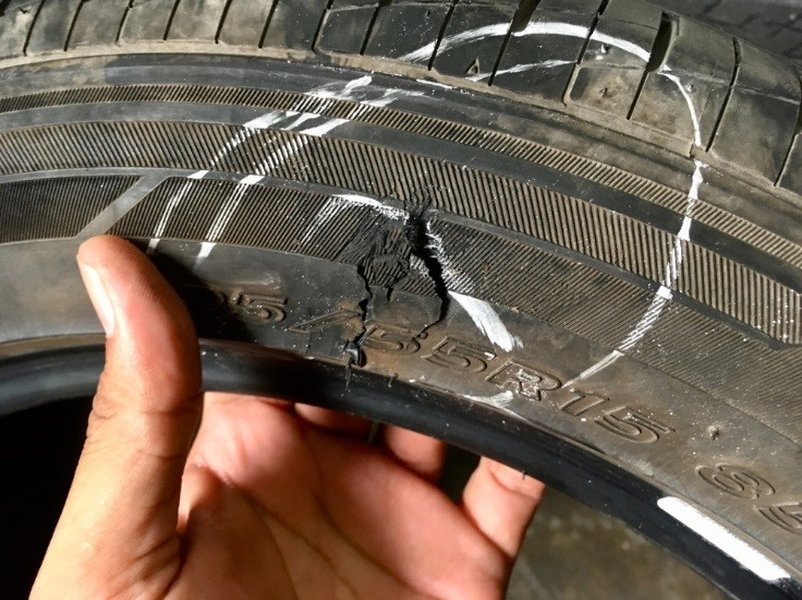
Sidewall cracking is a common sign of tire aging and degradation.
3. Visible Damage: The Obvious Red Flags
Physical damage to a tire is often a clear indicator that it needs immediate attention or replacement.
Bulges, Blisters, and Bubbles
A bulge, blister, or bubble on the tire's sidewall indicates that the internal structure of the tire has been compromised, often due to an impact with a pothole or curb. Air has escaped the inner liner and is trapped within the outer layers. Such a tire is at high risk of sudden failure and must be replaced immediately.
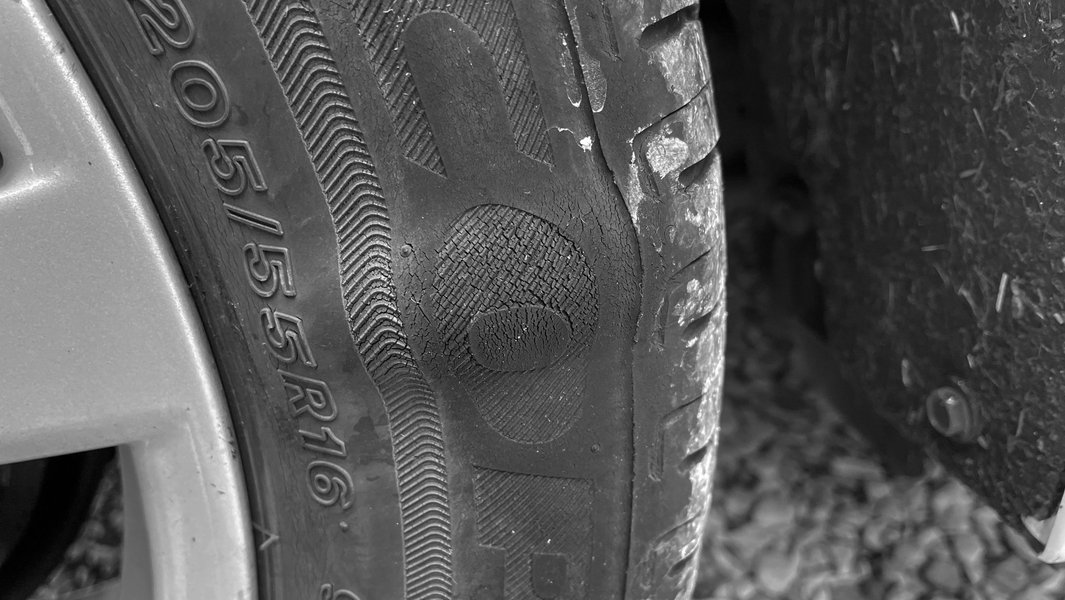
A bulge on a tire sidewall indicates internal damage and requires immediate replacement.
Cracks, Cuts, and Gouges
Inspect your tires for cracks (especially in the sidewall, which can be a sign of dry rot), deep cuts, or gouges that might penetrate the tire's outer layers. While minor, superficial scuffs might be harmless, any damage that exposes the underlying fabric or steel belts is a serious safety hazard. Numerous small cracks or any long/wide cracks are warning signs.
Exposed Cords or Fabric
If you can see the fabric or steel cords (the tire's internal structural components) showing through the rubber, the tire is dangerously worn or damaged and must be replaced without delay.
4. Uneven Wear Patterns: Clues to Underlying Issues
How your tires wear can tell you a lot about your vehicle's condition. Uneven wear shortens tire life and can indicate other problems.
- Center Wear: If the center of the tread is wearing faster than the edges, it often indicates overinflation.
- Edge Wear (Both Edges): If both outer edges of the tread are wearing faster than the center, it usually points to underinflation.
- One-Sided Wear or Feathering: Wear predominantly on one shoulder of the tire, or a feathered/scalloped appearance, often signals a wheel alignment problem. Suspension issues can also cause this type of wear.
While addressing the underlying cause (e.g., correcting inflation, getting an alignment) is crucial, significantly unevenly worn tires may still need replacement as their grip and safety are compromised.
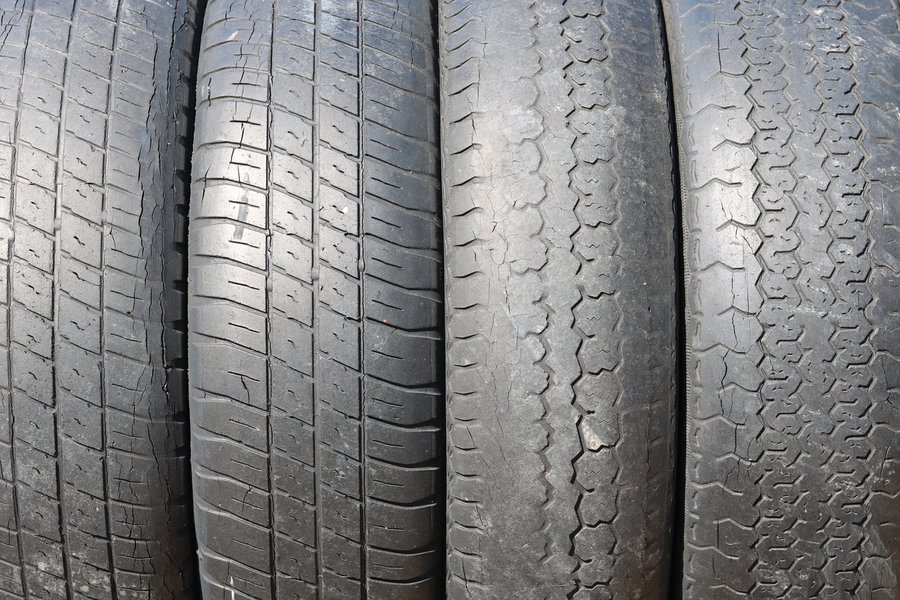
Severely worn tire showing significant tread loss, impacting safety and performance.
5. Performance Problems: What Your Car is Telling You
Sometimes, your vehicle's behavior will give you clues that your tires are failing.
- Loss of Traction: If you notice your tires slipping or skidding more easily, especially during acceleration, braking, or in wet conditions, it's a strong sign that your tread is too worn to provide adequate grip.
- Vibrations and Unusual Noises: While vibrations can be caused by various issues, tire problems (like imbalance, internal damage, or severe uneven wear) are a common culprit. Thumping or humming noises can also indicate tire issues.
- Frequent Pressure Loss: If one or more tires consistently lose air pressure, it could be due to a slow puncture, a faulty valve, or damage to the tire or wheel rim. Such tires should be inspected and potentially replaced.
Visualizing Tire Replacement Indicators
The decision to replace tires involves considering multiple factors. This mindmap illustrates the key areas to assess:
This mindmap highlights the interconnectedness of different tire conditions. For instance, while low tread depth is a primary concern, an older tire with decent tread might still need replacement due to age-related degradation.
Comparing the Criticality of Tire Wear Indicators
Different tire issues carry varying levels of risk and urgency for replacement. The radar chart below provides an opinionated analysis of several common indicators based on their potential safety impact, the urgency for replacement they suggest, and how preventable they might be with regular maintenance.
This chart visually represents that issues like visible structural damage (bulges/cracks) or critically low tread depth have a very high safety impact and demand immediate replacement. While tire aging is inevitable, severe uneven wear is highly preventable through proper maintenance like regular alignment and inflation checks.
A Deeper Dive into Tire Inspection
Understanding how to properly inspect your tires is key. The following video provides practical advice on what to look for and how to assess common tire problems, reinforcing many of the points discussed.
This video, "When is it time to replace your tires? | 3 Warning Signs," succinctly covers essential checks for tread wear, tire age, and visible damage. It visually demonstrates some of the inspection techniques and emphasizes the safety implications of neglecting tire health. Watching such guides can empower car owners to take a more proactive role in their vehicle's maintenance.
Summary of Tire Replacement Indicators
For a quick reference, the table below summarizes the primary indicators that your tires may need replacing and the typical recommended action.
| Indicator | Description | Recommended Action |
|---|---|---|
| Low Tread Depth | Tread is at or below 2/32 of an inch (penny test fails, wear bars visible). | Replace tires immediately. Consider replacement at 4/32" for better safety. |
| Tire Age | Tires are 6-10 years old from the DOT manufacture date. | Inspect regularly after 6 years; replace by 10 years, even if tread appears good. |
| Visible Damage | Bulges, blisters, deep cracks, cuts, exposed cords, or significant punctures. | Replace tire immediately. Do not drive on a tire with such damage. |
| Uneven Tread Wear | Significant wear on one side, center, or edges of the tire. | Identify and fix the underlying cause (inflation, alignment, suspension). Replace tires if wear is severe. |
| Performance Issues | Noticeable decrease in grip, increased slipping/skidding, unusual vibrations, or noises. | Have tires inspected by a professional. Replacement is likely needed if issues are due to tire wear/damage. |
| Frequent Flats / Pressure Loss | Tire consistently loses air pressure or experiences repeated punctures. | Inspect for hidden damage or slow leaks. Replace if the tire cannot be safely repaired or is compromised. |
This table serves as a handy checklist. Always prioritize safety; if you're unsure about your tire's condition, consult a qualified tire professional.
Proactive Tire Care: Extending Lifespan and Safety
While all tires eventually wear out, proper maintenance can maximize their lifespan, ensure they perform as designed, and help you identify problems early.
Regular Inspections
Make it a habit to visually inspect your tires at least once a month and before long trips. Look for the signs of wear and damage discussed above.
Proper Inflation
Check your tire pressure monthly (when tires are cold) using a reliable gauge, and inflate them to the vehicle manufacturer's recommended pressure (usually found on a sticker in the driver's side doorjamb or in the owner's manual). Both underinflation and overinflation can cause premature wear and affect handling.
Tire Rotation and Balancing
Rotate your tires according to the schedule in your vehicle's owner's manual, typically every 5,000 to 8,000 miles. This helps promote even tread wear. Have your tires balanced if you notice vibrations.
Frequently Asked Questions (FAQ)
How often should I check my tires for wear?
It's recommended to inspect your tires for wear and damage at least once a month and before any long road trips. This includes checking tread depth, looking for visible damage, and ensuring proper inflation.
What is the legal minimum tread depth in most places?
In many regions, including the United States, the legal minimum tread depth is 2/32 of an inch. However, for safety, especially in wet or snowy conditions, it's advisable to replace tires before they reach this minimum, ideally around 4/32 of an inch.
Can I replace just one tire, or do they need to be replaced in pairs or sets?
It's generally recommended to replace tires in pairs (both front or both rear) or as a full set of four to maintain balanced handling and performance. If replacing a single tire due to damage, it should ideally match the tread depth and model of the remaining tires, especially on all-wheel-drive vehicles where mismatched tires can damage the drivetrain.
Do tires expire even if they haven't been used much?
Yes, tires degrade over time due to exposure to the elements, even if they have low mileage or are stored. Most manufacturers recommend replacing tires 6 to 10 years after their production date (found in the DOT code), regardless of tread wear, because the rubber can become brittle and prone to failure.
What causes uneven tire wear?
Uneven tire wear can be caused by several factors, including improper tire inflation (over or under), incorrect wheel alignment, worn suspension components, or not rotating tires regularly. Addressing the root cause is important to prevent further uneven wear on new tires.
Recommended Further Insights
- How does tire pressure affect fuel economy and tire wear?
- What are the differences between summer, winter, and all-season tires?
- How do I perform a wheel alignment check at home?
- What are the risks of driving on old tires even if they have good tread?
References
Last updated May 6, 2025