
Tirzepatide: A Comprehensive Overview
Innovative Dual Incretin Agonist for Diabetes and Weight Management
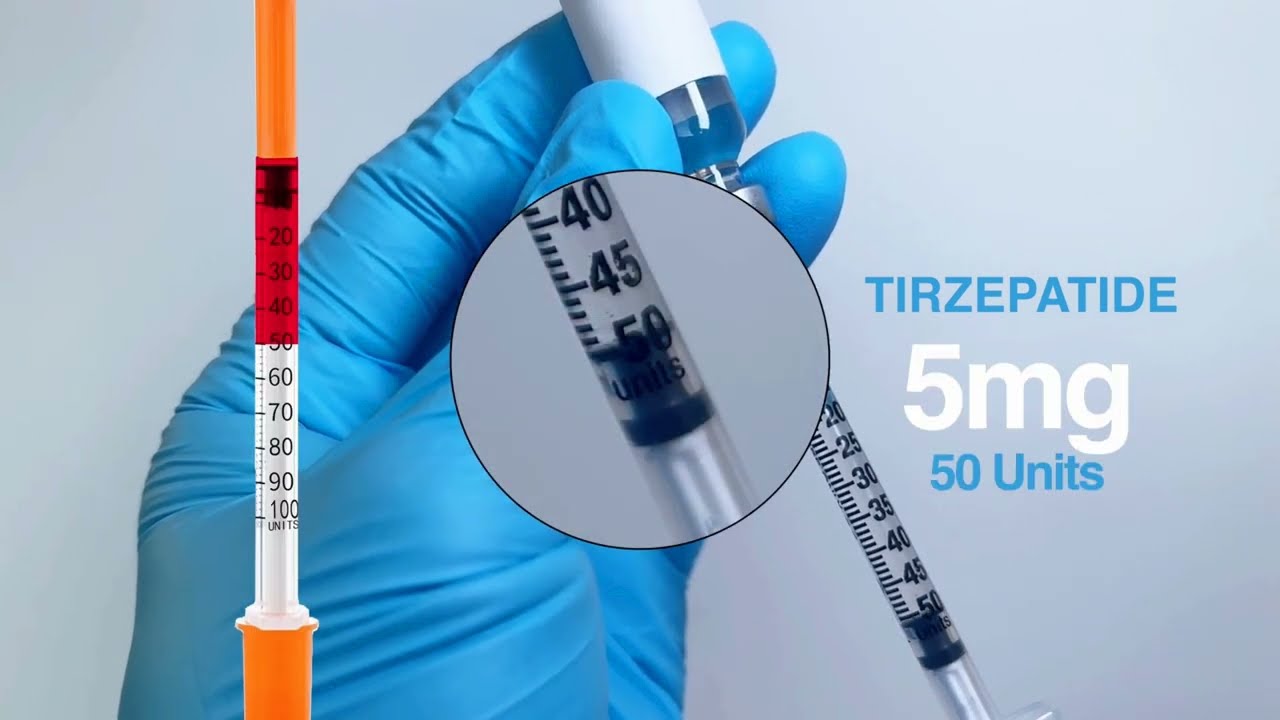
Key Takeaways
- Dual Mechanism: Tirzepatide acts on both GIP and GLP-1 receptors, enhancing insulin secretion and promoting significant weight loss.
- Multiple Indications: Approved for type 2 diabetes, obesity, and obstructive sleep apnea, expanding its therapeutic applications.
- Adverse Effects: Primarily gastrointestinal, with a favorable overall safety profile when properly managed.
Summary
Tirzepatide is a novel dual incretin receptor agonist approved for managing type 2 diabetes, obesity, and obstructive sleep apnea in adults. By targeting both GIP and GLP-1 receptors, it enhances glycemic control and induces significant weight loss, offering a comprehensive approach to metabolic health.
Indications
Tirzepatide is approved for multiple clinical conditions, primarily focusing on type 2 diabetes mellitus (T2DM), obesity management, and moderate-to-severe obstructive sleep apnea (OSA) in adults. The drug is marketed under the brand names Mounjaro for diabetes management and Zepbound for weight management and OSA.
Type 2 Diabetes Mellitus (T2DM)
Approved as an adjunct to diet and exercise, tirzepatide significantly improves glycemic control in adults with T2DM. Clinical trials, including the SURPASS series, have demonstrated its efficacy in reducing HbA1c levels by 1.8% to 2.4%, depending on the dosage. Compared to other treatments like semaglutide and various insulin formulations, tirzepatide offers superior glycemic reductions, making it a preferred option for patients requiring intensified therapy.
Weight Management
Under the brand name Zepbound, tirzepatide is indicated for chronic weight management in adults with obesity or those who are overweight with at least one weight-related comorbid condition, such as hypertension or dyslipidemia. Clinical studies have shown that tirzepatide not only aids in significant weight loss but also helps maintain this reduction over the long term when combined with a reduced-calorie diet and increased physical activity. This dual-action makes tirzepatide a valuable tool in addressing obesity-related health issues.
Obstructive Sleep Apnea (OSA)
Tirzepatide has been approved for the treatment of moderate-to-severe OSA in obese adults. By promoting weight loss, tirzepatide helps reduce the physical obstruction of airways during sleep, thereby improving sleep quality and reducing the severity of apnea episodes. This indication highlights tirzepatide’s versatility in managing conditions exacerbated by obesity.
Potential Future Indications
Ongoing research is exploring tirzepatide’s potential in treating other conditions such as heart failure, cardiovascular disorders in T2DM, non-alcoholic steatohepatitis (NASH), and metabolic dysfunction-associated steatohepatitis (MASH). These studies aim to further establish tirzepatide’s role in comprehensive metabolic disease management.
Mechanism of Action
Tirzepatide operates through a sophisticated dual receptor activation mechanism, acting as both a glucose-dependent insulinotropic polypeptide (GIP) and glucagon-like peptide-1 (GLP-1) receptor agonist. This dual agonism, often referred to as the "twincretin" approach, sets tirzepatide apart from other incretin-based therapies.
Receptor Interactions
By simultaneously activating GIP and GLP-1 receptors, tirzepatide enhances insulin secretion from pancreatic β-cells in a glucose-dependent manner, minimizing the risk of hypoglycemia. The activation of GLP-1 receptors leads to increased insulin release, suppressed glucagon secretion, delayed gastric emptying, and enhanced satiety. Concurrently, GIP receptor activation further amplifies insulin sensitivity and secretion, promoting better glucose homeostasis.
Insulin Regulation and Glucose Homeostasis
The dual receptor activation results in a more robust insulinotropic effect, improving both first- and second-phase insulin secretion. This leads to significant reductions in postprandial and fasting blood glucose levels. Additionally, the suppression of glucagon secretion reduces hepatic glucose production, contributing to overall glycemic control.
Appetite Suppression and Weight Loss
Tirzepatide’s action on the central nervous system pathways enhances satiety and reduces appetite, leading to decreased caloric intake. The delay in gastric emptying further prolongs the feeling of fullness after meals, supporting sustained weight loss. These effects collectively make tirzepatide highly effective in managing obesity and overweight conditions.
Metabolic Effects
Beyond glycemic control and weight loss, tirzepatide improves postprandial lipid metabolism and enhances the lipid-buffering capacity of white adipose tissue. These metabolic benefits contribute to the reduction of cardiovascular risk factors associated with type 2 diabetes and obesity.
Adverse Effects
While tirzepatide is generally well-tolerated, it is associated with a range of adverse effects, primarily affecting the gastrointestinal (GI) system.
Gastrointestinal Effects
The most common adverse effects include nausea, vomiting, diarrhea, abdominal pain, and decreased appetite. These symptoms are typically mild to moderate and tend to decrease over time as patients adjust to the medication. Dose titration strategies are often employed to mitigate these GI side effects, enhancing patient compliance and tolerability.
Injection Site Reactions
Some patients may experience reactions at the injection site, such as redness, swelling, pain, itching, or tenderness. These reactions are usually mild and transient, requiring no specific treatment. Proper injection techniques can help minimize these effects.
Metabolic Complications
Hypoglycemia is a potential risk, especially when tirzepatide is used in combination with other hypoglycemic agents like insulin or sulfonylureas. However, due to its glucose-dependent mechanism, the incidence of hypoglycemia remains relatively low when tirzepatide is used as monotherapy.
Serious Adverse Effects
Although rare, serious adverse effects include acute pancreatitis, acute kidney injury, gallbladder disease, and hypersensitivity reactions. Patients with a history of pancreatitis should be closely monitored. Additionally, concerns regarding thyroid C-cell tumors observed in preclinical studies necessitate careful evaluation, although this risk in humans remains unclear.
Other Considerations
Transient headache and fatigue may occur, potentially related to the systemic effects of enhanced incretin activity. Long-term safety is continuously monitored through post-marketing studies to identify any emerging risks associated with tirzepatide’s dual agonism of GIP and GLP-1 receptors.
Adverse Effects Overview
| Category | Adverse Effects | Frequency |
|---|---|---|
| Gastrointestinal | Nausea, Vomiting, Diarrhea, Abdominal Pain, Decreased Appetite | Common |
| Injection Site | Redness, Swelling, Pain, Itching | Uncommon |
| Metabolic | Hypoglycemia (with concurrent use of insulin or sulfonylureas) | Rare |
| Serious | Acute Pancreatitis, Acute Kidney Injury, Gallbladder Disease, Hypersensitivity Reactions | Very Rare |
| Other | Transient Headache, Fatigue | Rare |
Conclusion
Tirzepatide represents a significant advancement in the management of type 2 diabetes and obesity, owing to its innovative dual receptor agonism targeting GIP and GLP-1 pathways. Its multifaceted mechanism of action not only enhances glycemic control but also promotes meaningful weight loss, addressing two critical components of metabolic syndrome. While the drug is associated with gastrointestinal adverse effects, its safety profile is manageable with appropriate dosing strategies. The expanding indications, including its approval for obstructive sleep apnea, underscore tirzepatide’s versatile therapeutic potential. Ongoing research into additional indications promises to further solidify its role in treating various metabolic disorders, making tirzepatide a cornerstone in contemporary metabolic disease management.
References
Last updated February 16, 2025