
The Profound Link Between Tobacco Use and Lung Cancer: Risks, Prevention, and Beyond
Understanding the leading cause of a devastating disease and strategies for mitigation.
Key Insights
- Smoking is the overwhelming cause: Cigarette smoking is responsible for a staggering majority of lung cancer cases, estimated to be between 80% and 90%.
- Tobacco damages DNA: The harmful chemicals in tobacco products and secondhand smoke directly damage the DNA of lung cells, leading to uncontrolled cell growth and tumor formation.
- Quitting significantly reduces risk: Regardless of how long someone has smoked, quitting tobacco dramatically lowers the risk of developing lung cancer and improves outcomes for those already diagnosed.
Lung cancer remains a formidable global health challenge, and the evidence overwhelmingly points to tobacco use as its primary driver. This comprehensive exploration delves into the intricate relationship between tobacco and lung cancer, examining the significant risks associated with various tobacco products, the mechanisms by which tobacco inflicts cellular damage, and effective strategies for prevention and risk reduction.
Tobacco: The Undisputed Leading Risk Factor for Lung Cancer
Quantifying the impact of smoking on lung cancer incidence.
The connection between smoking and lung cancer is one of the most well-established relationships in medical science. Numerous studies and decades of data have consistently demonstrated that cigarette smoking is the single most significant risk factor for developing this deadly disease. The statistics are compelling:
- Approximately 80% to 90% of lung cancer cases in the United States are attributed to cigarette smoking.
- Globally, tobacco use is responsible for an estimated one-third of all cancer deaths annually.
- People who smoke are about 25 times more likely to develop lung cancer compared to non-smokers.
While smoking is the dominant risk factor, it's important to acknowledge that lung cancer can occur in individuals who have never smoked. However, these cases represent a smaller proportion, estimated to be around 10-20% of all lung cancer diagnoses. Even in non-smokers, exposure to secondhand smoke significantly increases the risk.
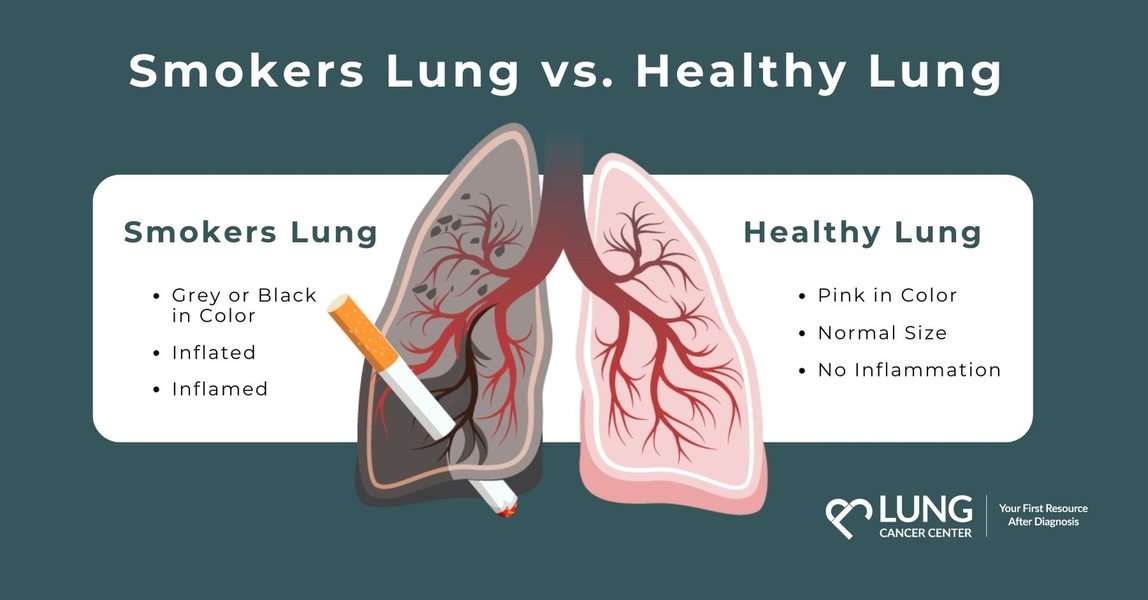
A visual comparison highlighting the stark difference between a healthy lung and a lung affected by smoking.
Beyond Cigarettes: Other Tobacco Products and Their Risks
While cigarettes are the most common form of tobacco, other tobacco products also pose significant cancer risks:
- Smokeless Tobacco: Products like snuff and chewing tobacco are linked to increased risks of cancers of the mouth, esophagus, and pancreas.
- Cigars and Pipes: Like cigarettes, smoking cigars and pipes exposes users to harmful carcinogens, increasing the risk of lung, oral, laryngeal, and esophageal cancers.
- Electronic Cigarettes (Vaping): While often marketed as a safer alternative, e-cigarettes produce a mist containing harmful chemicals and nicotine, the addictive substance found in traditional tobacco products. Research into the long-term cancer risks of vaping is ongoing, but concerns exist regarding the potential for cellular damage and increased cancer risk.
The Mechanisms of Damage: How Tobacco Causes Cancer
Understanding the cellular and genetic impact of tobacco smoke.
Tobacco smoke contains a complex mixture of thousands of chemicals, many of which are known carcinogens (cancer-causing agents). When inhaled, these chemicals enter the lungs and circulate throughout the body, inflicting damage at a cellular level.
DNA Damage: The Root of the Problem
The primary mechanism by which tobacco causes cancer is through damage to DNA. DNA is the cell's instruction manual, controlling its normal growth and function. The poisons in tobacco smoke can alter or damage DNA, disrupting these instructions. When DNA is damaged, cells can begin to grow out of control, leading to the formation of a cancerous tumor.
\[ \text{Tobacco Smoke Chemicals} \rightarrow \text{DNA Damage} \rightarrow \text{Disrupted Cell Growth} \rightarrow \text{Cancer} \]Inflammation and Cellular Changes
Tobacco smoke also triggers chronic inflammation in the lungs. This persistent inflammation creates an environment conducive to the development of both chronic obstructive pulmonary disease (COPD) and lung cancer. The inflammatory response involves the release of deregulated cells, cytokines, and growth factors that can promote uncontrolled cell proliferation and the progression of cancerous cells.
Preventing Lung Cancer: Taking Control of Risk Factors
Effective strategies to reduce your risk of developing lung cancer.
Given the strong link between tobacco use and lung cancer, the most effective way to prevent the disease is to avoid tobacco altogether. For those who smoke, quitting is the single most impactful step they can take to reduce their risk.
Quitting Smoking: It's Never Too Late
Quitting smoking, even after many years, significantly lowers the risk of developing lung cancer. The body begins to repair the damage caused by tobacco smoke soon after quitting. The longer a person remains smoke-free, the closer their risk of lung cancer gets to that of someone who has never smoked.
Support and resources are available to help individuals quit smoking, including helplines, cessation programs, and nicotine replacement therapies.
This video from Lung Foundation Australia provides valuable insights on how to reduce your risk of lung cancer, emphasizing the importance of avoiding smoking.
Avoiding Secondhand Smoke
Even for non-smokers, exposure to secondhand smoke increases the risk of lung cancer. Secondhand smoke contains the same harmful chemicals as directly inhaled smoke. Avoiding environments where smoking is permitted, ensuring homes and cars are smoke-free, and educating others about the dangers of secondhand smoke are crucial preventive measures.
Addressing Other Risk Factors
While smoking is the leading cause, other factors can also contribute to lung cancer risk:
- Radon Exposure: Radon is a naturally occurring radioactive gas that can seep into homes and buildings. It is the second leading cause of lung cancer in the United States. Testing homes for radon and mitigating elevated levels is essential.
- Occupational Exposure: Exposure to certain industrial substances like asbestos, arsenic, and certain chemicals can increase lung cancer risk. Following safety protocols and minimizing exposure in the workplace is vital.
- Air Pollution: Outdoor air pollution, particularly fine particulate matter, is associated with an increased risk of lung cancer. While individual control over air pollution is limited, advocating for cleaner air policies is important.
- Family History: A family history of lung cancer can increase an individual's risk, suggesting a genetic predisposition in some cases.
Lifestyle Factors and Lung Cancer Prevention
While not as impactful as avoiding tobacco, certain lifestyle choices can also play a role in reducing cancer risk, including lung cancer:
- Healthy Diet: Eating a diet rich in fruits and vegetables, particularly those containing beta-cryptoxanthin and folate, may help protect against lung cancer. Limiting red and processed meats and processed sugar is also recommended for overall cancer prevention.
- Regular Exercise: Maintaining a healthy weight and engaging in regular physical activity are associated with a lower risk of several cancers, including lung cancer.
Understanding Lung Cancer Risk Factors: A Comprehensive View
Examining the varied elements that contribute to lung cancer development.
To provide a clearer picture of the different factors influencing lung cancer risk, here is a table summarizing the key elements:
| Risk Factor | Description | Impact on Lung Cancer Risk |
|---|---|---|
| Cigarette Smoking | Inhaling smoke from cigarettes. | Highest risk, accounts for 80-90% of cases. |
| Secondhand Smoke | Exposure to smoke from burning tobacco products or exhaled by smokers. | Significantly increased risk for non-smokers. |
| Radon Exposure | Inhaling radioactive gas from soil. | Second leading cause of lung cancer. |
| Occupational Exposure | Exposure to carcinogens like asbestos, arsenic, and certain chemicals in the workplace. | Increased risk depending on substance and duration of exposure. |
| Air Pollution | Exposure to fine particulate matter and other pollutants in the air. | Modestly increased risk. |
| Family History | Having a close relative diagnosed with lung cancer. | Increased risk, suggesting genetic factors. |
| Diet and Physical Activity | Poor diet and lack of exercise. | Can influence overall cancer risk, including potentially lung cancer. |
Beyond Risk: Early Detection and Prognosis
The role of screening and quitting after diagnosis.
While prevention is paramount, early detection and timely intervention are crucial for improving outcomes for individuals diagnosed with lung cancer. Lung cancer is often diagnosed at advanced stages, when treatment options are limited.
Lung Cancer Screening
Low-dose computed tomography (CT) scans have shown promise in detecting lung cancer at earlier, more treatable stages in high-risk individuals, particularly long-term smokers. Guidelines from organizations like the U.S. Preventive Services Task Force recommend yearly lung cancer screening for specific high-risk populations.
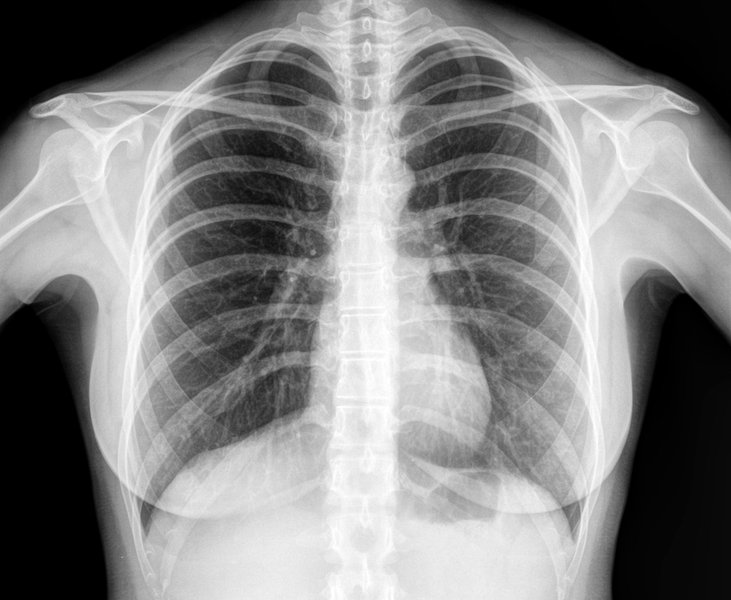
Medical imaging, such as chest X-rays and CT scans, plays a vital role in detecting lung abnormalities that may indicate lung cancer.
Quitting After Diagnosis
For individuals diagnosed with lung cancer, quitting smoking can still significantly improve their prognosis. Quitting after diagnosis is associated with better therapeutic outcomes, including increased treatment effectiveness, a reduced risk of developing a second tobacco-related cancer, improved quality of life, and increased survival rates.
A Visual Representation of Risk Factors
Mapping the relative impact of various contributors to lung cancer.
To help visualize the relative importance of different risk factors for lung cancer, the following radar chart provides an opinionated representation of their estimated impact based on available information.
This chart illustrates that while multiple factors contribute to lung cancer risk, cigarette smoking stands out as the most significant contributor by a considerable margin. Secondhand smoke and radon exposure also represent substantial risks.
Frequently Asked Questions About Tobacco and Lung Cancer
Addressing common queries on this critical topic.
Recommended Further Exploration
Delve deeper into related topics to enhance your understanding.
- What is the impact of secondhand smoke on lung cancer risk in non-smokers?
- What are the current guidelines for lung cancer screening?
- What are the long-term health benefits of quitting smoking?
- What are the primary causes of lung cancer in individuals who have never smoked?
References
Sources used in the creation of this response.
Last updated May 20, 2025