
Beyond Banter: Unpacking Why Tobey Maguire's Less Quippy Spider-Man Still Swings High
Exploring the deliberate choices that made a more serious Web-Slinger resonate deeply with audiences.
Tobey Maguire's portrayal of Spider-Man in Sam Raimi's early 2000s trilogy is often remembered for its emotional depth and earnestness, sometimes contrasted with the more rapid-fire quip-slinging of other cinematic versions. While Spider-Man's wit is a hallmark in the comics, Maguire's more restrained approach to humor isn't a flaw but a deliberate artistic choice that contributes significantly to the trilogy's unique tone, character development, and lasting impact. Let's delve into why this interpretation effectively captured the hearts of many.
Key Insights: Why Fewer Quips Worked for Maguire's Spider-Man
- Emotional Depth and Authenticity: The portrayal prioritized Peter Parker's introspective nature and the emotional weight of his journey, grounding the character in a relatable reality.
- Director's Vision and Tone: Sam Raimi's directorial style favored a blend of earnest drama with occasional, often awkward, humor, which shaped a more serious Spider-Man.
- Narrative Cohesion and Stakes: A less jokey demeanor in high-stakes situations amplified the drama and the profound sense of responsibility central to this iteration of the hero.
The Power of a Pensive Peter Parker
The decision to feature a Spider-Man who wasn't constantly cracking jokes allowed for a deeper exploration of Peter Parker's internal world and the often-somber realities of his dual life.
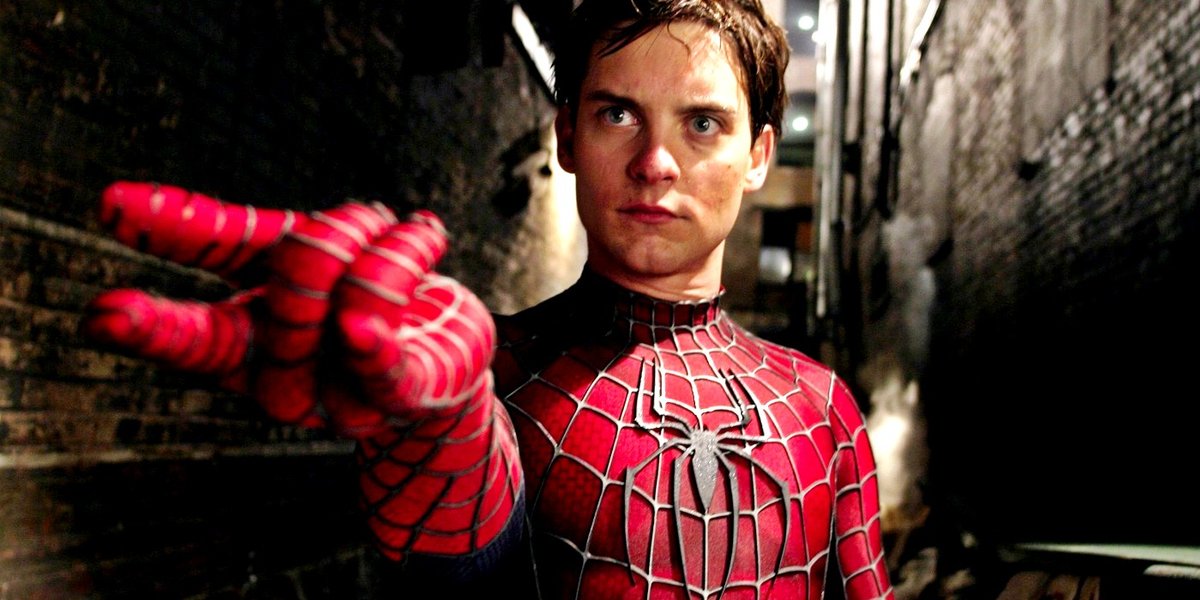
Tobey Maguire's Spider-Man often conveyed a sense of introspection and the burden of responsibility.
Embracing Emotional Depth and Character Authenticity
A Reflection of Inner Turmoil
Tobey Maguire's Peter Parker is depicted as inherently shy, socially awkward, and introspective. This grounded portrayal means his Spider-Man persona naturally carries some of that earnestness. The films delve into his struggles with guilt, responsibility, and the personal sacrifices his heroism demands. Fewer quips allow these emotional undercurrents to surface more prominently, creating a character who feels profoundly human and vulnerable, even behind the mask. This resonated with audiences who connected with his internal conflicts and the "everyman" aspect of the hero.
Relatability Through Realistic Growth
The trilogy showcases a coming-of-age story fraught with hardship. A constantly wisecracking hero might have felt out of step with the significant emotional challenges Peter faced, such as the death of Uncle Ben or the complexities of his relationships. His more serious demeanor reflects a realistic teen and young adult grappling with extraordinary circumstances, making his journey of self-discovery and acceptance more relatable.
Sam Raimi's Directorial Vision and Narrative Tone
A Unique Blend of Drama and Awkward Humor
Sam Raimi's directorial style is known for a specific blend of heartfelt drama, intense action, and a sometimes quirky, even awkward, sense of humor. The films' overall tone leans more towards earnestness and melodrama. In this context, an overabundance of slick, rapid-fire quips might have felt jarring or detracted from the established atmosphere. The humor present is often situational or stems from Peter's inherent awkwardness, which is a consistent part of Raimi's vision.
Preserving Suspense and Highlighting Stakes
In moments of genuine peril or emotional crisis, a more serious Spider-Man amplifies the tension. When the hero isn't deflecting danger with constant jokes, the audience feels the weight of the situation more acutely. This allows the dramatic stakes to remain high and the hero's struggles to carry more emotional impact. The focus shifts from comedic relief to the gravity of the challenges, reinforcing the theme that "with great power comes great responsibility."
The Nuance of Humor in Raimi's Trilogy
It's a misconception that Maguire's Spider-Man had no humor. Instead, his humor was often more subtle, contextual, and character-driven, aligning with the films' overall narrative approach rather than the constant banter seen in other interpretations.
Contextual Quips and Situational Comedy
While not a "quip machine," Maguire's Spider-Man did deliver memorable one-liners and engage in humorous situations, particularly in the first film. Lines like "Here's your change!" during the confrontation with the carjacker, or his interactions with J. Jonah Jameson, showcase a dry, sometimes sarcastic wit. These moments of humor are often more grounded and arise from specific scenarios rather than serving as a continuous running commentary.
This video compilation demonstrates some of the humorous moments and quips present in Tobey Maguire's portrayal, illustrating that his Spider-Man did indeed have a sense of humor, albeit one that was perhaps more understated or situational than in other versions. It challenges the common assertion that he was entirely devoid of jokes.
Alignment with Early Comic Inspirations
The early Spider-Man comics, particularly those from the Silver Age by Stan Lee and Steve Ditko, while certainly featuring a wisecracking hero, also heavily emphasized the angst, drama, and personal problems of Peter Parker. Raimi's films draw significantly from these earlier, more melodramatic tones, where Peter's internal life and struggles were as central as his heroic exploits. A more restrained use of humor aligns with this classic emphasis on drama and character development.
Visualizing the Aspects of Maguire's Spider-Man
To better understand the distinct characteristics of Tobey Maguire's Spider-Man, the following chart illustrates a subjective assessment of various facets of his portrayal, particularly in relation to his use of humor and emotional expression. The scores are on a scale where a higher value indicates a stronger presence of that trait.
This radar chart visually compares perceived traits, highlighting how Maguire's version emphasized emotional depth, seriousness, and a focus on responsibility, with a lower frequency of quips but a notable presence of character awkwardness and situational humor.
Impact and Legacy of a Different Kind of Hero
The distinctive approach to Tobey Maguire's Spider-Man has left a lasting mark, contributing to the diverse tapestry of Spider-Man portrayals.
A Distinctive and Memorable Interpretation
By not strictly adhering to the "constant quip" model, Maguire's Spider-Man stands out. This differentiation allows audiences to appreciate various facets of the character across different adaptations. His portrayal offered a unique flavor that resonated with many for its earnestness and sincerity, providing a contrast to later, more humor-centric versions and enriching the overall Spider-Man cinematic legacy.
Fostering a Strong Emotional Connection
The emphasis on vulnerability and Peter's personal sacrifices allowed many viewers to form a deep emotional connection with this iteration. Moments of triumph felt harder-earned, and moments of loss resonated more profoundly precisely because the character was often portrayed with a palpable sense of the weight he carried. This emotional authenticity is a key reason why this Spider-Man remains beloved by a significant portion of the fanbase.
Key Reasons Summarized
The effectiveness of Tobey Maguire's less quippy Spider-Man can be attributed to a combination of deliberate character choices, directorial style, and narrative focus. The following table provides a summary of these valid reasons:
| Reason | Explanation | Impact on Portrayal |
|---|---|---|
| Enhanced Emotional Depth | The portrayal focused on Peter Parker's internal struggles, vulnerability, and the significant emotional weight of his responsibilities and sacrifices. | This created a more introspective, mature, and relatable character arc, allowing audiences to connect with his human side. |
| Character Authenticity & Relatability | Maguire's Peter Parker was inherently shy and socially awkward, traits that believably carried over to his Spider-Man persona, especially in early heroism. | It grounded the character, making his transformation and challenges feel more realistic and his journey more sympathetic. |
| Sam Raimi's Directorial Style | Raimi's films balanced serious drama and sometimes awkward or situational humor, rather than constant witty banter, fitting his unique cinematic vision. | This ensured tonal consistency within the trilogy, emphasizing pathos and character-driven storytelling over relentless comedy. |
| Preservation of Suspense & Serious Stakes | Fewer jokes, particularly during moments of high peril or emotional crisis, amplified the tension and the gravity of the challenges Spider-Man faced. | Threats felt more significant, and victories or sacrifices carried greater emotional weight, making the narrative more impactful. |
| Thematic Focus on Responsibility | A more serious demeanor underscored the core theme of "With great power comes great responsibility," highlighting the burdens and moral consequences of his powers. | This reinforced the moral compass of the character and the dramatic sacrifices inherent in his heroism. |
| Subtle and Contextual Humor | While not a "quip machine," this Spider-Man still had moments of humor that were more situational, character-based, or delivered with a dry wit. | Humor punctuated certain scenes effectively without undermining the overall earnest tone of the films. |
| Distinctive and Varied Interpretation | This portrayal offered a contrast to other, more consistently quippy versions of Spider-Man, adding to the diversity of the character's adaptations. | It broadened the appeal and interpretation of Spider-Man, showcasing that the character's essence can be conveyed in multiple valid ways. |
Mapping the Rationale: A Mindmap View
The interconnected reasons for the effectiveness of Tobey Maguire's less quippy Spider-Man can be visualized in the following mindmap. It illustrates how character traits, directorial choices, and narrative goals converged to create this memorable portrayal.
Why Fewer Quips Work"] id1["Character-Centric Reasons"] id1a["Emotional Depth & Seriousness"] id1b["Authentic Awkwardness"] id1c["Relatability & Vulnerability"] id1d["Alignment with Maguire's Acting Style"] id2["Narrative & Directorial Impact"] id2a["Sam Raimi's Unique Vision
(Drama with Awkward Humor)"] id2b["Heightened Stakes & Suspense"] id2c["Thematic Focus:
Responsibility & Sacrifice"] id2d["Alignment with Early
Comic Book Tones"] id3["Humor Style & Context"] id3a["Subtle & Contextual Quips
(Not Absent)"] id3b["Situational Comedy"] id4["Overall Effect & Legacy"] id4a["Distinctive Portrayal
Adding Variety"] id4b["Strong Emotional
Audience Connection"] id4c["Emphasis on Human Element"]
This mindmap shows that the reduced frequency of quips was not an oversight but an integral part of a cohesive vision for the character and his story, contributing to a portrayal that prioritized emotional resonance and dramatic depth.
Frequently Asked Questions (FAQ)
Did Tobey Maguire's Spider-Man make *any* jokes at all?
Yes, he did. While not as frequent or in the same style as other portrayals, Tobey Maguire's Spider-Man had several moments of humor and delivered quips, especially in the first film. These were often more situational or delivered with a dry wit, such as "Here's your change!" to a carjacker or his interactions with Bonesaw McGraw ("That's a cute outfit. Did your husband give it to you?"). The perception that he had "no quips" is an overstatement; rather, the frequency and style of humor were different.
How did Sam Raimi's directorial style influence the level of humor?
Sam Raimi's directorial approach often emphasizes dramatic storytelling, character emotion, and a specific, sometimes awkward, style of humor. This meant the films leaned into the pathos of Peter Parker's life and the seriousness of his responsibilities. Constant, slick quips might have clashed with this established tone. Raimi's focus was more on the emotional core and dramatic stakes, with humor used more sparingly or in a way that fit his unique aesthetic, rather than making Spider-Man a relentless jokester.
Why is a more serious Spider-Man considered effective by many viewers?
A more serious Spider-Man can be effective because it allows for a deeper exploration of the character's internal conflicts, sacrifices, and the immense pressure of his dual identity. It highlights the "with great power comes great responsibility" theme by showing the burden, not just the thrill, of being a hero. This can lead to a stronger emotional connection for audiences who appreciate character depth, relatability in struggles, and the dramatic weight of the narrative. It also makes moments of triumph feel more earned and losses more impactful.
Does Tobey Maguire's portrayal deviate too much from the Spider-Man in the comics due to fewer quips?
While Spider-Man in the comics is famously quippy, his personality and use of humor have varied depending on the writer, era, and specific storyline. Early comics, which heavily influenced the Raimi trilogy, balanced wit with significant teen angst and drama. Moreover, even in the comics, Spider-Man's humor can diminish in very serious or high-stakes situations. So, while Maguire's version is less consistently jokey than some comic iterations, it still captures core aspects of Peter Parker's character: his intelligence, his sense of responsibility, his relatability as an outsider, and his inherent goodness. The emphasis on emotional depth is a valid interpretation of the source material's multifaceted nature.
Recommended Further Exploration
- How did Sam Raimi's directorial choices shape the emotional tone of his Spider-Man trilogy?
- Compare the humor styles of Tobey Maguire, Andrew Garfield, and Tom Holland as Spider-Man.
- What are the most defining characteristics of Peter Parker in the early Spider-Man comics?
- Analyze the theme of responsibility in Tobey Maguire's Spider-Man movies.
References
Last updated May 7, 2025