
Unlock the Details: Precisely What Day Is It Today?
Today is Saturday, May 17, 2025. Discover its significance, various formats, and calendrical context.
Key Insights for Today
- Today's Full Date: It is Saturday, May 17, 2025.
- Position in the Year: This marks the 137th day of 2025, with 228 days remaining in this common year (which has 365 days).
- Understanding Date Formats: Today's date can be written as 05/17/2025 (MM/DD/YYYY), 17/05/2025 (DD/MM/YYYY), or 2025-05-17 (ISO 8601), among others. Clarity is key in global communication.
Understanding Today's Date: May 17, 2025
Knowing the current date is fundamental for planning, scheduling, and staying oriented. Today, Saturday, May 17, 2025, holds its unique place in the calendar.
The year 2025 is a common year, meaning it has 365 days, as February has 28 days. As the 137th day of the year, we are well into the spring season in the Northern Hemisphere. This date also falls within the 20th week of 2025.
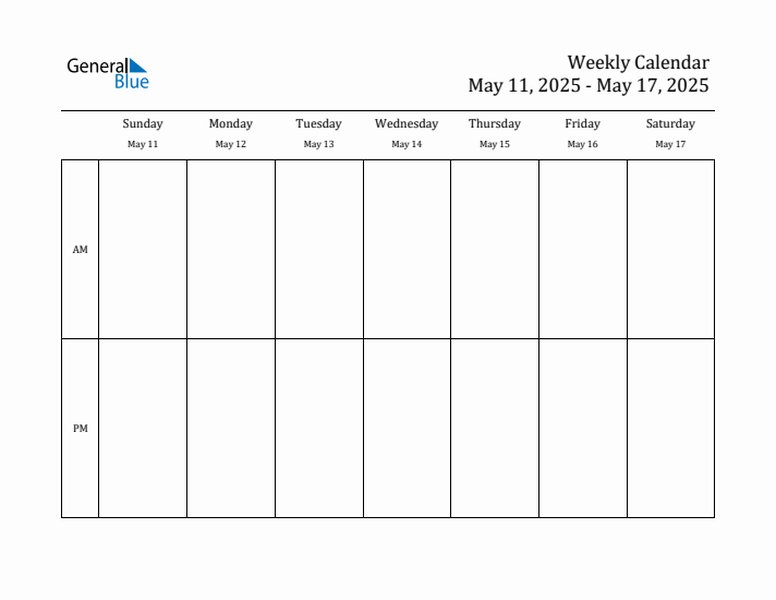
A weekly calendar view showing May 11 to May 17, 2025, corresponding to Week 20 of the year.
Navigating Date Formats Globally
The way dates are written can vary significantly across different regions, sometimes leading to confusion. Understanding these formats is crucial for clear communication, especially in international contexts.
Common Numerical Date Formats
Here are the most prevalent ways today's date, May 17, 2025, might be expressed numerically:
- MM/DD/YYYY (e.g., 05/17/2025): This format, with the month first, is standard in the United States.
- DD/MM/YYYY (e.g., 17/05/2025): This format, with the day first, is widely used in many other parts of the world, including Europe, Australia, and parts of Asia and South America.
- YYYY-MM-DD (e.g., 2025-05-17): This is the international standard format defined by ISO 8601. It lists the year first, followed by the month, and then the day. This format is unambiguous and is increasingly used in technical fields, data storage, and international correspondence because it allows for easy chronological sorting.
Why Date Format Standardization Matters
The ambiguity arises when a date like "05/06/2025" is encountered. In the US, this would be interpreted as May 6, 2025, while in many other countries, it would mean June 5, 2025. To prevent such misunderstandings:
- Write out the month: Using "May 17, 2025" eliminates any doubt.
- Use the ISO 8601 standard: "2025-05-17" is universally understood.
Below is a table summarizing these common date formats for today:
| Format Type | Representation for May 17, 2025 | Primary Region of Use | Notes |
|---|---|---|---|
| MM/DD/YYYY | 05/17/2025 | United States | Month first, then day, then year. |
| MM-DD-YYYY | 05-17-2025 | United States (variation) | Uses hyphens as separators. |
| DD/MM/YYYY | 17/05/2025 | Europe, Australia, others | Day first, then month, then year. |
| DD-MM-YYYY | 17-05-2025 | Europe, Australia, others (variation) | Uses hyphens as separators. |
| YYYY-MM-DD | 2025-05-17 | International (ISO 8601) | Year first; unambiguous; good for sorting. |
| Full Text | May 17, 2025 | Universal | Most explicit and avoids ambiguity. |
The Significance of Knowing the Date
Beyond simple timekeeping, knowing the current date is vital for numerous aspects of daily life:
- Organization and Planning: Essential for scheduling appointments, meetings, and personal events.
- Tracking Progress: Helps in monitoring deadlines for projects, goals, and commitments.
- Contextual Awareness: Dates often carry cultural, historical, or personal significance, such as anniversaries, holidays, or observances. While specific global holidays for May 17 might vary, many dates are associated with local events or awareness days. For instance, nearby dates sometimes feature health awareness campaigns or community celebrations.
- Seasonal Understanding: Locates us within the year's cycle, which for May 17 in the Northern Hemisphere is late spring, often associated with growth and renewal.
Visualizing Date Concepts: A Mindmap Overview
To better grasp the interconnected aspects of today's date, the mindmap below illustrates its key components, from chronological details to its practical importance and formatting conventions. This visual representation helps to consolidate the information about May 17, 2025, in a structured manner.
(Common in U.S.)"] intl_format["DD/MM/YYYY: 17/05/2025
(Common internationally)"] iso_format["YYYY-MM-DD: 2025-05-17
(ISO 8601 Standard)"] text_format["Full Text: May 17, 2025
(Maximizes clarity)"] significance["Importance & Usage"] org["Organization & Planning"] scheduling["Scheduling Events"] comm["Clear Communication
(Avoiding ambiguity)"] tech["Technical Applications
(e.g., Software, Data)"]
Comparative Analysis of Date Formats
Different date formats vary in their clarity, suitability for international use, and applicability in technical systems. The radar chart below provides a visual comparison of common date formats based on several key characteristics. This helps illustrate why certain formats, like ISO 8601 or writing the month out, are preferred for minimizing ambiguity and ensuring global understanding.
Chart Interpretation: Values are on a conceptual scale from 1 (Low) to 5 (High). For example, a high "Resistance to Ambiguity" score means the format is very clear and unlikely to be misinterpreted.
Leveraging Date Information in Daily Life
Effectively using date information can streamline many tasks. Here are a few tips:
Practical Tips for Date Management
- International Communication: When scheduling meetings or sending documents across borders, always clarify the date format. Prefer writing the month's name (e.g., "May 17, 2025") or use the YYYY-MM-DD format to avoid any confusion.
- Digital Tools: Utilize calendar applications on your computer or smartphone. Many allow you to customize date display preferences. Spreadsheet software like Microsoft Excel or Google Sheets offers functions like
TODAY()which automatically inserts the current date, useful for dynamic documents and financial models. - Time Zone Awareness: Remember that the date can change depending on the time zone. For global interactions, specify the time zone along with the date.
Using Excel's TODAY() Function
The TODAY() function in Excel is a simple yet powerful tool for inserting the current date into a worksheet. This date automatically updates whenever the workbook is opened or recalculated. This is particularly useful for tracking project timelines, age calculations, or creating up-to-date reports. The video below provides a quick guide on how to use this function.
Learn how to use the TODAY function in Excel for dynamic date entries.
Frequently Asked Questions (FAQ)
What is the ISO 8601 date format and why is it recommended?
The ISO 8601 date format is YYYY-MM-DD (e.g., 2025-05-17 for today). It is highly recommended for several reasons:
- Unambiguous: It clearly distinguishes the year, month, and day, eliminating confusion between formats like MM/DD/YYYY and DD/MM/YYYY.
- International Standard: Being an international standard, it facilitates global communication and data exchange.
- Sortable: Dates in this format can be easily sorted chronologically by computers and humans alike.
- Technical Use: It is widely adopted in programming, databases, and file naming conventions.
Is 2025 a leap year?
No, 2025 is a common year, not a leap year. It has 365 days. In a common year, February has 28 days. Leap years typically occur every four years to keep the calendar year synchronized with the astronomical year, but 2025 does not meet the criteria (it is not divisible by 4 in a way that makes it a leap year under the full rules, which include exceptions for century years).
How can I avoid date format confusion in international settings?
To avoid confusion with date formats when communicating internationally, consider these best practices:
- Write out the month's name fully: For example, instead of "05/17/25", write "May 17, 2025". This is the clearest method.
- Use the ISO 8601 format (YYYY-MM-DD): "2025-05-17" is universally understood and unambiguous.
- Confirm understanding: If you receive a date in a numerical format that could be ambiguous, it's always a good idea to confirm the intended meaning.
What is the current week number for May 17, 2025?
May 17, 2025, falls within the 20th week of the year (W20). Week numbering systems can vary slightly (e.g., some start the week on Sunday, others on Monday like the ISO 8601 standard), but Week 20 is the common designation for this period.
Recommended Further Exploration
- How does the ISO 8601 date and time standard work in detail?
- What are some notable historical events that occurred on May 17th in different years?
- How do different cultures and regions celebrate events in mid-May?
- What are the best digital tools for managing international schedules and time zones?
References
Last updated May 17, 2025