
Unlocking Early Language: Milestones for 1-2 Year Olds
A Comprehensive Guide to Your Child's Communication Journey
The period between 1 and 2 years old marks an extraordinary leap in a child's language development. It's a time when babbling transforms into recognizable words, and simple words begin to link together, laying the foundation for complex communication. Understanding these key language development milestones can help parents and caregivers support their child's growth and identify any areas where extra attention might be beneficial.
Key Highlights in Language Development (1-2 Years)
- First Words Emerge: Most children will say their first meaningful words between 10 to 14 months, often starting with familiar nouns like "mama" or "dada."
- Vocabulary Explosion: By 2 years of age, a child's vocabulary typically expands to 50-100 words, and they begin to combine two words into simple phrases.
- Enhanced Understanding: Toddlers at this age understand significantly more than they can express, following simple commands and recognizing familiar objects and body parts.
The Foundation of Communication: Birth to 1 Year
While this query focuses on 1-2 year olds, it's crucial to understand the foundational communication skills developed in the first year of life, as they heavily influence later language acquisition. From birth, babies are attuned to sounds and voices. They begin to quiet or smile when spoken to, make cooing sounds, and vary their cries to express different needs. By 6 to 9 months, babbling emerges, and they start imitating speech sounds and tones. Around 12 months, babies typically begin to use gestures like waving "bye-bye" and may say their first words, understanding simple requests and their own name.
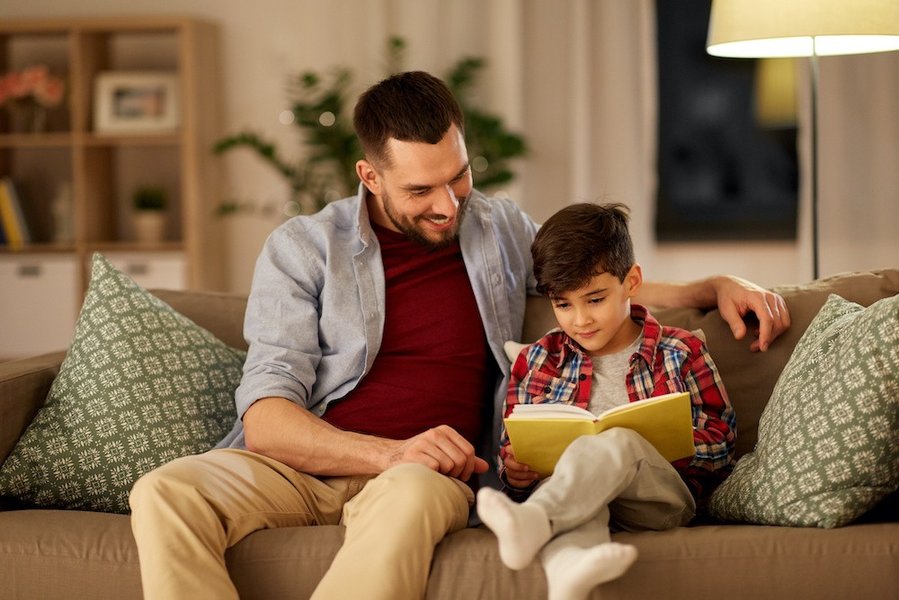
A child engaging with a picture book, demonstrating early interaction crucial for language development.
Language Milestones: The 12-18 Month Journey
From Single Words to Early Comprehension
This half-year is a dynamic period where children move from isolated words to a growing understanding of their environment through language. At 12 months, toddlers are typically starting to use 1-3 words, often simple nouns. Their receptive language, or understanding of words, is much stronger than their expressive language. They can respond to familiar requests and point to a few body parts when asked. As they approach 18 months, their vocabulary rapidly expands, often reaching 20-100 meaningful words. They begin to refer to themselves by name and understand basic verbs and adjectives, such as 'eat' or 'big'.
Expanding Vocabulary and Understanding
Children at this stage are like sponges, absorbing new words daily. Parents can support this by continuously talking to their child, naming objects, and describing actions. Simple instructions and questions, even if not fully answered verbally, build a child's comprehension skills. Imitation is a key learning tool during this period; toddlers will try to mimic sounds and words they hear, even if their pronunciation isn't clear.
Crucial Developments: 18-24 Months
The Dawn of Two-Word Phrases and Increased Intelligibility
The period between 18 and 24 months is often characterized by a significant leap in expressive language. By the age of two, most children are beginning to combine two words into simple phrases, such as "more milk" or "daddy go." This marks a pivotal moment as they move beyond single words to expressing more complex ideas and desires. Their vocabulary typically grows to around 50-100 words, though some sources suggest up to 200 or more. They start to ask one- or two-word questions, like "Go bye-bye?" or "What's that?"
Clarity and Comprehension at Two Years
While speech is becoming clearer, it's important to remember that a 2-year-old's speech may still be difficult for unfamiliar listeners to understand. Experts suggest that by age two, parents and regular caregivers should understand about 50% of what the child says. Children at this age are also developing their understanding of pronouns like "mine" and "yours," and can follow simple two-step instructions, especially if they involve familiar objects or tasks. They start to understand different types of words, beginning with nouns, then verbs, and later adjectives.

An illustration depicting a child pointing, a common gesture as vocabulary expands.
Interactive Play and Language Rich Environments
Creating a language-rich environment is paramount during this critical phase. Engaging in interactive play, singing songs, reading picture books, and simply talking about daily activities are incredibly effective ways to stimulate language development. Encouraging imitation of sounds and gestures, and responding enthusiastically to a child's attempts at communication, reinforces their efforts and builds confidence. Even if a child's pronunciation is imperfect, consistent encouragement and modeling of correct speech are vital.
A Snapshot of Language Development (1-2 Years)
The following table summarizes key receptive and expressive language milestones for children between 12 and 24 months:
| Age Range | Receptive Language Milestones (Understanding) | Expressive Language Milestones (Speaking) |
|---|---|---|
| 12-18 Months |
|
|
| 18-24 Months |
|
|
Understanding Language Development Nuances
Every child develops at their own unique pace. While milestones provide a general roadmap, there can be natural variations. It's important to differentiate between typical variations and potential signs of a speech or language delay. Early intervention is crucial if concerns arise, as the first three years of life are the most intensive period for acquiring speech and language skills.
A radar chart illustrating the typical progression of language development metrics for toddlers between 1 and 2 years old, showing growth across various communication areas.
When to Seek Professional Guidance
While variability is normal, there are specific signs that may indicate a need for professional evaluation by a speech-language pathologist or audiologist. These include:
- Not using gestures (like pointing or waving) by 12 months.
- Preferring gestures over vocalizations to communicate by 18 months.
- Saying only a few words or sounds repeatedly and not using oral language to communicate immediate needs by 2 years.
- Not combining two words by 2 years.
- Having difficulty understanding simple commands.
- Any loss of previously acquired speech or language skills.
Hearing problems can significantly impact speech and language development, so it is important to rule out any hearing issues if concerns arise. Consulting with your child's pediatrician is always the first step if you have any worries about their development.
Supporting Language Development at Home
Parents play the most crucial role in fostering their child's language skills. Here are some effective strategies:
- Talk Constantly: Narrate your day, describe objects, and explain actions. The more words your child hears, the more they learn.
- Read Daily: Engage with age-appropriate books, pointing to pictures and naming them. Encourage your child to participate by turning pages or pointing.
- Sing Songs and Play Games: Nursery rhymes and songs teach rhythm and sounds of language. Interactive games like "peek-a-boo" encourage turn-taking and communication.
- Expand on Their Words: If your child says "milk," you can respond with "Yes, you want more milk!" This models longer sentences and expands their vocabulary.
- Encourage Imitation: Imitate your child's sounds and words, then encourage them to imitate yours.
- Limit Screen Time: Direct interaction and conversation are far more beneficial for language development than passive screen exposure.
Video Deep Dive: Speech Milestones for a 2 Year Old
This video features a speech therapist discussing key speech milestones for a 2-year-old, offering practical insights and tips for parents. It provides a visual and auditory guide to understanding what to expect in terms of vocabulary, sentence structure, and clarity, complementing the information provided here. The therapist elaborates on common concerns and how to encourage further development, reinforcing the importance of early identification for potential delays.
Frequently Asked Questions (FAQ)
How many words should a 2-year-old typically speak?
Is it normal for a 2-year-old's speech to be unclear?
What are the first signs of a speech delay in a 2-year-old?
How can I encourage my 2-year-old's language development?
Conclusion
The 1-2 year age range is a period of rapid and exciting language acquisition. From first words to early sentences, toddlers make significant strides in both understanding and expressing themselves. By being attentive to developmental milestones and actively engaging in language-rich interactions, parents can effectively support their child's journey towards confident communication. If any concerns about speech or language development arise, seeking timely professional advice is the best course of action to ensure every child has the opportunity to thrive.
Recommended Further Exploration
- What are the language development milestones for 3-year-olds?
- How to identify and address speech delays in toddlers?
- What are effective activities to boost language development in toddlers?
- Understanding the difference between receptive and expressive language development in young children.