
Tokyo Skytree vs Tokyo Tower: Which Offers the Best Views of Tokyo
Explore Tokyo's iconic towers to discover which provides the most breathtaking cityscape views.
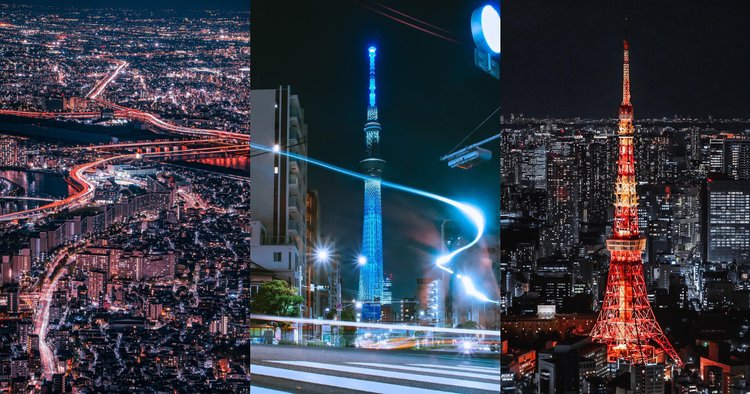
Key Takeaways
- Height Advantage: Tokyo Skytree stands taller than Tokyo Tower, offering more expansive views.
- Architectural Styles: Skytree boasts a modern design, while Tower exudes a nostalgic charm.
- Location and Surroundings: Skytree is situated near diverse attractions, whereas Tower enjoys a central, relaxed environment.
Introduction
When planning a visit to Tokyo, one of the quintessential experiences is enjoying panoramic views from one of the city's most iconic structures: the Tokyo Skytree or the Tokyo Tower. Both landmarks offer unique perspectives of the sprawling metropolis, but deciding which one is better suited to your preferences requires a thorough comparison of their features, locations, and overall experiences.
Height and View Quality
Tokyo Skytree: Reaching New Heights
Standing at an impressive 634 meters, the Tokyo Skytree is the tallest structure in Japan and the second tallest in the world. Its two primary observation decks—the Tembo Deck at 350 meters and the Tembo Galleria at 450 meters—provide visitors with unparalleled views of Tokyo's sprawling skyline and, on clear days, even the majestic Mount Fuji in the distance. The elevated vantage points allow for a more comprehensive and panoramic view, capturing the intricate details of the city's layout and its vibrant neighborhoods.
Tokyo Tower: Classic Elegance
In contrast, the Tokyo Tower stands at 333 meters, significantly shorter than the Skytree. Its main observation deck is located at 250 meters, offering stunning views that encompass Tokyo's central districts. While the height is modest compared to Skytree, the Tower provides a more intimate view of the city, highlighting Tokyo's iconic landmarks and architectural marvels in a classic setting.
Comparative Overview
When it comes to view quality, height plays a crucial role. The Skytree's greater elevation allows for a broader perspective, capturing more of Tokyo's vast expanse. However, the Tokyo Tower's central location compensates by offering detailed views of the surrounding skyscrapers and historical areas.
Architectural Design and Ambiance
Tokyo Skytree: Modern Marvel
The Skytree boasts a sleek, futuristic design that combines cutting-edge technology with traditional Japanese aesthetics. Its structure is built to withstand earthquakes and typhoons, reflecting Japan's engineering prowess. The interior is equally modern, featuring state-of-the-art facilities, including interactive displays and high-tech amenities that enhance the visitor experience.
Tokyo Tower: A Nostalgic Icon
Inspired by the Eiffel Tower, Tokyo Tower exudes a timeless charm with its retro design. Built in 1958, it has become a symbol of Tokyo's post-war reconstruction and economic boom. The Tower's lower observation deck offers a more personal and nostalgic ambiance, allowing visitors to appreciate the blend of classic and modern elements that define Tokyo's cultural landscape.
Location and Accessibility
Tokyo Skytree: Sumida River's Skyline Gem
Located on the banks of the Sumida River in the Sumida district, Tokyo Skytree is part of the larger Tokyo Skytree Town, which includes a variety of attractions such as shopping malls, aquariums, and cultural sites. While slightly outside the central wards, it is well-connected by public transportation, making it accessible for tourists exploring different parts of the city. The surrounding area is vibrant, offering numerous activities that complement the Skytree visit.
Tokyo Tower: Heart of Minato
Tokyo Tower is situated in the central Minato district, providing easy access to major hubs like Tokyo Station, Shinjuku, and Shibuya. Its prime location makes it a convenient stop for tourists who are already exploring central Tokyo's attractions. The area around the Tower is known for its serene parks and picturesque streets, offering a more relaxed and peaceful environment compared to the bustling Skytree vicinity.
Surrounding Attractions and Amenities
What to Explore Around Tokyo Skytree
The Skytree complex, Tokyo Skytree Town, is a comprehensive entertainment hub that houses Tokyo Solamachi, a large shopping and dining complex with over 300 shops and restaurants. Visitors can enjoy a variety of cuisines, shop for souvenirs, or engage in cultural activities such as traditional crafts and performances. Additionally, the nearby Sumida Aquarium and the historical Asakusa district provide a diverse range of experiences within easy reach of the Skytree.
What to Discover Around Tokyo Tower
In the vicinity of Tokyo Tower, visitors can explore the beautiful Shiba Park, offering lush green spaces and stunning views of the Tower against the city backdrop. The area also features several museums, art galleries, and historical sites that provide insights into Tokyo's rich cultural heritage. The central location allows for seamless integration with other popular districts, enabling visitors to easily transition between different neighborhoods and activities.
Visitor Experience and Amenities
Tokyo Skytree: Comprehensive Facilities
Tokyo Skytree is designed to cater to a wide range of visitors, offering numerous amenities such as high-speed elevators, multilingual support, and accessibility features for individuals with disabilities. The observation decks are equipped with interactive displays and telescopes for enhanced viewing experiences. Additionally, the inclusion of dining options, souvenir shops, and family-friendly attractions ensures that visitors have a comfortable and enjoyable visit.
Tokyo Tower: Intimate and Accessible
Tokyo Tower provides a more intimate viewing experience, with easier access to photography and closer proximity to the glass panels on the observation decks. The Tower also offers various amenities, including restaurants, shops, and exhibition spaces that showcase Tokyo's history and culture. Its central location simplifies logistics for visitors, allowing for a more relaxed and hassle-free experience.
Pricing and Accessibility
Admission Costs
Generally, Tokyo Skytree's admission fees are higher than those of Tokyo Tower, reflecting its status as a taller and more modern observation point. The Skytree offers different ticket options, including standard admission, priority passes, and combination tickets with other Skytree Town attractions. Tokyo Tower, on the other hand, provides more affordable entry options, making it an attractive choice for budget-conscious travelers.
Crowds and Visiting Hours
Both towers experience high visitor traffic, especially during peak tourist seasons and weekends. Tokyo Skytree's popularity as a major landmark can result in longer wait times, particularly at the observation decks. Tokyo Tower, while also busy, often offers a more manageable crowd size, allowing for a more relaxed visit. Planning visits during weekdays or booking tickets in advance can help mitigate wait times at both locations.
Additional Features and Unique Selling Points
Tokyo Skytree: Beyond the View
Tokyo Skytree isn't just about the views; it also houses a variety of attractions that enhance the overall visit. The Tembo Deck and Tembo Galleria feature interactive exhibits and glass floors that offer thrilling perspectives of the city below. The Skytree's modern architecture and integration with Tokyo Skytree Town make it a multifaceted destination that combines sightseeing with entertainment and leisure activities.
Tokyo Tower: Cultural Significance
Tokyo Tower holds a special place in Tokyo's history as a symbol of the city's post-war rebirth and technological advancement. Its classic design and long-standing presence make it an emblematic landmark that resonates with both locals and visitors. The Tower also hosts various events and exhibitions, further cementing its role as a cultural hub within the city.
Comparison Table
| Feature | Tokyo Skytree | Tokyo Tower |
|---|---|---|
| Height | 634 meters | 333 meters |
| Observation Decks | Tembo Deck (350m), Tembo Galleria (450m) | Main Deck (250m) |
| Location | Sumida District, near Sumida River | Minato District, central Tokyo |
| Architectural Style | Modern with traditional elements | Retro, inspired by the Eiffel Tower |
| Surrounding Attractions | Tokyo Skytree Town, shopping, dining, aquarium | Shiba Park, museums, art galleries |
| Admission Fees | Higher, with various ticket options | More affordable |
| Unique Features | Glass floors, interactive exhibits | Cultural exhibitions, historical significance |
Conclusion
Choosing between Tokyo Skytree and Tokyo Tower ultimately depends on what you seek in your Tokyo experience. If you prioritize unparalleled height and modern amenities, the Tokyo Skytree stands out as the superior choice, offering expansive views and a multitude of surrounding attractions that cater to diverse interests. Its towering presence and state-of-the-art facilities make it a must-visit for those looking to capture the vastness of Tokyo's skyline.
Conversely, if you are drawn to classic architecture, historical significance, and a more central location that integrates seamlessly with Tokyo's historic neighborhoods, Tokyo Tower presents an equally rewarding experience. Its nostalgic charm and intimate viewing decks provide a different perspective of the city, highlighting its cultural and architectural heritage.
For a comprehensive understanding of Tokyo's evolution from its historic roots to its modern advancements, visiting both towers is highly recommended. This dual experience allows you to appreciate the blend of old and new that defines Tokyo, ensuring that you capture the essence of this dynamic metropolis from multiple vantage points.
References
Last updated February 9, 2025