
Impact of Water Stress on Growth and Yield of Early vs. Late Maturity Tomato Cultivars
An in-depth analysis of tomato cultivar responses during the reproductive phase under water stress.
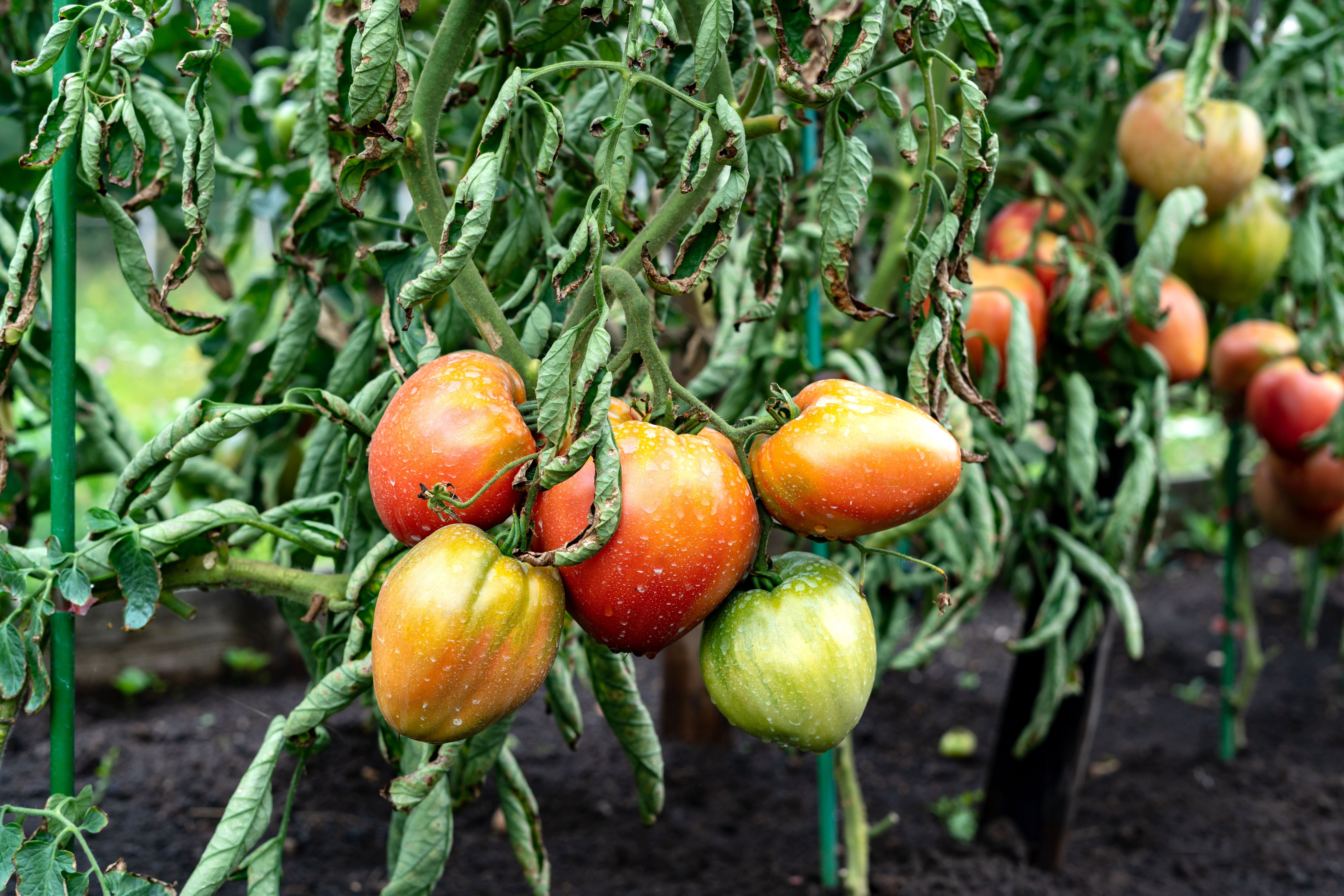
Key Takeaways
- Yield Reduction: Water stress during the reproductive phase significantly decreases tomato yield, with late-maturing varieties experiencing more pronounced losses.
- Varietal Resilience: Early-maturing cultivars tend to recover more quickly from water stress, although they generally have a lower inherent yield potential compared to late-maturing varieties.
- Quality Enhancement: Moderate water stress can improve certain quality attributes such as soluble solids and Vitamin C content in tomatoes.
Introduction
Tomatoes (Solanum lycopersicum L.) are among the most economically significant vegetable crops worldwide. Their productivity is highly dependent on water availability, especially during the reproductive phase, which includes flowering, fruit set, and fruit development. Water stress during this critical period can adversely affect both the growth and yield of tomato plants. Understanding how different tomato cultivars respond to water stress is essential for optimizing agricultural practices, particularly in regions prone to water scarcity. This analysis focuses on comparing the growth and yield responses of early and late maturity tomato cultivars under water stress conditions during the reproductive phase.
Tomato Cultivar Maturity Categories
Tomato cultivars are generally categorized based on their days to maturity, which influences their suitability for different growing conditions and climates. The primary categories are:
- Early-Season Tomatoes: Mature within 50-70 days.
- Mid-Season Tomatoes: Mature within 70-80 days.
- Late-Season Tomatoes: Mature within 80-110 days.
This classification plays a crucial role in understanding how different cultivars respond to environmental stresses such as water deficiency.
Effects of Water Stress During the Reproductive Phase
General Impact on Growth and Yield
Water stress during the reproductive phase can significantly impair tomato plant growth and reduce yield. The severity and timing of the stress are critical factors determining the extent of the impact. Specifically, water stress during flowering and fruit set stages can disrupt physiological processes, leading to reduced fruit number and size. While overall yield and fruit quality are compromised, the nature of the impact varies between early and late-maturing cultivars.
Physiological Responses to Water Stress
Under water-deficient conditions, several physiological changes occur in tomato plants:
- Stomatal Conductance: Reduced, leading to decreased photosynthetic activity.
- Chlorophyll Content: Diminishes, affecting the plant's ability to utilize light efficiently.
- Biomass Accumulation: Overall plant growth is stunted, resulting in smaller and fewer fruits.
These changes collectively contribute to lower yield and compromised fruit quality.
Comparative Analysis of Early vs. Late Maturity Cultivars
Early-Maturing Cultivars
Early-maturing tomato cultivars complete their growth cycle within 50-70 days. Their shorter life cycle allows them to escape prolonged periods of water stress, potentially mitigating some of the adverse effects. However, early varieties often have a lower inherent yield potential compared to their late-maturing counterparts.
Under water stress during the reproductive phase, early-maturing cultivars may exhibit:
- Fewer fruits, but possibly larger in size due to the plant's attempt to compensate for stress.
- Quick recovery post-stress due to their rapid growth cycle.
- Potential improvement in fruit quality attributes like soluble solids and Vitamin C content under moderate stress conditions.
Late-Maturing Cultivars
Late-maturing cultivars take approximately 80-110 days to reach maturity. Their extended growth period exposes them to a higher likelihood of encountering water stress during critical reproductive stages, making them more susceptible to yield reductions.
Under water stress during the reproductive phase, late-maturing cultivars may experience:
- Significant reductions in plant height and biomass accumulation due to prolonged stress exposure.
- Greater decline in fruit set and overall yield compared to early-maturing varieties.
- Higher sensitivity to combined stressors like heat and drought, exacerbating yield losses.
Yield Comparisons Under Water Stress
| Cultivar Type | Yield Under Full Irrigation (t ha-1) | Yield Under 75% ETc Regime (t ha-1) | Percentage Yield Reduction |
|---|---|---|---|
| Early-Maturing | 110 | 95 | 14% |
| Late-Maturing | 124 | 110 | 11% |
Note: Data indicative based on controlled studies.
Quality Attributes Under Water Stress
Interestingly, moderate water stress can enhance certain quality traits in tomato fruits:
- Soluble Solids Content: Increase, leading to better taste profiles.
- Vitamin C Content: Augmentation under specific stress levels.
These improvements may offer a trade-off between yield and fruit quality, allowing growers to optimize based on market demands and resource availability.
Strategies for Managing Water Stress in Tomato Cultivation
Deficit Irrigation Techniques
Deficit irrigation involves intentionally withholding water to reduce crop water use below optimal levels, thereby conserving water while minimizing yield losses. This strategy requires precise monitoring of plant water status using tools like plant water potential measurements.
Implemented correctly, deficit irrigation can help:
- Minimize water usage in water-scarce regions.
- Control the timing and severity of water stress to balance yield and quality outcomes.
- Enhance specific fruit quality attributes without severely compromising yield.
Cultivar Selection Based on Water Availability
Selecting the appropriate tomato cultivar is crucial in regions prone to water stress. Early-maturing cultivars may be preferable in areas with high variability in water availability, as their shorter growth cycle reduces the duration of stress exposure. Conversely, late-maturing cultivars may require more sophisticated irrigation management to sustain yields under consistent water deficits.
Additionally, integrating traits from both early and late-maturing lines through breeding programs can lead to the development of cultivars that offer both rapid growth and high yield potential under varying water conditions.
Additional Mitigation Techniques
Beyond irrigation management and cultivar selection, other strategies can help mitigate the effects of water stress:
-
Use of Anti-Transpirants: Chemicals that reduce water loss from leaves.
-
Mulching: Helps retain soil moisture and regulate soil temperature.
-
Soil Management: Enhances soil water-holding capacity through the addition of organic matter.
Comprehensive Comparison Table
| Aspect | Early-Maturing Cultivars | Late-Maturing Cultivars |
|---|---|---|
| Days to Maturity | 50-70 days | 80-110 days |
| Yield Potential Under Optimal Conditions | Lower | Higher |
| Yield Reduction Under Water Stress | Moderate (~14%) | Higher (~11-38%) depending on stress severity |
| Recovery from Stress | Faster | Slower |
| Fruit Quality Enhancement | Possible increase in soluble solids and Vitamin C | Less pronounced |
| Susceptibility to Combined Stressors (e.g., Heat) | Moderate | Higher |
Note: Yield reduction percentages vary based on the severity of water stress and specific cultivar characteristics.
Conclusion
Water stress during the reproductive phase poses a significant challenge to tomato cultivation, affecting both growth and yield. The impact varies notably between early and late-maturing cultivars. Early-maturing varieties, with their shorter growth cycle, tend to experience less prolonged stress exposure, allowing for quicker recovery and maintaining a relatively stable yield despite possessing a lower inherent yield potential. On the other hand, late-maturing cultivars, while offering higher yields under optimal conditions, are more vulnerable to significant yield losses when subjected to water stress due to their extended exposure period during critical reproductive stages.
Strategic irrigation management, including deficit irrigation and cultivar selection tailored to local water availability, can mitigate some of the adverse effects of water stress. Additionally, incorporating advanced breeding techniques to develop cultivars that balance rapid growth with high yield potential under varying water conditions could further enhance tomato resilience to water stress. Ultimately, optimizing these strategies is essential for ensuring sustainable tomato production in the face of increasing water scarcity and climate variability.
References
Last updated February 11, 2025