
Understanding the Cusp with Two Triangular Ridges in Upper Molars
A Comprehensive Analysis of Upper First and Second Molar Anatomy
Key Takeaways
- The oblique ridge with two triangular ridges is a distinguishing feature of the upper first molar.
- Upper second molars lack a well-defined oblique ridge, making the first molar more identifiable for this trait.
- Understanding cusp morphology is crucial for accurate dental diagnosis and treatment planning.
Introduction to Molar Anatomy
The human dentition comprises various types of teeth, each specialized for specific functions. Among them, molars play a pivotal role in grinding and chewing food. The upper first and second molars, in particular, exhibit distinct anatomical features that aid in their function. Understanding these differences is essential for dental professionals in diagnosing and treating dental issues effectively.
An Overview of Upper First and Second Molars
Upper First Molar (Maxillary First Molar)
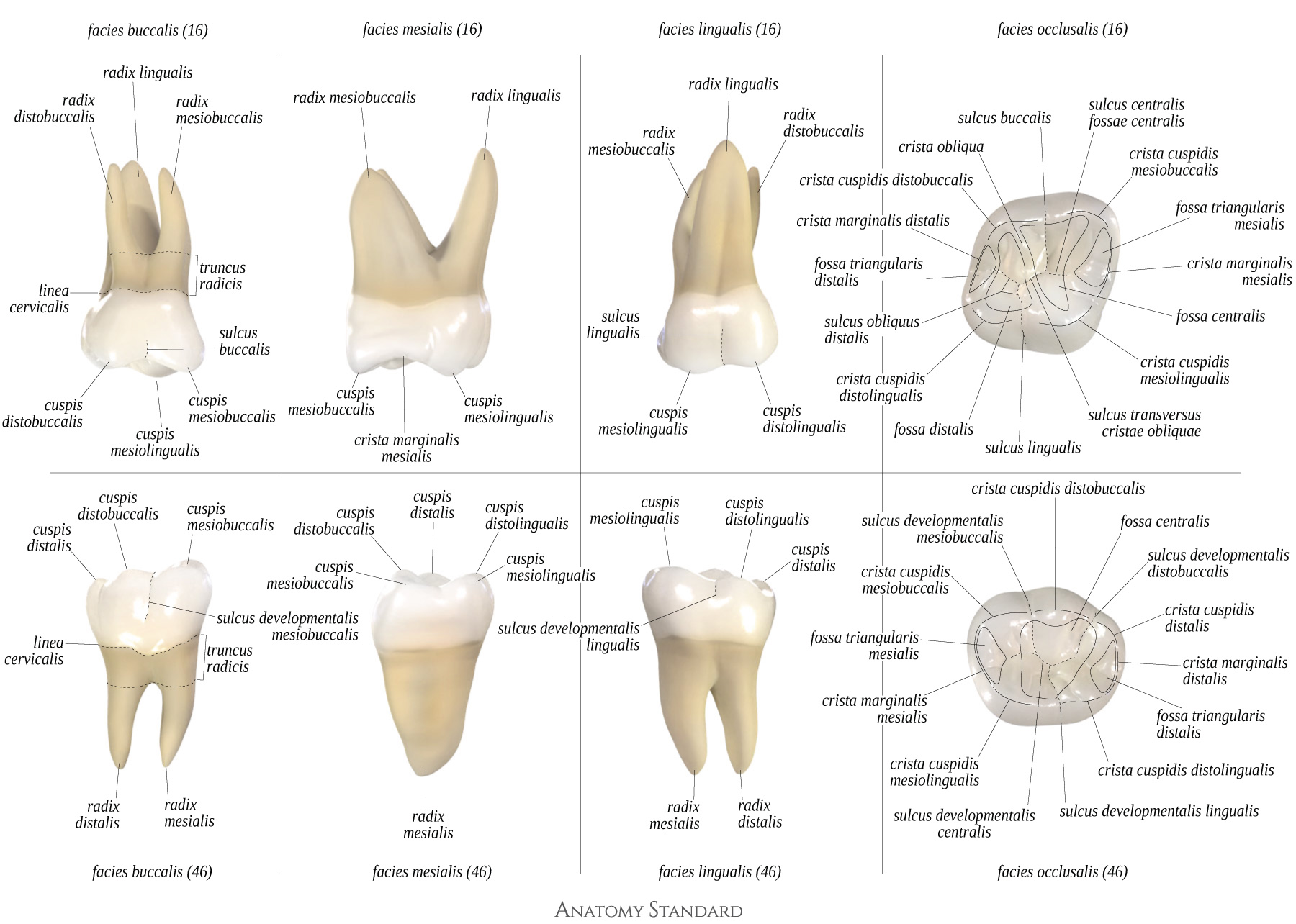
The upper first molar is typically the largest among the upper molars, featuring a complex occlusal surface with multiple cusps and ridges. It generally contains four prominent cusps: mesiobuccal, distobuccal, mesiolingual, and distolingual (which is smaller). A notable feature of the upper first molar is the oblique ridge, which plays a critical role in occlusal function.
Upper Second Molar (Maxillary Second Molar)
The upper second molar, while similar in function to the first molar, presents some anatomical differences. It usually has three to four cusps, with some variations where the distolingual cusp may be absent. Compared to the first molar, the second molar lacks a well-defined oblique ridge and generally has smaller cusps.
Detailed Analysis of Cusp and Ridge Structures
Cusp Features in Upper Molars
Upper First Molar Cusps
The upper first molar typically features four main cusps:
- Mesiobuccal Cusp: Often the tallest cusp, it plays a significant role in the tooth's occlusal function.
- Distobuccal Cusp: Similar in size to the mesiobuccal cusp, contributing to the molar's grinding ability.
- Mesiolingual Cusp: Engages primarily in occlusal contact with the lower teeth.
- Distolingual Cusp: Smaller and may sometimes be absent in individual variations.
Each of these cusps is associated with triangular ridges that contribute to the tooth's occlusal morphology. The mesiobuccal and distobuccal cusps, in particular, contribute to the formation of the oblique ridge.
Upper Second Molar Cusps
The upper second molar generally presents three to four cusps:
- Mesiobuccal Cusp: Typically larger than the distobuccal cusp in second molars.
- Distobuccal Cusp: Usually smaller compared to the mesiobuccal cusp.
- Mesiolingual Cusp: Similar in function to that of the first molar.
- Distolingual Cusp: May be reduced or absent in some individuals.
Unlike the first molar, the second molar lacks a pronounced oblique ridge, resulting in a less complex occlusal surface.
The Oblique Ridge Explained
Formation and Function
The oblique ridge is a critical anatomical feature found predominantly in the upper first molar. It is formed by the union of two triangular ridges originating from different cusps:
-
Triangular Ridge of the Distobuccal Cusp: Extends from the distobuccal cusp towards the center of the tooth.
-
Distal Cusp Ridge of the Mesiolingual Cusp: Extends from the mesiolingual cusp in an oblique direction.
When these ridges converge, they create the oblique ridge, which crosses the occlusal surface obliquely. This ridge enhances the tooth's ability to grind and break down food efficiently, contributing to the overall function of the molar in mastication.
Comparative Analysis Between Molars
| Feature | Upper First Molar | Upper Second Molar |
|---|---|---|
| Number of Cusps | Four main cusps | Three to four cusps |
| Oblique Ridge Presence | Well-defined oblique ridge | Generally absent |
| Cusp Size | Larger and more pronounced | Smaller compared to first molar |
| Additional Cusps | May have cusp of Carabelli | May lack the distolingual cusp |
| Occlusal Surface Complexity | More complex with pronounced ridges | Less complex, smoother surface |
Clinical Significance
Diagnosis and Treatment Planning
Understanding the anatomical differences between the upper first and second molars is crucial for dental practitioners. Accurate identification of cusps and ridges aids in diagnosing dental pathologies, planning restorations, and performing other dental procedures effectively.
Restorative Dentistry
When performing restorations such as fillings or crowns, knowing the exact cusp and ridge anatomy ensures that the restoration adheres properly and maintains the functional integrity of the tooth. For instance, preserving the oblique ridge in the first molar is vital for maintaining occlusal harmony.
Orthodontics
In orthodontic treatments, understanding molar anatomy assists in the correct alignment of teeth. Misalignment can disrupt the natural ridges and cusps, leading to malocclusion and other dental issues.
Anatomical Variations
Individual Differences
While the general anatomy of the upper first and second molars is consistent, individual variations can occur. These may include the presence or absence of certain cusps, variations in ridge formation, and differences in cusp sizes.
Cusp of Carabelli
The cusp of Carabelli is a supplementary cusp found on the mesiopalatal aspect of the upper first molar in some individuals. Its presence can add to the complexity of the occlusal surface.
Hypodontia and Hyperdontia
Some individuals may experience hypodontia (missing teeth) or hyperdontia (extra teeth), which can affect the number and arrangement of cusps and ridges on molars.
Evolutionary Perspective
Adaptation and Functionality
The intricate design of molars, including the presence of multiple cusps and ridges, is an evolutionary adaptation to a diet that requires effective grinding and processing of food. The upper first molar, with its well-defined oblique ridge, represents a highly specialized structure optimized for its role in mastication.
Comparison with Lower Molars
While this analysis focuses on upper first and second molars, it's noteworthy that lower molars exhibit their own unique anatomical features. Comparing upper and lower molars can provide a more comprehensive understanding of dental anatomy.
Conclusion
The cusp with two triangular ridges is a defining characteristic of the upper first molar, primarily due to the presence of the oblique ridge formed by the merging of triangular ridges from different cusps. In contrast, the upper second molar lacks this prominent feature, making it less likely to display the same cusp morphology. A thorough understanding of these anatomical distinctions is essential for accurate dental practice, enhancing both diagnostic precision and treatment efficacy.
References
Last updated February 15, 2025