
The Great Tootsie Pop Mystery: Science Finally Counts Those Legendary Licks
From whimsical commercials to rigorous scientific studies, the quest to determine exactly how many licks it takes has captivated generations
Key Insights on Tootsie Pop Licking
- Scientific studies reveal a wide range of results, from as few as 144 to as many as 1,000+ licks to reach the center
- Mechanical licking machines generally require more licks (364-412) than human participants (252-364)
- Individual factors like licking pressure, saliva composition, and Tootsie Pop flavor significantly impact the final count
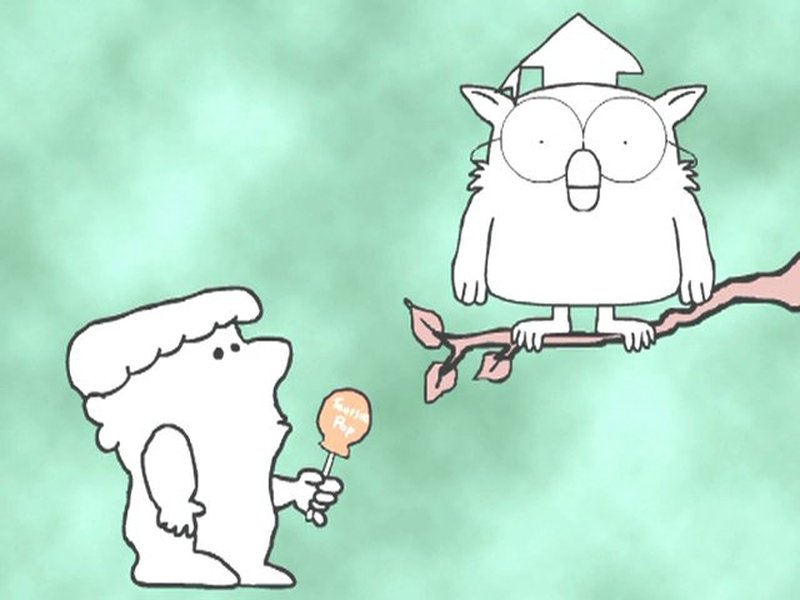
The iconic question "How many licks does it take to get to the Tootsie Roll center of a Tootsie Pop?" entered popular culture through a classic 1970s commercial featuring a boy asking various animals, culminating with Mr. Owl who famously took just three licks before biting into the candy and declaring "three." While this advertising campaign created a memorable cultural touchpoint, the actual scientific answer has proven far more complex.
The Scientific Quest for the Definitive Answer
What began as a clever marketing slogan has evolved into a legitimate scientific inquiry tackled by multiple academic institutions. Engineers, mathematicians, and even tribologists (scientists who study friction and wear) have designed experiments to determine the precise number of licks required to reach the chewy center.
Major Scientific Studies and Their Findings
Over the years, multiple universities and research teams have approached this whimsical question with scientific rigor. Their methodologies varied from custom-built licking machines to human participant studies, producing a fascinating range of results:
| Institution | Method | Average Licks | Range/Notes |
|---|---|---|---|
| Purdue University | Licking Machine | 364-365 | Consistent mechanical licking |
| Purdue University | Human Participants | 252-253 | 20 student volunteers |
| University of Michigan | Licking Machine | 411-412 | Custom-designed apparatus |
| Swarthmore College | Human Participants | 146 (median) | Range: 70-222 licks |
| University of Florida | Human + Statistical Analysis | 130-195 | Tribology Laboratory study |
| Bellarmine University | Human Participants | 175 | Controlled experiment |
| NYU Mathematicians | Mathematical Modeling | ~1,000 per cm | Half a Tootsie Pop is ~1cm |
| Tootsie Website Study | Varied Methods | 678 (regular) | 881 (chocolate), 617 (candy cane) |
Why Such Variation in Results?
Human vs. Machine Licking
The mechanical licking machines typically recorded higher numbers compared to human participants. This discrepancy can be attributed to the consistent but gentle pressure of machines versus the varied pressure and enzymatic assistance from human saliva that may accelerate candy dissolution.
Methodological Differences
Each study defined "reaching the center" differently. Some considered it the point where any Tootsie Roll became visible, while others defined it as complete exposure of the chocolate center. Additionally, counting methods and participant instructions varied widely.
Factors Affecting Lick Count
The wide variation in results highlights the numerous factors that influence how quickly one can reach the center of a Tootsie Pop:
This radar chart illustrates the various factors that influence how quickly someone can reach the center of a Tootsie Pop. Licking pressure and consistency emerge as the most significant factors in reducing the required number of licks, while environmental elements like temperature and candy freshness play smaller but still measurable roles.
The Mindmap of Licking Variables
To better understand the complex interplay of variables affecting the Tootsie Pop licking experience, the following mindmap breaks down the key components of this seemingly simple but surprisingly complex process:
This mindmap illustrates the multifaceted nature of the Tootsie Pop licking experience. What might seem like a simple question actually involves complex interactions between the person licking (their physical attributes and behavior), the candy itself, environmental factors, and even how researchers define and measure "reaching the center."
The Cultural Impact of the Famous Question
Few advertising campaigns have embedded themselves into popular culture as effectively as the Tootsie Pop "How Many Licks" commercial. The question has transcended its commercial origins to become a cultural touchstone referenced in television shows, movies, and even academic papers.
The original commercial, featuring the wise but impatient Mr. Owl who famously takes just three licks before biting into the candy, has achieved iconic status. This commercial launched in the 1970s and has been re-aired for decades, introducing new generations to the mysterious question. The campaign was so successful that Tootsie Roll Industries continues to feature the owl mascot and the famous question in its branding today.
Visual Evidence: Tootsie Pop Variety
Part of the complexity in answering the question comes from the variety of Tootsie Pops available. Different flavors may have slight variations in their candy shell composition, potentially affecting dissolution rates:
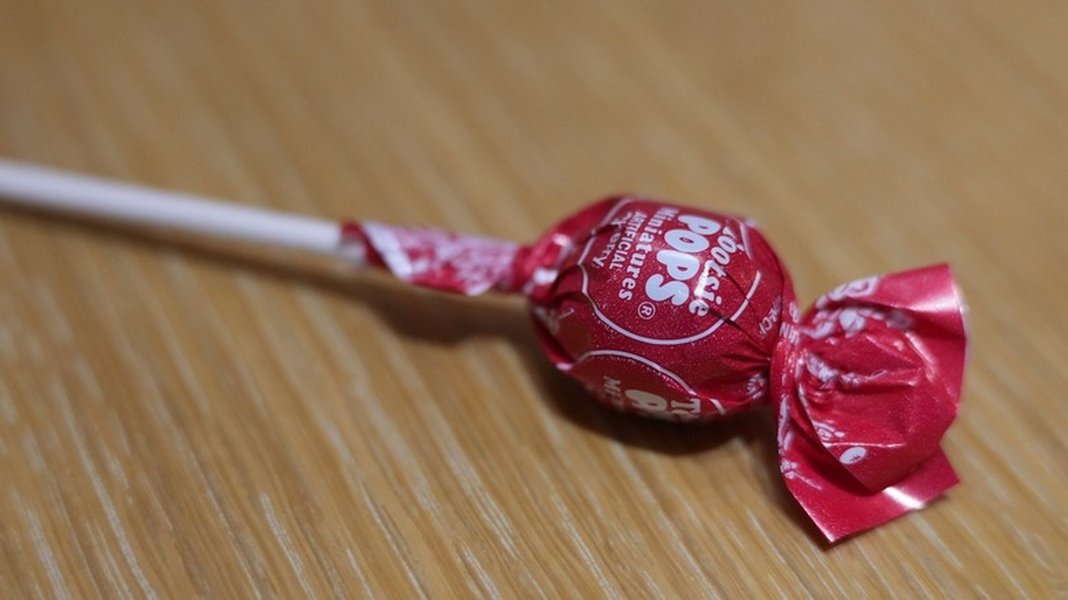
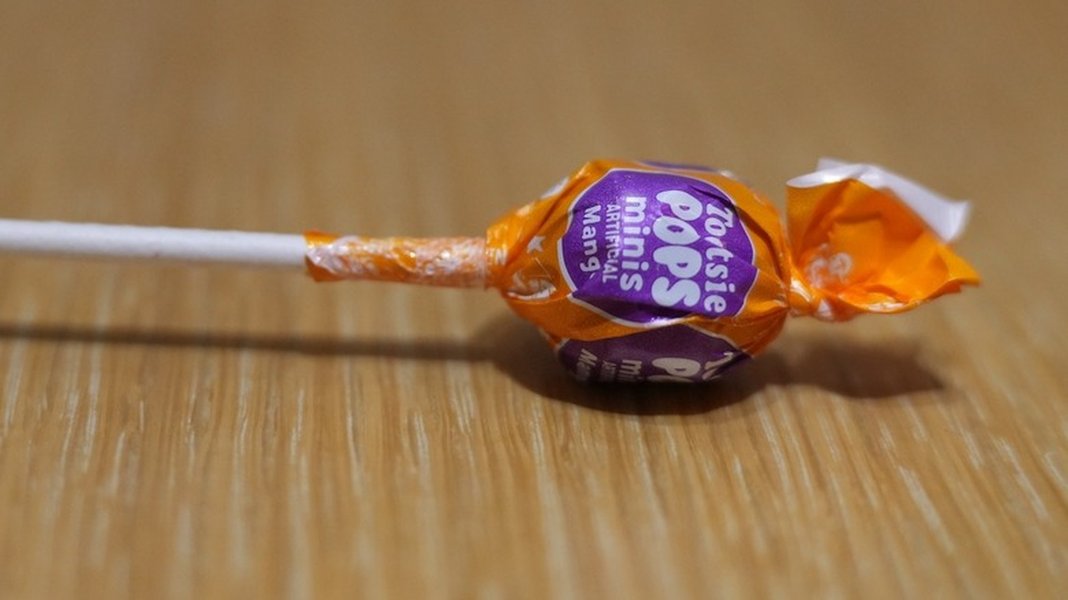
According to studies published on the Tootsie website, different flavors require different numbers of licks: 678 for regular flavors, 881 for chocolate, and 617 for candy cane. This variation suggests that candy composition plays a significant role in determining how quickly one can reach the chocolate center.
Frequently Asked Questions
References
- Scientific Studies - Tootsie.com
- How Many Licks Does it REALLY Take to Get to the Center of a Tootsie Pop? - Candy Favorites
- Scientists Calculate Number of Licks It Takes to Get to Center of Tootsie Pop - Mental Floss
- Tootsie Pop Mystery Solved: How Many Licks It Takes To Get To The Center, Based On Science - Medical Daily
- Mathematicians Discover How Many Licks It Takes to Get to the Center of a Tootsie Pop - ABC News
- How Many Licks: Controlling Lollipop Licker Variation - Science Friday
Recommended Queries
Last updated April 5, 2025