
Unlock the Secrets to Preventing Dermatitis: Your Top 5 Strategies
Protect your skin and minimize flare-ups with these essential, evidence-based tips for managing dermatitis effectively.
Dermatitis, a general term for skin inflammation, can manifest in various forms, including contact dermatitis (triggered by external substances) and atopic dermatitis (eczema), often linked to genetics and environmental factors. Preventing its onset or recurrence involves a proactive approach focused on avoiding triggers and maintaining optimal skin health. Understanding and implementing key strategies can significantly reduce discomfort and improve your quality of life.
Key Prevention Highlights
- Trigger Identification & Avoidance: Recognizing and staying clear of specific irritants or allergens is paramount, especially for contact dermatitis.
- Skin Barrier Protection: Consistent moisturizing and gentle cleansing routines are crucial for maintaining skin integrity, particularly for atopic dermatitis.
- Protective Measures: Using barriers like gloves or specific clothing can shield skin from environmental or occupational triggers.
Top 5 Strategies for Dermatitis Prevention
Based on insights from dermatological research and health experts, here are the five most effective strategies to help prevent dermatitis:
1. Identify and Avoid Known Irritants and Allergens
The Foundation of Prevention
The single most effective step, particularly for preventing contact dermatitis, is to pinpoint and meticulously avoid substances that provoke skin reactions. These triggers vary widely among individuals but commonly include:
- Chemicals: Found in cleaning products, solvents, or industrial materials.
- Soaps and Detergents: Harsh formulas or fragrances can strip skin oils and cause irritation.
- Cosmetics and Fragrances: Ingredients in makeup, lotions, or perfumes are frequent culprits.
- Metals: Nickel, often found in jewelry, buckles, or zippers, is a common allergen.
- Plants: Poison ivy, oak, and sumac cause allergic contact dermatitis. Certain other plants can also be irritants.
- Fabrics: Rough textiles like wool or certain synthetics can physically irritate sensitive skin.
If you suspect an allergy, a dermatologist can perform patch testing to identify specific allergens. Once identified, consciously avoiding these triggers in your daily environment—checking product labels, choosing hypoallergenic alternatives, and modifying routines—is crucial. This strategy alone can prevent a significant majority of flare-ups for susceptible individuals.

Choosing appropriate, non-irritating skincare products is essential.
2. Maintain Skin Hydration and Barrier Integrity
Strengthening Your Skin's Defenses
A healthy, well-hydrated skin barrier is less permeable to irritants and allergens and less prone to dryness and cracking, which are hallmarks of conditions like atopic dermatitis. Consistent moisturization is key:
- Moisturize Regularly: Apply a fragrance-free, hypoallergenic emollient or moisturizer at least twice daily, and especially immediately after bathing, to lock in moisture.
- Choose Products Wisely: Opt for thick creams or ointments over lotions if your skin is very dry. Look for ingredients like ceramides, glycerin, or hyaluronic acid.
- Humidify Your Environment: Using a humidifier, particularly during dry winter months or in arid climates, can help keep skin hydrated.
Protecting the skin barrier helps prevent irritants from penetrating and reduces the likelihood of inflammation and itching cycles common in dermatitis.
3. Practice Gentle Skincare and Bathing Habits
Kindness Towards Your Skin
Harsh cleansing practices can strip the skin of its natural protective oils, worsening dryness and irritation. Adopt a gentle approach:
- Limit Bathing Time and Temperature: Take short (5-10 minutes) baths or showers using lukewarm, not hot, water. Limit bathing frequency if necessary, often once daily is sufficient.
- Use Mild Cleansers: Choose soap-free cleansers or mild soaps that are fragrance-free and dye-free. Avoid harsh scrubbing.
- Pat Dry Gently: After bathing, gently pat your skin dry with a soft towel instead of rubbing vigorously.
- Apply Moisturizer Promptly: Apply your chosen moisturizer to damp skin within minutes of bathing to maximize hydration.
- Avoid Scratching: Keep fingernails short and try to avoid scratching itchy areas, as this can damage the skin barrier and lead to infection. Consider wearing cotton gloves at night if nocturnal scratching is an issue.
4. Wear Protective Clothing and Gear
Shielding Your Skin from Harm
Creating a physical barrier between your skin and potential triggers is a practical preventive measure, especially in occupational settings or when handling known irritants:
- Use Gloves: Wear appropriate gloves (e.g., waterproof, cotton-lined, or nitrile) when working with chemicals, cleaning agents, water, or other irritants.
- Choose Soft Fabrics: Opt for clothing made from soft, breathable materials like cotton or silk. Avoid rough textures like wool directly against the skin.
- Wash New Clothes: Always wash new clothing before wearing it to remove residual dyes and finishing chemicals used in manufacturing.
- Dress Appropriately for Weather: Wear loose-fitting clothing in hot weather to minimize sweating, which can aggravate dermatitis. In cold weather, layer clothing but avoid overheating.
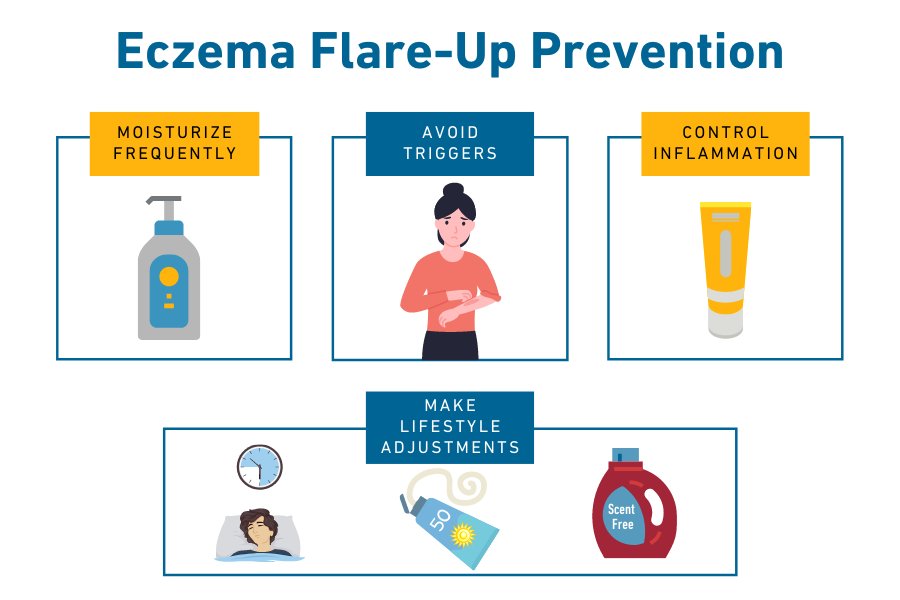
Visual summary of key dermatitis prevention tips.
5. Manage Environmental Factors and Stress
Addressing Broader Influences
Dermatitis, particularly atopic dermatitis, can be influenced by environmental conditions and internal factors like stress:
- Control Your Environment: Avoid sudden changes in temperature and humidity. Keep living spaces cool and well-ventilated. Minimize exposure to dust mites, pet dander, and pollen if these are known triggers.
- Protect from Sun: While some controlled sun exposure can benefit certain skin conditions, sunburn can trigger flare-ups. Use broad-spectrum sunscreen (SPF 15+ or higher, preferably mineral-based like zinc oxide or titanium dioxide for sensitive skin) and wear protective clothing when outdoors.
- Manage Stress: Stress is a known trigger for inflammatory conditions, including dermatitis. Incorporate stress-reduction techniques into your routine, such as exercise, mindfulness, yoga, meditation, or engaging in hobbies.
- Dietary Awareness: While the role of diet is complex and varies, some individuals find certain foods can trigger flares. Common culprits might include dairy, gluten, or nuts. If you suspect food triggers, consult a healthcare professional or dietitian for guidance; avoid restrictive diets without medical advice.
Understanding Prevention Effectiveness
The effectiveness of these prevention strategies can vary depending on the type of dermatitis and individual factors. This chart provides a conceptual overview of the relative importance of each strategy for preventing Contact Dermatitis versus Atopic Dermatitis (Eczema). Note that this is illustrative and individual experiences may differ.
As illustrated, identifying and avoiding specific triggers is highly crucial for preventing contact dermatitis, while maintaining skin hydration and gentle skincare are generally more central to managing and preventing atopic dermatitis flares. Protective gear is vital when trigger avoidance isn't fully possible, and managing environmental factors and stress plays a supportive role, especially for atopic conditions.
Visualizing Dermatitis Prevention Strategies
This mind map provides a structured overview of the key areas involved in preventing dermatitis, branching out into specific actionable steps.
This visualization helps conceptualize how different elements, from direct skin contact to broader environmental and personal factors, contribute to a comprehensive dermatitis prevention plan.
Practical Tips for Avoiding Common Triggers
Understanding common triggers and how to avoid them is key. The table below outlines some frequent culprits and corresponding prevention tactics:
| Trigger Category | Examples | Prevention Strategies |
|---|---|---|
| Chemical Irritants | Harsh soaps, detergents, solvents, cleaning agents | Use mild, pH-neutral cleansers; wear waterproof gloves; rinse skin thoroughly after contact. |
| Allergens | Nickel (jewelry, buckles), fragrances, preservatives (cosmetics), latex, poison ivy/oak | Identify specific allergens via patch testing; read labels carefully; choose hypoallergenic products; wear protective barriers; avoid contact with known plant allergens. |
| Physical Irritants | Rough fabrics (wool, some synthetics), excessive sweating, friction | Wear soft, breathable fabrics (cotton, silk); dress in layers; avoid tight clothing; manage sweating by staying cool. |
| Environmental Factors | Dry air (low humidity), extreme heat or cold, dust mites, pollen, pet dander | Use humidifiers; maintain stable indoor temperature; practice good housekeeping (dusting, vacuuming); use air purifiers if needed; minimize exposure during high pollen seasons. |
| Internal Factors | Stress, certain foods (individual sensitivities) | Implement stress management techniques (exercise, mindfulness); keep a food diary if food triggers are suspected and consult a doctor/dietitian. |
Expert Insights on Eczema Prevention
Understanding the nuances of specific dermatitis types, like eczema (atopic dermatitis), can further refine prevention efforts. This video offers practical tips from healthcare professionals on managing and preventing eczema flare-ups, complementing the strategies discussed above.
The video covers key aspects like recognizing symptoms and implementing daily routines focused on skin hydration, avoiding triggers, and managing factors like scratching, which are essential components of preventing eczema flare-ups effectively.
Frequently Asked Questions (FAQ)
What's the difference between preventing contact dermatitis and atopic dermatitis (eczema)?
While there's overlap (like moisturizing), prevention differs in emphasis. Contact dermatitis prevention primarily focuses on identifying and strictly avoiding external irritants or allergens that trigger a reaction upon direct skin contact. Atopic dermatitis (eczema) prevention involves a broader approach including intense skin hydration to support a compromised skin barrier, managing environmental factors (like humidity, allergens such as dust mites), stress reduction, and avoiding known triggers that cause flares, which may be less direct than in contact dermatitis.
Can diet really help prevent dermatitis?
The role of diet in dermatitis prevention is complex and still under research. For some individuals with atopic dermatitis, specific food allergies (like dairy, eggs, nuts) can trigger flares, and avoidance may help. However, restrictive diets are generally not recommended without confirmed allergies diagnosed by a healthcare professional. Some evidence suggests probiotics during pregnancy or infancy might reduce eczema risk. For general skin health, a balanced diet rich in antioxidants and healthy fats is beneficial, but specific 'dermatitis prevention diets' lack strong universal evidence. Always consult a doctor or dietitian before making significant dietary changes.
How important is stress management in preventing dermatitis?
Stress management is particularly important for preventing flares of atopic dermatitis (eczema). Stress can trigger the release of hormones like cortisol, which increase inflammation throughout the body, including the skin. This inflammatory response can worsen existing dermatitis or trigger a new flare-up. Implementing stress-reduction techniques like regular exercise, adequate sleep, mindfulness, meditation, or engaging in relaxing hobbies can help regulate the body's stress response and potentially reduce the frequency and severity of dermatitis flares.
Are "natural" or "clean" skincare products better for preventing dermatitis?
Not necessarily. Terms like "natural," "organic," or "clean" are often poorly regulated marketing terms and don't guarantee a product is non-irritating or hypoallergenic. Many natural ingredients, such as essential oils or plant extracts, can be potent allergens or irritants for sensitive skin. The best approach is to choose products specifically labeled as "fragrance-free," "dye-free," and "hypoallergenic," and formulated for sensitive skin. Patch testing a new product on a small area of skin before widespread use is always advisable, regardless of its marketing claims.
Recommended Further Exploration
- What specific ingredients should I avoid in skincare products if I have dermatitis-prone skin?
- How can I safely perform a patch test at home for new cosmetic or skincare products?
- Which types of moisturizers are most effective for preventing eczema flare-ups?
- Is there a scientifically supported link between gut health and preventing dermatitis?
References
Last updated May 5, 2025