
Unlocking Musical Potential: Top 5 Piano Methods for Young Aspiring Pianists
Discover the most effective and engaging ways to introduce your child to the joy of playing the piano, setting them on a path to musical discovery.
Key Insights for Choosing a Piano Method
Selecting the right piano method is a pivotal first step in a child's musical journey. The ideal approach nurtures not only technical skill but also a lasting love for music. Consider these essential takeaways:
- Age-Appropriateness and Engagement are Paramount: Young beginners thrive with methods that use colorful visuals, fun songs, and interactive activities tailored to their developmental stage and attention span.
- A Balanced Curriculum Fosters Holistic Growth: Look for methods that integrate music reading, theory, ear training, and proper technique in a gradual and cohesive manner.
- Individual Learning Styles and Interests Matter: The "best" method can vary. Observe your child's preferences and how they respond to different teaching styles to find the perfect fit, often in consultation with a qualified teacher.
Top 5 Recommended Piano Methods for Young Beginners
Based on a synthesis of expert recommendations and widespread use, these five piano methods consistently stand out for their effectiveness in teaching young children (typically ages 4-12). Each method offers a unique approach, catering to different learning preferences and teaching philosophies.
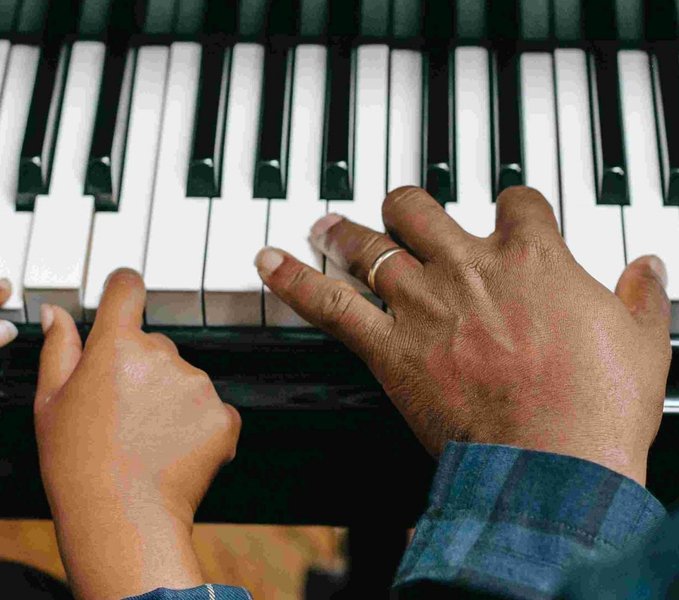
A young child exploring the piano, a common starting point for many of these methods.
1. Faber Piano Adventures
Developed by Nancy and Randall Faber, Piano Adventures is arguably one of the most popular and highly endorsed methods for young beginners. It is celebrated for its comprehensive and engaging approach.
Core Philosophy and Approach
This method uses a multi-faceted strategy, integrating technique, theory, sight-reading, and performance skills from the very beginning. The "My First Piano Adventures" series is specifically designed for the youngest learners (ages 4-6), featuring captivating illustrations, simple songs, and creative activities that make learning interactive and fun. A key strength is its focus on developing strong music reading habits by teaching students to identify hand positions based on finger numbers and note-reading for each song, rather than relying solely on fixed hand positions.
Key Features:
- Age Range: Primarily 4-11 years. "My First Piano Adventures" for ages 4-6, with subsequent levels progressing.
- Content: Engaging songs (both original and familiar), colorful illustrations, and creative activities.
- Structure: Well-structured progression from Primer Level upwards, balancing technical skill with musical expression.
- Strengths: Child-friendly presentation, gradual learning curve, comprehensive integration of musical elements, strong emphasis on reading.
2. Bastien Piano Basics
The Bastien Piano Basics method, created by James Bastien, is particularly recommended for younger students due to its gentle pace and thorough grounding in music fundamentals.
Core Philosophy and Approach
Bastien's method is known for its kid-friendly approach, clear instructions, and colorful illustrations. It spends significant time explaining the fundamentals of music theory (notes, rhythms, finger placement) before moving to more complex pieces. The Primer Level often features cute illustrations and a mix of original educational songs and arrangements of well-known children's tunes, making it very accessible for preschoolers and early elementary students.
Key Features:
- Age Range: Typically 5-9 years. The Primer Level A offers an even slower pace for very young students.
- Content: Features engaging illustrations, original educational songs, and arrangements of familiar children's tunes.
- Structure: Gradual progression with a strong emphasis on fundamentals. Includes complementary theory and performance books.
- Strengths: Slower pace ideal for younger learners, clear explanation of music theory, builds confidence through repetition.
3. Alfred's Basic Piano Library
Alfred's Basic Piano Library is a long-standing and trusted piano series, renowned worldwide for its clear layout and steady, methodical progression. It's a versatile method suitable for a range of beginners.
Core Philosophy and Approach
Alfred's method combines note reading, technique, and theory practice with fun songs. It offers a step-by-step progression through various levels. While some suggest it moves a bit faster initially and might be better suited for children over seven or even high school beginners, it is widely used and adaptable. The Children 6-12 course starts at Level 1 and offers a quicker pace than their Prep Course.
Key Features:
- Age Range: Generally recommended for ages 7 and up, but can be adapted for slightly younger students.
- Content: Clear layout, mix of classical pieces and familiar songs, optional CD accompaniments.
- Structure: Systematic, level-by-level progression; offers supplemental theory and technique books.
- Strengths: Widely trusted and used, logical progression, good for developing sight-reading and technical skills.
4. John Thompson's Easiest Piano Course
A classic method, John Thompson's Easiest Piano Course is frequently cited for its straightforward, effective, and enjoyable approach, making it a favorite for generations of piano students.
Core Philosophy and Approach
This method is known for its simplicity and step-by-step instructional style. It uses pictures, simple notation, and progressive exercises suitable for young children. It emphasizes proper technique from the start while incorporating simple, catchy songs that keep kids engaged. Its accessibility makes it suitable for self-learners or those with minimal supervision, focusing on building a strong foundation through repetition and fun.
Key Features:
- Age Range: Suitable for a broad range of beginners, typically 6-12 years.
- Content: Simple, catchy songs, visual cues, and easy-to-grasp explanations.
- Structure: Step-by-step lessons on reading music, finger exercises, and theory.
- Strengths: Simplicity, effectiveness in fostering early reading skills and independence, enjoyable tunes.
5. Volz Piano Method
The Volz Piano Method is highlighted as an innovative, child-focused approach designed to make piano lessons engaging and effective for contemporary young learners.
Core Philosophy and Approach
This method combines structured instruction with fun, engaging activities such as games and creative exercises, aiming to stimulate brain development and maintain motivation. It's described as a comprehensive program covering technique, theory, and performance, while also emphasizing emotional expression and discipline. It often incorporates online resources to supplement lessons.
Key Features:
- Age Range: Typically 5-12 years.
- Content: Structured lessons combined with games, creative exercises, and modern educational approaches.
- Structure: A complete program aiming for holistic development, often supplemented with online tools.
- Strengths: Innovative and child-centered, focuses on engagement and motivation, aligns with modern educational needs.
Comparative Overview of Piano Methods
To help visualize the differences and strengths of these popular methods, the following table provides a side-by-side comparison of key attributes. This can assist parents and educators in making an informed decision based on the specific needs and learning style of the child.
| Method | Typical Age Range | Key Focus | Pace | Visual Appeal | Primary Strength |
|---|---|---|---|---|---|
| Faber Piano Adventures | 4-11 years | Comprehensive (Technique, Theory, Sight-Reading, Performance), Reading Emphasis | Gradual, Well-Balanced | Very High (Colorful, Engaging) | Holistic approach, strong reading development, highly engaging for kids. |
| Bastien Piano Basics | 5-9 years | Fundamentals, Early Theory, Gentle Introduction | Slow, Deliberate | High (Cute Illustrations, Kid-Friendly) | Excellent for very young beginners, builds confidence, strong on basics. |
| Alfred's Basic Piano Library | 7+ years (adaptable) | Structured Learning, Technique, Theory, Repertoire | Moderate to Fast | Moderate (Clear, Functional) | Systematic progression, widely used, solid foundation for older beginners. |
| John Thompson's Easiest Piano Course | 6-12 years | Simplicity, Enjoyment, Basic Technique & Reading | Moderate | Moderate (Classic, Clear) | Accessible, fosters independence, enjoyable classic tunes. |
| Volz Piano Method | 5-12 years | Engagement, Modern Pedagogy, Holistic Development | Flexible, Student-Centered | High (Interactive, Modern) | Innovative, motivating, integrates creative activities and technology. |
Visualizing Method Characteristics: A Comparative Radar Chart
The radar chart below offers an opinionated visual comparison of the five leading piano methods across several key characteristics important for young beginners. These include Engagement Level (how captivating it is for children), Theory Depth (thoroughness of theoretical instruction), Technique Focus (emphasis on physical playing skills), Visual Appeal (use of illustrations and design), Pace (speed of progression), and Repertoire Variety (diversity of musical pieces). This can help in understanding the nuanced strengths of each method at a glance. The scores are relative and based on general perceptions of these methods.
Mapping the Elements of Effective Piano Pedagogy
Understanding the core components that make a piano method successful for young learners can be complex. The mindmap below illustrates the interconnected elements that contribute to an effective and enjoyable piano learning experience for children. It highlights key considerations such as age-appropriateness, curriculum balance, engagement strategies, and desired learning outcomes.
(Illustrations, Colors)"] id1a2["Song Selection
(Familiar, Fun Tunes)"] id1a3["Pacing
(Gradual Introduction of Concepts)"] id1b["Curriculum Balance"] id1b1["Music Theory"] id1b2["Technique & Finger Exercises"] id1b3["Sight-Reading"] id1b4["Ear Training"] id1b5["Repertoire"] id1c["Engagement Strategies"] id1c1["Interactive Activities & Games"] id1c2["Storytelling & Themes"] id1c3["Positive Reinforcement"] id2["Popular Method Examples"] id2a["Faber Piano Adventures
(Comprehensive, Engaging)"] id2b["Bastien Piano Basics
(Gentle, Fundamental Focus)"] id2c["Alfred's Basic Piano Library
(Structured, Traditional)"] id2d["John Thompson's Easiest
(Simple, Classic)"] id2e["Volz Piano Method
(Innovative, Child-Centered)"] id3["Learning Outcomes"] id3a["Skill Development
(Technical Proficiency, Musicality)"] id3b["Sustained Motivation"] id3c["Love for Music & Lifelong Learning"] id3d["Cognitive Benefits
(Memory, Discipline, Coordination)"] id4["Supporting Elements"] id4a["Teacher's Role & Guidance"] id4b["Parental Involvement & Encouragement"] id4c["Supplementary Materials
(Apps, Videos, Workbooks)"]
Expert Insights on Choosing Piano Methods
For parents and educators seeking further guidance on selecting appropriate piano methods and understanding the nuances of teaching young beginners, the following video offers valuable perspectives. It discusses several popular methods, including some mentioned here, and provides context on what makes a method suitable for young children aged 5-7.
This video provides a review of piano method books suitable for young beginners (ages 5-7), covering popular options like Alfred, Chester, and Piano Adventures.
The video delves into the specific attributes of methods such as Alfred's, Chester (another option sometimes considered), and the widely acclaimed Piano Adventures by Faber. It provides practical insights that can help in navigating the choices available, emphasizing aspects like pacing, visual engagement, and the type of musical pieces included. Understanding these reviews can complement the information provided here and assist in making a well-rounded decision tailored to an individual child's needs and learning style. The presenter often highlights how different books cater to varying attention spans and developmental stages, which is crucial when teaching this age group.
Frequently Asked Questions (FAQ)
What is the best age for a child to start piano lessons?
While there's no single "best" age, many children can start formal piano lessons between the ages of 5 and 7. At this stage, they typically have developed sufficient finger strength, attention span, and the ability to recognize letters and numbers, which are helpful for learning music. Some methods, like "My First Piano Adventures," cater to children as young as 4. Ultimately, readiness depends on the individual child's interest, maturity, and physical development.
How important is parental involvement in a child's piano learning?
Parental involvement is crucial, especially for young beginners. This includes creating a supportive home environment, ensuring regular practice time, communicating with the teacher, and showing enthusiasm for the child's progress. For methods like Suzuki, parental participation in lessons and practice is a core component. Even with other methods, encouragement and positive reinforcement from parents can significantly impact a child's motivation and success.
Should my child learn on an acoustic piano or a digital keyboard?
Both acoustic pianos and quality digital keyboards can be suitable for beginners. Acoustic pianos offer the authentic touch and tone that many teachers prefer for developing proper technique. However, good quality digital pianos with 88 weighted keys, touch sensitivity, and pedals can be excellent alternatives, often being more affordable, space-saving, and allowing for headphone use. The key is that the instrument should encourage good playing habits.
How do I choose the 'right' method if they all seem good?
Consider your child's personality and learning style. Does your child thrive on colorful visuals and stories (Faber, Bastien)? Or do they prefer a more structured, traditional approach (Alfred)? Talking to a prospective piano teacher is highly recommended. They can assess your child and suggest a method that aligns with their teaching philosophy and your child's needs. Sometimes, teachers may even combine elements from different methods.
Can online resources or apps supplement these piano methods?
Absolutely! Many online resources, educational apps, and YouTube tutorials can be fantastic supplements to formal piano methods. They can offer additional practice exercises, theory games, performance examples, and ways to explore different musical styles. However, for young beginners, these are generally best used to complement, rather than replace, structured lessons with a qualified teacher and a well-chosen method book series.
Recommended Further Exploration
To delve deeper into related topics, consider exploring these queries:
- How to keep young children motivated during piano practice.
- What are the cognitive and emotional benefits of learning piano for child development?
- What are the pros and cons of group versus individual piano lessons for young beginners?
- How important is music theory in early piano education for children, and how is it best introduced?
References
The information synthesized in this response was drawn from analyses of the following resources:

Last updated May 7, 2025