
Exploring "Topas": A Multifaceted Term
An in-depth look into software, gemstones, and other meanings of Topas
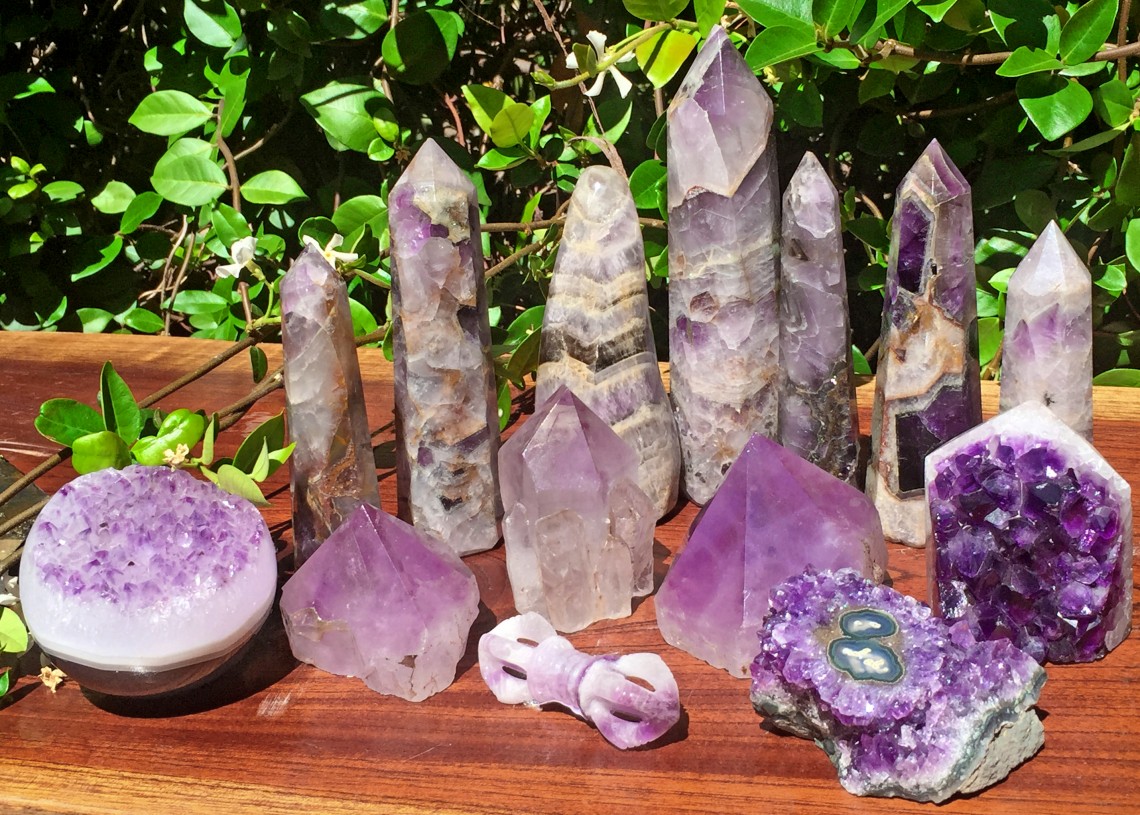
Key Highlights
- Software Excellence: Topas represents multiple high-performance software tools used for diffraction analysis, crystal structure investigation, and cutting-edge medical simulations.
- Gemological and Cultural Significance: The term is also associated with the gemstone topaz, celebrated for its beauty and historical significance.
- Diverse Applications and Interpretations: Beyond software and gemstones, Topas finds relevance in polymer materials, historical identities, linguistics, and even regional references.
Understanding Topas in Different Contexts
The term “Topas” is a versatile one, encompassing a wide array of interpretations across various disciplines. In this comprehensive analysis, we delve into its primary uses, examining advanced software applications, its gemological underpinning, and other historical, cultural, and technical instances.
1. Advanced Software Applications
Perhaps one of the most widely recognized aspects of Topas is its application as a software tool. Topas appears in several forms, each designed to address highly specialized analytical needs in diverse fields such as crystallography, diffraction analysis, and even medical imaging simulations.
a. Diffraction and Crystallography Analysis
Several software products under the name Topas have been developed specifically for the analysis of powder diffraction and crystallographic data. These tools are essential for industries and research institutes engaged in materials science and crystallography.
One well-known implementation is a product integrated into a comprehensive software suite designed for analyzing both X-ray and neutron diffraction data. This system uses sophisticated profile fitting techniques to perform quantitative phase analysis, microstructure assessment, and detailed crystal structure analysis. Its reliability, speed, and flexibility have made it an indispensable tool in academic research and industrial applications alike.
In academic circles, a specialized version of the Topas software is made available for students and researchers. This version typically provides a more streamlined, text-based interface that allows for deep customization, ensuring that users can fine-tune the analysis to suit the unique requirements of their experiments.
b. Medical Physics and Treatment Simulations
Beyond crystallography, Topas extends its capabilities into medical physics. Advanced Monte Carlo simulation tools using the Topas framework are central in designing and optimizing radiation therapy and imaging techniques.
The simulation tool based on Topas is developed on established frameworks such as Geant4, which is renowned for its application in simulating particle physics interactions. In medical imaging and radiotherapy, these simulations enable precise modeling of x-ray and particle therapy treatment heads. This facilitates the effective planning and execution of clinical treatments, ensuring enhanced accuracy and patient safety.
Several key features stand out in these simulation tools:
- Four-dimensional simulation capabilities that allow users to capture temporal dynamics within treatment scenarios.
- User-friendly interfaces designed to facilitate rapid prototyping and experimentation in particle therapy, radiation biology, and related fields.
- Highly reliable Monte Carlo algorithms that significantly improve the accuracy of radiation interaction models.
c. Specialized Software in Polymer Analysis and Nanotechnology
An emerging application of Topas is found in the field of advanced polymer studies. Companies have adopted the Topas nomenclature for product lines specializing in high-performance polymers, particularly cyclic olefin copolymer (COC). These materials are prized for their exceptional clarity, strong moisture barrier properties, and biocompatibility, making them ideal for medical devices, packaging applications, and electronics.
The link between advanced polymer applications and Topas showcases the term’s versatility across industries, bridging the gap between software for data analysis and material science innovations.
2. Gemological and Cultural Dimensions
In addition to its technical applications, “topas” is linguistically and culturally intertwined with the gemstone topaz. The gemstone is celebrated not only for its vibrant colors and crystalline structure but also for the rich mythology and historical symbolism surrounding it.
a. Gemstone Characteristics
Topaz, known for its brilliance and durability, has been used as a gemstone for centuries. Chemically, it is a silicate mineral that typically appears in a variety of hues ranging from clear to deep blue, yellow, and even pink. This diversity in color results from trace elements and the crystal formation process.
Historically, topaz was believed to have magical properties, such as the ability to channel the power of the sun and bestow strength and energy upon its wearer. The gem is often linked to attributes like clarity, loyalty, and protection, which has ensured its enduring mystique in both cultural lore and modern jewelry design.
b. Etymology and Historical Significance
The etymology of topaz evokes a rich tapestry of cultural influences, deriving from Greek and Sanskrit origins. The ancient word “topazos” suggests themes of searching and discovery, paralleling the gemstone’s revered status as an object of beauty and value. Some theories associate the original meaning with “fire,” possibly alluding to the gem's lustrous and fiery appearance.
Beyond its beauty and mythological associations, topaz has also played a role in texts and traditional medicinal practices, where it was believed to possess healing properties. This blend of aesthetic allure and purported mystical qualities has cemented its place in both historical records and contemporary collections.
3. Other Interpretations of Topas
In addition to the software and gemstone meanings, Topas is also used in various other contexts, each adding another layer to its multifaceted identity.
a. Linguistic and Cultural Usage
In the Spanish language, the term “topas” serves as a conjugated form of the verb “topar,” meaning “to run into” or “to come across.” This everyday usage adds a dynamic, linguistic dimension to the word, diverging significantly from its technical and gemological definitions.
Moreover, in historical contexts, especially in parts of East India, “topas” was used to refer to individuals of mixed Portuguese and Black descent. This etymological evolution underscores how words adapt meaning as they travel across cultures and eras.
b. Geographic and Commercial References
The term also marks geographic and commercial identities. For instance, there is a municipality in Spain that bears the name Topas, contributing to the term’s diverse cultural footprint. Furthermore, in Iceland, Topas is known as a brand of confectionery, illustrating how the same term can bridge technology, culture, and everyday commerce.
Additionally, there have been instances where Topas signifies a persona, such as a German magician and comedian, thus expanding its reach into entertainment and popular culture.
c. Topas in Advanced Material Science and Healthcare
Notably, Topas is also associated with a prominent supplier in the field of advanced polymers. This company is a global leader in producing cyclic olefin copolymer (COC), a material highly regarded for its excellent overall performance. The physical and chemical properties of COC — such as its high transparency, strong barrier properties, and biocompatibility — are critical in fields requiring the highest quality standards, like medical devices and food packaging.
The company’s products have been instrumental in advancing research and industrial applications, emphasizing the interplay between material innovation and technology. The robustness of COC materials ensures their applicability across a wide array of industries, reinforcing the importance of technological and industrial design in today’s competitive environment.
An In-Depth Table: Comparing Topas Applications
The table below provides a detailed comparison of the various applications and facets of Topas, summarizing key distinctions across its uses in software, gemology, and cultural contexts.
| Category | Key Applications | Notable Features |
|---|---|---|
| Software - Diffraction Analysis |
|
|
| Software - Medical Simulation |
|
|
| Gemstone |
|
|
| Cultural & Linguistic |
|
|
| Advanced Polymers |
|
|
Further Analysis: Integrative Perspectives on Topas
Bringing together the different dimensions of Topas, we see that the term is much more than a single entity. Its relevance in specialized software applications underscores its crucial role in advancing scientific research and industrial processes. Equally, the cultural and gemological significance of topaz influences both aesthetic and historical discourse.
The adoption of the name Topas across domains might initially create confusion; however, it also illustrates the rich overlap between different fields wherein technology, science, and art intersect. For instance, while a researcher using diffraction analysis software may be focused solely on material properties and data refinement, a jeweler or historian might be captivated by the ancient lore of the gemstone.
Moreover, the integration of Topas in polymer science and medical technology shows how modern material science is continuously evolving. Companies with a focus on advanced polymers leverage the material characteristics of COC to develop products that are not only scientifically advanced but also commercially viable across various sectors, including healthcare and packaging.
In summary, whether you are a scientist involved in high-level data analysis or an admirer of fine gemstones, the exploration of Topas reveals a term that embodies the convergence of technology, art, and culture. The extensive suite of software tools developed under the banner of Topas represents a pinnacle of innovation in diffraction and simulation research, while its gemological counterpart continues to charm with its storied past and captivating aesthetics.
Case Studies and Applications in Real-World Settings
To illustrate the diverse applications of Topas, consider the following case studies that highlight its multifaceted nature:
Case Study 1: Diffraction Analysis in Material Science
A materials research laboratory utilized the Topas diffraction analysis software to study nano-crystalline structures in alloys. By leveraging advanced profile fitting methods, the researchers were able to quantify phase compositions and detect subtle microstructural variations. This enabled them to optimize the thermal processing of alloys, leading to the development of materials with enhanced strength and improved durability. The high precision of the tool ensured that even minute discrepancies in the diffraction patterns were not overlooked, thus pushing the boundaries of how modern materials are analyzed.
Case Study 2: Enhancing Radiation Therapy
In a clinical setting, medical physicists employed a Monte Carlo simulation using Topas to model the complex interactions of radiation beams during a cancer treatment regimen. The simulation incorporated four-dimensional data, accounting for not just spatial but temporal variations in patient anatomy during treatment. This allowed for more accurate dose distribution calculations, minimizing the exposure of healthy tissues while maximizing the radiation dose to the tumor. Such precise simulations are paramount in today’s era of personalized medicine, where treatment regimens are increasingly tailored to individual patient profiles.
Case Study 3: Advanced Polymer Applications
A prominent manufacturer in the field of advanced polymers integrated Topas-branded cyclic olefin copolymers (COC) into its product line for medical devices. The unique properties of COC — such as high optical clarity and excellent moisture barrier performance — were critical in ensuring the reliability and sterility of the devices. Such advancements in polymer technology have a profound impact on the production of high-performance, biocompatible materials suitable for various medical applications.
Case Study 4: Gemological Inspiration in Design
Beyond the technical world, the gemstone topaz continues to inspire modern jewelry designers who integrate its lore and visual splendor into their creations. High-quality topaz gemstones, which can range from the classic clear variety to strongly hued versions, are often featured in bespoke pieces that fuse ancient symbolism with contemporary aesthetics. This interplay between historical significance and modern design highlights how Topas, as a concept, bridges multiple realms of human creativity.
Conclusion
In conclusion, the term “Topas” encompasses a broad spectrum of meanings, ranging from advanced scientific software tools for diffraction analysis and medical simulations to the cultural resonance of the gemstone topaz and its further applications in polymer science and everyday language. This multifaceted nature underscores its significance across diverse domains. Whether applied in state-of-the-art research laboratories or revered in the craftsmanship of fine jewelry, Topas exemplifies the harmonious convergence of technology, art, and cultural heritage.
Its relevance in scientific research — particularly in materials science, crystallography, and medical physics — is matched by its enduring appeal as a gemstone that has fascinated civilizations for centuries. Additionally, the usage of Topas in commercial and cultural contexts, from advanced polymers to regional products and linguistic expressions, highlights its versatility and the rich tapestry of its historical development.
With its roots spanning different fields and its modern applications consistently pushing the frontiers of innovation, Topas stands as a shining example of how a single term can embody diverse yet interconnected aspects of human progress.
References
- Bruker Diffrac.TOPAS - Bruker
- TOPAS Academic - Durham University
- TOPAS Tool for Particle Simulation
- OpenTOPAS
- Topaz Meaning - Moonrise Crystals
Recommended Further Queries
Last updated February 20, 2025