
Topas, Salamanca: A Deep Dive into Its Heritage and Landscape
Exploring the Fascinating Blend of History, Nature, and Rural Charm
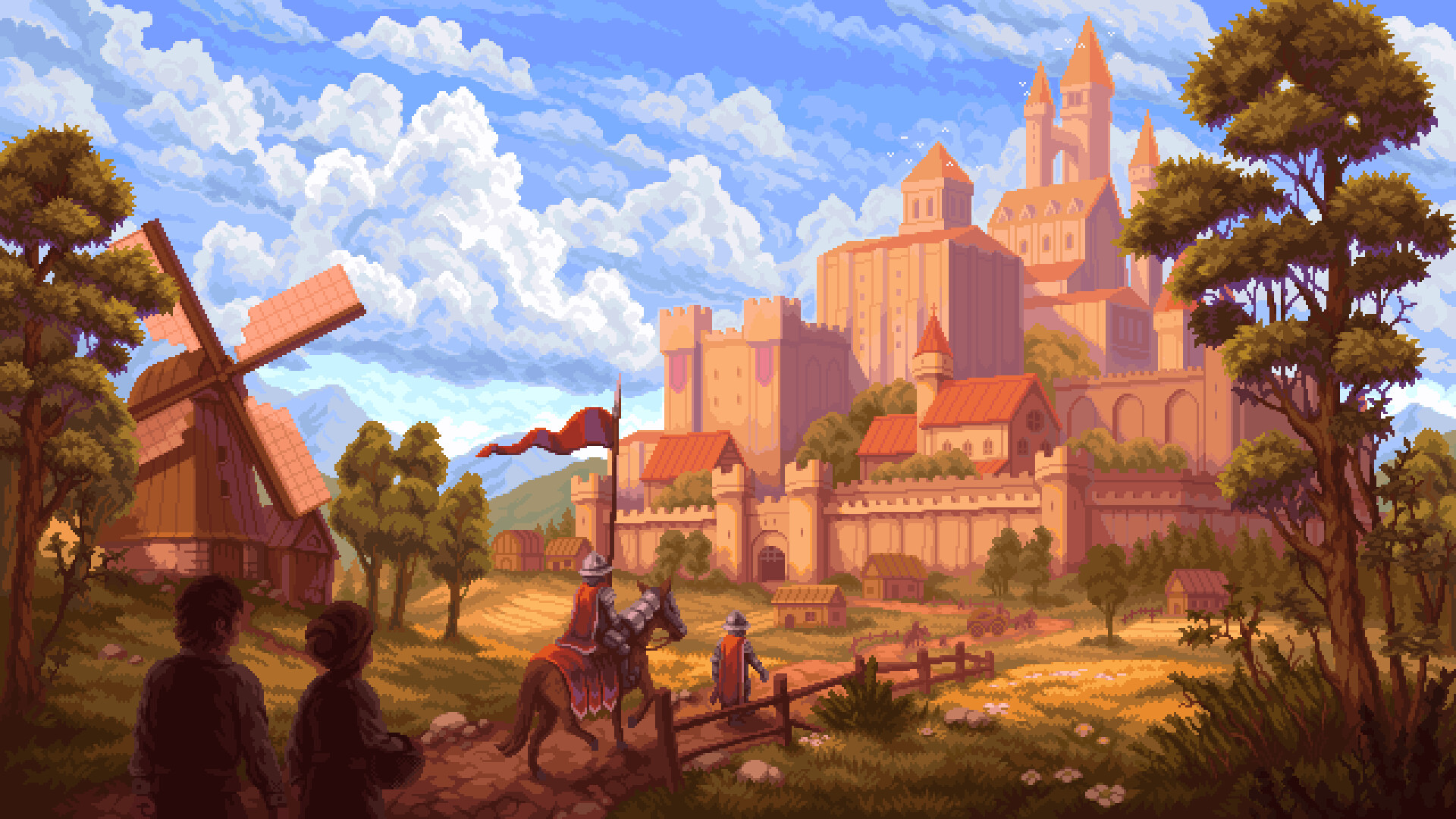
Highlights
- Rich Historical Heritage: From medieval reconquests to notable fortifications.
- Unique Rural Landscape: Characterized by agricultural fields, ash groves, and riverbanks.
- Cultural and Administrative Insights: Deep-rooted local traditions and modern governance structures.
Introduction
Topas is a small but historically and culturally significant municipality nestled in the province of Salamanca, within the autonomous community of Castile and León, Spain. Known for its rich past, charming rural landscapes, and an environment that harks back to medieval times, Topas provides a unique glimpse into the traditional Spanish countryside, juxtaposed with historical landmarks and modern amenities. In this comprehensive exploration, we delve into Topas’ geographical setting, historical evolution, administrative details, key attractions, and the lifestyle of its inhabitants to provide an in-depth understanding of this intriguing locality.
Geographical and Administrative Overview
Location and Physical Setting
Situated approximately 25 to 26 kilometers north of the provincial capital Salamanca, Topas offers both accessibility and tranquility. The municipality is positioned in the heart of La Armuña, a comarca known for its fertile farmlands and distinctive rural scenery. The surrounding landscape is marked by expansive agricultural fields, ash tree groves, and riverbanks along the Cañedo River, all of which contribute to its serene and picturesque environment.
Geographical Table
| Feature | Description |
|---|---|
| Location | Approximately 25-26 km north of Salamanca |
| Region | Castile and León |
| Comarca | La Armuña |
| Elevation | Approximately 825-830 meters above sea level |
| Area | Over 110 km² (with diverse rural settlements) |
The physical environment of Topas is a defining characteristic, blending historical settings with natural beauty, which provides both a retreat from urban hustle and a tangible connection to Spain's storied past.
Demographics and Administration
Despite its modest size, Topas is a vibrant community with a past marked by fluctuating population counts over the years. In recent decades, official records indicate a population in the range of 512 to 554 inhabitants, though some sources suggest a slightly higher number, reflecting a dynamic and evolving demographic.
Administratively, Topas is part of the judicial district of Salamanca, integrating local governance with broader provincial regulation. The town hall, located at Plaza Mayor, serves as the administrative hub, ensuring that local policies cater to the needs of its residents, affectionately known as "topeños." The municipality is also part of a broader municipal association within La Armuña, emphasizing cooperative regional management.
Moreover, Topas encompasses several smaller settlements, including localities such as Cañedino, Cardeñosa, and Ízcala, among others. These communities contribute to the overall cultural fabric and are essential in maintaining the historical and administrative continuity in this rural setting.
Historical Significance and Cultural Heritage
Medieval Roots and Reconquest
Topas boasts a deep historical lineage that can be traced back to the Middle Ages. Historically, the region played a role during the Reconquista, the period when Christian kings gradually reconquered territories under Muslim control on the Iberian Peninsula. Its strategic location near Salamanca, a historical stronghold, made Topas an integral part of the defensive and cultural landscape.
During this turbulent period, the area was a focal point for reconquest efforts by the Kings of León. Notably, Topas was documented as being granted to the Bishopric of Salamanca by King Alfonso VII in the 12th century. This affiliation with prominent religious institutions underscores the importance of both spiritual and military dimensions in its history.
Fortifications and Architectural Landmarks
One of the jewels in Topas’ historical crown is the Castle of Villanueva de Cañedo, often referred to as the Castle of Buen Amor. This fortification, which dates back to the 15th century, serves as an enduring symbol of the region's medieval architecture and military ingenuity. Although later renovations and restorations have added layers of history to this structure, the castle remains a vital reminder of the strategic importance of fortifications in medieval Spain.
The town also features the Iglesia de San Esteban, which adds another layer to its cultural and architectural heritage. Such harmoniously preserved sites make Topas a compelling destination for history enthusiasts, architects, and tourists interested in the interplay between historical preservation and modern life.
Evolving Demographics and Local Identity
The residents of Topas, often referred to as "topeños," embody the enduring spirit of this historical community. Their daily lives, steeped in centuries of tradition, continue to reflect the cultural norms established over generations. This local identity is celebrated in community events, cultural festivals, and traditional practices that have been handed down over time.
Historically influenced by feudal relationships and religious affiliations, the cultural evolution in Topas is visible in its architecture, local festivities, and the maintenance of historical traditions. The interplay between ancient practices and modern governance has created a delicate balance that helps preserve the unique identity of the municipality.
Tourism and Local Attractions
Natural Landscapes and Outdoor Activities
One of the most appealing aspects of Topas is its natural environment. The municipality is uniquely positioned within a landscape that is ideal for outdoor enthusiasts. The rural countryside of La Armuña, characterized by its vast farmlands, lush ash groves, and meandering riverbanks along the Cañedo River, offers limitless opportunities for hiking, bird watching, and nature photography.
This combination of natural beauty and tranquility makes Topas an ideal location for those looking to escape the frenetic pace of urban centers. Whether you’re a hiker seeking to explore untouched paths or a photographer in search of striking rural vistas, Topas provides a multifaceted natural canvas that is both inspiring and rejuvenating.
Historical Landmarks as Tourist Attractions
Adding to its appeal as a tourist destination, Topas is home to several historical and cultural landmarks. The Castle of Villanueva de Cañedo, with its storied past dating back to medieval times, attracts visitors intrigued by its imposing architecture and historical relevance. The well-preserved Iglesia de San Esteban offers another point of interest, inviting visitors to uncover the artistic and religious heritage embedded in its walls.
These landmarks are not only central to the story of Topas but also serve as focal points for community pride and cultural identity. The juxtaposition of nature and history in Topas ensures that visitors can enjoy a holistic experience, one that offers both a deepened understanding of Spain's medieval past and the peaceful beauty of its rural landscapes.
Travel Logistics and Local Amenities
Although Topas retains a distinctly rural character, modern conveniences are seamlessly integrated into daily life. The municipality is easily accessible via car, bus, or taxi from Salamanca, making it a feasible destination for day trips or weekend excursions. The journey from Topas to Salamanca takes roughly 23 to 26 minutes, depending on your mode of transportation.
Local amenities include a functioning town hall, contact services, and accommodation options that cater to a range of preferences—from budget-friendly stays to more luxurious experiences, sometimes including castle hotels. These facilities ensure that those visiting Topas can enjoy a comfortable and enriching experience, whether for leisure, tourism, or research.
Local Economy and Community Life
Rural Economy and Agricultural Traditions
The local economy of Topas is deeply intertwined with the agricultural practices and traditions of La Armuña. The expansive fields not only contribute to the scenic beauty of the area but also play a crucial role in the economic sustenance of the community. Traditional farming practices continue to shape the local economy, while modern agricultural techniques have been gradually introduced to improve productivity.
These dynamics reflect a balance between preserving historical farming methods and adapting to contemporary economic demands. This fusion of old and new is emblematic of the broader cultural narrative in Topas, where respect for tradition coexists with the inevitability of modernization.
Community Connect and Local Governance
Governance in Topas is rooted in community engagement and active local participation. The local council, operating out of the town hall at Plaza Mayor, consistently strives to maintain public services while encouraging residents to take part in community affairs. In addition to administrative functions, the town hall acts as a hub for cultural events and community celebrations, reinforcing local bonds and preserving historical narratives.
The integration of modern communication channels, such as telephone and email, ensures that residents can easily access administrative services, while outreach efforts help in sustaining the municipality’s cultural and economic vitality. This holistic approach to governance is a testament to the resilience and adaptability of the local community.
Cultural and Social Traditions
Festivals and Local Events
Like many small municipalities in Spain, Topas cherishes its local festivals that celebrate historical events, agricultural cycles, and religious traditions. These festivals serve as crucial gatherings for the local community, allowing residents to connect with their heritage while showcasing traditional music, dance, and cuisine.
Community celebrations and annual events are woven into the social fabric of Topas, playing a pivotal role in reinforcing local identity. These festivals not only offer glimpses into the historical customs of the region but also provide a platform for intergenerational exchange, ensuring that ancient traditions are passed on to younger generations.
Architectural Heritage and Local Landmarks
The preserved architectural features in Topas, including its churches and fortifications, stand as witnesses to the municipality’s long and eventful history. Structures such as the Iglesia de San Esteban and the Castle of Villanueva de Cañedo do not simply function as tourist attractions; they are living embodiments of the cultural and historical continuity that defines the town.
These landmarks have withstood the test of time, offering a tangible connection to Spain’s medieval and early modern periods. In many ways, the aesthetic and functional design of these buildings mirrors the broader socio-economic transitions that have occurred over the centuries, blending artistic expression with pragmatic fortification.
Modern Developments and Future Outlook
Infrastructure and Connectivity
While Topas is steeped in an atmosphere of history and tradition, it is by no means isolated from modern advancements. The municipality benefits from improved infrastructure that has facilitated connectivity between rural regions and larger urban centers like Salamanca. Modern roads, public transportation options, and telecommunication networks have enhanced the quality of life for residents and made the locale more accessible to visitors.
Such infrastructural improvements are essential not only for local commuting but also for strengthening regional economic ties and promoting tourism. The accessibility of Topas ensures that its historical and natural attractions remain available to those who seek an authentic rural experience combined with the comfort of modern conveniences.
Preservation of Cultural Heritage
In meeting the challenges of modernization, Topas continues to prioritize the preservation of its rich historical and cultural heritage. Local authorities and community organizations are actively involved in initiatives that aim to maintain historical monuments and promote cultural events. These measures ensure that the story of Topas is told and retold, not just in textbooks but alive in everyday practices.
Efforts to restore and preserve historic buildings, combined with inevitable technological progress, create a unique scenario where the past and the future intertwine. This commitment to preservation is a guiding light for similar municipalities striving to maintain their identity in the face of rapid change.
Community Aspirations and Regional Collaboration
The future outlook for Topas is rooted in a strong sense of community and a commitment to regional progress. Collaborative projects with nearby municipalities within La Armuña aim to bolster economic development, enhance tourist offerings, and streamline administrative services. This regional collaboration emphasizes shared cultural values and collective action in addressing modern challenges.
Such forward-thinking strategies reflect not just a desire to preserve the past, but also a commitment to fostering a sustainable and inclusive future for all residents. By balancing the weight of history with the demands of contemporary life, Topas exemplifies how rural communities can thrive in a modern world.
Transportation and Accessibility
Getting to and from Topas
Despite its rural setting, Topas is well-connected to major urban centers, particularly Salamanca. The journey by car, bus, or taxi is both time-efficient and affordable. Easily navigable roads and consistent public transport services ensure that residents and visitors alike can reach Topas without undue hassle.
For those planning to explore the region, various transportation options provide flexibility; some travelers even opt for private car hires to explore surrounding attractions in detail. The ease of access not only improves the quality of life but also helps in promoting tourist visits.
Economic and Social Impact
Economic Stability through Agriculture and Tourism
Agriculture remains a cornerstone of Topas’ economic stability. The extensive farmlands in the region not only contribute to local food production but also generate opportunities for agritourism. Tourists, increasingly interested in gastronomic experiences and rural lifestyles, are drawn to areas like Topas, where local produce and traditional methods are still prevalent.
Additionally, tourism – fueled by historical sites, natural beauty, and cultural events – complements agriculture by generating new income streams and broadening employment opportunities in the region. This dual economic model contributes significantly to the resilience of the community.
Social Fabric and Community Engagement
Community life in Topas is rich and multifaceted. Social cohesion is a defining element, fostered by local traditions, communal celebrations, and an active participation in civic duties. Such engagements reinforce a strong sense of identity among residents and encourage intergenerational dialogue.
Community centers, local events, and gatherings at the town hall not only serve as venues for administrative communication but also as hubs for social interaction. This tightly-knit community structure supports local initiatives aimed at cultural, educational, and recreational developments – all of which contribute to the overall quality of life in Topas.
Conclusion
In conclusion, Topas, Salamanca stands as a remarkable example of how small rural municipalities in Spain preserve their historical charm while adapting to modern realities. From its medieval roots and architectural landmarks such as the Castle of Villanueva de Cañedo and the Iglesia de San Esteban, to its picturesque landscapes and vibrant community life, Topas offers a multifaceted narrative steeped in tradition and enriched by natural beauty.
This comprehensive exploration has highlighted the key aspects of Topas, including its geographical setting within La Armuña, its evolving demographic profile, and its impressive blend of historical, cultural, and modern elements. With well-connected transportation, a resilient agricultural base, and an unwavering commitment to preservation, Topas continues to be a beacon of rural Spanish charm and historical continuity.
As residents, visitors, and scholars alike seek to understand and appreciate the unique fabric that constitutes Topas, it becomes clear that this municipality epitomizes the delicate equilibrium between honoring one’s past and embracing the future. Whether exploring the historical fortifications, enjoying a hike amidst natural splendor, or participating in local festivities, one finds a unique story interwoven in every stone and field of Topas.
References
- Topas, Salamanca - Wikipedia
- Ayuntamiento de Topas - Ayuntamiento
- Topas, Salamanca - Guía Repsol
- Topas - Turismo Castilla y León
-
Topas en Hoy Salamanca - Hoy Salamanca
- Topas, Salamanca - Ver Pueblos
Recommended Further Inquiries
Last updated February 20, 2025