
Topic Guide Instrument for Group Research
A Comprehensive Overview of Structuring Focused Group Discussions
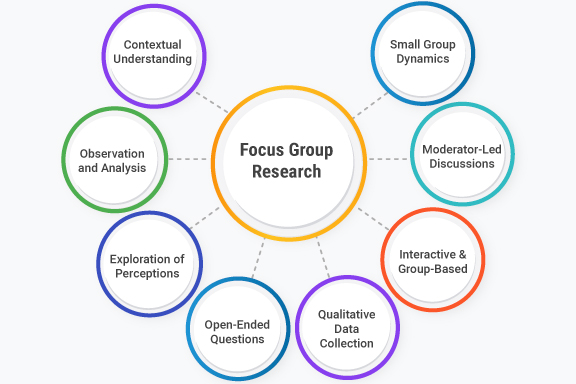
Key Highlights
- Structured Approach: Clear planning and question sequencing ensures robust data collection.
- Engaging and Open-ended Questions: Effective techniques stimulate participant interaction and insight.
- Adaptability: Flexibility in the guide supports both structured inquiry and spontaneous contributions.
Understanding the Topic Guide Instrument
In group research, particularly in settings such as focus groups or collaborative interviews, a topic guide is a critical instrument which assists the facilitator in steering the discussion. Its primary aim is to ensure that all key areas relevant to the research question are covered while encouraging spontaneous and rich contributions from participants. This instrument is not merely a list of questions; it also provides a framework for managing the group dynamics and keeping the conversation aligned with the objectives.
The document link presented suggests that a structured, systematic approach is already in use within research on educational settings. In contexts like the Grade 11 Cookery studies in Carigara National Vocational School, similar principles apply: a well-constructed guide helps in evaluating specific performance indicators, such as practical cooking skills, and capturing participants' personal insights.
Components of a Topic Guide Instrument
A comprehensive topic guide instrument, especially for group discussions, generally consists of several key sections. These sections are designed to build rapport with the participants, gather background information, delve into core topics, and finally, summarize and close the session. Detailed below are the multiple components that contribute to an effective topic guide:
1. Introduction
The introduction sets the stage for the discussion. It is critical to start by briefly introducing yourself as the facilitator and explaining the purpose of the research. Clarifying the objectives helps to create a comfortable environment where participants understand the value of their input. During this phase, it’s also important to:
- Outline the topics to be covered.
- Explain the format and expected duration of the session.
- Encourage an open and honest dialogue, assuring participants there are no right or wrong answers.
- Discuss issues of confidentiality if needed to build trust.
2. Ice Breaker/Warm-up Session
Before delving into the core topics, an engaging warm-up or ice breaker activity is crucial. This helps relax the group and fosters a comfortable atmosphere for sharing ideas. A few minutes spent on light conversation, such as sharing personal interests or fun facts, can ease initial hesitations and set a collaborative tone.
3. Background and Context Exploration
This section helps gather essential background information from participants. It involves questions that ask about their previous experiences, current context related to the topic, and any relevant personal or group dynamics. By encouraging storytelling or reflective responses, the facilitator can gain insights into the factors influencing participants' perspectives.
4. In-depth Discussion on Key Topics
The core of the topic guide is the segment dedicated to exploring the main objectives of the research. Here, the guide should:
- Incorporate open-ended questions that invite detailed responses and personal insights.
- Present prompts and scenarios to help participants envision or describe behaviors and attitudes related to the subject.
- Utilize comparative questions where appropriate (e.g., comparing different approaches or experiences).
- Allow for follow-up questions based on participants’ answers, adding spontaneity to the structured guide.
5. Transition and Summarization
As the discussion wraps up, it is important to provide clear transitions out of the topic areas. This phase involves summarizing key points noted during the discussion and inviting closing remarks from participants. This ensures that all major points are captured accurately.
6. Conclusion and Acknowledgement
Conclusively, thank all participants for their time and insights. Remind them of the next steps if applicable, such as how the information will be used, or when they might receive further feedback. Additionally, this session can serve as a moment to schedule any follow-up sessions if needed.
Detailed Table of Topic Guide Components
| Section | Description | Purpose |
|---|---|---|
| Introduction | Facilitator introduction, explanation of purpose, session overview, confidentiality briefing. | Establishes trust and clarity about research goals. |
| Ice Breaker/Warm-up | Simple, engaging activities to encourage participant comfort. | Reduces barriers and eases group dynamics. |
| Background Exploration | Questions to understand participants’ histories, experiences, and context. | Provides essential context that influences perceptions. |
| In-depth Discussion | Open-ended and targeted questions probing core research areas. | Generates detailed insights and fosters rich discussion. |
| Transition and Summarization | Recap of key discussion points and smooth transition to closure. | Ensures clarity and reinforcing of collected data. |
| Conclusion | Acknowledgement of contributions and outlining further steps. | Closes the session on a positive note and paves the way for future engagement. |
Best Practices and Recommendations for a Topic Guide Instrument
When designing and utilizing a topic guide instrument for group discussions, consider the following best practices to maximize the efficiency and effectiveness of your research instrument:
Clarity and Precision in Question Design
The success of a topic guide instrument is largely dependent on the clarity of its questions. Questions should be framed in a manner that they are easily understandable by the target group. It is advisable to avoid jargon or ambiguous terms. Direct and straightforward inquiries help in reducing misunderstandings and allow participants to provide their genuine perspectives without needing additional explanations.
Including prompts for elaboration can also guide participants towards providing detailed responses. For example, after posing a question about their personal experience with a specific topic, a follow-up question asking them to elaborate on how that experience influenced their views can enrich the dialogue.
Balancing Structure with Flexibility
While the topic guide serves as a structured roadmap for the session, it must also retain an element of flexibility. A rigid adherence to the script might stifle organic conversation and the emergence of novel insights. Effective facilitators adapt by:
- Probing deeper when an interesting topic arises unexpectedly.
- Allowing natural conversation flow and enabling participants to build on each other's ideas.
- Adjusting the order and phrasing of questions based on group dynamics.
This dynamic approach ensures that the guide remains a living document, evolving during the session to better capture the subtleties of participant feedback.
Ensuring Inclusivity and Engagement
Inclusivity is a cornerstone of effective group research. The topic guide should be designed to encourage input from all participants regardless of their background or experience level. To foster this environment, consider:
- Using questions that invite opinions rather than yes/no answers.
- Incorporating activities that ensure equal participation, such as round-robin sharing or small-group discussions.
- Being mindful of group dynamics to avoid domination by a few individuals.
Moreover, it is beneficial to periodically check in with participants, asking for clarifications or additional opinions if a particular point seems under-discussed.
Pilot Testing for Continuous Improvement
Before rolling out the topic guide in a full-scale study, conducting a pilot test can be invaluable. A pilot session with a smaller subset of the target group enables researchers to identify ambiguous questions, gauge session timings, and assess overall engagement. Feedback from the pilot phase can then be used to refine the instrument, ensuring higher accuracy and effectiveness in capturing the desired data during the actual research.
Examples of Topic Guide Usage in Practice
In practical scenarios, institutions and researchers gravitate towards thoroughly tested topic guide instruments to facilitate group discussions in various fields. For instance, the study on the cooking skills development of Grade 11 students in Carigara National Vocational School employs such a strategy. The systematic approach of using questionnaires along with guided discussions reflects the benefits of having a robust instrument. Similar instruments are used in fields ranging from social sciences to market research where focus group discussions are instrumental in gathering qualitative insights.
When using such instruments, it is common to include sections that not only extract factual responses but also capture emotional and experiential narratives. This hybrid use of structured and open-ended questions is essential in ensuring that the breadth and depth of participant responses are both achieved.
Key Considerations for Implementing a Topic Guide
Target Audience and Group Dynamics
The audience for the group discussions significantly influences the design of the topic guide. Research instruments must be tailored to the language, cultural context, and prior experiences of the participants. For instance, when working with students or groups with specific vocational skills, the questions should be relevant to their everyday experiences and professional training. This contextual alignment not only enhances both the relevance and the engagement during the session but also improves the reliability of the gathered data.
Sequencing and Flow of Questions
An effective topic guide is characterized by a logical progression from general, easy-to-answer questions to more challenging or provocative topics. Beginning with an introduction and ice breaker, the flow should naturally shift into background discussions before moving into the depth-oriented sections. Proper sequencing minimizes participant fatigue and keeps discussions flowing fluidly from one subject area to another.
Documentation and Follow-up
It is crucial to have reliable means of documentation during the session. Whether through note-taking or audio recording (with participant consent), accurately capturing the conversation ensures that the nuanced insights are not lost. Additionally, transforming the collected data into actionable insights often involves a follow-up phase where recurring themes are identified, and any ambiguous responses may be clarified in subsequent discussions.
An Integrated Implementation Strategy
To sum up, the topic guide instrument for group research is a multifaceted tool which, when designed and executed properly, can yield comprehensive insight into the research topic. Implementing a topic guide entails:
- Defining clear research objectives and understanding participant demographics.
- Creating a structured yet adaptable document with clear introductory remarks, dynamic warm-up activities, and well-organized in-depth discussion points.
- Ensuring inclusivity and fostering open dialogue through carefully crafted, non-leading questions.
- Pilot testing the instrument for continuous improvement and ensuring that all team members are adequately trained in its usage.
- Documenting and analyzing the discussion outputs to draw meaningful conclusions related to the research focus.
This integrated implementation strategy not only improves the quality of data collection but also enhances participant engagement, resulting in richer, more actionable insights for researchers.
References
- Choosing and Reviewing - Research Instruments - US University
- What is a Research Instrument (With Examples)? - My Private PhD
- Research Instruments: Overview - UT Health San Antonio
- Finding Tests & Measurement Instruments - University of Michigan
- Finding Research Instruments - University of Connecticut
Recommended Queries for Further Exploration
 s3.amazonaws.com
Last updated March 13, 2025