
Unlocking the Secrets of Total Immunoglobulin E: Your Body's Allergy Sentinel?
Dive deep into what your total IgE levels reveal about allergies, infections, and your immune system's intricate workings.
Immunoglobulin E (IgE) is a fascinating and crucial antibody, playing a significant role in your body's immune responses. While present in much smaller quantities than other immunoglobulins, its impact, particularly concerning allergic reactions and parasitic defense, is substantial. Understanding "total IgE" involves looking at the overall concentration of these antibodies in your bloodstream, offering valuable insights, though not always a definitive diagnosis on its own.
Quick Insights: Key Takeaways on Total IgE
- Allergy & Parasite Connection: Elevated total IgE levels are commonly associated with allergic conditions (like asthma, hay fever, and eczema) and parasitic infections, as IgE is a key player in these immune responses.
- Age Matters for "Normal": What's considered a normal total IgE level significantly varies with age, generally increasing throughout childhood and stabilizing in adolescence/adulthood. Lab-specific ranges also apply.
- Not a Standalone Diagnostic: While a total IgE test provides useful information, it's rarely used in isolation for diagnosis. Clinical symptoms, medical history, and often allergen-specific IgE tests are needed for a complete picture.
Decoding Immunoglobulin E (IgE)
What Exactly is IgE?
Immunoglobulin E (IgE) is one of the five main classes of antibodies (along with IgG, IgA, IgM, and IgD) produced by the immune system's plasma cells in mammals. It is characterized by its epsilon (ε) heavy chain and exists as a monomer, meaning it's a single Y-shaped unit. Despite being the least abundant antibody isotype in human serum—comprising less than 0.001% of total immunoglobulins in healthy individuals—IgE wields considerable power in specific immune scenarios.
Its primary claim to fame lies in its central role in mediating type I hypersensitivity reactions, which are the immediate allergic responses we see in conditions like allergic asthma, allergic rhinitis (hay fever), food allergies, and atopic dermatitis (eczema). Furthermore, IgE is crucial in the body's defense mechanisms against parasitic infections, particularly those caused by helminths (worms).

Conceptual depiction of an Immunoglobulin E (IgE) antibody.
The Total IgE Test: A Broad Overview
A "total IgE test" measures the overall concentration of all IgE antibodies circulating in your blood. It doesn't differentiate between IgE antibodies targeted against specific allergens (like pollen or dust mites) versus those that might be elevated for other reasons. The results are typically reported in international units per milliliter (IU/mL) or kilounits per liter (kU/L).
This test serves as a general indicator and can be a piece of the puzzle when investigating potential allergic diseases, parasitic infections, or certain immune system dysfunctions. However, it's important to remember that it's a non-specific marker.
Normal Total IgE Levels: A Shifting Landscape
Age-Dependent Variations
One of the most critical aspects of interpreting total IgE levels is recognizing their significant variation with age. Generally, IgE levels are very low at birth, gradually rise throughout childhood, peak during adolescence, and then tend to stabilize or slightly decline in adulthood. Laboratory reference ranges will also differ, so results are always interpreted against the specific lab's normal values.
Typical Age-Specific Reference Ranges for Total IgE
The following table provides a general guide to typical normal total IgE levels across different age groups. It's essential to consult with a healthcare provider for interpretation, as individual variations and specific laboratory ranges are key.
| Age Group | Typical Normal Range (IU/mL) |
|---|---|
| Infants (less than 1 year) | 0 – 15 |
| Children (1–5 years) | 0 – 60 |
| Older Children (6–9 years) | 0 – 90 |
| Adolescents (10–15 years) | 0 – 200 |
| Adults (15 years and older) | 0 – 100 (some labs may go up to 114 IU/mL, 150 IU/mL, or even higher for upper limit) |
Note: These are general ranges. Specific laboratory reference values may vary. IU/mL is often interchangeable with kU/L in some contexts or through conversion.
The Mechanism: How IgE Exerts Its Effects
IgE antibodies perform their functions by binding with high affinity to specific receptors called FcεRI (Fc epsilon R1) found on the surface of mast cells and basophils. These immune cells are strategically located in tissues like the skin, respiratory tract, and digestive system – common sites of allergic reactions.
When an individual is exposed to an allergen (e.g., pollen, dust mite, a food protein) to which they have been previously sensitized, this allergen binds to the IgE antibodies already attached to these mast cells and basophils. This binding causes cross-linking of multiple IgE-FcεRI complexes on the cell surface. This cross-linking is the trigger that activates the cells, causing them to degranulate – rapidly releasing a potent cocktail of pre-formed and newly synthesized inflammatory mediators. These mediators include:
- Histamine: Causes itching, vasodilation (leading to redness and swelling), increased vascular permeability (leading to fluid leakage), and smooth muscle contraction (e.g., bronchoconstriction in the airways).
- Leukotrienes: Potent bronchoconstrictors, increase mucus secretion, and enhance vascular permeability. Their effects are more prolonged than histamine.
- Prostaglandins: Contribute to vasodilation, pain, and fever.
- Cytokines and Chemokines: Signaling molecules that recruit other immune cells to the site, amplifying the inflammatory response.
- Platelet-Activating Factor (PAF): Causes bronchoconstriction, increased vascular permeability, and platelet aggregation.
This cascade of events is responsible for the rapid onset of symptoms characteristic of allergic reactions, such as hives, swelling, sneezing, runny nose, itchy eyes, wheezing, and, in severe cases, anaphylaxis. In the context of parasitic defense, a similar IgE-mediated mechanism helps to expel parasites, often involving eosinophils as well.
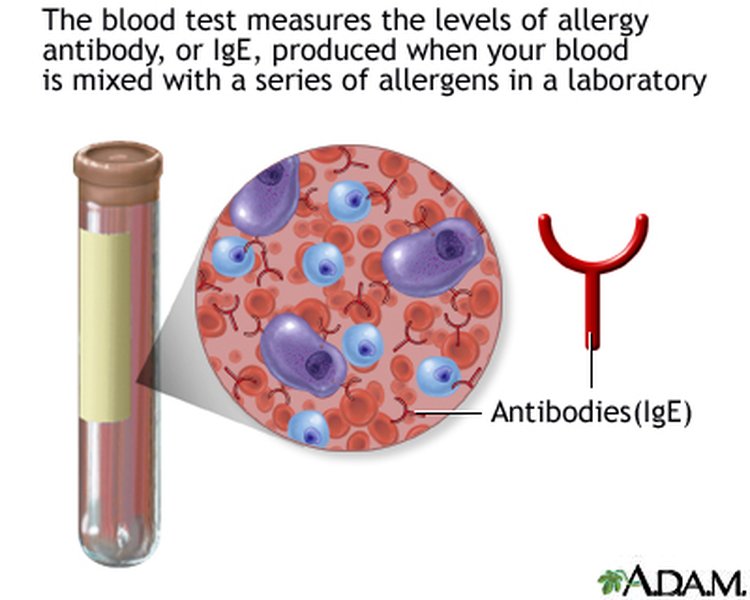
Illustration of allergen binding to IgE on a mast cell, leading to mediator release.
Clinical Significance: Interpreting Total IgE Levels
Elevated Total IgE: Potential Implications
Significantly elevated total IgE levels can be indicative of several underlying conditions. It's a signal that the immune system may be in a heightened state of response, particularly related to allergic or parasitic processes.
Common Associations with High Total IgE:
- Allergic Diseases: This is the most common reason for elevated total IgE. Conditions include:
- Allergic Asthma: Patients with allergic asthma, especially severe forms, often exhibit markedly high IgE levels. Mean IgE levels can range from around 100 IU/mL in mild asthma to over 1000 IU/mL in severe cases.
- Allergic Rhinitis (Hay Fever): Chronic inflammation of the nasal passages due to allergens.
- Atopic Dermatitis (Eczema): A chronic inflammatory skin condition often linked to allergies.
- Food Allergies: Immune responses to specific food proteins.
- Urticaria (Hives): Especially chronic spontaneous urticaria in some cases.
- Parasitic Infections: The body mounts an IgE response to combat infections by helminths (worms) and some protozoa. Elevated IgE is a hallmark of such infections.
- Allergic Bronchopulmonary Aspergillosis (ABPA): An allergic reaction in the lungs to the fungus Aspergillus fumigatus, often seen in individuals with asthma or cystic fibrosis.
- Primary Immunodeficiencies: Certain rare genetic immune disorders, such as Hyper-IgE Syndromes (e.g., Job's Syndrome), are characterized by extremely high IgE levels (often >2000 IU/mL) along with recurrent infections and other symptoms.
- Inflammatory Diseases: Some chronic inflammatory conditions can be associated with increased IgE.
- Malignancies: Rarely, certain cancers, like Hodgkin's lymphoma or IgE myeloma, can lead to elevated IgE.
Low or "Normal" Total IgE: What Does It Mean?
Very low total IgE levels (e.g., <2.5 kU/L) can sometimes help to rule out an allergy as the primary cause of symptoms, though this is not absolute. Some individuals with confirmed allergies, especially to a single or few allergens, might still have total IgE levels within the "normal" laboratory range. This is because their IgE elevation is specific to particular allergens, and this specific IgE might not be enough to raise the *total* IgE significantly above the general population average.
Therefore, a normal total IgE level does not definitively exclude the presence of an allergic condition if clinical suspicion is high. In such cases, allergen-specific IgE tests are more informative.
Limitations of Total IgE Testing
While useful, the total IgE test has its limitations:
- Non-Specific: An elevated total IgE indicates an increased overall level of this antibody but doesn't identify the specific trigger(s). Many factors besides allergy can raise IgE.
- Not Solely Diagnostic: A high total IgE level alone is not sufficient to diagnose an allergic disease. It must be interpreted in conjunction with the patient's clinical history, symptoms, age, potential exposures, family history, and often other diagnostic tests like allergen-specific IgE tests or skin prick tests.
- "Normal" Doesn't Rule Out Allergy: As mentioned, individuals with genuine allergies can have total IgE levels within the normal range.
Visualizing IgE Levels: A Comparative Overview
The following radar chart provides a hypothetical illustration of how total IgE levels might compare across different conditions. It's important to note that these are generalized representations and actual IgE levels can vary greatly among individuals even within the same condition. The purpose is to visually conceptualize the relative differences often observed. The values are expressed in International Units per milliliter (IU/mL).
Hypothetical comparison of Total IgE levels across various states.
This chart visualizes how conditions like parasitic infections or severe asthma can be associated with markedly higher total IgE levels compared to a healthy baseline or milder allergic conditions. Hyper-IgE Syndrome represents an extreme example of IgE elevation due to genetic factors.
When is Total IgE Testing Recommended?
A healthcare provider might order a total IgE test in several situations:
- Initial Allergy Screening: As a preliminary test when a patient presents with symptoms suggestive of an allergic disorder (e.g., chronic hives, persistent eczema, asthma-like symptoms).
- Investigating Parasitic Infections: If a parasitic infection is suspected, particularly in individuals with relevant travel history or symptoms.
- Evaluating Certain Immune Disorders: To aid in the diagnosis of conditions like Hyper-IgE Syndromes or other immunodeficiencies where IgE levels are characteristically altered.
- Assessing Suitability for Anti-IgE Therapy: For patients with severe allergic asthma, total IgE levels are measured to determine eligibility for treatment with medications like omalizumab (an anti-IgE monoclonal antibody). Omalizumab dosing is often based on pre-treatment IgE levels (typically within a range like 30-700 kU/L, though specific criteria apply).
- Monitoring Disease Activity or Treatment Response: In some specific conditions, changes in total IgE might be tracked over time, although this is less common than using it for initial assessment.
The blood sample for a total IgE test is typically drawn via a standard venipuncture. Results are usually available within a few business days after the laboratory receives the sample.
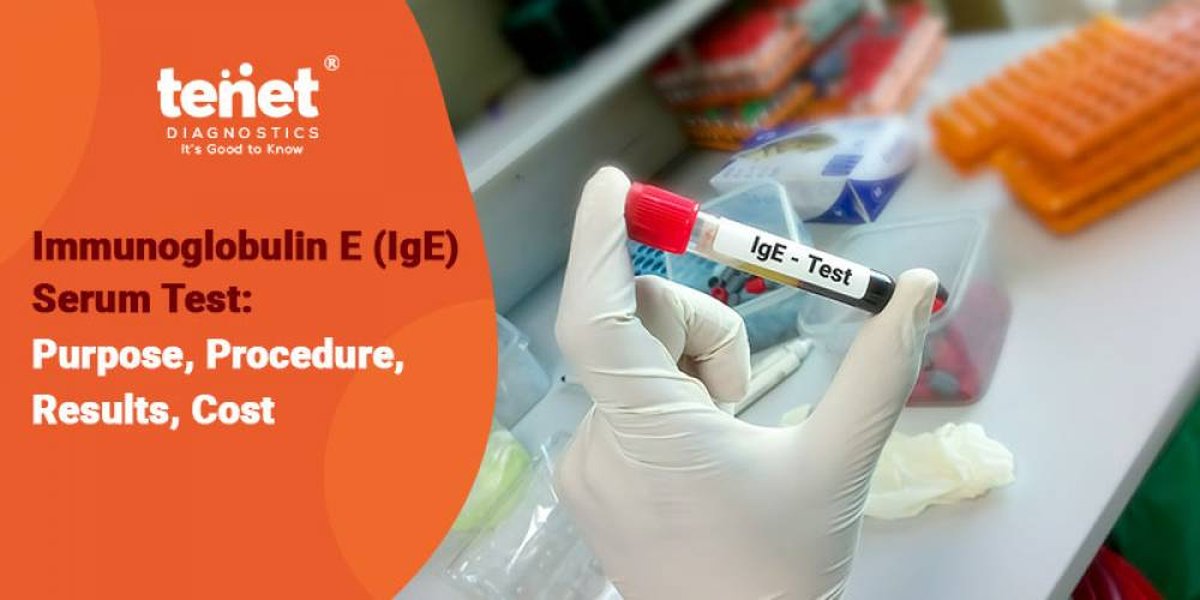
Total IgE levels are determined through a laboratory analysis of a blood sample.
Understanding Total IgE: A Mindmap Overview
To consolidate the key aspects of Total Immunoglobulin E, the mindmap below offers a structured visual summary. It outlines the definition, factors influencing levels, its functions, and the implications of testing.
Asthma, Rhinitis, Eczema, Food Allergy"] id5a2["Parasitic Infections"] id5a3["Allergic Bronchopulmonary Aspergillosis (ABPA)"] id5a4["Primary Immunodeficiencies (e.g., Hyper-IgE Syndrome)"] id5a5["Some Inflammatory Diseases & Malignancies (Rare)"] id5b["Low or Normal IgE"] id5b1["Very Low: May help rule out allergy"] id5b2["Normal: Does NOT exclude allergy
(Specific IgE may still be present)"] id6["Interpretation Considerations"] id6a["Context is Key: Symptoms, History"] id6b["Often used with Allergen-Specific IgE Tests"] id6c["Not a Standalone Diagnostic Tool"]
This mindmap highlights the multifaceted nature of total IgE, from its basic immunological properties to its complex role in health and disease diagnostics.
Exploring IgE Further: Video Insights
The video below provides a concise explanation of Immunoglobulin E (IgE) blood tests, focusing on what high IgE levels might signify. It offers a helpful overview for individuals seeking to understand this aspect of their immune health and allergy diagnostics.
This video discusses how IgE antibodies are involved in allergic responses and what clinicians might consider when interpreting elevated IgE results. It touches upon the connection between IgE and conditions like allergies and parasitic infections, reinforcing that while a high total IgE is an important clue, it's part of a larger diagnostic picture that includes symptoms and potentially other tests to identify specific allergens or causes.
Frequently Asked Questions (FAQ) about Total IgE
What does a very high total IgE level (e.g., over 1000 IU/mL) usually mean? +
Very high total IgE levels (often considered >1000 IU/mL, but can be much higher) are strongly suggestive of significant allergic sensitization, severe atopic diseases like extensive eczema or severe asthma, parasitic infections, or rarer conditions like Allergic Bronchopulmonary Aspergillosis (ABPA) or Hyper-IgE Syndromes. A thorough clinical evaluation is necessary to determine the underlying cause.
Can my total IgE be normal if I still have allergies? +
Yes, it's possible. Some individuals with confirmed allergies, particularly if they are sensitive to only one or a few allergens, may have total IgE levels within the normal laboratory range. In these cases, allergen-specific IgE tests (which measure IgE against individual allergens like specific pollens, foods, or dust mites) are more useful for diagnosis. Clinical symptoms are also paramount.
Is the total IgE test the same as an allergy skin test? +
No, they are different. The total IgE test measures the overall amount of IgE antibodies in your blood. An allergy skin test (skin prick test) involves applying small amounts of specific allergens to the skin and observing for a localized allergic reaction (like a welt or redness), which indicates sensitization to those particular allergens. Both can be part of an allergy evaluation, but they provide different types of information.
How long do total IgE test results take? +
The turnaround time for total IgE test results typically ranges from a few business days to about a week, depending on the specific laboratory and their processing schedule. Your healthcare provider will inform you when to expect the results.
Can lifestyle factors affect my total IgE levels? +
While direct causality is complex, factors like exposure to allergens, pollutants, smoking, stress, and diet can influence the immune system and potentially impact IgE production or allergic responses. Chronic exposure to allergens in a sensitized individual will likely keep IgE levels elevated. However, genetics play a significant role in the predisposition to develop allergies and high IgE levels.
Recommended Further Exploration
To deepen your understanding of related topics, consider exploring these queries:
- What is the difference between allergen-specific IgE testing and total IgE measurement?
- What are the primary symptoms and diagnostic criteria for Hyper IgE Syndromes?
- How does omalizumab work to treat allergic conditions, and what are its common uses?
- How does Immunoglobulin E contribute to the immune defense against parasitic infections?
References
Last updated May 9, 2025