
Research Hypothesis of Tourism Potential in Kavrepalanchok District
Unveiling the Untapped Treasures of Kavrepalanchok for Sustainable Tourism Growth
Key Takeaways
- Rich Cultural Heritage: Kavrepalanchok District boasts a diverse cultural landscape with numerous historical and religious sites.
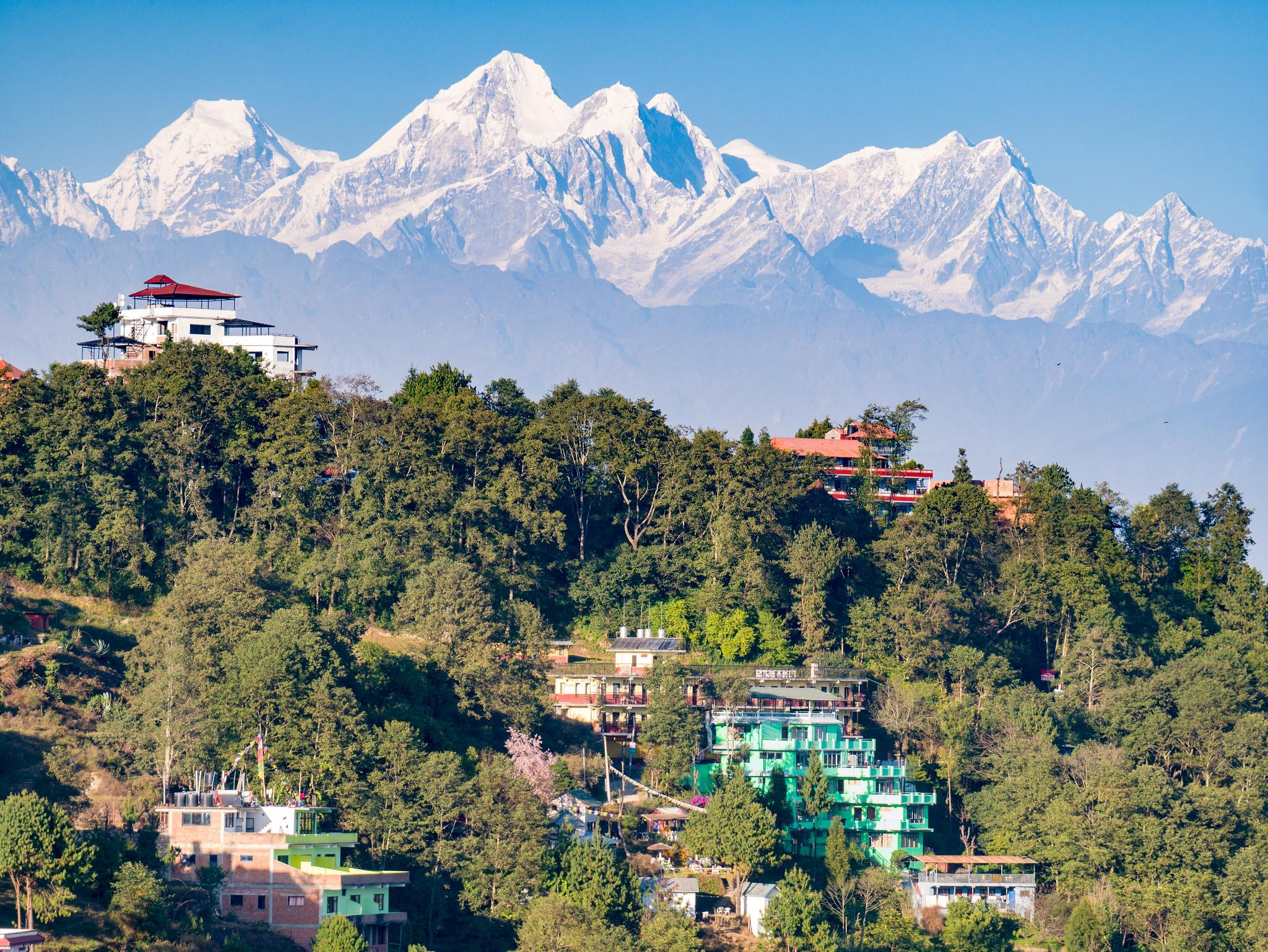
- Strategic Geographical Location: Proximity to Kathmandu and panoramic Himalayan views enhance accessibility and attractiveness.
- Sustainable Development Opportunities: Enhancing infrastructure and community involvement can significantly boost tourism while preserving local ecosystems.
Introduction
Kavrepalanchok District, located in the Bagmati Province of Nepal, presents a unique blend of cultural richness and natural beauty. Positioned strategically southeast of Kathmandu, it offers panoramic views of the Himalayan ranges, including Annapurna, Ganesh Himal, Langtang, and Gaurishankar. This combination of accessibility and scenic allure makes Kavrepalanchok a promising candidate for sustainable tourism development. This research hypothesis explores the multifaceted tourism potential of Kavrepalanchok District, aiming to identify key factors that can be harnessed to promote both domestic and international tourism while ensuring economic benefits for local communities.
Cultural and Historical Richness
Diverse Cultural Heritage
Kavrepalanchok is renowned for its harmonious blend of ethnic groups, including Tamangs, Brahmins, Chhetris, and Newars. This cultural diversity is manifested in various festivals, traditions, and architectural styles, making the district a vibrant cultural hub. Historical sites such as Dhulikhel, Panauti, Banepa, and Chandeni Mandan are testament to the region's rich heritage. These sites not only attract tourists interested in history and culture but also offer opportunities for developing cultural tourism initiatives.
Pilgrimage Tourism
The presence of significant religious landmarks like Namobuddha Monastery underscores the potential for pilgrimage tourism. Namobuddha, a sacred Buddhist site, attracts pilgrims from across Nepal and abroad, contributing to the district's spiritual tourism appeal. Developing and promoting pilgrimage trails can further enhance this sector, providing meaningful experiences for spiritual seekers while supporting local economies.
Natural Attractions and Geographic Advantages
Scenic Landscapes and Biodiversity
Kavrepalanchok's diverse topography, comprising valleys and hills, offers a range of activities for nature enthusiasts. The Indravati River and Thamdanda are notable for their scenic beauty and opportunities for hiking and eco-tourism. The district is home to a rich biodiversity, including 72 bird species with a significant number of migratory birds, making it an attractive destination for bird watchers and ecotourists.
Panoramic Himalayan Views
The strategic location of Kavrepalanchok provides visitors with breathtaking 180-degree views of the Himalayan ranges. This visual appeal not only enhances the tourist experience but also adds a distinctive edge to the district's tourism offerings. The ability to offer such vistas with relatively easy access from Kathmandu positions Kavrepalanchok as a prime destination for both short-term and long-term tourists.
Infrastructure and Accessibility
Transportation Networks
Accessibility is a critical factor in tourism development. Kavrepalanchok's proximity to Kathmandu, approximately 30 kilometers away, makes it easily reachable for both domestic and international tourists. However, improving road networks and transportation facilities is essential to facilitate smoother travel within the district. Enhanced infrastructure will not only increase tourist inflow but also improve the overall visitor experience.
Accommodation and Amenities
The availability of quality accommodation and amenities plays a significant role in attracting and retaining tourists. Developing a range of lodging options, from budget-friendly accommodations to luxury resorts, can cater to diverse tourist preferences. Additionally, establishing visitor centers and ensuring the availability of essential services will enhance the district's appeal as a tourist-friendly destination.
Community Involvement and Sustainable Development
Local Community Engagement
Active involvement of local communities in tourism planning and management is crucial for sustainable development. Initiatives such as homestay programs and community-led cultural events can provide economic opportunities for residents while preserving local traditions and fostering a sense of ownership over tourism resources. Empowering local communities ensures that tourism benefits are equitably distributed and that development efforts align with the community's values and needs.
Sustainable Tourism Practices
Implementing sustainable tourism practices is essential to minimize the environmental impact of tourism activities. This includes promoting eco-friendly accommodations, responsible waste management, and conservation of natural habitats. Sustainable practices not only protect the district's natural and cultural resources but also enhance the long-term viability of tourism as a key economic driver.
Economic Impact of Tourism
Income Generation and Employment
Tourism has the potential to significantly boost the local economy by creating employment opportunities and generating income for residents. From hospitality jobs to opportunities in transportation, guiding, and retail, the tourism sector can provide diverse employment avenues. Increased tourist spending also supports local businesses and encourages the growth of related industries, contributing to overall economic development.
Investment and Infrastructure Development
Growth in tourism can attract investment into the district, leading to the development of better infrastructure and services. Investments in roads, utilities, and public facilities not only benefit tourists but also improve the quality of life for local residents. Enhanced infrastructure can further facilitate economic activities beyond tourism, fostering a more resilient and diversified local economy.
Research Hypotheses
Primary Hypothesis
The development and promotion of tourism infrastructure and cultural events in Kavrepalanchok District will significantly enhance its tourism potential, leading to increased tourist arrivals and economic benefits for local communities.
Supporting Hypotheses
-
Resource Utilization Hypothesis: The abundance of natural and cultural resources in Kavrepalanchok significantly enhances its tourism potential.
-
Infrastructure and Accessibility Hypothesis: Improved tourism-related infrastructure and better accessibility lead to increased tourist inflows and higher visitor satisfaction.
-
Community Involvement Hypothesis: Active involvement of local communities in tourism planning and management fosters sustainable tourism practices and contributes to local economic growth.
-
Destination Branding Hypothesis: Effective destination branding and integrated marketing strategies significantly boost the visibility of Kavrepalanchok, increasing tourist arrivals.
-
Economic Impact Hypothesis: Tourism development has a substantial positive effect on the economic well-being of local communities in Kavrepalanchok.
Challenges and Strategic Imperatives
Implementation Challenges
Despite the evident potential, tourism development in Kavrepalanchok faces several challenges. Implementation of tourism projects has been hindered by factors such as inadequate infrastructure, bureaucratic hurdles, and limited investment. Addressing these challenges requires coordinated efforts between government bodies, private sectors, and local communities to streamline project execution and ensure sustainable growth.
Strategic Planning and Collaboration
Effective strategic planning is essential for overcoming developmental barriers. This involves comprehensive needs assessments, resource mapping, and stakeholder engagement to formulate actionable plans. Additionally, fostering inter-governmental collaboration can enhance the efficiency of tourism initiatives, ensuring that projects are aligned with broader economic and social objectives.
Table: Key Factors Influencing Tourism Potential in Kavrepalanchok District
| Factor | Description | Impact on Tourism |
|---|---|---|
| Cultural Heritage | Diverse ethnic groups and historical sites | High – Attracts cultural and historical tourists |
| Natural Landscapes | Scenic views, rivers, and biodiversity | High – Appeals to nature enthusiasts and eco-tourists |
| Accessibility | Proximity to Kathmandu and transportation infrastructure | Medium – Facilitates ease of travel for visitors |
| Infrastructure | Accommodation, amenities, and roads | High – Enhances overall tourist experience |
| Community Engagement | Local involvement in tourism initiatives | Medium – Promotes sustainable and inclusive tourism |
| Marketing and Branding | Promotion strategies and destination branding | Medium – Increases visibility and attracts more tourists |
Methodology for Testing Hypotheses
Data Collection
To empirically test the proposed hypotheses, a mixed-methods approach will be employed. Quantitative data will be gathered through surveys targeting both tourists and local residents to assess perceptions, satisfaction levels, and economic impacts. Qualitative data will be collected via interviews and focus groups with stakeholders such as tourism operators, government officials, and community leaders to gain deeper insights into the challenges and opportunities in tourism development.
Data Analysis
Quantitative data will be analyzed using statistical methods to identify significant relationships between variables such as infrastructure development and tourist inflow. Qualitative data will undergo thematic analysis to extract recurring themes and patterns related to community involvement, sustainable practices, and marketing effectiveness. Combining these analytical techniques will provide a comprehensive understanding of the factors influencing Kavrepalanchok's tourism potential.
Expected Outcomes
Enhanced Tourism Infrastructure
The research is expected to identify key areas where infrastructure improvements can yield significant benefits for tourism growth. This includes recommendations for upgrading transportation networks, expanding accommodation facilities, and developing visitor amenities that cater to diverse tourist needs.
Strategic Marketing and Branding Initiatives
Insights from the study will inform the development of effective marketing and branding strategies tailored to highlight Kavrepalanchok's unique attractions. This could involve creating targeted campaigns that showcase the district's cultural heritage, natural beauty, and spiritual landmarks to attract a broader audience.
Sustainable Economic Benefits
By fostering sustainable tourism practices and ensuring active community involvement, the research aims to demonstrate how tourism can contribute to long-term economic growth in Kavrepalanchok. This includes increased income generation, job creation, and enhanced living standards for local residents, thereby reducing migration and promoting regional stability.
Conclusion
The tourism potential of Kavrepalanchok District is underscored by its rich cultural heritage, stunning natural landscapes, and strategic location. By addressing infrastructural challenges, engaging local communities, and implementing sustainable development practices, Kavrepalanchok can position itself as a premier tourism destination in Nepal. This research hypothesis provides a framework for exploring the various dimensions of tourism potential, offering actionable insights that can drive economic growth and community well-being in the region.
References
Last updated February 13, 2025