
Tourism Potential of Kavrepalanchok District
Exploring the Rich Tapestry of Nature, Culture, and Adventure in Nepal
Key Takeaways
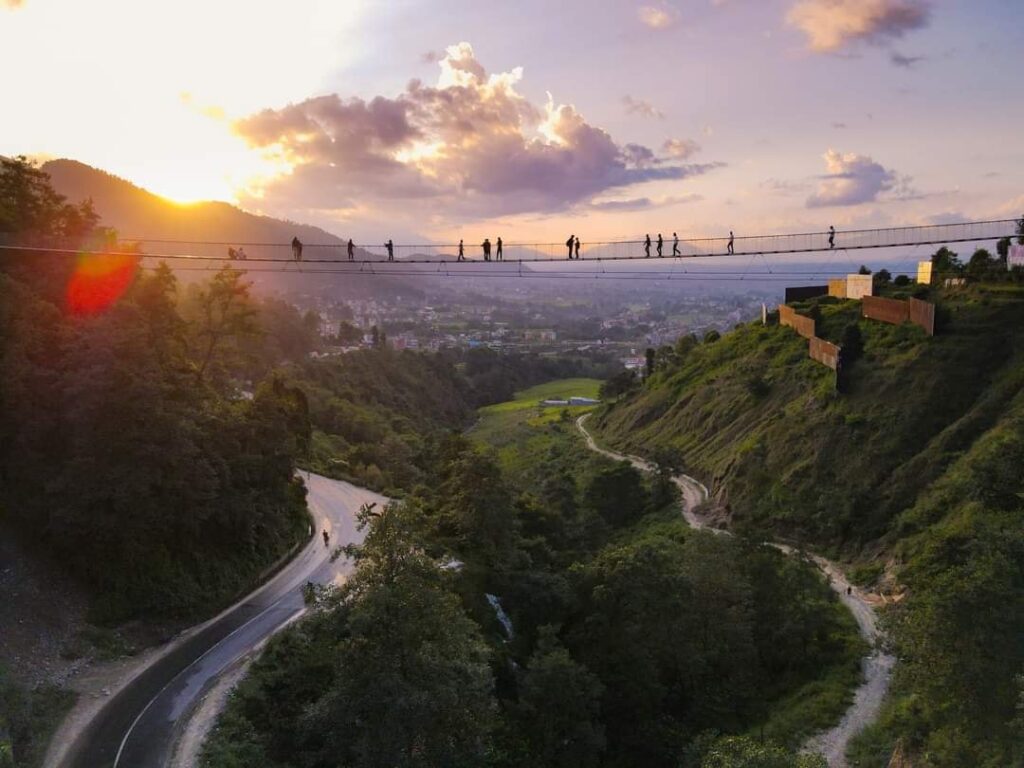
- Diverse Landscapes: Kavrepalanchok District offers a harmonious blend of plains, hills, and rugged terrains, making it a versatile destination for various types of tourists.
- Rich Cultural Heritage: The district is home to numerous historical sites, temples, and festivals that showcase its deep-rooted cultural and religious traditions.
- Growing Tourism Infrastructure: With increasing investments in accommodations and trekking routes, Kavrepalanchok is steadily enhancing its appeal to both domestic and international visitors.
Overview
Geographic Diversity
Kavrepalanchok District, located in the Bagmati Province of Nepal, spans an area of approximately 1,396 square kilometers. Situated about 30 kilometers southeast of Kathmandu, the district boasts a varied geographical landscape that includes Terai plains, lush valleys, terraced agricultural fields, and the rugged terrains of the Mahabharat range. This diversity not only enhances the district's aesthetic appeal but also supports a wide range of biodiversity, making it a haven for nature enthusiasts and eco-tourists.
Natural Attractions
The natural beauty of Kavrepalanchok is one of its most significant assets. The district offers panoramic views of several Himalayan peaks, including Annapurna, Ganesh Himal, Langtang, and Gaurishankar. Phulchowki Hill, the highest point in the Kathmandu Valley, provides breathtaking vistas of the surrounding mountains and is a popular spot for both local and visiting trekkers. Additionally, the region's rich biodiversity is evident in its avian population, with around 72 bird species inhabiting the area, including both resident and migratory species.
Cultural and Historical Heritage
Ancient Towns and Architecture
Kavrepalanchok is home to several historical towns that reflect Nepal's rich cultural heritage. Dhulikhel, for instance, is renowned for its traditional Newari architecture, which offers a glimpse into the region's historical urban development. Panauti Durbar Square is another significant site, featuring a complex of temples and palaces that date back centuries. The architectural styles here blend indigenous designs with influences from neighboring regions, creating a unique cultural mosaic.
Temples and Monasteries
The district houses numerous temples and monasteries that are pivotal to its spiritual landscape. Notable among these are the Namobuddha Monastery, a major Buddhist pilgrimage site, and the Palanchowk Bhagawati Temple, which attracts devotees from across the country. The Indreshwar Mahadev Temple and the Ladkeswor Temple in Panauti are celebrated for their intricate craftsmanship and historical significance, serving as important centers for religious activities and festivities.
Adventure and Eco-Tourism Opportunities
Trekking and Hiking
The topographical variety of Kavrepalanchok makes it an ideal destination for trekking and hiking enthusiasts. Trails leading to Thamdanda, the district's highest point, offer trekkers panoramic views of the surrounding landscapes, including the majestic Himalayan range. Short-circuit trekking routes such as Dhulikhel-Namobuddha-Sankhu-Panauti-Banepa are well-established, providing accessible yet rewarding hiking experiences for various skill levels.
Bird Watching and Biodiversity
With its rich biodiversity, Kavrepalanchok is a hotspot for bird watchers. The district supports a variety of bird species, both resident and migratory, making it an attractive location for ornithologists and nature lovers. The diverse habitats, ranging from wetlands to forested hills, provide ample opportunities for observing avian life in their natural environments.
Cultural Heritage Walks
Cultural heritage walks offer tourists the chance to explore the district's historical and cultural sites in an immersive manner. These walks typically include visits to ancient temples, traditional markets, and historical landmarks, providing insights into the local customs, traditions, and way of life. Such experiences not only enrich the visitor's understanding of the region but also promote the preservation of its cultural heritage.
Tourism Infrastructure and Accessibility
Accommodation
The tourism infrastructure in Kavrepalanchok is gradually expanding to accommodate the growing number of visitors. There is an increasing number of homestays, hotels, and resorts developing, particularly on hilltops, which offer stunning views and comfortable lodging options. These accommodations range from budget-friendly to luxury, catering to a diverse array of tourist preferences and budgets.
Transportation and Connectivity
Kavrepalanchok's strategic location near Kathmandu enhances its accessibility. Well-connected road networks facilitate easy travel to and from the capital, making the district an attractive option for both domestic and international tourists. The proximity to Kathmandu reduces travel time, thereby increasing the district's appeal as a convenient getaway destination.
Community Engagement and Local Economy
Community engagement plays a crucial role in the development of tourism in Kavrepalanchok. Initiatives such as the Cultural Peace Walk promote tourism while fostering a sense of community involvement and ownership. These programs not only enhance the tourist experience by providing authentic interactions with local residents but also contribute to the local economy by creating job opportunities and supporting local businesses.
Challenges and Opportunities
Infrastructure Development
Despite its tourism potential, Kavrepalanchok faces challenges related to infrastructure development. Political obstructions and delays in implementing tourism projects have hindered the district's ability to fully capitalize on its attractions. Additionally, inadequate facilities such as roads, signage, and tourist information centers need to be addressed to enhance the overall visitor experience.
Sustainable Tourism Practices
Emphasizing sustainable tourism practices is essential for the long-term viability of Kavrepalanchok's tourism sector. This includes developing eco-friendly accommodations, promoting responsible trekking, and ensuring the preservation of natural and cultural resources. Sustainable practices not only protect the environment but also ensure that tourism benefits are equitably distributed among the local population.
Strategic Marketing and Promotion
Effective marketing and promotional strategies are vital for elevating Kavrepalanchok's profile as a premier tourist destination. Targeted campaigns highlighting the district's unique attractions, cultural heritage, and adventure opportunities can attract a broader audience. Collaborations with travel agencies, online platforms, and tourism boards can amplify the district's visibility on both domestic and international stages.
Economic Growth and Community Initiatives
Investments in tourism infrastructure and strategic initiatives can drive economic growth in Kavrepalanchok. By promoting community-based tourism, the district can ensure that economic benefits reach local residents, thereby fostering sustainable development. Empowering communities through training and resources enables them to actively participate in and benefit from the tourism sector.
Key Attractions
| Attraction | Description | Highlights |
|---|---|---|
| Dhulikhel | An ancient town known for its traditional Newari architecture and stunning panoramic views of the Himalayas. | Historical buildings, scenic vistas, cultural festivals. |
| Namobuddha Monastery | A significant Buddhist pilgrimage site nestled in the hills, offering spiritual solace and architectural beauty. | Pilgrimage activities, meditation retreats, scenic trekking paths. |
| Panauti Durbar Square | A complex of temples and palaces that reflect the region's rich cultural and historical heritage. | Ancient temples, traditional crafts, cultural performances. |
| Phulchowki Hill | The highest point in the Kathmandu Valley, renowned for its biodiversity and panoramic mountain views. | Bird watching, hiking trails, sunset viewpoints. |
| Palanchowk Bhagawati Temple | A revered temple attracting devotees and tourists alike, known for its architectural grandeur. | Religious festivals, intricate carvings, cultural heritage. |
Tourism Experiences
Pilgrimage Tourism
Kavrepalanchok is a hub for pilgrimage tourism, with numerous religious sites that draw devotees from various parts of Nepal and abroad. Festivals such as the Chandeshwari Jatra and the Kumbha Mela of Panauti are major events that not only hold religious significance but also attract large numbers of visitors, thereby boosting the local economy and cultural exchange.
Hiking and Nature Exploration
The district's diverse terrains offer ample opportunities for hiking and nature exploration. Trekking routes like those leading to Thamdanda provide adventurers with challenging trails and rewarding views. Nature trails through lush forests and terraced fields allow visitors to immerse themselves in the region's natural beauty and biodiversity.
Cultural Heritage Walks
Cultural heritage walks are curated experiences that guide tourists through the historical and cultural landmarks of Kavrepalanchok. These walks typically include guided tours of ancient temples, traditional marketplaces, and historical buildings, offering insights into the district's rich cultural narrative and architectural heritage.
Emerging Tourism Infrastructure
Accommodation Options
As tourism in Kavrepalanchok continues to grow, so does the range of accommodation options available to visitors. The district is witnessing the development of homestays that offer authentic local experiences, alongside hotels and resorts that provide modern amenities. These accommodations are strategically located to offer scenic views and easy access to major attractions.
Development of Trekking Routes
The establishment of well-marked and maintained trekking routes has significantly enhanced the trekking experience in Kavrepalanchok. These routes cater to various levels of trekking expertise, ensuring that both novice and seasoned trekkers can explore the district's natural landscapes safely and enjoyably.
Local Hospitality and Services
The local population in Kavrepalanchok is known for its hospitality and friendliness towards tourists. Tourist-friendly services, including guided tours, transportation facilities, and information centers, are gradually improving, contributing to a more seamless and enjoyable visitor experience.
Sustainable Tourism Development
Environmental Conservation
Environmental conservation is a critical component of sustainable tourism in Kavrepalanchok. Efforts are being made to preserve the district's natural habitats and biodiversity through initiatives that promote eco-friendly practices among tourists and local businesses. Sustainable trekking practices, waste management systems, and conservation projects are integral to preserving the district's ecological balance.
Community-Based Tourism
Community-based tourism initiatives empower local residents by involving them directly in tourism activities. These initiatives provide opportunities for locals to showcase their culture, crafts, and traditions, fostering a sense of ownership and ensuring that the benefits of tourism are equitably distributed within the community.
Economic Impact
The development of tourism in Kavrepalanchok has a positive economic impact on the region. It creates employment opportunities, stimulates local businesses, and contributes to the overall economic growth of the district. By attracting tourists, Kavrepalanchok can enhance its economic resilience and reduce dependence on traditional industries.
Conclusion
Kavrepalanchok District stands out as a promising destination for tourism in Nepal, thanks to its rich combination of natural beauty, cultural heritage, and adventure opportunities. The district's diverse landscapes, from the Terai plains to the Mahabharat range, offer a plethora of attractions that cater to a wide range of interests. Historical towns like Dhulikhel and Panauti, along with significant religious sites, underscore the district's deep-rooted cultural legacy.
Moreover, the burgeoning tourism infrastructure, characterized by the development of homestays, hotels, and well-marked trekking routes, enhances the visitor experience and supports sustainable tourism practices. Community engagement initiatives ensure that tourism development is inclusive and beneficial to local residents, fostering economic growth and cultural preservation.
However, to fully realize its tourism potential, Kavrepalanchok must address challenges related to infrastructure development and political stability. Strategic investments in transportation, accommodation, and promotional activities are essential to elevate the district's status as a premier tourist destination comparable to renowned sites like Pokhara.
Emphasizing sustainable tourism practices will not only protect the district's natural and cultural resources but also ensure the long-term viability of its tourism sector. With concerted efforts in marketing, infrastructure enhancement, and community-based initiatives, Kavrepalanchok District is poised to significantly contribute to Nepal's regional development and cultural preservation.
References
Last updated February 13, 2025