
Optimizing Tournament Fairness: An Analysis
Understanding the impact of improved tournament structures
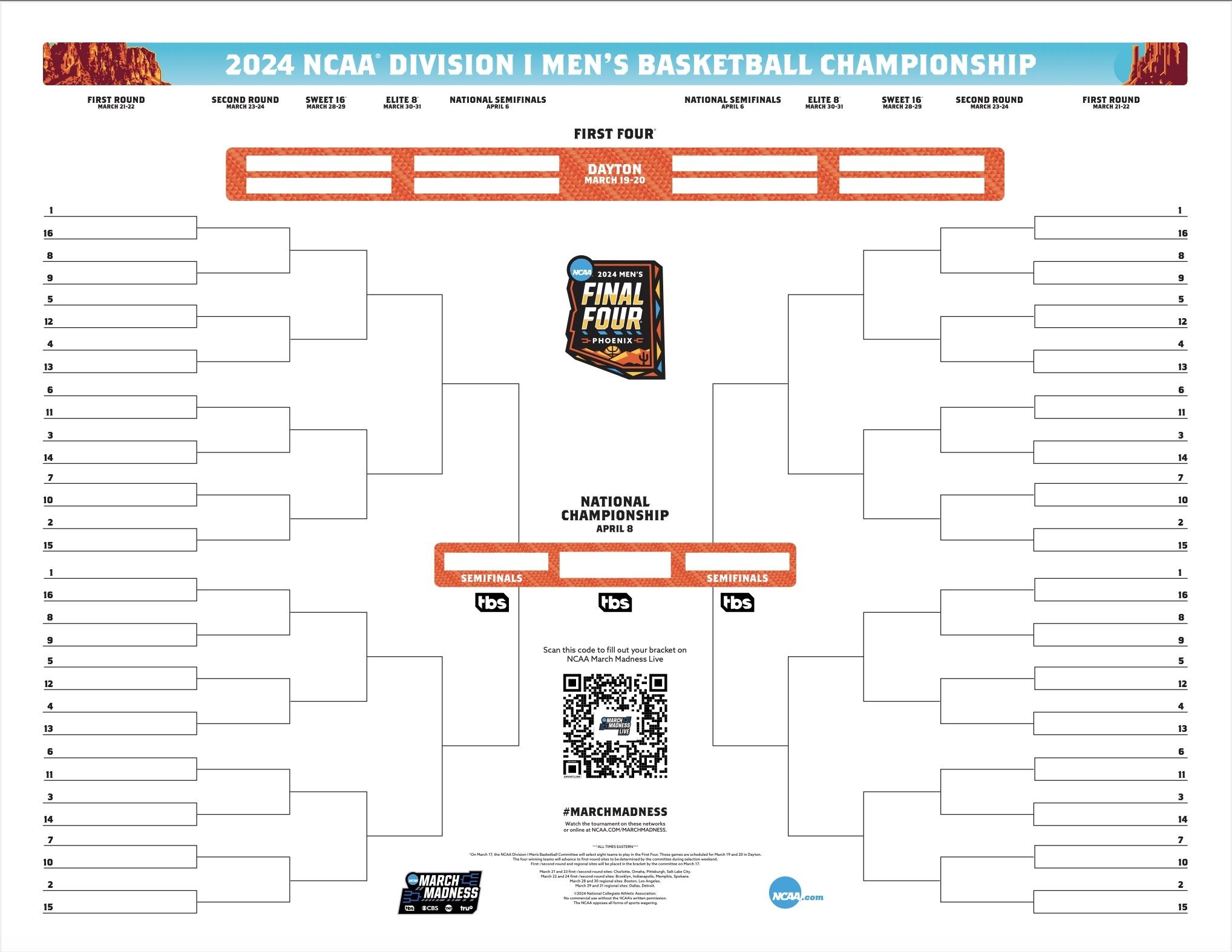
Highlights
- Tournament Organizers Benefit: Enhanced bracket design improves fairness and viewer engagement.
- Competitors and Teams: Fair structures allow skill-based advancement and reduce early elimination risks.
- Fans, Researchers, and Policy Makers: Transparent and exciting formats promote broader learning and regulatory insights.
Introduction
The study titled “Optimizing Tournament Fairness: An Analysis of Bracketing Systems” offers a comprehensive analysis of various tournament structures with an emphasis on fairness, competitive integrity, and overall engagement. Such studies are crucial as they critically evaluate how different tournament formats—whether it be single-elimination, double-elimination, round-robin, or hybrid systems—can be optimized to provide balanced and equitable environments where every participant’s skill is adequately rewarded.
Fair tournament designs are not just a theoretical interest; they have real-world applications across multiple sectors including traditional sports, esports, and competitive gaming. As the landscape of organized competitions evolves, understanding how these systems function and determining the most effective format has become increasingly essential. This ensures that all stakeholders—ranging from tournament organizers to players, fans, researchers, and policy makers—benefit from tournaments that accurately reflect the competitive abilities of the participants.
Stakeholders and Their Benefits
Tournament Organizers
One of the primary groups that stand to gain from this study are tournament organizers. These individuals or organizations are responsible for planning, executing, and managing events across a variety of competitive domains:
Designing Equitable Brackets
Organizers can utilize the study’s findings to create tournament brackets that minimize early match-ups between the strongest competitors. By strategically designing the progressions in a tournament, they can ensure that competitors have a fair chance to reach the later stages. This not only improves competitive integrity but also heightens excitement and anticipation as tournaments progress.
The integration of regular audits and reviews of bracket systems allows organizers to tweak and refine formats, ensuring that the level of fairness is maintained throughout the event. This systematic approach toward fairness helps in building trust among participants, which is vital for the long-term success of competitive events.
Enhanced Event Engagement and Revenue Opportunities
A fair and competitive bracket system is instrumental in boosting audience engagement. With clear rules and equitable match-ups, spectators are more inclined to follow tournaments, knowing that the results are not unduly influenced by poor bracketing. Increased viewer satisfaction can translate to higher attendance and better ratings for live broadcasts—factors that contribute to revenue growth through ticket sales, sponsorship, and media rights.
Players and Teams
The backbone of any tournament is its competitors, and the paper’s insights have significant implications for both individual players and teams:
Improved Competitive Balance
A fair bracketing system ensures that competitors are evaluated based on their performance rather than the luck of the draw. For example, formats like double-elimination allow competitors a reprieve in case of an initial poor performance, thereby reducing the impact of random chance and encouraging higher quality play. This provides an environment where consistent performance is rewarded, motivating participants to prepare and perform at their best.
Psychological and Strategic Benefits
Beyond fairness, structured tournaments that minimize unfair early eliminations help in reducing the anxiety often associated with high-stakes competition. When competitors perceive that they are given a fair chance, it improves their overall focus and performance. Moreover, an understanding of the tournament’s design allows teams to develop strategic approaches that can optimize their performance in different scenarios, making skills and tactics the primary determinants of their success.
Fans and Spectators
Fair competition translates directly to a more engaging and compelling viewing experience. As tournaments become more unpredictable and suspenseful due to evenly matched competitors advancing towards later rounds, fans find themselves more invested in the outcome:
Enhanced Viewing Experience
Tournaments that avoid early showdowns of top competitors help in building intrigue and excitement, creating a narrative that captivates audiences throughout the event. This approach not only entertains but also solidifies the reputation of the tournament as a well-organized and genuinely competitive spectacle.
Community and Cultural Impact
In the context of esports and competitive gaming, a fair bracket system can foster deeper community engagement. Fans are more likely to rally behind fair and balanced competitions, and the resulting loyalty can have a significant cultural impact, promoting sportsmanship and collaboration among fans.
Researchers and Academics
The principles derived from the study have vast implications for academic exploration, particularly in fields that deal with game theory, optimization, and competitive behavior:
Theoretical Foundations and Methodologies
Researchers can build upon these findings to explore advanced mathematical models and algorithms that underpin competitive structures. The study’s rigorous analysis of tournament formats contributes to a deeper understanding of how fairness can be quantitatively measured and optimized, using tools from operations research and applied mathematics. This opens avenues for further academic investigation into the underlying principles of competitive equilibrium.
Interdisciplinary Application
Academics can also integrate these insights into broader studies on behavioral economics and psychology. By examining how tournament structures influence competitor performance and spectator engagement, scholars can develop a framework that not only explains the mechanics of competition but also the sociocultural dynamics that drive public interest in competitive events.
E-Sports, Gaming Platforms, and Policy Makers
With the rapid rise of esports and online gaming, the optimizations proposed in this study carry significant weight:
Transformation of Esports Tournaments
Esports platforms can leverage the study’s findings to develop tournaments that are both fair and exciting. By redesigning bracketing systems to mitigate biases and ensuring that players face challenges that reflect their abilities, these platforms can maintain competitive integrity and inspire higher levels of performance. This is particularly important in esports where the margin between a win and a loss can often be slim.
Policy and Regulatory Implications
Policy makers interested in regulating sporting events and competitive gaming can use the study’s evidential support to advocate for standardized tournament formats. Regulations based on these findings can help ensure that competitions across the board are implemented in a manner that promotes fairness and accountability. This is an important stride towards fostering a more level playing field across different sports and gaming events.
Comparative Analysis of Tournament Bracketing Systems
When analyzing the effectiveness of different bracketing systems in promoting fairness, it is instructive to consider a comparative overview. The following table concisely summarizes the core characteristics and benefits of several popular tournament formats:
| Tournament System | Key Features | Benefits | Considerations |
|---|---|---|---|
| Single-Elimination | Winner proceeds; loser eliminated | Simple, quick progression; clear winner | High risk of early elimination for strong teams |
| Double-Elimination | Two losses before elimination | Allows recovery from a bad match; fairer overall | Longer tournament duration; more complicated bracket management |
| Round-Robin | All participants face each other | Offers every competitor a chance to prove skill; minimizes randomness | Time-consuming; may lead to fatigue |
| Hybrid Systems | Combination of elimination and group stages | Balances fairness with efficiency; increases engagement | Requires careful planning to balance stages |
The table above distills the trade-offs inherent in several widely-used formats, highlighting how thoughtful bracket design is key to ensuring that the most capable competitors advance without undue reliance on fortuity.
Implications for Future Tournament Design
The analysis of bracketing systems paves the way for dynamic improvements in tournament design. Promoting fairness not only boosts current competitive integrity but also sets a precedent for future competitions:
Evolving Structures
As competitive environments continually evolve, so too must the systems that govern them. Future tournaments may incorporate innovative structures that dynamically adjust brackets based on real-time performance metrics and predictive modeling. This proactive approach to tournament design is poised to further narrow the gap between participant skill levels and the tournament outcomes.
Technological Integration
With advancements in technology, organizers can utilize sophisticated algorithms to simulate various tournament scenarios before finalizing the bracket. Data-driven approaches, including machine learning models and performance analytics, can predict potential pitfalls in bracket design, thereby allowing adjustments that enhance fairness. The integration of these technologies not only aids in more balanced match-ups but also increases transparency and credibility among all participating factions.
Algorithmic Fairness
Incorporating algorithmic decision-making in tournament setups can be beneficial. For instance, performance metrics analyzed through algorithms may lead to adaptive seeding methods that continuously refine match-ups based on player history, ensuring a dynamic but fair progression throughout the tournament lifecycle.
Practical Applications and Strategic Recommendations
In applying the insights from this study to real-world tournaments, several practical recommendations emerge. These strategies not only enhance competitive balance but also streamline organizational processes:
For Organizers
- Pre-Tournament Modeling: Implement accurate simulations to foresee potential bracket imbalances and to adjust seeding procedures.
- Continuous Monitoring: Use iterative review processes during events to adapt bracket structures in response to real-time challenges.
- Transparent Communication: Clearly articulate the tournament format and any adjustments to build trust among competitors and audiences.
For Participants
- Strategic Preparation: Analyze bracket structures in advance to devise optimal game strategies and manage competitive pressure.
- Feedback Mechanisms: Collaborate with organizers by providing insights from previous tournaments, which can be valuable for refining tournament structures.
For Fans and Analysts
- Enhanced Engagement: Appreciate the complexity behind tournament setups; more balanced competitions lead to more thrilling narratives.
- Data Analytics: Engage with broadcast and streaming data to appreciate how bracket optimizations influence match dynamics and outcomes.
Final Insights
The study on optimizing tournament fairness through an analysis of bracketing systems is a seminal work that addresses essential issues across the competitive landscape. By investigating the strengths and weaknesses of various tournament formats, the study offers valuable guidance on how considerations such as game theory, algorithmic modeling, and strategic planning can be unified to promote fairness and enhance overall competitive integrity.
The resultant benefits are multi-faceted: tournament organizers can tailor their events to maximize viewer engagement and competitive equity; players and teams are afforded a level playing field that emphasizes skill over randomness; and fans receive a consistently exciting, transparent, and engaging spectator experience. Additionally, academic insights gleaned from such analysis bolster theoretical frameworks in logistics and optimization, while policy makers and regulators can leverage these understandings to establish guidelines ensuring fair play across competitive events.
References
- The Role of Tournament Brackets in Enhancing Competitive Gaming and Esports - Brackets Ninja
- Understanding the Double-Elimination Bracket - Cactus Ware
- The Benefits of Double-Elimination Tournaments - Brackets Ninja
- What Are Tournament Brackets, Draws, and Backdraws? Explained - Destination Pickleball
-
Optimizing Tournament Fairness Research Article - ScienceDirect
Recommended Further Queries
Last updated March 18, 2025