
Optimizing Tournament Fairness: An Analysis of Bracketing Systems
A comprehensive discussion on benefits, contributions, and future directions
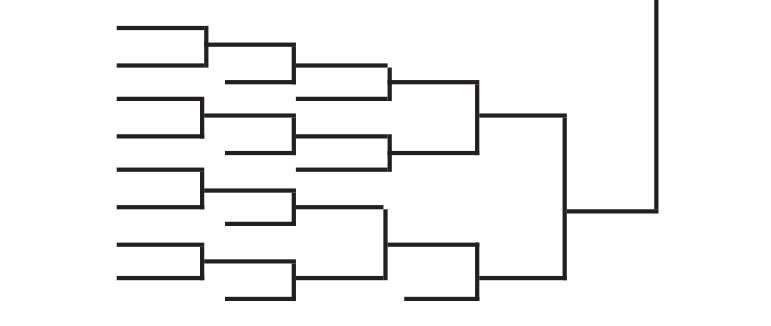
Key Highlights
- Broad Beneficiary Spectrum: The study benefits students, professionals, policymakers, organizations, and communities, each with distinct advantages from improved tournament designs.
- Multi-Faceted Contributions: The research fills gaps in current literature, optimizes practical applications, enhances theoretical frameworks, and invites further studies.
- Real-World Impact: Insights from the study can be directly applied to improve tournament fairness, participant satisfaction, event organization, and strategic competitive advantages.
Who Benefits from the Study?
-
Students
-
Enhanced Learning and Fair Competition Insights:
Students engaged in academic competitions, sports, or extracurricular tournaments will learn about the dynamics of fair competition. This research provides educational material that explains how various bracket systems influence fairness, strategy, and competitive engagement in a straightforward manner. By understanding tournament design, students will also acquire knowledge that transcends classroom learning and can be applied in real-world competitive settings.
-
Development of Analytical Skills:
The study encourages students to hone their analytical and critical thinking skills by evaluating different tournament formats. Learning how to analyze and predict outcomes based on seeding, bracket design, and scheduling supports academic disciplines ranging from mathematics to economics and even psychology.
-
Exposure to Data Analytics and Machine Learning:
Incorporating modern data analytics techniques and machine learning to optimize brackets provides students with exposure to cutting-edge analytical tools. This can spark career interests in STEM fields, particularly in data science and computational modeling applied to competitive systems.
-
Enhanced Learning and Fair Competition Insights:
-
Professionals
-
Improved Event Management and Organization:
Professionals responsible for organizing tournaments and competitive events benefit from a detailed framework that enhances the fairness and quality of competition. By implementing optimized bracket systems, they can ensure that every participant has an equitable chance of progressing, which in turn improves event reputation and participant satisfaction.
-
Enhanced Strategic Planning:
The research provides professionals with insights into how different bracket formats alter participant strategies. This understanding can be employed to design tournaments that not only are fair but also stimulate higher levels of engagement and tactical play, ultimately boosting the competitive quality of events.
-
Optimization Tools and Software Development:
Insights into tournament bracket optimization lead to the development of new tools and software that automates bracket creation, scheduling, and fairness checks. Professionals in the technology and sports management sectors can leverage these tools to streamline event management processes.
-
Improved Event Management and Organization:
-
Policymakers
-
Evidence-Based Decision Making:
The study equips policymakers with robust data and analysis to support regulations and guidelines on tournament design in both educational and professional sectors. With clear evidence on which bracketing methods maximize fairness, legislators and sports governing bodies can draft policies that level the playing field in various competitions.
-
Strengthening Community Engagement:
By ensuring that competitive events are perceived as fair, policymakers can foster community trust and engagement. This can translate into increased participation in local sports events or academic contests, thereby enhancing community morale and united participation.
-
Developing Inclusive Competition Frameworks:
The research encourages policies that focus on inclusivity in competitive scenarios. By advocating for bracket designs that accommodate skill variations among participants, policymakers can create systems that promote diversity and reduce the risk of favoritism.
-
Evidence-Based Decision Making:
-
Organizations
-
Enhancing Competitiveness and Brand Loyalty:
Sports leagues, educational institutions, and esports organizations can adopt research-backed strategies to significantly enhance the fairness and excitement of their tournaments. This results in higher levels of trust from participants and audiences, thereby positively impacting the organization’s reputation and brand loyalty.
-
Guidelines and Best Practices:
The study offers concrete best practices and guidelines for designing tournaments that are equitable. Organizations, whether small local clubs or international leagues, can standardize these methods to enhance overall tournament quality.
-
Long-Term Organizational Growth:
By utilizing insights from optimized bracket systems, organizations can improve scheduling, reduce biases, and ensure that tournaments remain competitive over time. This reliability not only benefits the current season but builds a foundation for sustainable growth and future innovations in competitive event management.
-
Enhancing Competitiveness and Brand Loyalty:
-
Communities
-
Increased Participation and Engagement:
When tournaments are perceived as fair, communities feel more inclined to support and participate in these events. The study can help organizers design brackets that minimize grievances and raise the overall level of engagement among amateur and professional participants alike.
-
Promoting Social Cohesion:
Fair and transparent tournament designs can nurture social cohesion and a sense of justice within communities. Spectators and local fans experience a higher level of trust in the event, which creates a supportive environment that fosters community spirit and integrity.
-
Educational Outreach and Community Programs:
Communities benefit from outreach programs that educate participants and spectators on the principles of fairness. This knowledge can be instrumental in resolving disputes and developing localized guidelines that emphasize equity in all competitive endeavors.
-
Increased Participation and Engagement:
How Does the Study Contribute to Knowledge?
-
Filling Existing Gaps:
-
Comprehensive Analysis of Bracket Systems:
The study identifies and addresses weaknesses in currently used bracket systems, analyzing their impact on competitive fairness. It focuses on how factors such as seeding, match scheduling, and bracket structure contribute to unequal competitive opportunities, providing a complete picture of the challenges involved.
-
Identification of Biases:
Previous research often overlooked the subtleties that lead to systematic biases in tournament outcomes. This study examines these biases in depth, offering a structured approach to recognize and potentially mitigate them. Through quantitative and qualitative assessments, the research contributes an innovative framework for evaluating fairness.
-
Comprehensive Analysis of Bracket Systems:
-
Building on Existing Research:
-
Integration of Multidisciplinary Approaches:
This study bridges theories and methodologies from sports science, game theory, and computer science. By integrating previous findings on tournament design and incorporating modern data analytics, it builds upon and enhances existing models with more robust predictive capabilities.
-
Innovative Analytical Models:
The research not only reviews past methodologies but also introduces novel statistical and machine learning models designed to dynamically adjust brackets based on participant performance. These integrated techniques offer improvements over traditional methods by fostering real-time adjustments that enhance fairness.
-
Integration of Multidisciplinary Approaches:
-
Introducing New Perspectives:
-
Multidimensional Fairness Metrics:
Unlike conventional studies that often simplify fairness to a single attribute, this research proposes a multidimensional framework. It considers various factors such as player fatigue, dynamic performance shifts, and psychological impacts, thereby proposing a holistic view of tournament fairness that is grounded in both quantifiable data and human experience.
-
Technology-Driven Innovations:
The inclusion of AI and machine learning in tournament analysis underscores a new perspective in tournament fairness studies. It emphasizes predictive analytics and simulation techniques that project tournament outcomes under different bracket designs, offering organizers a data-driven tool to preemptively address potential fairness flaws.
-
Multidimensional Fairness Metrics:
Practical Applications
-
Design and Implementation of Bracket Systems:
-
Event Organization:
Organizers can apply the study’s insights to construct tournament brackets that minimize unfair advantages, thereby ensuring an equal opportunity for all competitors. This enhances the overall quality of sports leagues, academic competitions, e-sports events, and community tournaments.
-
Software Development:
The research findings can lead to the creation of advanced scheduling and bracket creation software. These applications would utilize data analytics and AI to automatically generate balanced brackets, reducing human error and ensuring that tournament designs adhere to fairness metrics.
-
Event Organization:
-
Improved Seeding and Scheduling Algorithms:
-
Dynamic Seeding Methods:
By employing statistical models that consider participant performance, historical data, and real-time adjustments, the study offers improved methods for seeding. These dynamic strategies can help mitigate the influence of early seeding errors and maintain competitive balance throughout the tournament.
-
Efficient Scheduling Protocols:
Organizers can adopt enhanced scheduling protocols developed from the research that balance match timing, rest periods, and competitive fairness. Such protocols ensure that no participant is disadvantaged by scheduling anomalies, leading to a more equitable and engaging competition.
-
Dynamic Seeding Methods:
-
Sports Marketing and Fan Engagement:
-
Promotion of Fair Play:
The perception of fairness attracts more fans and sponsors, who see value in supporting tournaments with transparent and equitable structures. Enhanced engagement strategies based on these fair designs can increase viewership, boost audience loyalty, and strengthen a sport’s reputation.
-
Merchandising and Sponsorship Optimizations:
When tournaments are structured to reflect fair competition, the resulting narrative can be a potent marketing tool. This enables sponsors to align their brands with integrity and sportsmanship, further incentivizing corporate partnerships and enhancing revenue opportunities.
-
Promotion of Fair Play:
Theoretical Contributions
-
Advancement of Fairness Theories:
-
Establishment of Formal Frameworks:
The study contributes by establishing formal frameworks that define and quantify fairness in tournament settings. These frameworks integrate variables such as participant skill levels, game dynamics, and systemic biases into a coherent model that can be universally applied to assess the equity of tournament outcomes.
-
Integration with Game Theory:
By linking tournament structures with game theory, the research enhances understanding of strategic interactions among competitors. This integration provides insights into how different bracket formats influence player behavior, decision-making, and overall competitive balance.
-
Establishment of Formal Frameworks:
-
Multidisciplinary Insights:
-
Cross-Field Methodologies:
The study draws methodologies from diverse disciplines such as economics, computer science, and social psychology, thus building comprehensive models that are more reflective of real-world tournament dynamics. This multidimensional approach enriches academic discussions on fairness and competition.
-
Evolution of Competition Theory:
Using data-driven insights, the research refines traditional competition theories, offering a modern perspective that better aligns with current technological and societal advancements. This evolution in thought encourages further academic exploration and cross-sector collaboration.
-
Cross-Field Methodologies:
-
Quantitative and Qualitative Analyses:
-
Development of Novel Evaluation Metrics:
Both quantitative models and qualitative assessments are provided to evaluate tournament fairness comprehensively. These metrics allow scholars and practitioners to systematically compare various bracket formats and their impact on perceived equity and competitive balance.
-
Benchmarking Standards:
The research lays down benchmarking standards that future studies can use to evaluate new tournament designs. These standards help in validating the effectiveness of different models, ensuring that advancements in tournament organization continue to evolve from a solid theoretical base.
-
Development of Novel Evaluation Metrics:
Future Research Directions
-
Longitudinal Studies on Tournament Impact
-
Assessing Long-Term Outcomes:
Future research can focus on conducting longitudinal studies to assess the long-term effects of optimized bracket systems on player and team development, competitive balance, and event sustainability. These studies will track performance metrics over multiple tournaments and seasons, providing insights into the practical benefits of fair competition design.
-
Evolution of Tournament Dynamics Over Time:
As competitive environments evolve, longitudinal data can help pinpoint how tournaments change and adapt to new technologies and strategies. Observing these trends over time will inform continuous improvements in tournament design.
-
Assessing Long-Term Outcomes:
-
Comparative Analyses in Diverse Settings
-
Cross-Sport and Cross-Context Studies:
Comparative studies between different sports, academic contests, and esports can reveal how diverse environments respond to various bracket designs. This research can identify context-specific adjustments required for ensuring fairness in tournaments managed under different rules, participant profiles, and cultural expectations.
-
Tailored Bracketing Models:
Future work could focus on developing tailored models that cater to specific competitive contexts. Such models would take into account local variables and unique characteristics of the participant pool, ultimately leading to highly customized and effective tournament structures.
-
Cross-Sport and Cross-Context Studies:
-
Technological Integration and Innovation
-
Application of AI and Real-Time Data Analytics:
There is vast potential for further research involving AI and machine learning, specifically in creating adaptive bracket systems that adjust in real time based on performance fluctuations. This direction not only enhances fairness but also paves the way for the development of smart competitive environments.
-
Integration with Emerging Tournament Software:
The future could see integrated systems where software not only automates bracket creation but continuously monitors tournament fairness using live data. Research into these integrations can establish protocols and standards for real-world applications, ensuring that technology and fairness go hand-in-hand.
-
Application of AI and Real-Time Data Analytics:
-
Psychological and Behavioral Impact Studies
-
Understanding Participant Psychology:
Further studies can explore the psychological impact of different tournament formats on participants. By analyzing factors such as stress management, risk-taking, and overall satisfaction, future research can offer deeper insights into how tournament fairness affects behavior and performance under pressure.
-
Behavioral Economics in Competition:
Exploring the intersection of behavioral economics and tournament design could yield novel theoretical insights. Researchers can investigate how perceptions of fairness influence economic decisions made by competitors, such as resource allocation or strategic gameplay adjustments.
-
Understanding Participant Psychology:
Relevant Data and Tools Table
| Aspect | Description | Beneficiary Group |
|---|---|---|
| Event Organization | Optimized bracket systems ensuring fair seeding and scheduling. | Professionals, Organizations |
| Educational Outreach | Enhanced learning materials and analytical insights on fairness. | Students, Communities |
| Policy Development | Evidence-based guidelines for tournament regulations. | Policymakers, Organizations |
| Technology Integration | Real-time data analytics and AI-driven bracket optimization tools. | Professionals, Organizations |
| Behavioral Impact | Research on participant psychology and competitive behavior. | Academics, Researchers, Communities |
References
- Tournament Brackets in Education - Brackets Ninja
- Building the Brackets: NCAA Tournament Insights - NCAA
- Bracket Optimization Models - Springer
- Tournament Fairness in Competitive Environments - De Gruyter
- Martial Arts Tournament Bracket Systems - Kihapp
Recommended Further Queries
Last updated March 18, 2025