
Understanding Tractor Wheel Design
Delving into why tractors have large rear wheels and smaller front wheels
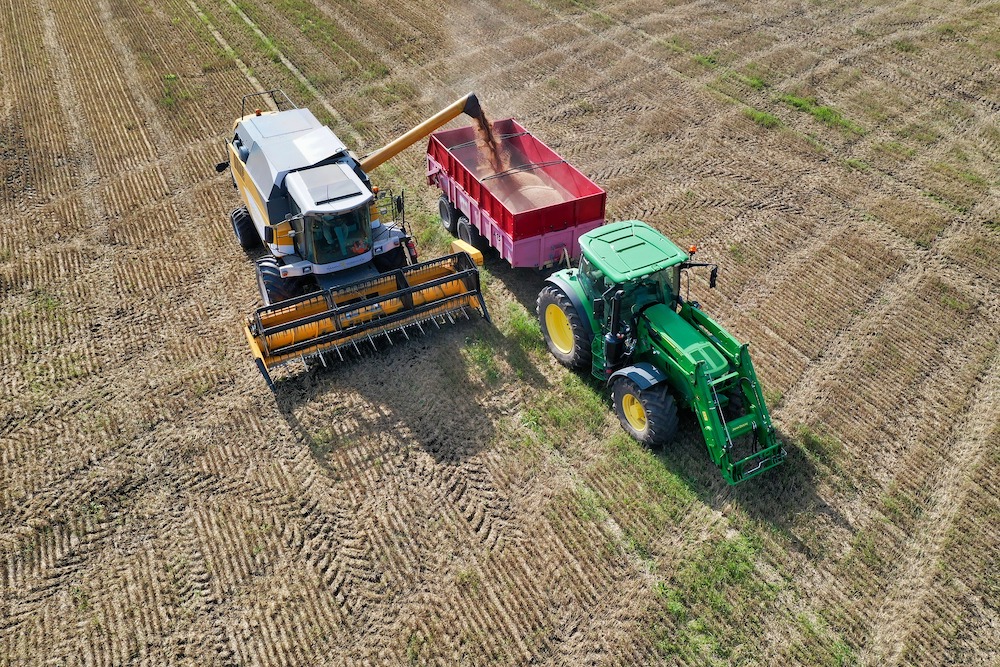
Key Insights
- Enhanced Traction and Stability: Larger rear wheels increase the contact area with the ground for improved grip.
- Optimized Weight Distribution: Big rear wheels counterbalance the heavy load and engine placement, ensuring stability.
- Superior Maneuverability: Smaller front wheels provide ease in steering and handling in tight spaces.
Detailed Technical Explanation
1. Traction and Grip
The principal reason tractors feature larger rear wheels is to maximize traction. Tractors operate in various terrains, often requiring them to pull heavy implements, such as plows or trailers. The larger rear tires provide a considerably bigger surface contact with the ground. This enlarged contact area enables the wheels to grip the terrain more effectively, which is essential when traction is needed for pulling heavy loads and operating on soft, muddy, or uneven ground.
In engineering terms, the increased diameter of the rear wheels decreases the rotational speed for a given forward speed. This aspect means that the engine's torque can be more effectively utilized in moving heavy equipment, reducing the risk of slippage and ensuring consistent power delivery. The enhanced grip helps in maintaining stability, particularly when the tractor is engaged in strenuous tasks, where power needs to be transmitted efficiently without losing grip.
2. Weight Distribution and Counterbalance
Tractors are designed with a careful balance between engine placement and load distribution. Typically, most tractors have the engine positioned toward the front, which could otherwise lead to an imbalance in weight distribution. By using larger rear wheels, the tractor is able to counterbalance the heavy front-mounted components and any additional equipment or loads attached at the rear. This ensures that a greater proportion of the overall weight – approximately 60% when not loaded – is distributed over the rearmost axle.
This weight distribution is crucial not only for stability but also for preventing the front end from lifting during operation. When a heavy load is applied at the rear, the larger wheels help distribute the downward force more evenly across a broader area. This results in a smoother transmission of power and less stress on any particular point of contact between the tire and the soil.
3. Soil Compaction Reduction
A significant concern in agricultural operations is soil damage which may occur due to soil compaction. Soil that is compacted restricts air and water circulation, adversely affecting crop health and productivity. The large rear wheels help to distribute the tractor's weight over a larger surface area and, hence, reduce the pressure on any given point in the soil. This distribution minimizes the risk of compaction, preserving soil structure and fertility over long-term agricultural use.
4. Power and Drive Efficiency
The rear wheels of a tractor typically play a dual role as the main drive wheels directly connected to the engine's powertrain. Their larger size is not only beneficial for traction but also for the efficient transmission of power and torque. The design ensures that the engine's output is effectively transferred to the ground, which is especially critical when operating under load or on inclined and soft terrains.
The efficient use of torque is a stepping stone to reliable operation and durability. Larger wheels rotate more slowly compared to smaller wheels and diminish the chances of slip. This quality is particularly important for tasks like dragging, hauling, or plowing, where significant force is exerted over the rear axle.
5. Steering and Maneuverability
While the rear wheels carry the heavy load and manage traction, the front wheels are purposely kept smaller. The primary function of the front wheels is to steer the tractor. Smaller front wheels offer a reduced contact patch, which means that there is less friction with the ground, making it easier to execute sharper and more precise turns. This design facilitates improved maneuverability in confined spaces such as narrow fields, rows of crops, or when working near obstacles.
Additionally, the smaller size of the front wheels ensures less mechanical complexity and wear when steering. By reducing the effort required by the steering mechanism, operators can maintain better control of the tractor. The balance provided by the design allows for tighter turning radii without compromising overall stability.
6. Visibility and Elevated Driving Position
Another indirect but strategic benefit of larger rear wheels is that they elevate the tractor’s chassis. With the rear wheels being larger, the overall height of the tractor is increased. This elevation translates to a higher seating position for the operator. A raised view significantly improves visibility over the implements and the immediate working area, which is vital for effective operation in fields that might have uneven topography or obstacles.
Improved visibility contributes to overall operational safety and efficiency, as the operator can better gauge terrain, spot hazards, and manage attachments – all leading to smoother and more productive work sessions.
Engineering and Economic Considerations
Cost Effectiveness and Maintenance
An integral aspect behind the difference in wheel sizes is cost efficiency. Larger wheels are generally constructed with thicker treads and more robust materials that are designed to endure the stresses associated with heavy-duty operations. These features ensure that the rear wheels have a longer service life and do not need to be replaced as frequently.
Conversely, smaller front wheels are less expensive to manufacture and replace, making it cost-effective over the lifetime of the tractor. By balancing the cost with operational demands, manufacturers can design tractors that are economically viable while still being highly functional. This careful consideration of both performance and cost contributes to the overall market appeal of tractor designs.
Adaptability to Varying Terrains
Tractors are often used in diverse conditions—from well-paved roads in farmyards to uneven, muddy fields. The design with large rear wheels assists in navigating these challenging terrains. The increased tire diameter makes it easier for the tractor to roll over obstacles like rocks, ditches, or bumps, reducing the chance that the wheels get stuck.
Furthermore, the enhanced traction provided by the larger rear wheels ensures that the tractor remains stable in soft ground conditions. This adaptability is critical in modern agriculture where machines are expected to perform consistently well regardless of environmental challenges.
Structural and Mechanical Balance
In terms of mechanical design, the decision to use different wheel sizes effectively manages the distribution of mechanical stress throughout the tractor. The rear wheels, being the primary source of propulsion, naturally absorb a greater share of stress from pulling forces. The integration of larger wheels in the rear not only reinforces the tractor’s robustness but also provides a built-in safety margin against mechanical failure or excessive wear.
Additionally, the smaller, less-stressed front wheels diminish the overall rotational inertia, which associates with a lighter and more responsive steering system. This combined approach enhances the tractor’s overall durability and functional longevity, ensuring that it remains efficient over prolonged usage in demanding agricultural conditions.
Visualizing Tractor Wheel Functionality
Comparative Table of Wheel Functions
| Feature | Rear Wheels | Front Wheels |
|---|---|---|
Traction |
Greater surface area for grip, higher torque transfer | Lower friction, assisted by controlled steering |
Weight Distribution |
Counterbalances engine weight and heavy loads | Provides necessary anchoring for the tractor |
Maneuverability |
Designed for stability in rough terrain | Facilitates tighter turns and easier navigation |
Operational Cost |
Constructed for durability, less frequent replacement | Cost-effective in manufacturing and maintenance |
Visibility |
Indirectly raises driver's position for better view | Maintains streamlined design to support overall control |
Practical and Historical Context
Evolution of Tractor Design
The design elements seen in modern tractors have evolved over decades of agricultural innovation. Early tractors required simple design modifications to handle a variety of challenging soil conditions and variable loads. As technology improved, engineers discovered that a careful balance in wheel dimensions could yield substantial improvements in utility and durability.
Over time, it became evident that having larger rear wheels was not only beneficial for traction but was also essential for ensuring that tractors could operate efficiently in remote or rugged environments. This evolution of design has been driven by both theoretical understandings of physics and practical experiences on the field. The cumulative knowledge has firmly established the practice of using larger rear wheels to meet the rigorous demands of modern agriculture.
Field Performance and Operator Experience
Operators often report that tractors with larger rear wheels provide a more confident driving experience, particularly when performing heavy-duty tasks such as plowing, tilling, or hauling. The increased traction not only minimizes the incidence of wheel slip but also provides consistent control and responsiveness during operation.
Additionally, the elevated seating position enabled by the large rear wheels grants operators an enhanced view of their surroundings—an invaluable asset when navigating uneven fields or densely planted areas. This improved perspective fosters better decision-making on the fly, directly contributing to both safety and efficiency on the job.
Engineering Summary and Considerations
Comprehensive Engineering Analysis
In summary, the decision to equip tractors with larger rear wheels and smaller front wheels is a result of multifaceted considerations that seamlessly blend the realms of physics, engineering, and practical farming needs. Engineers have optimized these design elements to:
- Ensure that the transmission of engine power is maximized through improved tire contact and traction,
- Optimize weight distribution to maintain dynamic stability even under heavy load conditions,
- Enhance maneuverability by minimizing the steering effort required on the front end, and
- Reduce soil compaction, thereby preserving essential agricultural land quality.
Thus, by carefully balancing these factors, tractor manufacturers have been able to create machines that not only meet the rigorous demands of modern agriculture but also contribute to overall operational efficiency and cost effectiveness.
References
- Why Tractors Have Larger Wheels at the Back - Country Family Homestead
- Why Tractor Rear Wheels are Bigger - Tractor Junction
- Why Tractors Have Bigger Rear Wheels - Tractor Karvan
- 6 Reasons Why Rear Wheels on a Tractor are Bigger - Tractor Addict
- Different-Sized Tyres and Wheels for Tractors - CEAT Specialty
Recommended Topics
Last updated February 28, 2025