
Significant Threats Facing Trader Joe's and the Grocery Industry
Analyzing the looming challenges backed by industry numbers and detailed insights
Key Highlights
- Intense Competition: Trader Joe's faces substantial pressure from traditional supermarkets, warehouse clubs, and online grocery platforms.
- Supply Chain & Economic Vulnerabilities: Complex supply chains, economic uncertainties, and commodity price fluctuations can impact product availability and margins.
- Consumer Shifts & Regulatory Issues: Evolving consumer preferences toward sustainability and online shopping, along with strict regulatory and labor compliance challenges, add to the pressing threats.
Introduction
The evolving landscape of the grocery industry is characterized by shifting consumer preferences, rising economic uncertainties, and rapid technological transformation. For a unique retailer like Trader Joe’s, the challenges posed by these dynamics are particularly acute. While Trader Joe’s has enjoyed a robust market presence and a loyal customer base, it is not immune to the myriad threats that accompany modern retail operations. This detailed analysis will explore the significant threats facing Trader Joe’s, provide numerical data to highlight the scale of these challenges, and look at the broader industry factors that are influencing future growth and sustainability.
Challenges Stemming from Intense Competition
Competitive Landscape
Trader Joe’s operates in a highly competitive segment of the grocery market, where competition comes not only from traditional brick-and-mortar supermarkets but also from warehouse clubs and online grocery platforms. Major competitors include renowned supermarkets such as Kroger, Walmart, and Safeway, as well as digital platforms like Amazon Fresh that have rapidly expanded their food delivery and online shopping capabilities.
Furthermore, the introduction of new market entrants and innovative retail formats continues to intensify rivalry within the industry. Trader Joe’s, known for its distinctive product offerings and personalized in-store experience, faces the dual challenge of maintaining its unique brand identity while competing with organizations that have broader product assortments and consolidated supply chain advantages.
Numerical Insights into Competition
In the competitive fight for market share, numbers play a crucial role. For instance, while Trader Joe’s reportedly captures around 10.5% of U.S. adult customers, its competitors—such as Whole Foods (with 6.3%) and Kroger (with 5.9%)—add layers of intensity within the market. These percentages, although seemingly modest, are critical when considering the overall distribution and number of customers in a multibillion-dollar industry.
Economic Uncertainties and Supply Chain Vulnerabilities
Economic Context and Market Conditions
Global economic conditions have always had a significant impact on the grocery sector. Recent economic uncertainties, including potential recessions and fluctuating consumer spending, pose serious challenges for Trader Joe’s. Economic downturns influence the purchasing behavior of consumers, reducing discretionary spending and altering the balance between demand for premium versus essential goods. The extensive scale of the global supermarket industry, estimated to be over $3,116.83 billion in 2022 and growing at a compound annual growth rate (CAGR) of about 9.8%, underscores the impact that macroeconomic shifts can have on even the most resilient players.
Supply Chain Disruptions
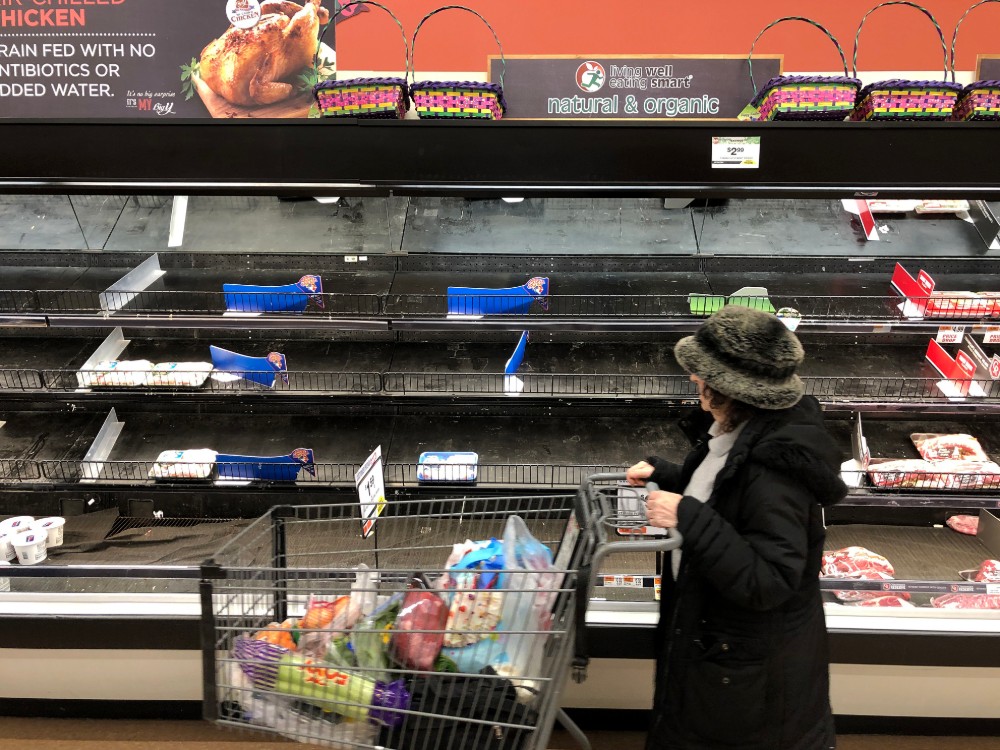
Another fundamental threat arises from the complexity and fragility of supply chains. Trader Joe’s relies on unique product sourcing models that can be vulnerable to disruptions—from natural disasters to geopolitical conflicts—that can lead to product shortages and escalated operational costs. Furthermore, global supply chain disruptions can result from fluctuations in commodity prices, which have been known to affect margins adversely. As a result, any breakdown or delay in the supply chain directly impacts Trader Joe’s ability to maintain its reputation for quality and consistency.
Critical Supply Chain Metrics and Costs
The integration of supply chain data with economic factors highlights a multifaceted risk. For instance, operating a complex supply chain means that a disruption can lead to higher overhead costs or the necessity for rapid sourcing of alternative suppliers—both of which may increase prices. With rising labor costs already affecting profit margins, any additional pressures from supply chain disruptions could compound financial impacts. In the retail sector, a rise in labor costs by 5% annually is not uncommon, and this increment adds further pressure on companies like Trader Joe’s striving to keep expenditures in check.
Technological Advancements and the E-commerce Imperative
Digital Transformation and Market Demand
The rapid evolution of technology, particularly in the realm of e-commerce and digital retail, presents both a disruption and an opportunity. As consumers have become accustomed to the convenience of online shopping, traditional brick-and-mortar retailers are forced to innovate or risk obsolescence. Despite the unique in-store experience that Trader Joe’s provides, its presence in the online grocery marketplace remains limited. In 2022, the U.S. online grocery market was valued at approximately $143 billion, a figure that continues to grow as more consumers opt for home delivery over in-person shopping.
Strategic Considerations for Trader Joe’s
Evolving consumer preferences mean that Trader Joe’s must consider integrating more robust digital solutions and online shopping platforms into its business model. The absence of aggressive e-commerce strategies limits access to a segment of consumers increasingly relying on digital channels for convenience. While some retailers have successfully bridged the gap between physical and digital retail realms, Trader Joe’s is at risk of falling behind if technological advancements and consumer expectations continue to progress at their current pace.
Consumer Preferences and Market Dynamics
Adapting to Evolving Customer Needs
One of the most dynamic areas affecting the grocery industry is the change in consumer preferences. Modern consumers are increasingly environmentally conscious, demanding organic, sustainable, and ethically sourced products. Beyond the product mix, there is a growing expectation for convenience, which includes an enhanced online shopping experience alongside in-store innovations such as self-checkout systems and loyalty programs.
Trader Joe’s has built much of its success on its curated selections and a strong in-store culture. However, to meet evolving consumer demands, the retailer may need to expand its offerings to include more organic and sustainable products and further explore convenient shopping solutions tailored for a digital age.
Market Data Reflecting Consumer Shifts
Data indicate that consumer preferences, especially among millennial and Generation Z shoppers, are shifting fast. Studies have shown that a failure to adapt can lead to significant market share losses over time. For example, while Trader Joe’s has maintained a strong niche, its competitors are quick to react to these shifts by introducing a wider range of organic and sustainably sourced products. This interplay between changing preferences and competitive responses means that Trader Joe’s must continue to innovate to remain relevant and appealing.
Regulatory and Compliance Challenges
Complexity of Regulatory Compliance
Compliance with regulatory standards is a critical aspect of operating within the grocery industry. Trader Joe’s, like its competitors, faces a myriad of regulations that encompass food safety, labeling requirements, and environmental standards. Failing to adhere to these standards not only attracts legal consequences but can also damage the brand reputation, impacting consumer trust.
Additionally, issues regarding labor practices have surfaced, including disputes related to flexible work schedules and union representation. For instance, allegations of actions intended to dissuade unionization efforts have drawn negative media attention and could foster a less favorable public image if not managed effectively.
Implications of Regulatory Non-Compliance
The cost of non-compliance extends beyond fines and penalties—it can disrupt operations and potentially lead to costly recalls, as has been witnessed in prior instances. With Trader Joe’s having experienced several product recalls over a short timeframe, the operational strain and potential loss of customer trust are major risks that require continual monitoring and swift corrective action.
Labor Costs and Workforce Dynamics
Direct Impact on Financial Margins
The rise in labor costs is another significant threat faced by grocery retailers. Trader Joe’s, which operates with a highly engaged and dedicated workforce, might see its profit margins squeezed by continual increases in labor expenses. To illustrate, in recent years, Trader Joe’s has reported annual revenues in the vicinity of $13.3 billion, supporting a workforce of approximately 50,000 employees. This figures to a revenue-per-employee ratio that is sensitive to changes in wage structures and workforce benefits.
Workforce Issues and Operational Risks
Beyond direct cost increases, the competitive nature of labor markets, along with disputes over employment conditions, can lead to operational disruptions. For instance, any form of labor unrest, such as strikes or organized protests, can directly impact store operations and lead to a loss of productivity. This creates a dual risk scenario: on one side, rising labor costs compress profit margins; on the other, workforce dissatisfaction can translate into operational inefficiencies and damage the retailer’s public image.
Table: Summary of Key Threats and Associated Metrics
| Threat Category | Details | Numerical/Quantitative Data |
|---|---|---|
| Intense Competition | Rivalry with traditional supermarkets and online platforms. | Market shares: 10.5% (Trader Joe’s), 6.3% (Whole Foods), 5.9% (Kroger) |
| Economic Uncertainties | Fluctuations in consumer spending and recession risks. | Global supermarket industry: ~$3116.83 billion in 2022, CAGR: 9.8% |
| Supply Chain Disruptions | Breakdowns can lead to shortages and increased costs. | Increased operational costs tied to supply instability |
| Digital Transformation | Limited online presence versus booming e-commerce market. | US online grocery market valued at ~$143 billion in 2022 |
| Regulatory & Compliance Issues | Strict food safety, labeling and labor regulations. | Instances of recalls & labor disputes impacting operations |
| Labor Costs | Rising wages and potential for workforce disruptions. | $13.3 billion revenue with 50,000 employees (Revenue-per-employee ratio: ~$266,000) |
Strategic Implications and Future Outlook
Adapting to a Changing Environment
Looking ahead, Trader Joe’s must approach these challenges from a multi-pronged strategic perspective. Firstly, the imperative to innovate digitally cannot be overstated. Although the brand has carved out a niche through its unique in-store experience, future success will require a seamless integration of physical and digital retail strategies. This may involve partnerships with technology providers, investments in e-commerce infrastructure, and perhaps even pilot programs that test new delivery models or subscription-based offerings.
Mitigation and Preparedness Plans
In addition to digital innovation, continuous investment in supply chain resilience is vital. Diversifying suppliers and establishing robust contingency plans can help mitigate the risks posed by global disruptions. Trader Joe’s may need to consider advanced forecasting and inventory management systems that leverage big data analytics. These systems would provide real-time insights, facilitating quicker responses to demand fluctuations and other supply chain challenges.
Moreover, a proactive approach to labor management is essential. Building a robust employee engagement strategy that includes competitive compensation, professional development opportunities, and transparent communication channels can help mitigate workforce dissatisfaction and improve operational efficiency.
Navigating Regulatory and Environmental Concerns
Compliance with evolving regulatory standards is both a legal and reputational imperative. Trader Joe’s must invest in robust quality assurance frameworks and ongoing training programs to ensure that food safety and labeling practices exceed regulatory requirements. An enhanced focus on environmental sustainability, such as reducing carbon footprints and increasing transparency in sourcing practices, will also be important in aligning with the demands of eco-conscious consumers.
Conclusion
To summarize, the grocery industry, as exemplified through the lens of Trader Joe’s, is facing a host of significant threats that require a nuanced and comprehensive strategic response. Traders must navigate intense competition from both traditional and digital retail giants, manage economic uncertainties and supply chain complexities, and adapt to an evolving consumer landscape that demands more sustainable and convenient shopping experiences. Furthermore, rising labor costs and regulatory challenges add operational risks that could impact profitability and brand reputation.
In response to these threats, the path forward involves a balanced strategy of robust digital transformation, supply chain diversification, improved workforce management, and an unwavering commitment to regulatory compliance. While the current threats are substantial, they also present an opportunity for innovation and strategic realignment. By adopting a proactive and adaptive approach, Trader Joe’s, along with the broader grocery industry, can turn these challenges into avenues for future growth and enhanced market stability.
References
- Trader Joes Swot Analysis - Osum
- Trader Joe's SWOT Analysis (2025) - Business Model Analyst
- Trader Joe's SWOT Analysis: Mitigating Threats in the Grocery Industry
- Trader Joe’s Accused of Illegal Threats in Labor Board Complaint
Recommended Related Queries
Last updated February 22, 2025