
Exploring the Impact of Traditional Counseling Today
Delving into how culturally rooted methodologies complement modern mental health practices
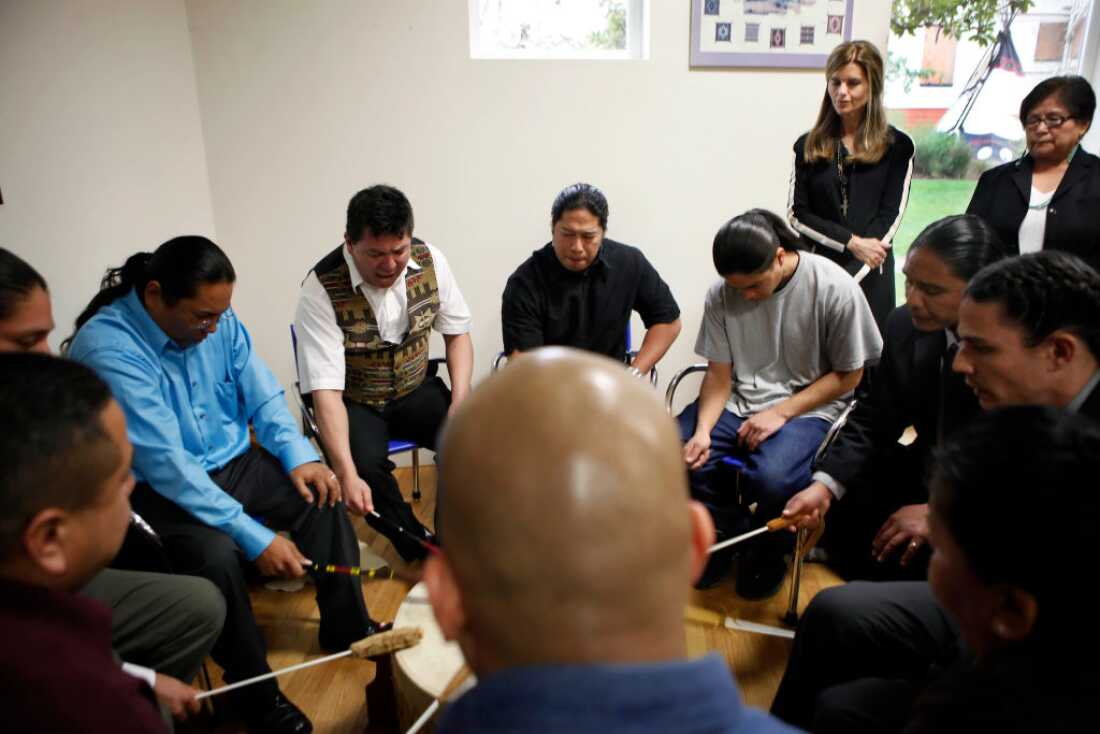
Key Insights on Traditional Counseling
- Holistic and Integrative Approach: Traditional counseling addresses mental, physical, and spiritual dimensions in a culturally informed manner.
- Cultural and Community-Centered: It leverages local customs, values, and collective wisdom to establish a support network that fosters trust and belonging.
- Complementary to Modern Practices: The integration of traditional and contemporary techniques provides a more comprehensive approach to mental health care.
Understanding Traditional Counseling in Modern Society
Traditional counseling, deeply rooted in historical practices and cultural values, continues to play an influential role within today’s mental health landscape. Its essence is anchored in a holistic methodology that encompasses not only psychological elements but also emotional, physical, and spiritual aspects of well-being. This approach is particularly valuable in multicultural societies and communities where conventional Western models may not fully address the complexities of cultural identity and collective support.
A Holistic Approach to Mental Health
At its core, traditional counseling focuses on the comprehensive integration of mind, body, and spirit. This method recognizes that mental health issues are seldom isolated to one aspect of a person’s life; rather, they intertwine with an individual's physical condition, emotional state, spirituality, and social connections. For many cultures, healing is seen as a process of aligning all these dimensions rather than merely treating symptoms. Traditional counseling techniques often involve rituals, storytelling, community involvement, and the guidance of respected elders or spiritual leaders.
Interconnection of Well-Being Elements
The interconnection between the physical, emotional, and spiritual dimensions is vital. In many traditional systems, illnesses or distress are interpreted as imbalances or disruptions within this network. For example, practices that emerged from indigenous traditions may utilize herbal remedies, spiritual rituals, and communal gatherings, all of which are aimed at restoring balance and harmony. This contrasts with some modern therapeutic practices that may concentrate largely on symptom-focused treatments, such as cognitive-behavioral therapies or pharmacological interventions, which often neglect the broader cultural and existential context.
Cultural Connection and Community Engagement
Traditional counseling is uniquely attuned to the cultural narratives and collective histories of a community. In many societies, the counselor’s role extends beyond that of a therapist to also include that of a cultural custodian who helps preserve communal wisdom, practices, and values. This is particularly important for individuals grappling with identity issues or those who feel alienated by mainstream mental health services that do not recognize their cultural heritage.
Preserving Cultural Heritage and Social Cohesion
By incorporating indigenous rituals and communal methods into the counseling process, traditional counseling helps preserve cultural heritage while fostering social cohesion. For example, the involvement of family members and community elders ensures that the therapeutic process is embedded in familiar cultural practices. This communal approach not only facilitates trust but also creates a robust support network that can provide ongoing assistance, guidance, and reassurance. The sense of belonging that emerges through this process is a critical component of overall mental health.
Adaptability and Integration with Modern Methods
Despite being rooted in historical practices, traditional counseling is not static. Contemporary practitioners often integrate modern concepts into these time-honored techniques to address today’s complex psychosocial challenges. This hybrid approach allows for the best of both worlds. On one hand, individuals benefit from culturally resonant practices that honor their heritage; on the other, they have access to innovative methodologies from modern mental health care.
Blending Traditional Techniques with Contemporary Therapy
Modern mental health practices are increasingly recognizing the value of integrating traditional counseling. For instance, many therapeutic programs now incorporate mindfulness—a practice with roots in ancient traditions—with cognitive behavioral strategies to manage stress and anxiety. Similarly, community-based interventions that originate from traditional counseling are being combined with modern outreach efforts, such as mobile counseling apps and telehealth services, thus broadening access to mental health services. This synthesis not only enhances the therapeutic experience but also ensures that interventions are more tailored to the cultural context of the individual.
Comparative Analysis: Traditional Versus Modern Counseling
When discussing mental health interventions and counseling methodologies, it is essential to compare traditional and modern counseling approaches. While modern counseling is highly procedural and evidence-based, it often centers on individual experiences and symptoms. Traditional counseling, however, emphasizes a collective and systemic healing process that considers the full spectrum of an individual's cultural background, social dynamics, and spiritual beliefs.
Key Differences in Approach
| Aspect | Traditional Counseling | Modern Counseling |
|---|---|---|
| Core Philosophy | Holistic integration of body, mind, spirit, and community; rooted in cultural traditions | Individual-focused; emphasizes psychological processes with measurable outcomes |
| Therapeutic Relationship | Community-driven, involving family and elders; sees therapy as a communal journey | Client-centric, based on confidentiality and professional boundaries; often one-on-one |
| Methodologies | Rituals, storytelling, symbolic acts, and culturally contextual practices | Cognitive-behavioral strategies, talk therapy, evidence-based interventions |
| Accessibility | Often more accessible in rural or underserved communities with strong cultural ties | Typically reliant on a structured healthcare system and professional services |
| Adaptability | Flexible and evolving; integrates modern insights while maintaining cultural authenticity | Constantly evolving through research; often quickly incorporates new scientific findings |
Addressing Modern-Day Challenges
The challenges faced in contemporary society—from the pressures of globalization to the impacts of rapid technological changes—demand therapeutic interventions that are both innovative and sensitive to cultural nuances. Traditional counseling offers unique insights by providing coping mechanisms that have been refined over generations. For example, in communities experiencing socio-economic hardships, the collective knowledge and support provided by traditional counseling can be a valuable asset in building resilience and ensuring holistic healing.
Preventative Measures and Long-Term Benefits
One of the significant strengths of traditional counseling is its proactive nature. Through community involvement and culturally resonant practices, it can serve as a preventative measure by reinforcing mental well-being long before severe issues arise. The mentoring provided by traditional counselors often includes life guidance in critical areas such as marriage and family, which can foster healthier societies and reduce dependency on crisis-oriented interventions.
Case Studies and Examples in Practice
Several case studies highlight the impact of traditional counseling in diverse settings. In many African and indigenous communities, traditional counseling has been fundamental in managing social issues such as family disputes, substance abuse, and even conflict resolution. These interventions, while steeped in local practice, have increasingly been recognized for their effectiveness in promoting long-term psychosocial stability.
Community-Based Healing Initiatives
Across different regions, community-based healing has emerged as a powerful alternative to conventional mental health interventions. Traditional counselors, often respected elders or community leaders, play a crucial role in educating individuals about the significance of cultural values and shared history. They help participants build robust social networks that function as both support groups and preventive care mechanisms.
Integration with Local Health Systems
In several instances, local health systems have integrated traditional counseling practices with modern healthcare models. This complementary approach has proven particularly effective in regions where access to modern mental health services is limited. By combining the high-touch, personalized nature of traditional methods with the scalability and research-backed strategies of modern medicine, communities can benefit from enhanced overall mental health outcomes.
Economic and Social Considerations
One of the additional advantages of traditional counseling is its cost-effectiveness. In many rural and remote areas, professional mental health services may be scarce or financially out of reach. Traditional counseling, often provided by community elders or local healers, offers an accessible and affordable alternative. This aspect not only democratizes access to mental health care but also ensures that cultural identity is maintained and celebrated.
Building Long-Term Resilience
Through long-established networks and culturally adaptive practices, traditional counseling equips individuals and communities with strategies to handle long-term psychosocial challenges. The mentorship provided by traditional counselors reinforces resilience and empowers communities to independently address mental health concerns over time. This is especially critical in times of rapid social change, where cultural continuity helps to anchor individuals amidst uncertainty.
Integration of Traditional and Modern Counseling Techniques
A growing body of evidence suggests that blending traditional counseling with modern therapeutic techniques can yield transformative benefits. Healthcare providers and policy makers are increasingly looking toward integrated models that offer comprehensive mental health services. In these models, traditional counseling is not seen in opposition to modern methods but as a complementary force that enriches overall treatment paradigms.
Synergies and Mutual Enhancements
Integrative approaches combine the strengths of both paradigms. Modern techniques, such as evidence-based psychotherapy and digital health applications, bring a level of standardization and research validation that enhances treatment outcomes. Meanwhile, traditional counseling contributes a depth of cultural insight, community involvement, and a holistic perspective on healing. As mental health awareness expands globally, this synergy addresses a wider range of client needs by ensuring therapies are both culturally sensitive and clinically effective.
Innovative Models in Practice
Pilot programs in various regions illustrate how integrating traditional methods with contemporary practices can significantly improve mental health care accessibility and quality. These models are designed to respect cultural norms while delivering modern clinical interventions. By bridging the gap between tradition and innovation, these initiatives foster environments where mental health care is both inclusive and adaptive to the evolving needs of society.
References
- Cambridge Scholars Sample PDF - Cambridge Scholars
- Traditional Counseling Perspectives - IntechOpen
- Culture-Centered Counseling - Counseling Today
- Integrating Approaches in Mental Health - GTBHC
- Traditional Counselling Insights - LUXE Recovery LA
- Product Information on Traditional Counseling - Cambridge Scholars
- The Role of Traditional Counselors - Afribary
- Need for Counselors in Modern Society - IHNA
- ERIC Full Text on Traditional Counseling - ERIC
Recommended Related Queries
 assets.cambridge.org
Last updated March 25, 2025