
Indian Traditional Knowledge on Zingiber officinale
Exploring the centuries-old heritage and medicinal insights behind ginger
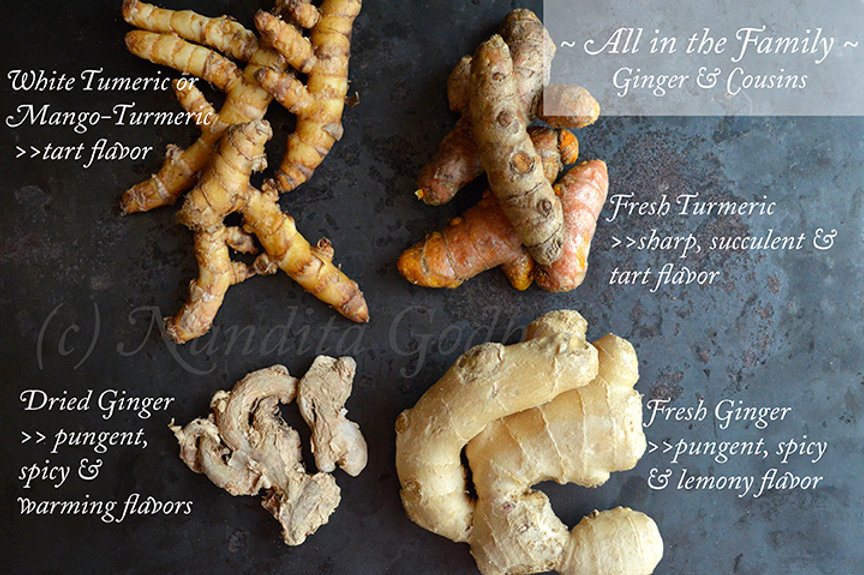
Key Highlights
- Extensive Ayurvedic Use: Ginger is a cornerstone in Ayurvedic medicine, recognized for its role in treating digestive, respiratory, and inflammatory disorders.
- Cultural and Culinary Importance: Beyond medicine, ginger enriches Indian cuisine and traditions, enhancing both flavor and well-being.
- Therapeutic Versatility: Its bioactive compounds, such as gingerols and shogaols, contribute to anti-inflammatory, antioxidant, and antimicrobial benefits.
Introduction to Zingiber officinale
Zingiber officinale, commonly known as ginger, has held a significant role in Indian traditional medicine for centuries. Originating from the rich soils of the Indian subcontinent, ginger is one of the most celebrated medicinal and culinary herbs. Its applications stretch across various traditional systems such as Ayurveda, Unani, Siddha, and Homoeopathy.
In Ayurveda, ginger is often referred to using different names based on its form and usage. The fresh form is known as "Ardraka," while the dried variant is called "Shunthi." These terms reflect its versatility in usage and its esteemed place in classical Ayurvedic literature, such as the Charaka Samhita and Sushruta Samhita.
Ayurvedic and Traditional Therapeutic Applications
Digestive Health
One of the most well-known applications of ginger in traditional Indian medicine is its use as a digestive aid. Ginger helps in alleviating indigestion, nausea, and various gastrointestinal disturbances. It promotes healthy digestion by stimulating the production of digestive enzymes, thus aiding in the assimilation of nutrients.
Mechanism of Action
The action mechanism of ginger when used to improve digestion can be partially attributed to its bioactive compounds. For instance, gingerols, the main constituents in fresh ginger, are known to enhance gastrointestinal motility. In mathematical terms, if one considers \( \text{\(G\)} \) as the concentration of gingerols and \( \text{\(D\)} \) as the degree of digestive stimulation, then the improvement in digestion can be conceptualized as a direct correlation:
\( \text{\(D \propto G\)} \)
This simple relation underscores the importance of ginger's active components in enhancing digestive processes.
Anti-inflammatory and Antioxidant Benefits
Ginger is well-regarded for its anti-inflammatory and antioxidant properties, making it an important remedy for conditions such as arthritis, rheumatism, and other inflammatory disorders. The compounds gingerols and shogaols work together to reduce inflammation in the body.
Biochemical Insights
The biochemical properties of ginger include inhibition of pro-inflammatory cytokines, a reduction in oxidative stress, and overall improvement in cellular health. Scientific studies have confirmed that the antioxidant capacity of ginger can play a significant role in neutralizing free radicals, thereby mitigating cellular damage.
Respiratory Benefits
Traditional Indian medicine also advocates the use of ginger in addressing respiratory ailments. Whether it is to alleviate coughs, colds, or symptoms of bronchitis, ginger acts as a natural remedy to promote smoother breathing. It is often prepared as a decoction or a warm infusion combined with other herbal ingredients to ease respiratory discomfort.
Culinary and Cultural Dimensions
Culinary Significance
Beyond its medicinal uses, ginger is a key culinary ingredient in Indian kitchens. Its pungent, spicy flavor not only enhances the taste of food but also facilitates better digestion. Dishes ranging from curries to desserts often incorporate ginger to balance flavor and provide a digestive boost.
Integration in Traditional Recipes
Ginger is often paired with other spices—including turmeric, cumin, and coriander—forming the spice blend known as "masala." This blend is renowned for its health benefits as well as its ability to brighten the flavors in a dish. In traditional practices, ginger is also used to prepare herbal teas and infusions that serve dual purposes: nourishing the body and revitalizing the senses.
Cultural and Ritualistic Importance
In Indian culture, ginger holds a revered status and features prominently in religious rituals and festive ceremonies. It is used as an offering during worship and is considered auspicious in many regional traditions. The use of ginger in ceremonial meals signifies not only a respect for tradition but also an acknowledgment of its health-promoting properties.
Scientific Perspectives on Ginger's Properties
Active Compounds and Their Roles
Scientifically, ginger is enriched with an array of bioactive compounds that contribute to its therapeutic effects. Among these, gingerols and shogaols are the most studied components.
\( \text{\( \text{Gingerols}\) } \) are primarily responsible for the pungent flavor and are powerful antioxidants. They help in neutralizing free radicals and have been identified as having a strong anti-inflammatory action. On the other hand, when ginger is subjected to drying or cooking, some of these compounds convert into shogaols, which possess similar but even more potent therapeutic properties.
Pharmacological Actions
Research has highlighted several pharmacological benefits of ginger, including:
- Reduction in inflammatory markers in chronic diseases
- Stimulation of gastrointestinal motility
- Modulation of blood sugar levels, contributing to antidiabetic effects
- Support in alleviating nausea associated with chemotherapy or pregnancy
Traditional Textual References
Ancient Ayurvedic texts, notably the Charaka Samhita and the Sushruta Samhita, have systematically detailed the use and benefits of ginger. These texts refer to ginger as a “universal medicine,” emphasizing its effectiveness across a broad spectrum of ailments.
Additionally, several regional pharmacopeias (Nighantus) include comprehensive descriptions of ginger’s applications, dosing guidelines, and preparation methods. This traditional wisdom has successfully endured over the centuries, perpetuating the use of ginger in holistic health practices.
Cultivation and Varieties in India
Growing Regions and Types of Ginger
Ginger cultivation in India is predominantly located in warm, moist regions which provide the ideal climatic conditions for its growth. States like Kerala, Andhra Pradesh, Uttar Pradesh, West Bengal, and Maharashtra are renowned for producing high-quality ginger.
Types of Ginger Cultivated
In India, there are various recognized types of ginger based on regional growing practices and physical characteristics. For example:
- Cochin Ginger: Possessing a light brown to yellowish-grey hue, it is known for a milder flavor profile.
- Calicut Ginger: Recognizable by its orange to reddish-brown skin, it is often preferred for its stronger, zesty flavor.
These distinct varieties not only contribute diverse flavors to culinary preparations but are also distinguished by slight variations in their medicinal potency.
A Comprehensive Overview: Ginger Cultivation
| Region | Common Ginger Types | Key Characteristics |
|---|---|---|
| Kerala | Cochin Ginger | Mild flavor, light brown/yellowish-grey skin |
| Andhra Pradesh | Calicut Ginger | Strong, zesty flavor with reddish-brown skin |
| Uttar Pradesh | Local Varieties | Used in traditional remedies and culinary dishes |
| West Bengal | Regional Cultivars | Diverse flavors based on cultivation methods |
| Maharashtra | Traditional Cultivars | Utilized in both medicinal preparations and cuisine |
Integrative Aspects: Bridging Tradition and Modern Science
Synergy between Ancient Wisdom and Modern Research
The traditional uses of Zingiber officinale in Indian medicine have found substantial support in modern scientific research. Contemporary studies reinforce its properties as an effective anti-inflammatory, antioxidant, and antimicrobial agent. This synergy between ancient wisdom and modern science validates the extensive historical application of ginger and encourages its continued use in integrative healthcare.
Scientific Validation
Researchers have systematically investigated the molecular pathways influenced by ginger’s compounds. For instance, the reduction of nuclear factor kappa-light-chain-enhancer of activated B cells (NF-\(\kappa\)B) activity is one pathway by which ginger exerts its anti-inflammatory effects. Such scientific validations underscore the therapeutic relevance of ginger and pave the way for further exploration in pharmacology.
Practical Applications and Modern Preparations
Modern formulations and supplements often incorporate ginger extracts to leverage its therapeutic benefits in a convenient format. Whether in capsule form as an anti-emetic agent or as an essential component of herbal teas for soothing respiratory discomfort, the legacy of ginger in traditional medicine continues to influence contemporary health practices.
Evidently, the integration of ginger into both medicinal and culinary domains exemplifies how traditional knowledge can harmonize with modern innovations to support overall health and vitality.
References
- Ginger and its Usage in Ayurveda - EurekaSelect
- Traditional Medicinal Uses of Ginger - Taylor & Francis Online
- Ginger in Traditional Medicine - NCBI Bookshelf
- Planet Ayurveda - Zingiber Officinale
- The Amazing and Mighty Ginger - NCBI Bookshelf
Recommended Queries for Further Insights
Last updated March 12, 2025