
Revival of Traditional Indian Knowledge in Modern Therapeutics
Exploring the convergence of ancient wisdom and contemporary medicine
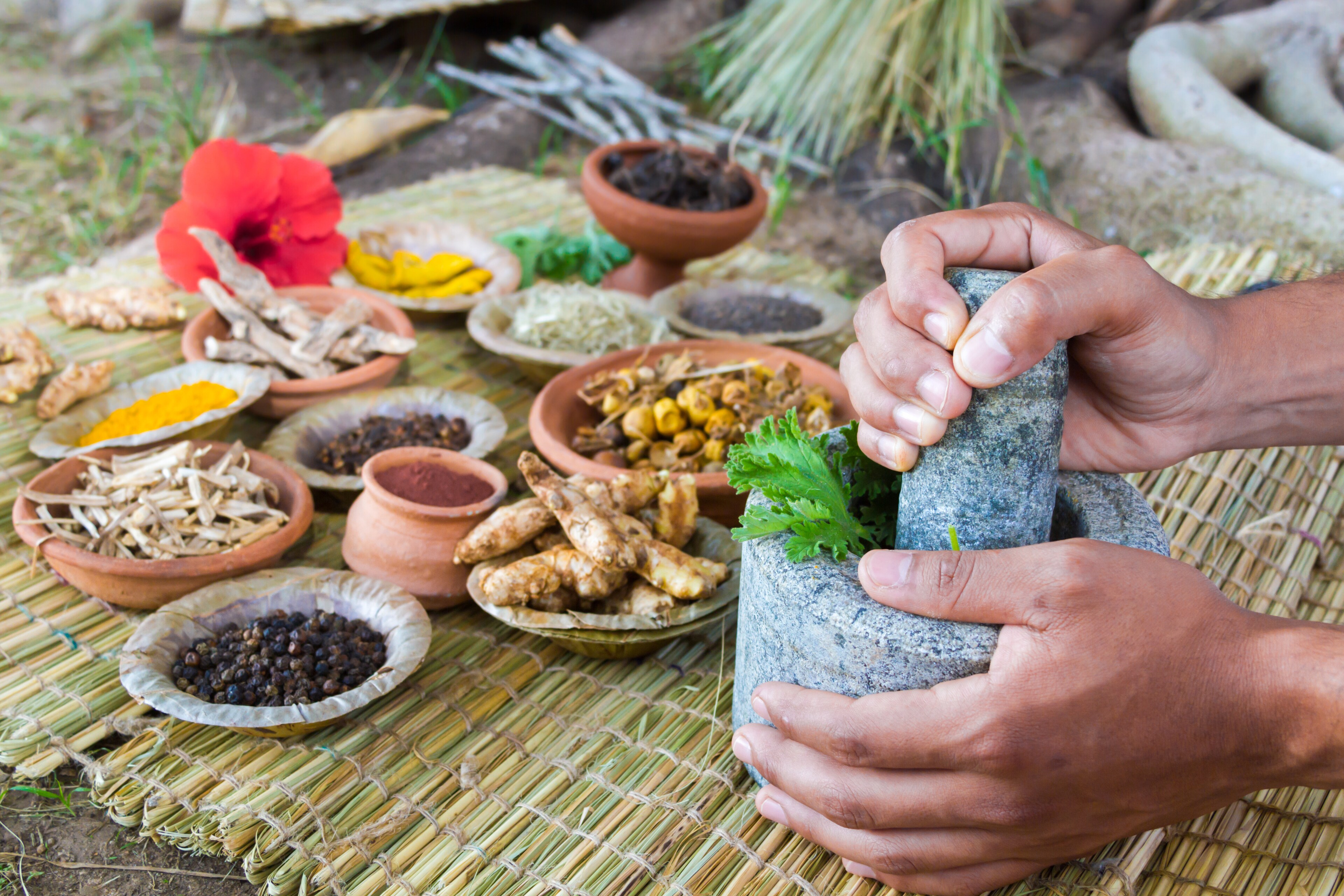
Highlights
- Integration of Ancient Wisdom and Modern Science: Merging holistic approaches with evidence-based research.
- Historical and Cultural Legacy: The rich heritage of Ayurveda, Yoga, Unani, and Siddha informs modern therapeutic innovations.
- Opportunities and Challenges: Addressing standardization, regulation, and ethical considerations in harnessing traditional knowledge.
Introduction
The revival of traditional Indian knowledge in modern therapeutics represents a vibrant and evolving field with profound implications for healthcare worldwide. This renewed interest in ancient traditions and holistic wisdom is driven by a growing recognition of the limitations of conventional medicine, rising healthcare costs, and the urgent need for more personalized approaches to patient care. Traditional systems such as Ayurveda, Yoga, Siddha, and Unani, which have been practiced for thousands of years, now serve as valuable sources of insight and inspiration in the search for effective therapeutic solutions.
By integrating time-honored practices with modern scientific methods, researchers and clinicians are uncovering the potential of natural remedies, lifestyle interventions, and mind-body techniques. This review article explores the historical context, current revival efforts, scientific validation, integration challenges, and future potential of Indian traditional knowledge in the realm of modern therapeutics.
Historical Context of Traditional Indian Medicine
Ancient Wisdom and Medical Heritage
Traditional Indian medicine boasts a history that spans over 5,000 years, deeply embedded in the cultural and philosophical fabric of the subcontinent. Seminal texts such as the Charaka Samhita and Sushruta Samhita form the cornerstone of Ayurveda, describing detailed methodologies for diagnosing and treating a wide range of diseases. These works emphasize a holistic view of health that integrates physical, mental, and spiritual well-being.
Alongside Ayurveda, systems like Siddha and Unani have contributed to a rich tapestry of therapeutic practices. Siddha medicine, with its origins in South India, incorporates elements of alchemy and spiritual healing, while Unani medicine, influenced by Greek traditions, utilizes the concept of the four humors to restore balance in the body. Yoga, another integral element of Indian cultural heritage, promotes physical postures ("asanas"), breathing exercises ("pranayama"), and meditation to achieve harmony and enhance overall health.
Colonial Impact and the Decline of Indigenous Systems
The British colonial era marked a significant turning point in the trajectory of traditional Indian medicine. With the introduction and subsequent dominance of allopathic medicine, many indigenous practices were marginalized. However, despite the imposition of Western models of healthcare, traditional systems continued to serve vast segments of the population, particularly in rural areas where access to modern hospitals was limited. This historical resilience laid the groundwork for a modern resurgence as both policymakers and practitioners recognized the potential benefits of these time-tested therapies.
The Revival: Policies and Promising Trends
Government Initiatives and Institutional Support
The contemporary revival of traditional Indian knowledge is inextricably linked to national policies and international collaborations. In India, the Ministry of AYUSH (Ayurveda, Yoga & Naturopathy, Unani, Siddha, and Homeopathy) has been at the forefront of efforts to integrate traditional practices into the mainstream healthcare system. This initiative not only supports academic research and clinical trials but also aims to standardize formulations and establish quality control benchmarks for herbal products.
International organizations such as the World Health Organization (WHO) have also recognized the potential of traditional medicine. There is a concerted push for evidence-based validation, aligning historical knowledge with modern regulatory frameworks and clinical practices. These efforts create a dynamic environment where ancient wisdom is critically assessed and systematically integrated into modern therapeutic paradigms.
Integration with Modern Medical Practices
A defining feature of the modern revival is the growing trend to blend traditional knowledge with contemporary scientific approaches. Reverse pharmacology, a method that starts with clinical observations and traditional practices, is being used to identify and develop new therapeutic compounds. For instance, many pharmaceutical drugs are being developed by researching plants and herbs used in Ayurveda and Unani medicine. Approximately 40% of current pharmaceuticals derive from nature, reinforcing the credibility of ancient bioactive compounds in drug discovery.
In addition, traditional mind-body techniques, particularly Yoga and meditation, have been embraced for their efficacy in stress reduction and mental health care. These methods are now supported by modern imaging techniques and clinical trials that elucidate their positive impact on neuroplasticity and overall well-being.
Scientific Validation and Evidence-Based Practices
Bridging the Gap Between Tradition and Modern Science
One of the major challenges facing the revival of traditional Indian knowledge is the need for rigorous scientific validation. Traditional practices, often based on individualized diagnostic methods rather than standardized protocols, must be evaluated through controlled clinical trials and research studies. This is critical to gaining wide acceptance among the modern medical community.
Numerous studies have confirmed the efficacy of traditional remedies, particularly for chronic conditions where conventional medicine may have limited success. The identification of active compounds in herbs such as turmeric, neem, and ashwagandha exemplifies how traditional knowledge guides contemporary drug development. Modern techniques, such as high-performance liquid chromatography (HPLC) and mass spectrometry, are used to assess medicinal properties and ensure consistency in herbal formulations.
Case Studies and Clinical Applications
Clinical evidence supporting the integration of traditional Indian therapies into modern practice is steadily growing. Case studies highlight the effects of Ayurvedic formulations in managing inflammatory diseases, metabolic disorders, and neurodegenerative conditions. Similarly, Yoga and meditation have consistently been validated for their benefits in reducing stress, anxiety, and depression.
The following table offers a snapshot of several traditional therapies and their modern clinical applications:
| Traditional Therapy | Modern Clinical Application | Active Components/Technique |
|---|---|---|
| Ayurveda (Herbal Formulations) | Anti-inflammatory, Antioxidant | Curcumin from Turmeric, Ashwagandha extracts |
| Yoga & Meditation | Mental Health, Stress Reduction | Breathing exercises, Mindfulness practices |
| Unani Medicine | Digestive Disorders, Fever | Herbal decoctions, Dietary modifications |
| Siddha Medicine | Chronic Pain Management, Detoxification | Mineral preparations, Herbal pastes |
Challenges and Ethical Considerations
Standardization and Quality Control
Despite the promises shown by traditional Indian knowledge, significant challenges remain. Standardization of herbal formulations is a major hurdle, as the potency and composition of natural remedies can vary widely. Developing universally accepted monographs and quality control measures is crucial to ensure safety and efficacy.
Regulatory frameworks need to be flexible enough to incorporate traditional methodologies while ensuring that products meet the high standards required by modern medicine. The cost-effectiveness of traditional therapies often contrasts with the rigorous demands of clinical validation, necessitating a balanced approach to quality assurance.
Intellectual Property Rights and Ethical Issues
As traditional knowledge enters the modern pharmaceutical arena, ethical concerns concerning intellectual property rights arise. Indigenous communities that have preserved and transmitted this knowledge for centuries may not always receive due credit or benefits. Fair compensation and collaborative partnerships are essential to ensure that the revival of traditional knowledge is conducted ethically and sustainably.
Addressing these ethical dilemmas involves crafting policies that protect indigenous rights while promoting global medical advancements. Transparency in research methodologies and benefit-sharing agreements can help bridge the gap between traditional custodians and modern developers.
Future Directions and Opportunities
Technological Integration and Innovation
The future of traditional Indian therapeutics lies in the seamless integration of modern technology with ancient wisdom. Advanced analytical techniques, such as genomics and metabolomics, offer new ways of understanding the molecular mechanisms behind traditional therapies. These methods not only validate historical practices but also pave the way for novel drug discovery.
Artificial intelligence (AI) and big data analytics are increasingly being employed to analyze vast datasets from traditional medicine, thereby predicting effective therapeutic outcomes. This integration is fostering a new era of reverse pharmacology, where clinical observations guide laboratory research.
Global Collaboration and Interdisciplinary Research
The revival movement is not confined to India alone; it has garnered international interest, promoting collaboration among researchers, clinicians, and policymakers worldwide. Collaborative projects continue to evaluate the potential of traditional therapies in combatting modern diseases such as diabetes, cancer, and neurodegenerative disorders. The exchange of knowledge and expertise through global research networks ensures that traditional practices are continuously refined and validated.
In addition, interdisciplinary research initiatives have begun incorporating insights from Ayurveda, philosophy, and modern biology, creating integrative models that support a more comprehensive understanding of health and disease.
Implementation Strategies in Modern Healthcare
Bridging Theory and Practice
Effective implementation of traditional Indian therapies in modern healthcare settings depends on strategic planning and robust education programs. Medical curricula are gradually incorporating courses on traditional medicine, equipping future healthcare professionals with the knowledge to integrate these practices. Clinical practitioners are being trained to use both conventional diagnostics and traditional assessment methods, paving the way for a more inclusive therapeutic approach.
Hospital programs and wellness centers now offer integrative treatment plans that combine evidence-based traditional therapies with modern clinical interventions. This not only improves patient outcomes but also enhances overall patient satisfaction by addressing multiple dimensions of health.
Policy Formulation and Public Awareness
Public and governmental support plays a crucial role in the successful mainstreaming of traditional therapeutics. Increased funding for research, supportive regulatory policies, and educational campaigns can foster a favorable environment for traditional medicine. Moreover, promoting public awareness about the benefits of ancient therapies can help shift societal perceptions, encouraging greater acceptance and integration in day-to-day healthcare.
References
- Revival of Traditional Indian Medicine - Drishti IAS
-
Modern and Traditional Integration - PMC
- Revival under SCO Presidency - Financial Express
-
Ancient Knowledge Contributions - PMC
- Herbal Therapeutics for Modern Diseases - PubMed
Recommended Related Queries
Last updated March 16, 2025