
Unlock Your True Potential: The Self-Development Question That Redefines Growth
Embark on a journey of introspection to discover the inquiries that pave the way for profound personal evolution and lasting fulfillment.
The quest for self-development and improvement is a deeply personal one, and the "most interesting" question is often the one that sparks the most significant introspection and catalyzes meaningful change for you. While subjectivity reigns, certain questions possess a unique power to unlock profound insights by challenging our core beliefs, clarifying our values, and aligning our actions with our truest aspirations.
Key Insights: The Transformative Power of Potent Questions
- Unearthing Limiting Beliefs: The most impactful questions often compel us to identify and scrutinize the subconscious narratives and limiting beliefs that may be hindering our progress and self-perception.
- Aligning Actions with Core Values: Truly insightful questions guide us to examine whether our daily choices, habits, and goals are in genuine alignment with what we hold most important, fostering a more authentic and purposeful life.
- Cultivating Deep Self-Awareness: By prompting honest reflection on our motivations, strengths, weaknesses, and past experiences, these questions serve as a compass for navigating our inner world and charting a course for intentional growth.
The Quintessential Question for Transformative Growth
While the "most interesting" question can vary, a particularly powerful and comprehensive inquiry often synthesizes reflection on the past, assessment of the present, and intentional planning for the future, all while challenging underlying beliefs. Consider this profound question:
"What outdated story or limiting belief about myself am I still holding onto, how is it preventing me from aligning with my core values to become the person I truly aspire to be, and what concrete steps can I take to rewrite this narrative for a more fulfilling future, especially as I look towards 2025?"
Why This Type of Question Resonates Deeply
This multifaceted question is potent because it encourages a holistic approach to self-development:
Catalyst for Profound Self-Awareness
It forces you to look inward, to understand the narratives you've constructed about your life and capabilities. This introspection is the bedrock of personal growth, revealing how past experiences might be shaping your present reality in ways you haven't fully acknowledged.
Addresses Root Causes, Not Just Symptoms
Instead of focusing solely on surface-level behaviors or skill deficits, this question delves into the psychological underpinnings—the limiting beliefs—that often sustain unhelpful patterns. By identifying these root causes, you can enact more sustainable change.
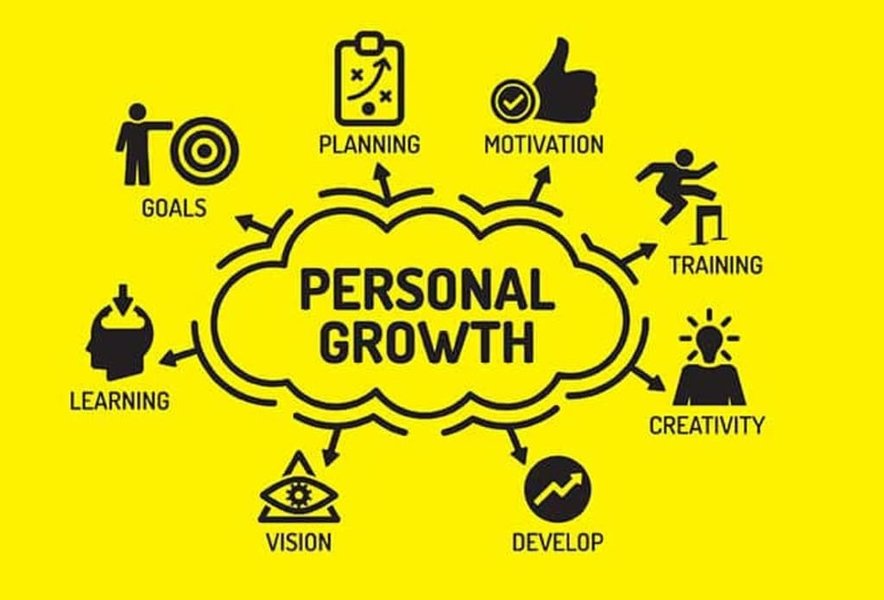
Unlocking your potential often begins with asking the right questions.
Empowers Intentional Change and Reframing
Recognizing that beliefs and stories can be challenged and reframed is incredibly empowering. This question prompts you not just to identify a problem, but to actively seek solutions and rewrite your internal script towards a more positive and growth-oriented future.
Fosters Authenticity by Aligning with Values
By incorporating your core values, the question ensures that your journey of self-improvement is aligned with what truly matters to you. This alignment is crucial for long-term fulfillment and for making choices that resonate with your authentic self, rather than societal pressures or outdated expectations.
Promotes Forward-Looking Action
The inclusion of future-oriented thinking (e.g., "looking towards 2025") and the call for "concrete steps" transforms reflection into actionable strategy. It encourages proactive planning for growth and development in various aspects of life, from skills to relationships.
Expanding Your Toolkit: A Spectrum of Powerful Self-Development Questions
Beyond this central question, a rich tapestry of inquiries can illuminate different facets of your personal growth journey. The most effective self-development often involves exploring various types of questions regularly.
Unveiling Your Inner Landscape: Questions for Self-Awareness & Identity
These questions help you build a clearer understanding of who you are, your motivations, and your inherent tendencies. They are fundamental to recognizing your starting point for any change.
- "How would I describe myself in ten words or fewer, and are these words empowering?"
- "What are my genuine strengths, and how can I leverage them more effectively?"
- "What are my perceived weaknesses, and what stories do I tell myself about them?"
- "When do I feel most authentic and alive? What conditions create this feeling?"
Confronting Shadows: Questions on Challenges, Resilience, and Limiting Beliefs
This category focuses on how you navigate adversity and the internal barriers that might be holding you back. They are crucial for building mental toughness and overcoming self-sabotage.
- "What is one limiting belief I hold about my capabilities, and what evidence contradicts it?"
- "How do I typically react to unexpected challenges or setbacks? What can I learn from my patterns?"
- "What past failure taught me the most valuable lesson, and how am I applying it today?"
- "What am I most afraid of, and how is this fear influencing my decisions?"
Charting Your Course: Questions for Future Vision, Goals, and Values Alignment
These questions direct your focus towards your aspirations, helping you define what a fulfilling future looks like and how your values can guide you there. They provide direction and purpose.
- "If I were living my ideal life one year from now, what would be different?"
- "What core values do I want to embody more consistently in my daily actions?"
- "Are my current goals truly my own, or are they influenced by external expectations?"
- "What skills or knowledge do I need to acquire to move closer to my aspirations in 2025?"
- "Who or what truly deserves more of my time and energy, and how can I reprioritize?"
The Unfettered Self: Questions on Authenticity and External Influences
A powerful line of inquiry revolves around stripping away external pressures to uncover your genuine desires. These questions can be liberating.
- "What would I do if I didn’t care what anyone else thinks?"
- "In what areas of my life am I compromising my authenticity to fit in or please others?"
- "What societal 'shoulds' am I adhering to that don't align with my inner truth?"
Visualizing the Impact of Self-Reflection Questions
Different types of self-development questions can have varied impacts on distinct areas of personal growth. The radar chart below offers a conceptual visualization of how various categories of questions might contribute to aspects like clarifying values, overcoming limiting beliefs, setting effective goals, building emotional resilience, and fostering authentic living. This is an illustrative representation to highlight the multifaceted nature of self-interrogation.
This chart illustrates that deep reflective questions might score higher on clarifying values and fostering authentic living, while future-oriented questions excel in goal setting and proactive planning. Challenging questions are key for overcoming limiting beliefs and building resilience. A balanced approach, utilizing all types, often yields the most comprehensive growth.
Mapping the Journey of Self-Discovery
The process of asking impactful self-development questions can be visualized as a mindmap, branching out from the core objective of personal growth into various domains of inquiry. This helps to understand how different lines of questioning contribute to a holistic self-improvement strategy.
This mindmap illustrates that effective self-development questioning is not a single query but a system of interconnected inquiries. Starting from a central theme, you can explore understanding your current state, challenge your limitations, envision your desired future, align your actions, navigate external factors, and specifically plan for upcoming periods like 2025.
Key Categories of Self-Development Questions
To further structure your introspective journey, consider these categories of questions. The table below provides a summary, highlighting the focus of each category and offering an example question to spark your thinking.
| Category | Focus | Example Question |
|---|---|---|
| Self-Awareness & Identity | Understanding who you are, your personality, strengths, and weaknesses. | "What are three words that genuinely describe my character, and how do these traits serve me?" |
| Limiting Beliefs & Narratives | Identifying and challenging ingrained negative thoughts or stories holding you back. | "What story about my past am I continuously replaying, and how does it impact my present choices?" |
| Values Clarification & Alignment | Defining core principles and ensuring actions are consistent with them. | "If my life were a testament to my deepest values, what would an observer see?" |
| Future Vision & Goal Setting | Envisioning desired outcomes and planning steps to achieve them. | "What is one audacious goal I would set for myself in 2025 if I knew I could not fail?" |
| Resilience & Challenge Management | Assessing coping mechanisms and ability to navigate adversity. | "When faced with a significant setback, what is my typical first reaction, and how could I make it more constructive?" |
| Authenticity & External Influence | Exploring true desires versus societal expectations. | "In what situations do I feel least like myself, and what external pressures contribute to this?" |
| Habit Formation & Daily Practices | Evaluating current habits and identifying changes for improvement. | "What one small habit, if adopted consistently, would have the most positive impact on my well-being?" |
| Contribution & Purpose | Reflecting on how you want to make an impact or find meaning. | "What unique contribution do I feel compelled to make to the world, even in a small way?" |
Using questions from diverse categories ensures a well-rounded approach to self-development, touching upon various crucial aspects of personal growth.
Deepen Your Understanding: Insights on Self-Reflection
To explore further how specific questions can catalyze your self-growth journey, the following video offers valuable perspectives. It delves into thought-provoking questions designed to ignite self-reflection and propel you towards personal development. Understanding the 'why' and 'how' behind these questions can significantly enhance their effectiveness.
This video, "Questions To Ask Yourself If You Are Ready For Self Growth," explores ten key questions. It emphasizes how such inquiries can stimulate deeper self-awareness and foster actionable steps towards becoming a better version of yourself. Engaging with such content can provide practical examples and motivation for your own reflective practices.
Frequently Asked Questions (FAQ)
How often should I ask myself these self-development questions?
The ideal frequency varies per individual. Some find daily reflection beneficial, perhaps focusing on one or two simple questions. Others prefer a weekly or monthly deep dive. The key is consistency. For significant life planning, such as for "2025," dedicating more focused time annually or semi-annually can be very effective.
What if I find the answers to these questions uncomfortable or difficult?
Discomfort is often a sign of growth. These questions are designed to challenge you and bring underlying issues to the surface. If answers are difficult, it means you're likely touching upon an area ripe for development. Be patient and compassionate with yourself. Journaling can be a safe space to explore these thoughts. If feelings are overwhelming, consider discussing them with a trusted friend, mentor, or professional coach/therapist.
Can simply asking questions lead to real change, or is more required?
Asking questions is the crucial first step: it raises awareness and provides insight. However, real change typically requires action based on those insights. The most effective self-development questions often implicitly or explicitly guide you towards identifying actionable steps. For example, "What concrete steps can I take...?" The process is usually: Question -> Insight -> Plan -> Action -> Reflection -> Further Questioning.
What's the best way to engage with these questions – journaling, meditation, or discussion?
All these methods can be effective, and the "best" way often depends on personal preference. Journaling allows for deep, private exploration and tracking of thoughts over time. Meditation can provide a quiet space for insights to emerge. Discussing with a trusted coach, mentor, or peer can offer new perspectives and accountability. Experiment to find what works best for you, or use a combination of methods.
Recommended Further Exploration
- How can I effectively identify and challenge my limiting beliefs for personal growth?
- What are practical strategies for aligning my daily actions with my core values to live more authentically?
- What are the most impactful journaling prompts for deep self-reflection and future planning for 2025?
- How does understanding my personal narrative contribute to self-improvement and achieving my goals?
References
Last updated May 6, 2025