
Transhumanism: Shaping the Future of Humanity
Exploring the Boundaries of Human Potential and Evolution
Key Takeaways
- Transhumanism seeks to enhance human capabilities through advanced technologies, aiming to overcome biological limitations.
- Diverse perspectives within transhumanism include technological optimists, bioconservatives, and posthumanists.
- The movement poses profound ethical, social, and existential questions about the future of humanity and its evolution.
What is Transhumanism?
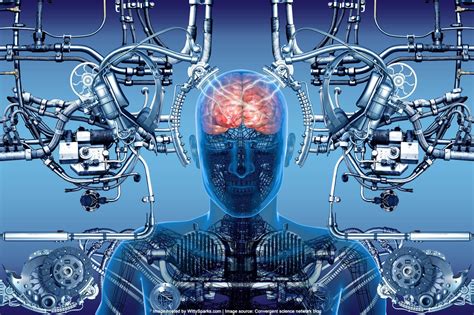
Transhumanism is a multifaceted philosophical and intellectual movement that advocates for the enhancement of the human condition through the application of advanced technologies. At its core, transhumanism seeks to transcend the biological, physical, and cognitive limitations inherent to human beings. This ambition is pursued through innovations in fields such as artificial intelligence (AI), biotechnology, nanotechnology, genetic engineering, robotics, and cognitive enhancement tools. By leveraging these technologies, transhumanists aim to redefine the very essence of what it means to be human, pushing the boundaries of human potential and facilitating an evolutionary leap beyond current biological constraints.
Types of Transhumanists
1. Technological Optimists
Technological optimists are transhumanists who fervently believe in the rapid advancement of technology as the primary means to enhance human capabilities. They focus on innovations such as brain-computer interfaces, genetic engineering, and nanotechnology to augment physical, cognitive, and emotional faculties. Their optimism stems from the belief that technological progress can solve many of humanity's pressing issues, including disease, aging, and even mortality.
2. Biological Immortalists
Biological immortalists prioritize the elimination of aging and death through medical and biological advancements. They advocate for the development of regenerative medicine, cryonics, and other life-extension technologies with the ultimate goal of achieving longevity or immortality. By addressing the biological underpinnings of aging, biological immortalists aim to extend human lifespans significantly, potentially leading to a post-aging society.
3. Cosmic Expansionists
Cosmic expansionists are transhumanists who envision extending human life and civilization beyond Earth. They advocate for space colonization and the establishment of self-sustaining habitats on other planets or celestial bodies. This perspective emphasizes the importance of ensuring humanity's survival and continuity by becoming a multi-planetary species.
4. Ethical Transhumanists
Ethical transhumanists emphasize the moral and ethical implications of human enhancement. They advocate for ensuring that technological advancements benefit all of humanity and do not exacerbate existing inequalities. Ethical transhumanists focus on creating equitable access to enhancement technologies and addressing potential ethical dilemmas arising from their use.
5. Extropians
Extropians emphasize continuous improvement of human intelligence, freedom, and capabilities without limit. Rejecting entropy and stagnation, they focus on self-direction, rational thinking, and the boundless application of science to enhance human potential.
6. Posthumanists
Posthumanists see the ultimate goal of transhumanism as transitioning to a posthuman state—beings that are no longer "human" by current biological standards. These entities may exist in digital forms, possess altered biology, or integrate seamlessly with AI and machines, representing a fundamental evolution beyond Homo sapiens.
7. Bioconservatives
Although not strictly transhumanists, bioconservatives critique the movement's ethical and philosophical implications. They caution against the potentially destructive social, cultural, and biological consequences of human enhancement, advocating instead for the preservation of traditional notions of humanity.
8. Technogaian Transhumanists
Technogaian transhumanists intersect transhumanist thought with ecological values. They emphasize the development of technologies that enhance human life while simultaneously protecting or improving the Earth's ecosystems, striving for a harmonious balance between technological advancement and environmental stewardship.
9. Faith-Based Transhumanists
Faith-based transhumanists blend religious and spiritual views with technological visions, viewing human enhancement as a pathway to realizing divine potential or fulfilling spiritual objectives. They integrate their faith with the pursuit of technological advancement, seeking a synthesis of spiritual and technological evolution.
Will We Become a New Species or Just Enhanced?
The debate over whether humanity will evolve into an entirely new species or remain as enhanced humans is a central question within transhumanist discourse. This dilemma hinges on the extent and nature of technological enhancements and their impact on human identity and biology.
Enhanced Homo Sapiens
One perspective posits that humans will remain fundamentally the same but with augmented abilities. Enhancements might include advanced cognitive faculties, augmented bodies through neural implants or exoskeletons, and near-perfect health. These modifications would enhance human capabilities without altering the core identity or biological framework of Homo sapiens.
Posthumans: A New Species
Conversely, another perspective suggests that the cumulative effects of technological enhancements could lead to the emergence of a new species—posthumans. These beings might possess capabilities far beyond current human limits, such as immortality, superintelligence, or the ability to exist in digital or non-biological forms. The integration of AI into human consciousness, genetic editing, or consciousness-uploading could result in entities that diverge significantly from unmodified humans, potentially classifying them as a distinct species.
Factors Influencing Species Evolution
The transition to either enhanced humans or a new species depends on several factors:
- Degree of Enhancement: Incremental enhancements are more likely to result in enhanced Homo sapiens, while profound modifications could lead to posthumanism.
- Integration with Technology: The extent to which technology is integrated into human biology and consciousness will influence whether humans remain biologically similar or become a new entity.
- Societal Acceptance: The extent to which society accepts and integrates enhancements will impact the evolutionary trajectory of humanity.
Impact on the Future and the Reality of Humanity
Social and Ethical Implications
Transhumanism is poised to induce significant social and ethical shifts:
- Inequality: Access to enhancement technologies may exacerbate existing social inequalities, creating a divide between the "enhanced" and "unenhanced."
- Cultural Shifts: Traditional human values, traditions, and social systems may be challenged as the definition of humanity evolves.
- Ethical Concerns: Issues surrounding consent, privacy, and autonomy become paramount with the normalization of technologies like neuro-enhancements and genetic editing.
Political and Legal Challenges
The advent of transhumanist technologies will necessitate rethinking political and legal frameworks:
- Redefining Personhood: Legal systems may need to incorporate posthumans or enhanced beings, requiring a fundamental redefinition of personhood.
- Power Dynamics: Disproportionate access to enhancement technologies could skew power balances, challenging democratic institutions and potentially leading to authoritarianism or technocracy.
Psychological and Philosophical Impacts
Transhumanism challenges the very notion of human identity and consciousness:
- Identity Crisis: The blurring lines between humans, machines, and AI could lead to identity crises for enhanced individuals.
- Existential Questions: The meaning of life, morality, and individuality may become more complex as humanity transcends biological limitations.
Technological Acceleration
The rapid integration of AI and bio-enhancement technologies could revolutionize various sectors:
-
Industries: Automation and enhanced human capabilities could transform manufacturing, healthcare, education, and other industries.
-
Healthcare: Medical advancements could eradicate diseases, extend lifespans, and improve overall health, leading to a post-aging society.
-
Warfare: Enhanced military personnel and autonomous weapons systems could alter the nature of conflict and global security.
Will Transhumans Be Considered "Earth Aliens"?
The metaphorical designation of transhumans or posthumans as "Earth Aliens" hinges on the extent of their divergence from unenhanced humans. Factors influencing this perception include:
Alien Status Through Enhancement
If transhumans achieve capabilities such as immortality, superintelligence, or digital consciousness, their experiences and interactions may become incomprehensible to those who remain unenhanced. This fundamental difference could lead to the perception of transhumans as "alien" beings, distinct from traditional humans.
Integration with Non-Biological Entities
The integration of cybernetic implants or the merging of human consciousness with machines further blurs the line between humans and machines. Such hybrid entities might embody traits that challenge traditional notions of humanity, reinforcing the "Earth Alien" metaphor.
Societal Acceptance and Normalization
Whether transhumans are viewed as "Earth Aliens" will depend largely on societal acceptance and the normalization of enhancements. If enhancements become widespread, the distinction between enhanced and unenhanced humans may diminish, reducing the perception of transhumans as alien. Conversely, if enhancements remain limited or create significant social divides, transhumans may continue to be perceived as fundamentally different.
Conclusion
Transhumanism presents a transformative vision for the future of humanity, advocating for the enhancement of human capabilities through advanced technologies. The movement encompasses a diverse array of perspectives, each with its own aspirations and ethical considerations. As technological advancements continue to accelerate, the debate over whether humanity will evolve into a new species or remain as enhanced beings intensifies. The profound social, ethical, and existential implications of transhumanism challenge our collective understanding of what it means to be human. Whether transhumans are perceived as "Earth Aliens" will largely depend on the trajectory of technological integration and societal adaptation. Ultimately, transhumanism invites us to contemplate and shape the very essence of our existence and future evolution.
References
Last updated January 19, 2025