
Understanding the Transmission Fluid Requirements for Your Mitsubishi Outlander 2.0 DI-D (CW8W)
A detailed guide on fluid replacement options for automatic and manual transmissions
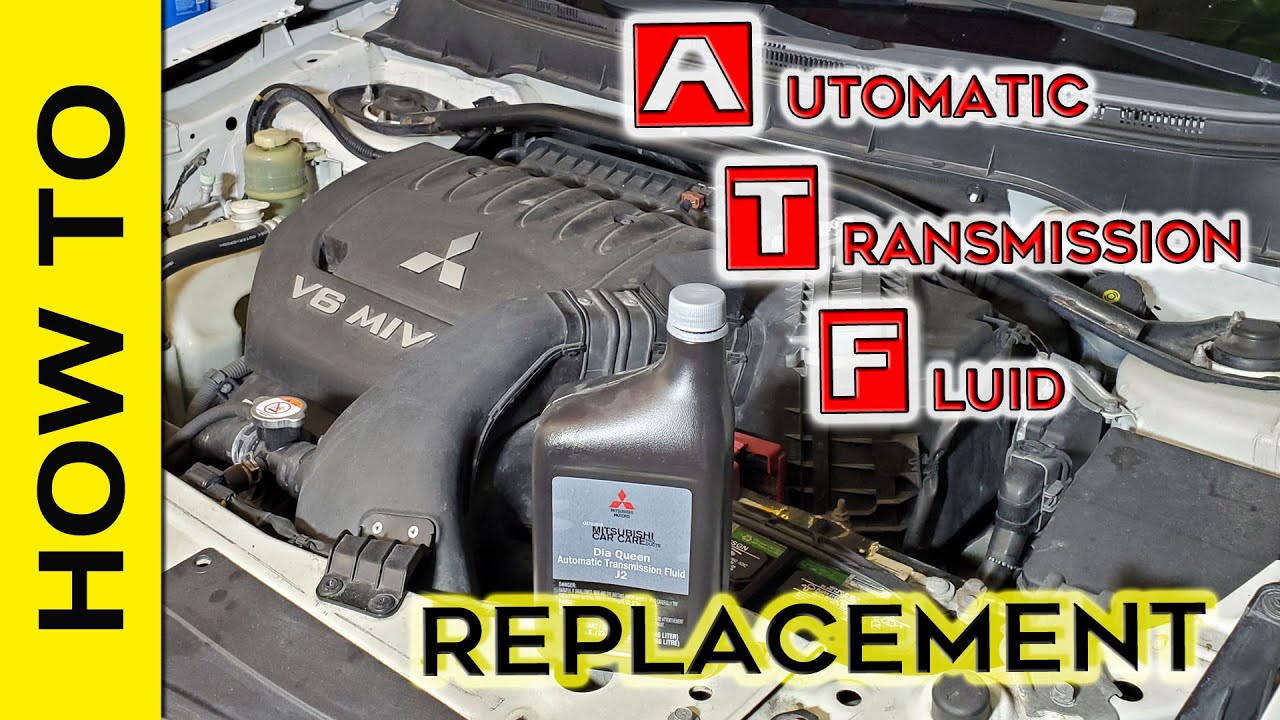
Key Highlights
- Transmission Type Matters: Automatic and manual transmissions have different capacity and fluid type specifications.
- Automatic Transmission: Requires around 6 quarts (approximately 5.7 liters) of specialized ATF, typically DIA QUEEN ATF-J3 or equivalent.
- Manual Transmission: Uses approximately 2 liters of 75W-90 gear oil to ensure smooth gear changes and longevity.
Introduction
For owners of the Mitsubishi Outlander 2.0 DI-D (CW8W) produced between February 2007 and November 2012 (103 kW / 140 PS), understanding the correct transmission fluid requirements is critical for optimal vehicle performance and longevity. This comprehensive guide covers both the automatic and manual transmission fluid specifications. By using the correct quantity and type of fluid, you can help prevent transmission wear and ensure your vehicle's smooth operation.
Detailed Transmission Fluid Specifications
Automatic Transmission Fluid Requirements
Fluid Quantity
Many Mitsubishi Outlander models equipped with an automatic transmission typically require roughly 6 quarts of transmission fluid. This measurement equates to approximately 5.7 liters. The fluid usually fills up the system during a fluid replacement service, and it is essential to ensure that the entire system is properly filled to avoid any malfunctions.
Recommended Fluid Type
The fluid most commonly recommended for the automatic transmission in this model is DIA QUEEN ATF-J3. This type of fluid is specifically formulated to meet the requirements of Mitsubishi automatic transmissions. Using the correct fluid helps maintain proper hydraulic pressure, provides effective lubrication, and aids in the overall longevity of the transmission components.
Service Considerations
When replacing the automatic transmission fluid, it is imperative to adhere to the manufacturer’s guidelines. Regular maintenance and periodic checks can help identify signs of wear or potential fluid degradation. It is advisable to follow the recommended service intervals stated in the owner’s manual or consult with a certified technician to prevent any expensive repairs resulting from poor transmission fluid maintenance.
Manual Transmission Fluid Requirements
Fluid Quantity
In some models, particularly those fitted with manual transmissions, the requirements differ. For the manual variant of the Mitsubishi Outlander 2.0 DI-D (CW8W), about 2 liters of transmission fluid are required. This smaller volume is due to the compact design and different lubrication needs of the manual gearbox compared to its automatic counterpart.
Recommended Fluid Type
For manual transmissions, the recommended oil type is 75W-90. This grade of gear oil is designed to handle the operational stresses unique to manual transmission systems. It provides the necessary lubrication to facilitate smooth gear shifts and to protect critical components under varying conditions.
Routine Maintenance
Keeping the manual transmission fluid at the correct level and in optimal condition is key to preventing potential issues such as gear wear or eventual transmission failure. It is recommended to follow the maintenance schedule as prescribed in the vehicle’s owner manual and to have the fluid inspected at regular service intervals. Regular checks ensure that contamination or degradation does not compromise performance.
Comparative Analysis of Transmission Fluid Requirements
It is essential to understand the differences in fluid requirements between automatic and manual transmissions within the Mitsubishi Outlander 2.0 DI-D (CW8W) system. Below is a comparative table summarizing the key points, ensuring a clear understanding of what each configuration demands:
| Transmission Type | Fluid Quantity | Recommended Fluid Type | Maintenance Tips |
|---|---|---|---|
| Automatic Transmission | Approximately 6 quarts (5.7 liters) | DIA QUEEN ATF-J3 (or equivalent ATF specified for Mitsubishi) | Check level regularly; change per manufacturer guidelines. |
| Manual Transmission | Approximately 2 liters | 75W-90 Gear Oil | Monitor fluid level; schedule regular maintenance. |
Maintenance Best Practices
Maintaining the transmission system in your Mitsubishi Outlander involves a few strategic steps. Adhering to manufacturer recommendations helps ensure that your vehicle continues to perform at its best and may also lead to long-term savings by preventing costly repairs.
Regular Inspections
Regular inspections of the transmission system are vital. For both automatic and manual transmissions, periodically checking the fluid level and condition can reveal early signs of issues such as contamination, leakage, or degradation. It is advisable to have a trusted automotive professional perform these inspections and to follow the maintenance schedule prescribed by Mitsubishi.
Maintenance Schedule
Referencing your vehicle’s owner manual is imperative for determining the correct intervals for fluid replacement. The service intervals may vary depending on driving conditions, usage patterns, and the specific configuration of your transmission. For instance, in more demanding driving conditions or in areas with extreme temperatures, more frequent checks might be necessary to keep the transmission operating efficiently.
Fluid Quality and Replacement Procedures
Always using high-quality transmission fluid is one of the best practices in maintenance. For the Outlander’s automatic transmission, DIA QUEEN ATF-J3 is a fluid that meets the necessary specifications. For the manual transmission, a quality 75W-90 gear oil is recommended. When carrying out a fluid replacement, ensure that all old fluid is properly drained from the system. Residual fluid may dilute the new fluid, leading to performance issues or suboptimal lubrication.
Detailed Considerations for Transmission Fluid Replacement
Beyond understanding the basic specifications, several critical considerations can influence your overall transmission performance. These factors include the operating environment, the specific model configuration, and adherence to manufacturer recommendations.
Environmental Impact
Ambient temperatures and geographical conditions play a significant role in the performance of transmission fluids. Colder climates might require gradual warming of the fluid to reach its optimal viscosity, while hotter regions may accelerate fluid degradation. Monitoring environmental factors can help ensure that your fluid replacement and maintenance practices match the operating conditions.
Model-Specific Variants
Though the Mitsubishi Outlander 2.0 DI-D (CW8W) range broadly includes models from 2007 to 2012, subtle differences may exist based on specific trim levels or configurations. Some models come with additional features that could influence transmission fluid requirements. Always verify that you are using the correct specifications for your specific model by referring to the owner’s manual or consulting a Mitsubishi dealership.
Fluid Testing and Quality Assurance
Quality assurance in transmission fluid replacement is as crucial as the fluid type itself. In service centers, fluid samples may be tested for contamination or degradation. Routine tests ensure that the fluid maintains its intended properties over time. Regular testing can alert you to early signs of wear or issues within the transmission system, facilitating timely maintenance interventions.
Choosing the Right Service Approach
Whether you prefer a DIY approach or professional service, ensuring that the transmission fluid is properly replaced is essential. DIY enthusiasts should invest in high-quality replacement fluids and follow detailed service guides available in automotive literature. Alternatively, if you opt for professional service, ensure that the service center uses fluids that meet Mitsubishi’s original specifications. This approach guarantees adherence to the manufacturer’s guidelines and helps maintain the warranty where applicable.
Additional Resources and Considerations
Numerous online resources provide further insights into the transmission maintenance process for Mitsubishi Outlanders. These include detailed tutorials, user forums, and official parts listings. Reputable websites often review the fluid specifications and replacement procedures, ensuring both newcomers and experienced automotive enthusiasts have access to reliable information.
Information Verification
It is recommended to verify any specifications and instructions with the official Mitsubishi documentation or a trusted automotive service center. Although many sources provide similar data, having multiple cross-references will help eliminate any discrepancies. Safety and performance are non-negotiable when dealing with vital components such as transmissions.
Community Insights
Automotive forums and community discussions can provide valuable insights and real-world experiences from other Mitsubishi Outlander owners. These platforms enable users to share maintenance tips and troubleshooting techniques, which can contribute to a more comprehensive understanding of the vehicle’s transmission system. However, for technical specifications, it is always best to rely on verified sources.
Troubleshooting and Further Maintenance Tips
Even when maintenance is performed diligently, potential issues may arise over time. Knowing common symptoms of transmission problems can help you address them early. If you notice unusual noises, delayed gear engagement, or signs of overheating, it may be time to inspect the transmission fluid or consult a professional. Early detection saves both time and resources.
Warning Signs
Common indicators of potential transmission issues include:
- Fluid Leak: Signs of leaking fluid under your vehicle could indicate a compromised seal or faulty drain plug.
- Overheating: Excessive heat may be due to old or contaminated fluid that no longer provides adequate lubrication.
- Unusual Noises: Grinding or clunking sounds during gear shifts can point to issues in the transmission system.
- Delayed Shifting: Hesitation in shifting gears may be a symptom that fluid levels are low or that the fluid is degraded.
Next Steps When Problems Arise
If any of the warning signs described above are observed, the following steps should be taken:
- Schedule a diagnostic check with a certified mechanic to determine the root cause of the issue.
- Inspect the transmission fluid level and condition; if abnormal, consider a fluid replacement.
- Verify that the proper fluid type is being used in accordance with the vehicle's manufacturer recommendations.
- Review the maintenance history and service intervals, which may need adjustments based on driving habits and environmental conditions.
References
- Mitsubishi Outlander Transmission Fluid - Autodoc
- Comma Oil - Mitsubishi Outlander
- Gear Oil for Mitsubishi Outlander - Cararac
- 1A Auto - Mitsubishi Outlander Issues
- Mitsubishi Forum - Transmission Fluid Change Procedure
Recommended

Last updated March 24, 2025